Zoom the image with the mouse
Ashanti Society Garlic - 1 Gallon
SKU:
1832865
UPC:
014949180143
$12.99
- A patented hybrid (PP #27,404) with showier, larger pale pink blooms than standard Society Garlic, flowering from spring through fall and into winter in mild climates
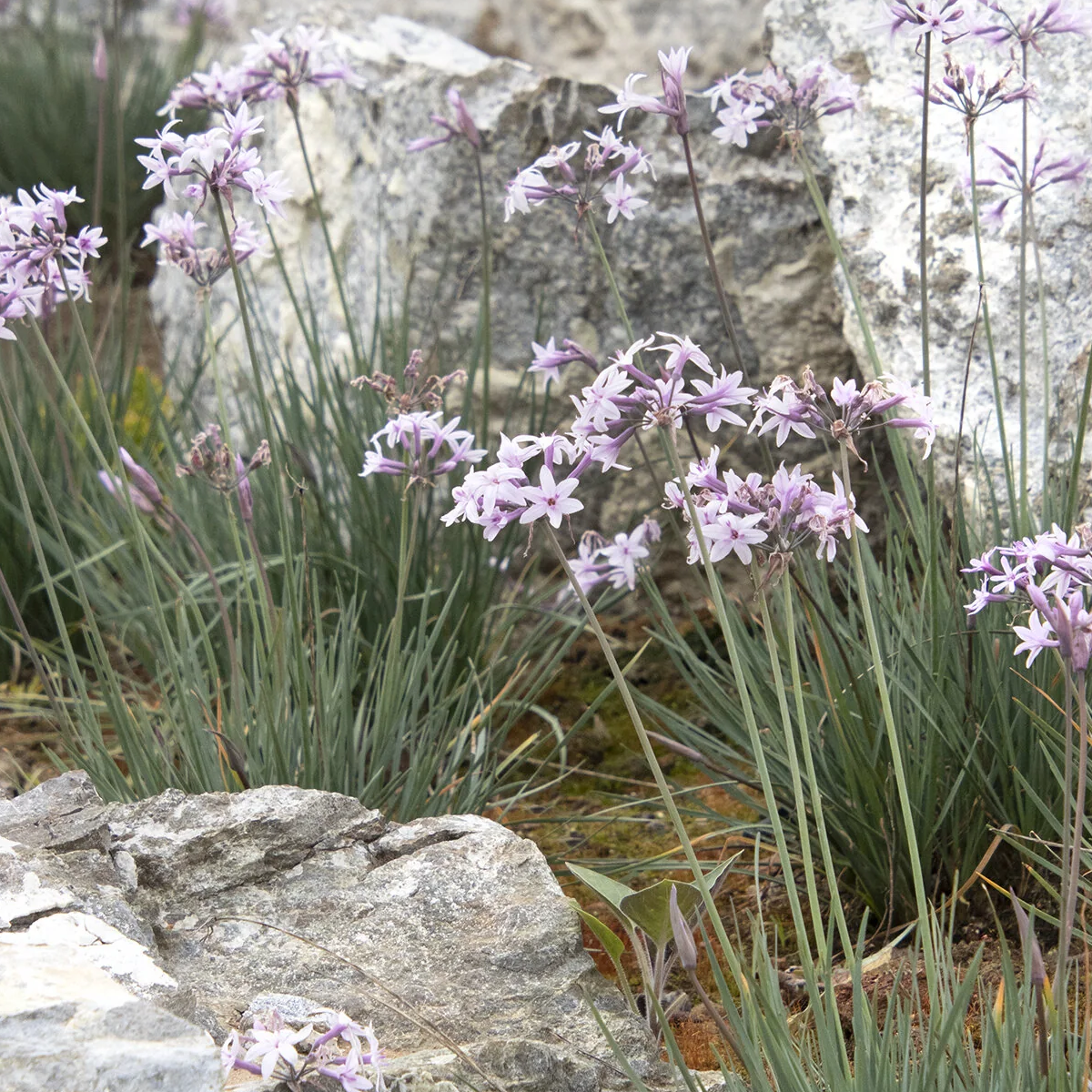
- Striking blue-green, grass-like foliage forms a neat, compact mound and releases a mild garlic aroma when brushed, naturally deterring deer and rabbits
- Exceptionally heat- and drought-tolerant once established, earning "Flameproof Plant" certification in rigorous Texas summer trials with near-perfect scores
- Both leaves and flowers are edible with a mild garlic-onion flavor, making it as useful in the kitchen as it is beautiful in the garden or patio container
Ashanti Society Garlic (Tulbaghia x 'Ashanti' PP #27,404) is a standout patented hybrid perennial that elevates the beloved Society Garlic to a whole new level of garden performance. A cross between the common Society Garlic (Tulbaghia violacea) and the clove-scented Tulbaghia cominsii, 'Ashanti' inherits the best traits of both parents — producing larger, more vivid pale pink to soft violet blooms in tight, full umbels atop slender 18- to 24-inch flower stalks, while boasting uniquely attractive blue-green, grass-like foliage that sets it apart from other tulbaghia varieties. The dense, clumping habit stays compact and tidy at roughly 1.5 to 2 feet tall and wide, making it ideal for edging, mass planting, rock gardens, and patio containers. This sun-loving, low-maintenance perennial thrives in the heat and dry conditions of Southern Oregon and Northern California landscapes, performing beautifully in Mediterranean-style gardens, water-wise borders, and herb gardens. It is notably deer and rabbit resistant thanks to its garlic-scented foliage, and its cheerful blooms attract bees and other pollinators throughout its long season. Hardy in USDA Zones 7 through 11, Ashanti Society Garlic is an easy-care, multi-season performer that brings ornamental beauty, wildlife benefits, and even culinary interest to any sunny garden space.
Plant Description
Ashanti Society Garlic is a patented hybrid perennial (PP #27,404) resulting from a cross between Tulbaghia violacea and Tulbaghia cominsii, developed by Ivan van der Walt of Pretoria, South Africa. It forms a clumping mound of flexible, grass-like foliage in an eye-catching blue-green hue — noticeably different from the gray-green leaves of standard Society Garlic. Slender, upright flower stalks rise 18 to 24 inches above the foliage, each topped with a tight, full umbel of pale pink to soft violet blooms that are distinctly larger and longer-lasting than those of typical Society Garlic. Each individual flower is tubular at the base with a slightly darker corona at the center, opening into six pointed, star-shaped tepals. The foliage releases a mild garlic aroma when brushed or bruised, while the flowers themselves carry a light, sweet fragrance. The overall effect is airy, graceful, and colorful — a refined, low-maintenance perennial with real ornamental presence throughout much of the year.
Mature Size
| Attribute | Details |
|---|---|
| Mature Height (foliage) | 12 to 18 inches |
| Mature Height (in flower) | 18 to 24 inches |
| Mature Width | 1.5 to 2 feet |
| Growth Habit | Compact, upright-mounding, clump-forming |
| Growth Rate | Moderate; spreads slowly via rhizomes without becoming invasive |
Hardiness Zones
Ashanti Society Garlic is hardy in USDA Zones 7 through 11. It remains evergreen in frost-free climates and is root hardy down to approximately 20 to 25 degrees Fahrenheit, meaning even if foliage is damaged by a cold snap, plants will often re-sprout from the rhizomes once temperatures warm. In the warmer portions of Southern Oregon and Northern California (Zones 8 and 9), this plant performs exceptionally well year-round. In colder microclimates at the northern edge of its range, a light protective mulch applied around the crown before winter will significantly improve survival rates. Container-grown plants in colder areas can be moved indoors to a bright, cool location for overwintering.
Sunlight Requirements
Full sun is strongly preferred and will produce the most vigorous growth, the tightest clumping habit, and the most abundant and continuous flowering. Aim for a minimum of 6 to 8 hours of direct sunlight per day. Ashanti Society Garlic can tolerate light or part shade, but flowering will be noticeably reduced and the foliage clumps may become slightly loose and open in lower light conditions. In the intense summer heat of inland Northern California, light afternoon shade can reduce stress without significantly compromising bloom performance. For best results along the Southern Oregon and Northern California coast, choose the sunniest, most open spot available to maximize warmth and light exposure.
Soil and pH Preferences
- Drainage: Well-draining soil is essential. Soggy or waterlogged soils will cause rhizome rot and rapid decline. Raised beds, mounds, or gravelly sites are ideal if your native soil holds moisture.
- Soil Type: Performs best in sandy loam, gravelly, or moderately fertile soils. Tolerates lean soils well and does not require rich amendments.
- Clay Soils: Acceptable if drainage is improved by incorporating coarse sand, perlite, or grit before planting.
- Soil pH: Adaptable; performs well in a slightly acidic to neutral range of approximately 6.0 to 7.5.
- Organic Matter: Light incorporation of compost at planting time helps establish strong roots, but overly rich, nitrogen-heavy soils can reduce flowering.
Watering Guide
During the first growing season, water regularly to help Ashanti Society Garlic establish a deep, robust root system. Keep the soil consistently moist but never waterlogged. Once established — typically after one full growing season — this plant demonstrates impressive drought tolerance and requires only occasional irrigation during extended dry spells. In the hot, dry summers typical of inland Southern Oregon and Northern California, supplemental watering every 1 to 2 weeks during the peak of summer will keep plants looking their best and encourage continuous blooming. In coastal climates with mild, moist summers, natural rainfall may largely meet the plant's needs. Always allow the top 2 to 3 inches of soil to dry out between waterings. Reduce watering significantly in winter when the plant is less active. Overwatering is the most common mistake and the most common cause of failure — when in doubt, water less.
Fertilizing
Ashanti Society Garlic is not a heavy feeder and performs well even in moderately poor soils. Apply a balanced, slow-release granular fertilizer (such as a 10-10-10 or similar formulation) once in early spring as new growth begins. Alternatively, top-dress the planting area with a 1 to 2 inch layer of compost in spring to provide gentle, season-long nourishment. Avoid high-nitrogen fertilizers, which promote lush leafy growth at the expense of flowers. Container-grown plants benefit from a light application of a balanced liquid fertilizer every 4 to 6 weeks during the active growing season (spring through fall). Do not fertilize during winter dormancy or during periods of stress.
Pruning and Maintenance
- Deadheading: Remove spent flower umbels promptly to encourage the plant to produce additional flower stalks and extend the bloom season well into fall.
- Foliage Cleanup: Trim away any yellowed, browned, or frost-damaged leaves as needed to keep the clump tidy and well-ventilated.
- Annual Cutback: In colder climates where foliage dies back in winter, cut the entire plant back to a few inches above the ground in late winter before new growth emerges. In mild climates, a light trim to neaten the clump is sufficient.
- Division: Divide congested clumps every 3 to 4 years in spring to maintain vigor and prevent crowding. Dividing also provides new plants for other areas of the garden.
- Minimal Maintenance: Beyond deadheading and occasional cleanup, this plant requires very little ongoing care, making it an excellent choice for low-maintenance garden designs.
Planting Instructions
- Choose a site in full sun with well-draining soil. Avoid low spots or areas where water collects after rain.
- Loosen the soil to a depth of 10 to 12 inches and incorporate a light amount of compost if the native soil is very poor or heavy with clay.
- Dig a hole slightly wider than the root ball and of equal depth. Set the crown of the plant at soil level — do not plant too deeply.
- Backfill the hole with native soil, firming gently around the roots to eliminate air pockets.
- Water thoroughly after planting to settle the soil and hydrate the roots.
- Apply a 2-inch layer of mulch around the plant, keeping it a few inches away from the crown to prevent moisture buildup against the stems.
- Space multiple plants 18 to 24 inches apart for mass plantings or ground cover use; space 12 inches apart for a dense, continuous edging effect.
- For containers, choose a pot with drainage holes and fill with a quality, well-draining potting mix. Repot every 2 to 3 years or when the plant becomes root-bound.
Seasonal Interest
| Season | What to Expect |
|---|---|
| Spring | New growth flushes from the base; first flower stalks emerge with clusters of pale pink to soft violet blooms |
| Summer | Peak blooming period; abundant flower stalks rise above the blue-green foliage mound continuously; excellent heat performance |
| Fall | Continued flowering, especially with regular deadheading; foliage remains attractive and green |
| Winter | Evergreen in Zones 9-11; may produce sporadic cool-season blooms in mild climates; foliage may die back in colder zones but roots remain hardy to around 20-25 degrees F |
Landscape Uses
- Edging and Borders: The compact, tidy mounding habit and long bloom season make it ideal for defining the edges of garden beds, pathways, and driveways.
- Mass Planting and Groundcover: Plant in drifts or sweeps for a cohesive, low-maintenance groundcover that offers months of color and weed suppression.
- Rock Gardens: The fine texture of the blue-green foliage and airy flower stalks complement the hard lines of rocks and boulders beautifully.
- Mediterranean and Water-Wise Gardens: An ideal plant for drought-tolerant, xeriscape, and Mediterranean-style designs throughout Southern Oregon and Northern California.
- Herb Gardens: Both the leaves and flowers are edible, making it a functional and ornamental addition to kitchen or culinary herb gardens.
- Container Planting: Thrives in pots and patio containers where the upright form and colorful blooms add vertical interest; move containers easily for overwintering or seasonal display.
- Slope Stabilization: The spreading rhizomes help hold soil on sloped sites while providing attractive seasonal color and low water requirements.
- Poolside and Patio Planting: The neat habit, minimal litter, and long bloom season make it an excellent choice for planting near patios, pools, and outdoor living areas.
Companion Plants
Ashanti Society Garlic pairs beautifully with a wide range of sun-loving, drought-tolerant companions well-suited to Southern Oregon and Northern California gardens. Consider planting it alongside:
- Lavender (Lavandula spp.): Shares the same love of full sun and excellent drainage; the purple-blue tones of lavender complement the pale pink blooms of Ashanti perfectly.
- Salvia (Salvia spp.): Bold flower spikes in blue, purple, or red create a striking color contrast with the softer Ashanti blooms and share similar water needs.
- Ornamental Grasses: Fine-textured grasses such as blue fescue (Festuca glauca) echo the grass-like foliage of Ashanti while adding movement and seasonal interest.
- Agapanthus: A natural companion with similar flower forms and cultural requirements; the larger, bolder blooms of agapanthus contrast well with the delicate Ashanti umbels.
- Rosemary (Salvia rosmarinus): A fellow drought-tolerant Mediterranean herb that pairs well in both culinary herb gardens and ornamental borders.
- Sedum and Stonecrop: Drought-tolerant succulents that complement the fine texture of Ashanti foliage in rock gardens or water-wise borders.
- Lantana: Provides bold, warm-toned flower color and equal heat tolerance; the contrasting bloom colors create a vibrant, long-season display.
Pests and Diseases
Ashanti Society Garlic is remarkably resistant to most pests and diseases, largely due to the garlic-scented compounds in its foliage and roots. The following are the few issues that may occasionally arise:
- Slugs and Snails: May nibble on young leaves, particularly in shaded, moist conditions. Hand-pick or use a pet-safe slug bait if damage is noted. Improving air circulation and avoiding overwatering will reduce slug activity.
- Aphids, Whiteflies, and Mealybugs: Rare, but possible on stressed plants. Treat with insecticidal soap or a strong blast of water to dislodge colonies. Healthy, well-sited plants are rarely troubled.
- Root Rot (Pythium/Phytophthora): The most serious disease risk, caused by poorly draining soils or chronic overwatering. Symptoms include yellowing foliage, wilting, and soft, discolored rhizomes. Prevention through proper drainage and avoiding overwatering is far more effective than treatment. Remove and discard badly affected plants and improve drainage before replanting.
- Leaf Spot: Uncommon; may appear in overly humid conditions or very crowded plantings. Remove affected foliage and improve air circulation around the clumps.
- Deer and Rabbits: The garlic-scented foliage is a strong natural deterrent. This plant is widely regarded as deer and rabbit resistant and is rarely browsed.
Container Growing
Ashanti Society Garlic is an excellent choice for container gardening and thrives in pots, planters, window boxes, and patio urns. Use a high-quality, well-draining potting mix — add perlite or coarse grit at a ratio of about 1 part amendment to 4 parts mix if your potting soil tends to retain moisture. Choose a container with ample drainage holes; terracotta, concrete, or ceramic pots all work beautifully and complement the plant's soft flower colors and blue-green foliage. Water container plants more frequently than in-ground plantings, as pots dry out faster, but always check that the top inch or two of the mix is dry before watering again. Fertilize lightly with a balanced liquid fertilizer every 4 to 6 weeks during the growing season. In colder climates, containers can be moved into a sheltered porch, garage, or cool bright indoor space for winter protection. Repot every 2 to 3 years when the plant becomes root-bound, using fresh potting mix and a slightly larger container to refresh nutrients and provide growing room.
Wildlife and Pollinator Value
- Bees: The nectar-rich, tubular blooms are highly attractive to honeybees and native bees throughout the long flowering season.
- Butterflies: The open, accessible flower structure welcomes a variety of butterfly species, adding movement and life to the garden.
- Hummingbirds: The tubular flower form and soft pink coloration attract hummingbirds, especially during the spring and summer peak bloom period.
- Deer and Rabbit Resistance: The pungent garlic aroma of the foliage and roots makes this plant extremely unappealing to deer and rabbits, protecting it and neighboring plants in the landscape.
- Pest Deterrence: The volatile garlic compounds released by the foliage are said to help deter certain garden pests including aphids and other soft-bodied insects from surrounding plants, making it a beneficial companion in mixed borders and edible gardens.
Edibility and Culinary Uses
Both the leaves and flowers of Ashanti Society Garlic are edible and have been used in cooking for generations. The flavor is mild and pleasant — somewhere between garlic and onion — and more subtle than true garlic (Allium sativum), making it a versatile culinary herb. Use fresh young leaves finely chopped in salads, dressings, egg dishes, soups, and stir-fries anywhere a mild garlic-chive flavor is desired. The delicate blooms make beautiful, flavorful edible garnishes for savory dishes, appetizer plates, and summer cocktails. The rhizomes are also edible and can be used similarly to garlic cloves in cooked dishes. Only harvest leaves and flowers from plants that have not been treated with pesticides or synthetic fertilizers. The common name "Society Garlic" is said to derive from the idea that one can enjoy a garlic flavor in food without suffering the antisocial breath consequences of eating true garlic — though the foliage itself does release a garlic scent when physically handled.
- A patented hybrid (PP #27,404) with showier, larger pale pink blooms than standard Society Garlic, flowering from spring through fall and into winter in mild climates
- Striking blue-green, grass-like foliage forms a neat, compact mound and releases a mild garlic aroma when brushed, naturally deterring deer and rabbits
- Exceptionally heat- and drought-tolerant once established, earning "Flameproof Plant" certification in rigorous Texas summer trials with near-perfect scores
- Both leaves and flowers are edible with a mild garlic-onion flavor, making it as useful in the kitchen as it is beautiful in the garden or patio container
Ashanti Society Garlic (Tulbaghia x 'Ashanti' PP #27,404) is a standout patented hybrid perennial that elevates the beloved Society Garlic to a whole new level of garden performance. A cross between the common Society Garlic (Tulbaghia violacea) and the clove-scented Tulbaghia cominsii, 'Ashanti' inherits the best traits of both parents — producing larger, more vivid pale pink to soft violet blooms in tight, full umbels atop slender 18- to 24-inch flower stalks, while boasting uniquely attractive blue-green, grass-like foliage that sets it apart from other tulbaghia varieties. The dense, clumping habit stays compact and tidy at roughly 1.5 to 2 feet tall and wide, making it ideal for edging, mass planting, rock gardens, and patio containers. This sun-loving, low-maintenance perennial thrives in the heat and dry conditions of Southern Oregon and Northern California landscapes, performing beautifully in Mediterranean-style gardens, water-wise borders, and herb gardens. It is notably deer and rabbit resistant thanks to its garlic-scented foliage, and its cheerful blooms attract bees and other pollinators throughout its long season. Hardy in USDA Zones 7 through 11, Ashanti Society Garlic is an easy-care, multi-season performer that brings ornamental beauty, wildlife benefits, and even culinary interest to any sunny garden space.
Plant Description
Ashanti Society Garlic is a patented hybrid perennial (PP #27,404) resulting from a cross between Tulbaghia violacea and Tulbaghia cominsii, developed by Ivan van der Walt of Pretoria, South Africa. It forms a clumping mound of flexible, grass-like foliage in an eye-catching blue-green hue — noticeably different from the gray-green leaves of standard Society Garlic. Slender, upright flower stalks rise 18 to 24 inches above the foliage, each topped with a tight, full umbel of pale pink to soft violet blooms that are distinctly larger and longer-lasting than those of typical Society Garlic. Each individual flower is tubular at the base with a slightly darker corona at the center, opening into six pointed, star-shaped tepals. The foliage releases a mild garlic aroma when brushed or bruised, while the flowers themselves carry a light, sweet fragrance. The overall effect is airy, graceful, and colorful — a refined, low-maintenance perennial with real ornamental presence throughout much of the year.
Mature Size
| Attribute | Details |
|---|---|
| Mature Height (foliage) | 12 to 18 inches |
| Mature Height (in flower) | 18 to 24 inches |
| Mature Width | 1.5 to 2 feet |
| Growth Habit | Compact, upright-mounding, clump-forming |
| Growth Rate | Moderate; spreads slowly via rhizomes without becoming invasive |
Hardiness Zones
Ashanti Society Garlic is hardy in USDA Zones 7 through 11. It remains evergreen in frost-free climates and is root hardy down to approximately 20 to 25 degrees Fahrenheit, meaning even if foliage is damaged by a cold snap, plants will often re-sprout from the rhizomes once temperatures warm. In the warmer portions of Southern Oregon and Northern California (Zones 8 and 9), this plant performs exceptionally well year-round. In colder microclimates at the northern edge of its range, a light protective mulch applied around the crown before winter will significantly improve survival rates. Container-grown plants in colder areas can be moved indoors to a bright, cool location for overwintering.
Sunlight Requirements
Full sun is strongly preferred and will produce the most vigorous growth, the tightest clumping habit, and the most abundant and continuous flowering. Aim for a minimum of 6 to 8 hours of direct sunlight per day. Ashanti Society Garlic can tolerate light or part shade, but flowering will be noticeably reduced and the foliage clumps may become slightly loose and open in lower light conditions. In the intense summer heat of inland Northern California, light afternoon shade can reduce stress without significantly compromising bloom performance. For best results along the Southern Oregon and Northern California coast, choose the sunniest, most open spot available to maximize warmth and light exposure.
Soil and pH Preferences
- Drainage: Well-draining soil is essential. Soggy or waterlogged soils will cause rhizome rot and rapid decline. Raised beds, mounds, or gravelly sites are ideal if your native soil holds moisture.
- Soil Type: Performs best in sandy loam, gravelly, or moderately fertile soils. Tolerates lean soils well and does not require rich amendments.
- Clay Soils: Acceptable if drainage is improved by incorporating coarse sand, perlite, or grit before planting.
- Soil pH: Adaptable; performs well in a slightly acidic to neutral range of approximately 6.0 to 7.5.
- Organic Matter: Light incorporation of compost at planting time helps establish strong roots, but overly rich, nitrogen-heavy soils can reduce flowering.
Watering Guide
During the first growing season, water regularly to help Ashanti Society Garlic establish a deep, robust root system. Keep the soil consistently moist but never waterlogged. Once established — typically after one full growing season — this plant demonstrates impressive drought tolerance and requires only occasional irrigation during extended dry spells. In the hot, dry summers typical of inland Southern Oregon and Northern California, supplemental watering every 1 to 2 weeks during the peak of summer will keep plants looking their best and encourage continuous blooming. In coastal climates with mild, moist summers, natural rainfall may largely meet the plant's needs. Always allow the top 2 to 3 inches of soil to dry out between waterings. Reduce watering significantly in winter when the plant is less active. Overwatering is the most common mistake and the most common cause of failure — when in doubt, water less.
Fertilizing
Ashanti Society Garlic is not a heavy feeder and performs well even in moderately poor soils. Apply a balanced, slow-release granular fertilizer (such as a 10-10-10 or similar formulation) once in early spring as new growth begins. Alternatively, top-dress the planting area with a 1 to 2 inch layer of compost in spring to provide gentle, season-long nourishment. Avoid high-nitrogen fertilizers, which promote lush leafy growth at the expense of flowers. Container-grown plants benefit from a light application of a balanced liquid fertilizer every 4 to 6 weeks during the active growing season (spring through fall). Do not fertilize during winter dormancy or during periods of stress.
Pruning and Maintenance
- Deadheading: Remove spent flower umbels promptly to encourage the plant to produce additional flower stalks and extend the bloom season well into fall.
- Foliage Cleanup: Trim away any yellowed, browned, or frost-damaged leaves as needed to keep the clump tidy and well-ventilated.
- Annual Cutback: In colder climates where foliage dies back in winter, cut the entire plant back to a few inches above the ground in late winter before new growth emerges. In mild climates, a light trim to neaten the clump is sufficient.
- Division: Divide congested clumps every 3 to 4 years in spring to maintain vigor and prevent crowding. Dividing also provides new plants for other areas of the garden.
- Minimal Maintenance: Beyond deadheading and occasional cleanup, this plant requires very little ongoing care, making it an excellent choice for low-maintenance garden designs.
Planting Instructions
- Choose a site in full sun with well-draining soil. Avoid low spots or areas where water collects after rain.
- Loosen the soil to a depth of 10 to 12 inches and incorporate a light amount of compost if the native soil is very poor or heavy with clay.
- Dig a hole slightly wider than the root ball and of equal depth. Set the crown of the plant at soil level — do not plant too deeply.
- Backfill the hole with native soil, firming gently around the roots to eliminate air pockets.
- Water thoroughly after planting to settle the soil and hydrate the roots.
- Apply a 2-inch layer of mulch around the plant, keeping it a few inches away from the crown to prevent moisture buildup against the stems.
- Space multiple plants 18 to 24 inches apart for mass plantings or ground cover use; space 12 inches apart for a dense, continuous edging effect.
- For containers, choose a pot with drainage holes and fill with a quality, well-draining potting mix. Repot every 2 to 3 years or when the plant becomes root-bound.
Seasonal Interest
| Season | What to Expect |
|---|---|
| Spring | New growth flushes from the base; first flower stalks emerge with clusters of pale pink to soft violet blooms |
| Summer | Peak blooming period; abundant flower stalks rise above the blue-green foliage mound continuously; excellent heat performance |
| Fall | Continued flowering, especially with regular deadheading; foliage remains attractive and green |
| Winter | Evergreen in Zones 9-11; may produce sporadic cool-season blooms in mild climates; foliage may die back in colder zones but roots remain hardy to around 20-25 degrees F |
Landscape Uses
- Edging and Borders: The compact, tidy mounding habit and long bloom season make it ideal for defining the edges of garden beds, pathways, and driveways.
- Mass Planting and Groundcover: Plant in drifts or sweeps for a cohesive, low-maintenance groundcover that offers months of color and weed suppression.
- Rock Gardens: The fine texture of the blue-green foliage and airy flower stalks complement the hard lines of rocks and boulders beautifully.
- Mediterranean and Water-Wise Gardens: An ideal plant for drought-tolerant, xeriscape, and Mediterranean-style designs throughout Southern Oregon and Northern California.
- Herb Gardens: Both the leaves and flowers are edible, making it a functional and ornamental addition to kitchen or culinary herb gardens.
- Container Planting: Thrives in pots and patio containers where the upright form and colorful blooms add vertical interest; move containers easily for overwintering or seasonal display.
- Slope Stabilization: The spreading rhizomes help hold soil on sloped sites while providing attractive seasonal color and low water requirements.
- Poolside and Patio Planting: The neat habit, minimal litter, and long bloom season make it an excellent choice for planting near patios, pools, and outdoor living areas.
Companion Plants
Ashanti Society Garlic pairs beautifully with a wide range of sun-loving, drought-tolerant companions well-suited to Southern Oregon and Northern California gardens. Consider planting it alongside:
- Lavender (Lavandula spp.): Shares the same love of full sun and excellent drainage; the purple-blue tones of lavender complement the pale pink blooms of Ashanti perfectly.
- Salvia (Salvia spp.): Bold flower spikes in blue, purple, or red create a striking color contrast with the softer Ashanti blooms and share similar water needs.
- Ornamental Grasses: Fine-textured grasses such as blue fescue (Festuca glauca) echo the grass-like foliage of Ashanti while adding movement and seasonal interest.
- Agapanthus: A natural companion with similar flower forms and cultural requirements; the larger, bolder blooms of agapanthus contrast well with the delicate Ashanti umbels.
- Rosemary (Salvia rosmarinus): A fellow drought-tolerant Mediterranean herb that pairs well in both culinary herb gardens and ornamental borders.
- Sedum and Stonecrop: Drought-tolerant succulents that complement the fine texture of Ashanti foliage in rock gardens or water-wise borders.
- Lantana: Provides bold, warm-toned flower color and equal heat tolerance; the contrasting bloom colors create a vibrant, long-season display.
Pests and Diseases
Ashanti Society Garlic is remarkably resistant to most pests and diseases, largely due to the garlic-scented compounds in its foliage and roots. The following are the few issues that may occasionally arise:
- Slugs and Snails: May nibble on young leaves, particularly in shaded, moist conditions. Hand-pick or use a pet-safe slug bait if damage is noted. Improving air circulation and avoiding overwatering will reduce slug activity.
- Aphids, Whiteflies, and Mealybugs: Rare, but possible on stressed plants. Treat with insecticidal soap or a strong blast of water to dislodge colonies. Healthy, well-sited plants are rarely troubled.
- Root Rot (Pythium/Phytophthora): The most serious disease risk, caused by poorly draining soils or chronic overwatering. Symptoms include yellowing foliage, wilting, and soft, discolored rhizomes. Prevention through proper drainage and avoiding overwatering is far more effective than treatment. Remove and discard badly affected plants and improve drainage before replanting.
- Leaf Spot: Uncommon; may appear in overly humid conditions or very crowded plantings. Remove affected foliage and improve air circulation around the clumps.
- Deer and Rabbits: The garlic-scented foliage is a strong natural deterrent. This plant is widely regarded as deer and rabbit resistant and is rarely browsed.
Container Growing
Ashanti Society Garlic is an excellent choice for container gardening and thrives in pots, planters, window boxes, and patio urns. Use a high-quality, well-draining potting mix — add perlite or coarse grit at a ratio of about 1 part amendment to 4 parts mix if your potting soil tends to retain moisture. Choose a container with ample drainage holes; terracotta, concrete, or ceramic pots all work beautifully and complement the plant's soft flower colors and blue-green foliage. Water container plants more frequently than in-ground plantings, as pots dry out faster, but always check that the top inch or two of the mix is dry before watering again. Fertilize lightly with a balanced liquid fertilizer every 4 to 6 weeks during the growing season. In colder climates, containers can be moved into a sheltered porch, garage, or cool bright indoor space for winter protection. Repot every 2 to 3 years when the plant becomes root-bound, using fresh potting mix and a slightly larger container to refresh nutrients and provide growing room.
Wildlife and Pollinator Value
- Bees: The nectar-rich, tubular blooms are highly attractive to honeybees and native bees throughout the long flowering season.
- Butterflies: The open, accessible flower structure welcomes a variety of butterfly species, adding movement and life to the garden.
- Hummingbirds: The tubular flower form and soft pink coloration attract hummingbirds, especially during the spring and summer peak bloom period.
- Deer and Rabbit Resistance: The pungent garlic aroma of the foliage and roots makes this plant extremely unappealing to deer and rabbits, protecting it and neighboring plants in the landscape.
- Pest Deterrence: The volatile garlic compounds released by the foliage are said to help deter certain garden pests including aphids and other soft-bodied insects from surrounding plants, making it a beneficial companion in mixed borders and edible gardens.
Edibility and Culinary Uses
Both the leaves and flowers of Ashanti Society Garlic are edible and have been used in cooking for generations. The flavor is mild and pleasant — somewhere between garlic and onion — and more subtle than true garlic (Allium sativum), making it a versatile culinary herb. Use fresh young leaves finely chopped in salads, dressings, egg dishes, soups, and stir-fries anywhere a mild garlic-chive flavor is desired. The delicate blooms make beautiful, flavorful edible garnishes for savory dishes, appetizer plates, and summer cocktails. The rhizomes are also edible and can be used similarly to garlic cloves in cooked dishes. Only harvest leaves and flowers from plants that have not been treated with pesticides or synthetic fertilizers. The common name "Society Garlic" is said to derive from the idea that one can enjoy a garlic flavor in food without suffering the antisocial breath consequences of eating true garlic — though the foliage itself does release a garlic scent when physically handled.
Related Products