Zoom the image with the mouse
Ivory Feathers Dwarf Pampas Grass - 1 Gallon
SKU:
1956001
UPC:
014949280416
$16.99
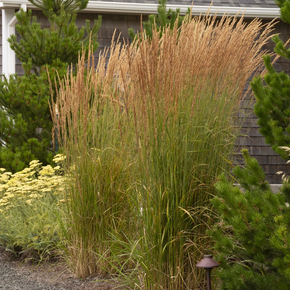
- Spectacular creamy white feathery plumes tower above dense, arching green foliage from late summer through fall, delivering bold, year-round landscape drama in a compact, garden-friendly size.
- A dwarf, more manageable form of classic pampas grass, growing 4-5 feet tall in foliage with plumes reaching up to 8 feet, making it ideal for smaller gardens, borders, and tight landscape spaces.
- Exceptionally tough and low maintenance - wind tolerant, drought tolerant once established, deer resistant, and adaptable to a wide range of soil types including clay, loam, and sandy soils.
- Plumes are outstanding for fresh and dried floral arrangements, and the gracefully arching foliage provides elegant four-season interest whether used as a specimen, screen, windbreak, or focal point.
Ivory Feathers Dwarf Pampas Grass (Cortaderia selloana 'Pumila', PP20,182) is a stunning ornamental grass that brings bold, architectural beauty to the landscape without the overwhelming scale of standard pampas grass. Forming a dense, symmetrical clump of narrow, arching green foliage that reaches 4 to 5 feet tall and 4 to 6 feet wide, this vigorous perennial grass erupts in late summer with dramatic, silvery-cream feathery plumes that tower 6 to 8 feet above the ground and persist well into winter. The showy plumes are prized not only in the garden but also as exceptional cut or dried flowers for arrangements. Hardy in USDA Zones 7 through 11, Ivory Feathers is a fast-establishing, low-maintenance landscape workhorse that tolerates drought, heat, wind, coastal conditions, and urban pollution with ease. Its compact habit makes it a top choice for mixed borders, privacy screens, windbreaks, xeriscape designs, poolside plantings, meadow gardens, and large containers on patios and courtyards. Whether planted as a bold single specimen or massed for a sweeping textural effect, Ivory Feathers Dwarf Pampas Grass delivers undeniable visual impact across every season.
Plant Description
Ivory Feathers Dwarf Pampas Grass is a herbaceous perennial ornamental grass forming a shapely, dense clump of narrow, sharp-edged, arching green foliage. The plant is celebrated for its showstopping, soft feathery plumes that emerge in late summer and persist through winter, transitioning from creamy white to warm tan as the season progresses. The gracefully arching stems and fine-textured foliage bring an elegant, delicate quality to the garden composition, making it a standout specimen throughout the entire year. This is a selected cultivar of the species Cortaderia selloana, bred specifically for a more compact and garden-friendly habit compared to the standard full-size pampas grass, which can reach 10 feet or more in height. It holds a plant patent (PP20,182) and is marketed under the registered trade name Ivory Feathers.
Mature Size
| Attribute | Measurement |
|---|---|
| Foliage Clump Height | 4 to 5 feet |
| Height with Plumes | 6 to 8 feet |
| Spread (Width) | 4 to 6 feet |
| Growth Rate | Fast to moderate |
| Growth Habit | Clumping, upright, arching, dense |
| Recommended Spacing | At least 36 inches from other plants or structures |
The foliage naturally remains dense all the way to the ground, so no filler plants are needed in front of the clump. When planting multiple specimens for screening or mass planting, space plants 4 to 6 feet apart to allow for full spread at maturity.
Hardiness Zones
Ivory Feathers Dwarf Pampas Grass is rated for USDA Hardiness Zones 7 through 11, with some sources suggesting tolerance as low as Zone 6b under favorable conditions. It thrives in the mild climates of Southern Oregon and Northern California, where it performs as a reliable evergreen to semi-evergreen perennial in warmer areas and may die back to the crown in colder winters before rebounding vigorously in spring. In borderline cold climates, providing a light mulch layer over the crown in late fall can improve winter survival. It excels in coastal and inland valley gardens alike, tolerating both the heat of inland summers and the salt air of coastal environments.
Sunlight Requirements
This grass performs best and produces the most abundant, upright plumes when grown in full sun, receiving at least 6 to 8 hours of direct sunlight per day. While it can tolerate some light shade during part of the day, reduced sun exposure typically results in fewer plumes, looser or more floppy growth, and diminished overall vigor. For the boldest floral display and the most compact, well-structured clump, site this plant in the sunniest available location in the garden.
Soil and pH Preferences
Ivory Feathers Dwarf Pampas Grass is remarkably adaptable when it comes to soil and is not particular about soil type or pH. It grows well in clay, loamy, and sandy soils, as long as drainage is adequate. Consistently waterlogged soils should be avoided, as prolonged saturation can lead to crown rot. It performs best in moist, well-drained soils but demonstrates excellent drought tolerance once established. Acceptable soil pH ranges from acidic (below 6.0) through neutral (6.5 to 7.5) to slightly alkaline (7.6 to 8.0), making it adaptable to the wide variety of soil conditions found throughout Southern Oregon and Northern California.
Watering Guide
Newly planted Ivory Feathers Dwarf Pampas Grass should be watered regularly to encourage deep root establishment during its first growing season. Water deeply once or twice per week during dry spells, allowing the soil to dry slightly between waterings. Once fully established - typically after the first full growing season - this grass is highly drought tolerant and generally survives on natural rainfall alone in most Pacific Coast climates, requiring only supplemental watering during extended dry periods. Avoid overwatering or allowing water to pool around the crown, particularly in winter, as this is the primary environmental cause of plant decline.
- First season: Water deeply 1-2 times per week in the absence of rain.
- Established plants: Water during prolonged drought; otherwise, natural rainfall is usually sufficient in coastal climates.
- Soil moisture preference: Low to moderate - do not keep consistently wet.
- Avoid: Standing water around the crown, especially in winter months.
Fertilizing
Ivory Feathers Dwarf Pampas Grass is not a heavy feeder and can thrive in average garden soils with minimal fertilization. For best performance, apply a balanced, slow-release granular fertilizer such as a 10-10-10 or an ornamental grass-specific formula once in early spring as new growth begins to emerge. Avoid applying high-nitrogen fertilizers, which can promote excessive leafy growth at the expense of plume production and may result in floppy stems. A second light feeding can be applied in early summer if the soil is notably poor. In fertile, well-amended soils, fertilization may be unnecessary altogether. Always water the fertilizer in thoroughly after application.
Pruning and Maintenance
Ivory Feathers Dwarf Pampas Grass requires very little ongoing maintenance but benefits greatly from an annual cutback. The best time to prune is in late winter to early spring, just before new growth begins to emerge from the base of the clump. Cut the entire clump back to within 6 to 12 inches of the ground using heavy-duty pruning shears, loppers, or a reciprocating saw for established clumps. This rejuvenating cutback removes the old, tan foliage and spent plume stalks and allows fresh, vibrant new growth to emerge cleanly for the new season.
- Prune annually in late winter or very early spring before new growth begins.
- Cut clumps back to 6-12 inches above the ground.
- Wear long sleeves, gloves, and eye protection - the leaf edges are sharp and can cause cuts.
- Do not cut back in fall or early winter, as the standing foliage provides cold protection to the crown and winter interest.
- Remove any dead or brown foliage from the clump edges during the growing season as needed.
- Take care not to disturb or damage the crown in late winter when emerging growth may not yet be visible.
Planting Instructions
- Select a planting site in full sun with well-drained soil. Avoid low spots where water collects.
- Dig a planting hole two to three times as wide as the root ball and equal in depth.
- Amend heavy clay soils with compost or grit to improve drainage, if needed. Sandy soils may benefit from the addition of organic matter to improve moisture retention.
- Remove the plant carefully from its container and gently loosen any circling roots.
- Set the plant in the hole so the top of the root ball sits level with or very slightly above the surrounding soil grade to prevent crown rot.
- Backfill with native soil and firm gently around the base to eliminate air pockets.
- Water thoroughly at planting to settle the soil.
- Apply a 2 to 3 inch layer of mulch around the plant, keeping mulch pulled back a few inches from the base of the crown to promote air circulation.
- Water regularly during the first growing season to establish a deep, extensive root system.
Seasonal Interest
Ivory Feathers Dwarf Pampas Grass offers exceptional multi-season interest, making it a true year-round landscape asset:
- Spring: Fresh, bright green foliage emerges vigorously from the crown after pruning, rapidly filling in to form a lush, dense clump.
- Summer: Rich green, arching foliage provides bold texture and form. Plume stalks begin to develop and emerge in late summer.
- Fall: The primary season of peak interest - large, showy, silvery-cream feathery plumes rise dramatically above the foliage, creating a stunning display. Plumes are also excellent for cutting.
- Winter: Tan plumes and dried foliage remain standing through winter, providing structure, movement in the breeze, and attractive winter garden interest before being cut back in late winter.
Landscape Uses
The compact, bold form of Ivory Feathers Dwarf Pampas Grass makes it one of the most versatile ornamental grasses available for a wide range of landscape applications:
- Bold specimen or focal point in mixed borders and foundation plantings
- Privacy screen or informal hedge along property lines
- Windbreak for exposed garden sites or coastal landscapes
- Mass planting for large-scale textural ground cover or erosion control on slopes and banks
- Naturalizing in meadow, prairie, or woodland edge gardens
- Poolside or water feature planting for a tropical or resort-style aesthetic
- Courtyard, patio, or entryway accent in large containers
- Xeriscape and drought-tolerant water-wise garden designs
- Coastal, Mediterranean, and contemporary garden themes
- Roadside, median strip, or parking lot plantings where low maintenance is essential
Companion Plants
Ivory Feathers Dwarf Pampas Grass pairs beautifully with plants that share its sun and drought-tolerance preferences. Consider combining it with the following for a cohesive and visually dynamic planting:
- Russian Sage (Perovskia atriplicifolia): Airy purple flower spikes contrast beautifully with the white plumes and similarly prefer full sun and excellent drainage.
- Blue Oat Grass (Helictotrichon sempervirens): Contrasting steel-blue foliage provides cool color contrast against the green clump and cream plumes.
- Agapanthus (Lily of the Nile): Strap-like foliage and bold blue or white flower heads make a striking summer companion in warm climates.
- Lavender (Lavandula spp.): Low-growing purple flower spikes and silvery foliage complement the upright height and texture of the grass.
- Kangaroo Paw (Anigozanthos spp.): Bold, exotic flower spikes in warm tones pair well for a Mediterranean or contemporary garden composition.
- Ornamental Alliums: Spherical purple flower heads in spring provide early-season interest before the pampas grass plumes emerge.
- Rockrose (Cistus spp.): Drought-tolerant shrubs with papery blooms that thrive alongside pampas grass in well-drained soils.
- Muhly Grass (Muhlenbergia capillaris): Wispy pink fall plumes echo the feathery texture of the pampas plumes for a layered, naturalistic look.
Cut and Dried Flower Use
The plumes of Ivory Feathers Dwarf Pampas Grass are among the most prized of all ornamental grass plumes for both fresh-cut and dried floral arrangements. For best results when harvesting:
- Cut plumes when they are freshly opened and still slightly feathery, before they fully expand and begin to shatter.
- Use sharp pruning shears or garden scissors and cut stalks as long as possible for maximum arrangement versatility.
- For fresh use, place cut plumes in a vase with water immediately after cutting.
- For drying, bundle a few stems loosely together and hang upside down in a warm, dry, well-ventilated space away from direct sunlight for 2 to 3 weeks.
- Lightly misting dried plumes with hairspray after drying can help prevent shattering and prolong their decorative life indoors.
Container Growing
Ivory Feathers Dwarf Pampas Grass can be grown successfully in large outdoor containers and makes a striking patio or courtyard specimen. Because of its height and bold form, it is best used as the dominant "thriller" element in large containers or planted alone as a statement piece. Use a large, sturdy container - at least 18 to 24 inches in diameter and depth - with excellent drainage holes. Fill with a high-quality, well-draining potting mix. Container-grown plants dry out more quickly than in-ground plants and will require more frequent watering, especially during hot summer months. Feed container plants with a balanced slow-release fertilizer at the start of the growing season. In the mildest parts of Zones 7-8, provide some cold protection for containers in winter, as roots in containers are more vulnerable to freezing than those insulated by the ground. Consider moving containers to a sheltered location or wrapping them in frost cloth during hard freezes.
Pests and Diseases
Ivory Feathers Dwarf Pampas Grass is generally very resistant to pests and diseases and is considered a low-risk plant in typical garden conditions. The following are the most common concerns to be aware of:
- Aphids: Occasionally may colonize tender new growth. A strong blast of water from a hose or an application of insecticidal soap is usually sufficient to control minor infestations.
- Scale insects: Rare but possible. Treat with horticultural oil applied when scale is in the crawler stage.
- Crown rot: The most serious concern, typically caused by consistently waterlogged soils or poor air circulation around the crown. Plant in well-drained soil and avoid overwatering to prevent this issue.
- Rust fungus: Occasional orange or brown powdery pustules on foliage in humid conditions. Improve air circulation and avoid overhead watering. Remove and dispose of affected foliage.
- Deer resistance: The sharp-edged foliage deters deer browsing, making this a good choice in areas with high deer pressure.
Wildlife Value
While Ivory Feathers Dwarf Pampas Grass is not a primary wildlife food source, it does provide meaningful ecological and habitat value in the garden:
- Bird shelter: The dense, arching clumps provide protective cover and nesting habitat for small birds seeking shelter from predators and harsh weather.
- Seed source: The plumes may occasionally produce small seeds that can serve as a food source for seed-eating birds such as finches and sparrows.
- Deer resistant: The sharp leaf margins deter deer, making it a reliable choice in wildlife-heavy landscapes.
- Insect habitat: The dense base of the clump can provide overwintering habitat for beneficial insects.
Note: While this cultivar is considered nearly sterile and is far less likely to self-seed than the straight species, it is wise to monitor for any volunteer seedlings in mild climates and remove them promptly if they appear.
- Spectacular creamy white feathery plumes tower above dense, arching green foliage from late summer through fall, delivering bold, year-round landscape drama in a compact, garden-friendly size.
- A dwarf, more manageable form of classic pampas grass, growing 4-5 feet tall in foliage with plumes reaching up to 8 feet, making it ideal for smaller gardens, borders, and tight landscape spaces.
- Exceptionally tough and low maintenance - wind tolerant, drought tolerant once established, deer resistant, and adaptable to a wide range of soil types including clay, loam, and sandy soils.
- Plumes are outstanding for fresh and dried floral arrangements, and the gracefully arching foliage provides elegant four-season interest whether used as a specimen, screen, windbreak, or focal point.
Ivory Feathers Dwarf Pampas Grass (Cortaderia selloana 'Pumila', PP20,182) is a stunning ornamental grass that brings bold, architectural beauty to the landscape without the overwhelming scale of standard pampas grass. Forming a dense, symmetrical clump of narrow, arching green foliage that reaches 4 to 5 feet tall and 4 to 6 feet wide, this vigorous perennial grass erupts in late summer with dramatic, silvery-cream feathery plumes that tower 6 to 8 feet above the ground and persist well into winter. The showy plumes are prized not only in the garden but also as exceptional cut or dried flowers for arrangements. Hardy in USDA Zones 7 through 11, Ivory Feathers is a fast-establishing, low-maintenance landscape workhorse that tolerates drought, heat, wind, coastal conditions, and urban pollution with ease. Its compact habit makes it a top choice for mixed borders, privacy screens, windbreaks, xeriscape designs, poolside plantings, meadow gardens, and large containers on patios and courtyards. Whether planted as a bold single specimen or massed for a sweeping textural effect, Ivory Feathers Dwarf Pampas Grass delivers undeniable visual impact across every season.
Plant Description
Ivory Feathers Dwarf Pampas Grass is a herbaceous perennial ornamental grass forming a shapely, dense clump of narrow, sharp-edged, arching green foliage. The plant is celebrated for its showstopping, soft feathery plumes that emerge in late summer and persist through winter, transitioning from creamy white to warm tan as the season progresses. The gracefully arching stems and fine-textured foliage bring an elegant, delicate quality to the garden composition, making it a standout specimen throughout the entire year. This is a selected cultivar of the species Cortaderia selloana, bred specifically for a more compact and garden-friendly habit compared to the standard full-size pampas grass, which can reach 10 feet or more in height. It holds a plant patent (PP20,182) and is marketed under the registered trade name Ivory Feathers.
Mature Size
| Attribute | Measurement |
|---|---|
| Foliage Clump Height | 4 to 5 feet |
| Height with Plumes | 6 to 8 feet |
| Spread (Width) | 4 to 6 feet |
| Growth Rate | Fast to moderate |
| Growth Habit | Clumping, upright, arching, dense |
| Recommended Spacing | At least 36 inches from other plants or structures |
The foliage naturally remains dense all the way to the ground, so no filler plants are needed in front of the clump. When planting multiple specimens for screening or mass planting, space plants 4 to 6 feet apart to allow for full spread at maturity.
Hardiness Zones
Ivory Feathers Dwarf Pampas Grass is rated for USDA Hardiness Zones 7 through 11, with some sources suggesting tolerance as low as Zone 6b under favorable conditions. It thrives in the mild climates of Southern Oregon and Northern California, where it performs as a reliable evergreen to semi-evergreen perennial in warmer areas and may die back to the crown in colder winters before rebounding vigorously in spring. In borderline cold climates, providing a light mulch layer over the crown in late fall can improve winter survival. It excels in coastal and inland valley gardens alike, tolerating both the heat of inland summers and the salt air of coastal environments.
Sunlight Requirements
This grass performs best and produces the most abundant, upright plumes when grown in full sun, receiving at least 6 to 8 hours of direct sunlight per day. While it can tolerate some light shade during part of the day, reduced sun exposure typically results in fewer plumes, looser or more floppy growth, and diminished overall vigor. For the boldest floral display and the most compact, well-structured clump, site this plant in the sunniest available location in the garden.
Soil and pH Preferences
Ivory Feathers Dwarf Pampas Grass is remarkably adaptable when it comes to soil and is not particular about soil type or pH. It grows well in clay, loamy, and sandy soils, as long as drainage is adequate. Consistently waterlogged soils should be avoided, as prolonged saturation can lead to crown rot. It performs best in moist, well-drained soils but demonstrates excellent drought tolerance once established. Acceptable soil pH ranges from acidic (below 6.0) through neutral (6.5 to 7.5) to slightly alkaline (7.6 to 8.0), making it adaptable to the wide variety of soil conditions found throughout Southern Oregon and Northern California.
Watering Guide
Newly planted Ivory Feathers Dwarf Pampas Grass should be watered regularly to encourage deep root establishment during its first growing season. Water deeply once or twice per week during dry spells, allowing the soil to dry slightly between waterings. Once fully established - typically after the first full growing season - this grass is highly drought tolerant and generally survives on natural rainfall alone in most Pacific Coast climates, requiring only supplemental watering during extended dry periods. Avoid overwatering or allowing water to pool around the crown, particularly in winter, as this is the primary environmental cause of plant decline.
- First season: Water deeply 1-2 times per week in the absence of rain.
- Established plants: Water during prolonged drought; otherwise, natural rainfall is usually sufficient in coastal climates.
- Soil moisture preference: Low to moderate - do not keep consistently wet.
- Avoid: Standing water around the crown, especially in winter months.
Fertilizing
Ivory Feathers Dwarf Pampas Grass is not a heavy feeder and can thrive in average garden soils with minimal fertilization. For best performance, apply a balanced, slow-release granular fertilizer such as a 10-10-10 or an ornamental grass-specific formula once in early spring as new growth begins to emerge. Avoid applying high-nitrogen fertilizers, which can promote excessive leafy growth at the expense of plume production and may result in floppy stems. A second light feeding can be applied in early summer if the soil is notably poor. In fertile, well-amended soils, fertilization may be unnecessary altogether. Always water the fertilizer in thoroughly after application.
Pruning and Maintenance
Ivory Feathers Dwarf Pampas Grass requires very little ongoing maintenance but benefits greatly from an annual cutback. The best time to prune is in late winter to early spring, just before new growth begins to emerge from the base of the clump. Cut the entire clump back to within 6 to 12 inches of the ground using heavy-duty pruning shears, loppers, or a reciprocating saw for established clumps. This rejuvenating cutback removes the old, tan foliage and spent plume stalks and allows fresh, vibrant new growth to emerge cleanly for the new season.
- Prune annually in late winter or very early spring before new growth begins.
- Cut clumps back to 6-12 inches above the ground.
- Wear long sleeves, gloves, and eye protection - the leaf edges are sharp and can cause cuts.
- Do not cut back in fall or early winter, as the standing foliage provides cold protection to the crown and winter interest.
- Remove any dead or brown foliage from the clump edges during the growing season as needed.
- Take care not to disturb or damage the crown in late winter when emerging growth may not yet be visible.
Planting Instructions
- Select a planting site in full sun with well-drained soil. Avoid low spots where water collects.
- Dig a planting hole two to three times as wide as the root ball and equal in depth.
- Amend heavy clay soils with compost or grit to improve drainage, if needed. Sandy soils may benefit from the addition of organic matter to improve moisture retention.
- Remove the plant carefully from its container and gently loosen any circling roots.
- Set the plant in the hole so the top of the root ball sits level with or very slightly above the surrounding soil grade to prevent crown rot.
- Backfill with native soil and firm gently around the base to eliminate air pockets.
- Water thoroughly at planting to settle the soil.
- Apply a 2 to 3 inch layer of mulch around the plant, keeping mulch pulled back a few inches from the base of the crown to promote air circulation.
- Water regularly during the first growing season to establish a deep, extensive root system.
Seasonal Interest
Ivory Feathers Dwarf Pampas Grass offers exceptional multi-season interest, making it a true year-round landscape asset:
- Spring: Fresh, bright green foliage emerges vigorously from the crown after pruning, rapidly filling in to form a lush, dense clump.
- Summer: Rich green, arching foliage provides bold texture and form. Plume stalks begin to develop and emerge in late summer.
- Fall: The primary season of peak interest - large, showy, silvery-cream feathery plumes rise dramatically above the foliage, creating a stunning display. Plumes are also excellent for cutting.
- Winter: Tan plumes and dried foliage remain standing through winter, providing structure, movement in the breeze, and attractive winter garden interest before being cut back in late winter.
Landscape Uses
The compact, bold form of Ivory Feathers Dwarf Pampas Grass makes it one of the most versatile ornamental grasses available for a wide range of landscape applications:
- Bold specimen or focal point in mixed borders and foundation plantings
- Privacy screen or informal hedge along property lines
- Windbreak for exposed garden sites or coastal landscapes
- Mass planting for large-scale textural ground cover or erosion control on slopes and banks
- Naturalizing in meadow, prairie, or woodland edge gardens
- Poolside or water feature planting for a tropical or resort-style aesthetic
- Courtyard, patio, or entryway accent in large containers
- Xeriscape and drought-tolerant water-wise garden designs
- Coastal, Mediterranean, and contemporary garden themes
- Roadside, median strip, or parking lot plantings where low maintenance is essential
Companion Plants
Ivory Feathers Dwarf Pampas Grass pairs beautifully with plants that share its sun and drought-tolerance preferences. Consider combining it with the following for a cohesive and visually dynamic planting:
- Russian Sage (Perovskia atriplicifolia): Airy purple flower spikes contrast beautifully with the white plumes and similarly prefer full sun and excellent drainage.
- Blue Oat Grass (Helictotrichon sempervirens): Contrasting steel-blue foliage provides cool color contrast against the green clump and cream plumes.
- Agapanthus (Lily of the Nile): Strap-like foliage and bold blue or white flower heads make a striking summer companion in warm climates.
- Lavender (Lavandula spp.): Low-growing purple flower spikes and silvery foliage complement the upright height and texture of the grass.
- Kangaroo Paw (Anigozanthos spp.): Bold, exotic flower spikes in warm tones pair well for a Mediterranean or contemporary garden composition.
- Ornamental Alliums: Spherical purple flower heads in spring provide early-season interest before the pampas grass plumes emerge.
- Rockrose (Cistus spp.): Drought-tolerant shrubs with papery blooms that thrive alongside pampas grass in well-drained soils.
- Muhly Grass (Muhlenbergia capillaris): Wispy pink fall plumes echo the feathery texture of the pampas plumes for a layered, naturalistic look.
Cut and Dried Flower Use
The plumes of Ivory Feathers Dwarf Pampas Grass are among the most prized of all ornamental grass plumes for both fresh-cut and dried floral arrangements. For best results when harvesting:
- Cut plumes when they are freshly opened and still slightly feathery, before they fully expand and begin to shatter.
- Use sharp pruning shears or garden scissors and cut stalks as long as possible for maximum arrangement versatility.
- For fresh use, place cut plumes in a vase with water immediately after cutting.
- For drying, bundle a few stems loosely together and hang upside down in a warm, dry, well-ventilated space away from direct sunlight for 2 to 3 weeks.
- Lightly misting dried plumes with hairspray after drying can help prevent shattering and prolong their decorative life indoors.
Container Growing
Ivory Feathers Dwarf Pampas Grass can be grown successfully in large outdoor containers and makes a striking patio or courtyard specimen. Because of its height and bold form, it is best used as the dominant "thriller" element in large containers or planted alone as a statement piece. Use a large, sturdy container - at least 18 to 24 inches in diameter and depth - with excellent drainage holes. Fill with a high-quality, well-draining potting mix. Container-grown plants dry out more quickly than in-ground plants and will require more frequent watering, especially during hot summer months. Feed container plants with a balanced slow-release fertilizer at the start of the growing season. In the mildest parts of Zones 7-8, provide some cold protection for containers in winter, as roots in containers are more vulnerable to freezing than those insulated by the ground. Consider moving containers to a sheltered location or wrapping them in frost cloth during hard freezes.
Pests and Diseases
Ivory Feathers Dwarf Pampas Grass is generally very resistant to pests and diseases and is considered a low-risk plant in typical garden conditions. The following are the most common concerns to be aware of:
- Aphids: Occasionally may colonize tender new growth. A strong blast of water from a hose or an application of insecticidal soap is usually sufficient to control minor infestations.
- Scale insects: Rare but possible. Treat with horticultural oil applied when scale is in the crawler stage.
- Crown rot: The most serious concern, typically caused by consistently waterlogged soils or poor air circulation around the crown. Plant in well-drained soil and avoid overwatering to prevent this issue.
- Rust fungus: Occasional orange or brown powdery pustules on foliage in humid conditions. Improve air circulation and avoid overhead watering. Remove and dispose of affected foliage.
- Deer resistance: The sharp-edged foliage deters deer browsing, making this a good choice in areas with high deer pressure.
Wildlife Value
While Ivory Feathers Dwarf Pampas Grass is not a primary wildlife food source, it does provide meaningful ecological and habitat value in the garden:
- Bird shelter: The dense, arching clumps provide protective cover and nesting habitat for small birds seeking shelter from predators and harsh weather.
- Seed source: The plumes may occasionally produce small seeds that can serve as a food source for seed-eating birds such as finches and sparrows.
- Deer resistant: The sharp leaf margins deter deer, making it a reliable choice in wildlife-heavy landscapes.
- Insect habitat: The dense base of the clump can provide overwintering habitat for beneficial insects.
Note: While this cultivar is considered nearly sterile and is far less likely to self-seed than the straight species, it is wise to monitor for any volunteer seedlings in mild climates and remove them promptly if they appear.