Zoom the image with the mouse
Evolution Colorific Coneflower - 1 Gallon
SKU:
2098885
UPC:
014949442227
$13.99
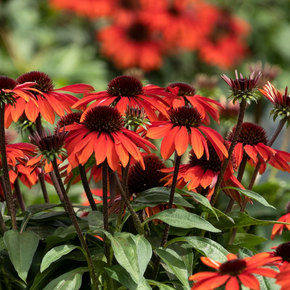
- Enchanting, vivid-green central cones accent dense, multi-toned pink petals that shift from red-orange to soft purple-red as blooms age — a living color show that lasts from late spring through fall.
- Compact, sturdy, upright habit reaches just 18-20 inches tall, making it a well-behaved, non-floppy choice for beds, borders, and container displays alike.
- A powerful pollinator magnet that draws bees, butterflies, and goldfinches — birds eagerly harvest the spiny seed cones well into winter for season-long wildlife value.
- Exceptionally tough and low-maintenance once established — drought tolerant, deer resistant, and hardy down to -30°F (USDA Zones 4-7), thriving in Southern Oregon and Northern California gardens.
Evolution Colorific Coneflower (Echinacea 'Balevoeen', PP# 30,998) is a standout patent-protected perennial that reimagines the classic coneflower with a fascinating twist: every bloom features a vivid, leafy-green central cone surrounded by densely layered petals that open in warm red-orange tones and mature through cheerful pink to rich purple-red, creating a dynamic, ever-changing color palette from a single plant. Part of the highly regarded Evolution series, this compact, clump-forming herbaceous perennial grows to just 18-20 inches tall and 16-18 inches wide on strong, upright, hairy stems that resist flopping even after summer rains. Lush, dark-green, lance-shaped foliage provides a handsome backdrop from late spring all the way through autumn frost, and the fast growth rate means this plant fills in beautifully within its first season. Like all Echinacea, Evolution Colorific is a member of the Asteraceae family and brings the legendary toughness of native North American coneflowers — exceptional drought and heat tolerance once established, deer resistance, and a broad hardiness range covering USDA Zones 4 through 7 — paired with the eye-catching novelty of a lime-green cone that sets it apart from every other perennial in the landscape. Whether mass-planted in sunny perennial borders, tucked into cottage-style mixed beds, or showcased in a patio container, its non-stop bloom production and wildlife-friendly seed heads make it one of the most rewarding and versatile perennials available for home gardeners.
Plant Description
Evolution Colorific Coneflower is a compact, deciduous, clump-forming herbaceous perennial belonging to the Asteraceae (daisy) family. Its most distinctive feature is the vivid green central cone — as bright and lush as the foliage itself — which sits at the heart of each daisy-like bloom. The petals (ray florets) surrounding the cone open in warm red-orange hues and transition through shades of pink before settling into a rich purple-red as they age, meaning a single plant simultaneously displays multiple complementary colors at any given time. Stems are upright and hairy, characteristic of the Echinacea genus, and the dark-green basal leaves are broad and lance-shaped, measuring approximately 4-8 inches in length, becoming narrower and smaller toward the tops of the stems. The overall effect is a lush, full mound of continuous color that sets Evolution Colorific apart from traditional coneflowers and virtually every other perennial in the summer landscape.
Mature Size
| Attribute | Measurement |
|---|---|
| Mature Height | 18-20 inches |
| Mature Width | 16-18 inches |
| Growth Rate | Fast |
| Time to Mature Size | 2-5 years to full clump |
| Plant Habit | Upright, clump-forming |
| Foliage Type | Deciduous (dies back in winter) |
Hardiness and Climate
Evolution Colorific Coneflower is rated hardy to -30°F, placing it comfortably in USDA Hardiness Zones 4 through 7. This makes it an excellent long-lived perennial for gardens throughout Southern Oregon and Northern California, where it will return reliably each spring from its deep root system. It thrives in the hot, dry summers of the region as well as in areas with cold winters, though like other Echinacea hybrids, it performs best in well-drained soils — standing water or poorly drained clay during winter dormancy is the primary cause of loss in borderline climates. In areas with very mild winters, a light layer of mulch applied after the first hard frost helps insulate the root crown. The plant tolerates exposed and sheltered positions, making it versatile across a range of microclimates.
Sunlight Requirements
Evolution Colorific performs best in full sun, requiring a minimum of 6-8 hours of direct sunlight per day for optimal bloom production and compact, upright growth. In Southern Oregon and Northern California, a site with full morning sun and only light afternoon shade is ideal, as intense afternoon heat can stress the blooms during the hottest weeks of summer. Avoid locations where neighboring plants or structures will shade the plant as it matures, since reduced light directly diminishes both flower quantity and stem strength. East-facing, south-facing, or west-facing aspects all work well. While the plant can tolerate partial shade, it will produce fewer flowers, develop weaker stems, and be more susceptible to foliar diseases such as powdery mildew when sunlight is insufficient.
Soil and pH Preferences
Evolution Colorific Coneflower thrives in fertile, humus-rich, well-drained soil. It adapts to a wide range of soil types — including loam, chalk, and sandy soils — and tolerates a broad pH range from slightly acidic to neutral to slightly alkaline. For best results in heavy clay soils common to parts of Southern Oregon and Northern California, amend the planting area with generous amounts of compost or aged organic matter to improve drainage and aeration before planting. Good drainage is non-negotiable; this plant will not tolerate consistently wet or waterlogged conditions, especially during its winter dormancy period, as prolonged saturation promotes root and crown rot. A slightly acidic to neutral pH (roughly 6.0-7.0) is ideal, though the plant shows good tolerance outside this range. Avoid highly compacted or saline soils.
Watering Guide
Newly planted Evolution Colorific Coneflowers require consistent moisture to help establish a strong root system. Water deeply at the soil level immediately after planting and continue to water regularly throughout the first growing season, checking soil moisture every few days and watering when the top 1-2 inches feel dry. Once established — typically after one full growing season — this coneflower becomes highly drought tolerant and requires only moderate watering. During prolonged summer dry spells, deep, infrequent watering (once every 7-10 days) is preferable to frequent, shallow watering, as it encourages deeper root growth. Always water at the base of the plant rather than overhead, as wet foliage promotes powdery mildew and other fungal diseases. Apply a 2-3 inch layer of organic mulch around (but not touching) the base of the plant to help retain soil moisture, moderate soil temperature, and reduce weed pressure.
Fertilizing
Evolution Colorific Coneflower is not a heavy feeder and generally thrives without regular fertilization when planted in reasonably fertile soil. Excessive fertilizing, particularly with high-nitrogen products, can produce overly lush, floppy foliage at the expense of flower production. For in-ground plantings, a single application of a balanced slow-release granular fertilizer (such as a 12-6-6 formula) applied at the rate of approximately 1 pound per 100 square feet in late March or early April — just as new growth begins to emerge — is sufficient for the season. Alternatively, top-dressing with a 1-2 inch layer of compost in early spring provides gentle, steady nutrition throughout the growing season. For container-grown plants, a dilute balanced water-soluble fertilizer (10-10-10) applied every 2-3 weeks during the active growing season helps sustain bloom production. Avoid fertilizing after late summer, as this can stimulate tender new growth that is vulnerable to early frosts.
Pruning and Deadheading
Regular deadheading of Evolution Colorific Coneflower is the single most effective way to extend its remarkable bloom season from late spring all the way through fall. To deadhead, use sharp, clean pruning shears to cut each spent flower stem back to just above the nearest set of healthy leaves or an emerging lateral bud — do not simply snap off the flower head, as the stems are too thick and tearing can damage the plant. This diverts the plant's energy from seed production into generating new flower buds. If you prefer to cut back stems by about halfway rather than all the way to the leaves, the plant will develop a more compact habit the following season. At the end of the season, you have two options: cut all stems back to ground level in late fall after the first hard frost for a tidy garden, or leave the spiny seed heads standing through winter to provide food for goldfinches and other seed-eating birds before cutting back to the ground in early spring. Divide established clumps every 3-4 years in spring or fall to prevent overcrowding, rejuvenate vigor, and produce additional plants — though take care, as Echinacea roots resent excessive disturbance.
Planting Instructions
- Select a site in full sun with well-drained soil. Loosen the soil to a depth of 12-15 inches.
- Amend with compost or aged organic matter if the soil is heavy clay or very sandy, working it thoroughly into the planting area.
- Dig a planting hole approximately twice the width of the root ball and equal to its depth.
- Remove the plant from its container and gently loosen any circling roots before placing it in the hole. Set the plant so the top of the root ball sits level with, or very slightly above, the surrounding soil surface — never plant lower than the original soil line.
- Backfill with the amended native soil, firming it gently around the roots to eliminate air pockets.
- Water thoroughly and deeply immediately after planting.
- Apply a 2-3 inch layer of organic mulch (shredded bark, wood chips, or straw) around the plant, keeping mulch at least 2 inches away from the base of the stems to prevent crown rot.
- Space multiple plants 16-18 inches apart (center to center) to allow for mature spread and good air circulation.
- Spring and fall are the ideal planting times; if planting in summer, provide supplemental water more frequently until the plant is established.
Seasonal Interest
Evolution Colorific Coneflower delivers an impressive, extended season of garden interest across most of the year. In spring, fresh clumps of dark-green, textural foliage emerge from the ground, building steadily into a full, lush mound. Flowering begins in late spring — notably earlier than many traditional Echinacea — and the spectacular multi-toned bloom display continues non-stop through summer and well into fall, making this one of the longest-blooming perennials available. The color-shifting flowers — opening red-orange, maturing to pink, and aging to purple-red around that signature vivid green cone — ensure the plant looks fresh and interesting throughout the entire bloom season. As temperatures cool in autumn, the foliage dies back and the spiny seed cones persist as architectural winter interest, catching frost and providing a food source for visiting goldfinches and other birds. The dried seed heads add quiet texture to the winter garden until cut back in late winter or early spring.
Landscape Uses
The compact size and long bloom season of Evolution Colorific Coneflower make it one of the most versatile perennials for a wide variety of landscape applications. Its ideal uses include:
- Perennial borders and beds: Works beautifully as a mid-border plant, adding season-long color between taller background plants and low-growing edgers.
- Mass plantings: Stunning when planted in drifts of three, five, or more plants — the color-shifting blooms create a painterly effect in large groupings.
- Cottage and informal gardens: Its cheerful, naturalistic flower form fits perfectly in relaxed, mixed-style gardens.
- Patio and container plantings: The compact habit makes it well-suited to large pots and mixed patio containers for close-up enjoyment of the unique green cones.
- Cutting gardens: Stems hold well in fresh-cut arrangements; cut when petals are just fully expanded for a vase life of 5-7 days.
- Prairie and meadow plantings: Pairs naturally with ornamental grasses and other native-style perennials in low-maintenance, naturalistic designs.
- Wildlife and pollinator gardens: An outstanding choice for dedicated pollinator gardens, attracting bees, butterflies, and goldfinches throughout the season.
- Water-wise and drought-tolerant gardens: Once established, thrives with minimal supplemental irrigation, making it ideal for water-conscious landscapes in Southern Oregon and Northern California.
Companion Plants
Evolution Colorific Coneflower pairs beautifully with many perennials, ornamental grasses, and annuals that share its preference for full sun, well-drained soil, and moderate water. Consider these proven companions for cohesive, season-long displays:
- Black-Eyed Susan (Rudbeckia hirta): Golden yellow blooms harmonize with the pink and coral tones of Evolution Colorific and extend the warm-color theme from summer through fall.
- Salvia (Salvia spp.): Upright spikes of blue, purple, or red provide vivid contrast to the daisy-form flowers and attract hummingbirds alongside the butterflies drawn to the coneflowers.
- Catmint (Nepeta spp.): Cool blue-lavender flower spikes and silvery foliage provide a stunning color complement to the warm pinks of the coneflower while helping deter aphids.
- Lavender (Lavandula spp.): Shares identical sun and drainage preferences; fragrant purple spikes contrast beautifully with the bold coneflower blooms.
- Ornamental Fountain Grass (Pennisetum spp.): Soft, feathery texture and graceful arching form create a pleasing foil to the upright, bold-textured coneflower.
- Blazing Star / Liatris (Liatris spicata): Tall, bottlebrush-like purple spikes provide vertical contrast and bloom in the same mid-to-late summer window.
- Sedum / Stonecrop (Sedum spp.): Tough, drought-tolerant sedums extend the season with late summer and fall color and share the same low-water requirements once established.
- Yarrow (Achillea spp.): Flat-topped flower clusters in yellow, white, or pink complement the round forms of the coneflower and bloom simultaneously in summer.
- Coreopsis / Tickseed (Coreopsis spp.): Cheerful yellow or pink daisy-like flowers echo the form of the coneflower while adding a lighter, airy texture to the planting.
Wildlife Value
Evolution Colorific Coneflower is an exceptional plant for supporting local wildlife throughout multiple seasons. During the bloom period from late spring through fall, the nectar-rich flowers are a reliable magnet for a wide diversity of pollinators, including honeybees, native bumblebees, sweat bees, monarch butterflies, swallowtails, skippers, and many other beneficial insects. The flowers also attract beneficial predatory wasps and soldier beetles, which feed on harmful insect larvae and eggs in the garden. As blooms fade and the spiny central cones mature into seed heads in fall and winter, they become a critical food source for seed-eating songbirds — goldfinches in particular will perch directly on the dried cones for extended periods, methodically extracting seeds. Leaving the seed heads standing through the winter months maximizes this wildlife benefit. The plant's deer resistance means it can thrive even in gardens where deer browse pressure is high, making it a reliable choice for natural-edge and semi-rural properties throughout Southern Oregon and Northern California.
Pests and Diseases
Evolution Colorific Coneflower is considered generally pest-resistant and disease-resistant, one of the reasons it is such a popular low-maintenance perennial. However, gardeners should be aware of the following potential issues:
- Powdery Mildew: The most common fungal issue, appearing as a white, powdery coating on foliage — typically caused by overcrowding or poor air circulation. Prevent it by spacing plants adequately (16-18 inches apart) and avoiding overhead watering. Remove affected foliage promptly if it appears.
- Eriophyid Mites: Microscopic mites that live inside flower buds and cause distorted, stunted, or tufted flower parts. If affected, cut the plant back to the ground in fall and destroy all plant debris — do not compost it.
- Aster Yellows: A phytoplasma disease transmitted by leafhoppers that causes greening of petals, witches'-broom distortion of flower heads, stunting, and eventual plant death. Infected plants must be removed and destroyed immediately to prevent spread. There is no cure.
- Aphids: Occasional infestations can be controlled with insecticidal soap spray applied 2-3 times at 5-7 day intervals. Avoid broad-spectrum insecticides that kill beneficial insects.
- Japanese Beetles: Occasional leaf damage may occur if beetles are present nearby; hand-pick adults in early morning when beetles are sluggish.
- Rabbits: Can chew foliage down to ground level; hot pepper wax sprays applied to leaves can deter feeding.
- Crown and Root Rot: Caused by poorly drained or consistently wet soils, especially during winter dormancy. Plant in well-drained soil and avoid overwatering to prevent this issue entirely.
Container Growing
Evolution Colorific is well-suited to container cultivation thanks to its compact, well-branched habit and strong visual appeal when viewed up close. For successful container growing, follow these guidelines:
- Choose a container that is at least 12-16 inches deep and 12-16 inches wide with drainage holes — coneflowers develop a taproot that requires depth. A 2-3 gallon or larger container is ideal.
- Use a high-quality, well-draining potting mix. Adding a handful of perlite to the mix improves aeration and drainage.
- Place the container in a location that receives at least 6 hours of direct sunlight daily. Morning sun with some afternoon protection from intense heat is ideal in the hottest summer months.
- Water when the top inch of the potting mix feels dry, watering deeply until water drains freely from the holes. Containers dry out more quickly than in-ground plantings and will require more frequent attention during hot, dry weather.
- Fertilize with a dilute, balanced water-soluble fertilizer (10-10-10) every 2-3 weeks throughout the active growing season to compensate for nutrients lost through frequent watering.
- Deadhead regularly to maintain continuous blooming and a tidy appearance.
- To overwinter a containerized plant, cut stems back to soil level in fall and move the container to a cool (40-50°F), low-light location such as an unheated garage. Water lightly every few weeks to keep roots from desiccating. Return to full sun and warmth as new growth emerges in spring.
- Divide and repot every 3-4 years in spring after new growth begins.
- Enchanting, vivid-green central cones accent dense, multi-toned pink petals that shift from red-orange to soft purple-red as blooms age — a living color show that lasts from late spring through fall.
- Compact, sturdy, upright habit reaches just 18-20 inches tall, making it a well-behaved, non-floppy choice for beds, borders, and container displays alike.
- A powerful pollinator magnet that draws bees, butterflies, and goldfinches — birds eagerly harvest the spiny seed cones well into winter for season-long wildlife value.
- Exceptionally tough and low-maintenance once established — drought tolerant, deer resistant, and hardy down to -30°F (USDA Zones 4-7), thriving in Southern Oregon and Northern California gardens.
Evolution Colorific Coneflower (Echinacea 'Balevoeen', PP# 30,998) is a standout patent-protected perennial that reimagines the classic coneflower with a fascinating twist: every bloom features a vivid, leafy-green central cone surrounded by densely layered petals that open in warm red-orange tones and mature through cheerful pink to rich purple-red, creating a dynamic, ever-changing color palette from a single plant. Part of the highly regarded Evolution series, this compact, clump-forming herbaceous perennial grows to just 18-20 inches tall and 16-18 inches wide on strong, upright, hairy stems that resist flopping even after summer rains. Lush, dark-green, lance-shaped foliage provides a handsome backdrop from late spring all the way through autumn frost, and the fast growth rate means this plant fills in beautifully within its first season. Like all Echinacea, Evolution Colorific is a member of the Asteraceae family and brings the legendary toughness of native North American coneflowers — exceptional drought and heat tolerance once established, deer resistance, and a broad hardiness range covering USDA Zones 4 through 7 — paired with the eye-catching novelty of a lime-green cone that sets it apart from every other perennial in the landscape. Whether mass-planted in sunny perennial borders, tucked into cottage-style mixed beds, or showcased in a patio container, its non-stop bloom production and wildlife-friendly seed heads make it one of the most rewarding and versatile perennials available for home gardeners.
Plant Description
Evolution Colorific Coneflower is a compact, deciduous, clump-forming herbaceous perennial belonging to the Asteraceae (daisy) family. Its most distinctive feature is the vivid green central cone — as bright and lush as the foliage itself — which sits at the heart of each daisy-like bloom. The petals (ray florets) surrounding the cone open in warm red-orange hues and transition through shades of pink before settling into a rich purple-red as they age, meaning a single plant simultaneously displays multiple complementary colors at any given time. Stems are upright and hairy, characteristic of the Echinacea genus, and the dark-green basal leaves are broad and lance-shaped, measuring approximately 4-8 inches in length, becoming narrower and smaller toward the tops of the stems. The overall effect is a lush, full mound of continuous color that sets Evolution Colorific apart from traditional coneflowers and virtually every other perennial in the summer landscape.
Mature Size
| Attribute | Measurement |
|---|---|
| Mature Height | 18-20 inches |
| Mature Width | 16-18 inches |
| Growth Rate | Fast |
| Time to Mature Size | 2-5 years to full clump |
| Plant Habit | Upright, clump-forming |
| Foliage Type | Deciduous (dies back in winter) |
Hardiness and Climate
Evolution Colorific Coneflower is rated hardy to -30°F, placing it comfortably in USDA Hardiness Zones 4 through 7. This makes it an excellent long-lived perennial for gardens throughout Southern Oregon and Northern California, where it will return reliably each spring from its deep root system. It thrives in the hot, dry summers of the region as well as in areas with cold winters, though like other Echinacea hybrids, it performs best in well-drained soils — standing water or poorly drained clay during winter dormancy is the primary cause of loss in borderline climates. In areas with very mild winters, a light layer of mulch applied after the first hard frost helps insulate the root crown. The plant tolerates exposed and sheltered positions, making it versatile across a range of microclimates.
Sunlight Requirements
Evolution Colorific performs best in full sun, requiring a minimum of 6-8 hours of direct sunlight per day for optimal bloom production and compact, upright growth. In Southern Oregon and Northern California, a site with full morning sun and only light afternoon shade is ideal, as intense afternoon heat can stress the blooms during the hottest weeks of summer. Avoid locations where neighboring plants or structures will shade the plant as it matures, since reduced light directly diminishes both flower quantity and stem strength. East-facing, south-facing, or west-facing aspects all work well. While the plant can tolerate partial shade, it will produce fewer flowers, develop weaker stems, and be more susceptible to foliar diseases such as powdery mildew when sunlight is insufficient.
Soil and pH Preferences
Evolution Colorific Coneflower thrives in fertile, humus-rich, well-drained soil. It adapts to a wide range of soil types — including loam, chalk, and sandy soils — and tolerates a broad pH range from slightly acidic to neutral to slightly alkaline. For best results in heavy clay soils common to parts of Southern Oregon and Northern California, amend the planting area with generous amounts of compost or aged organic matter to improve drainage and aeration before planting. Good drainage is non-negotiable; this plant will not tolerate consistently wet or waterlogged conditions, especially during its winter dormancy period, as prolonged saturation promotes root and crown rot. A slightly acidic to neutral pH (roughly 6.0-7.0) is ideal, though the plant shows good tolerance outside this range. Avoid highly compacted or saline soils.
Watering Guide
Newly planted Evolution Colorific Coneflowers require consistent moisture to help establish a strong root system. Water deeply at the soil level immediately after planting and continue to water regularly throughout the first growing season, checking soil moisture every few days and watering when the top 1-2 inches feel dry. Once established — typically after one full growing season — this coneflower becomes highly drought tolerant and requires only moderate watering. During prolonged summer dry spells, deep, infrequent watering (once every 7-10 days) is preferable to frequent, shallow watering, as it encourages deeper root growth. Always water at the base of the plant rather than overhead, as wet foliage promotes powdery mildew and other fungal diseases. Apply a 2-3 inch layer of organic mulch around (but not touching) the base of the plant to help retain soil moisture, moderate soil temperature, and reduce weed pressure.
Fertilizing
Evolution Colorific Coneflower is not a heavy feeder and generally thrives without regular fertilization when planted in reasonably fertile soil. Excessive fertilizing, particularly with high-nitrogen products, can produce overly lush, floppy foliage at the expense of flower production. For in-ground plantings, a single application of a balanced slow-release granular fertilizer (such as a 12-6-6 formula) applied at the rate of approximately 1 pound per 100 square feet in late March or early April — just as new growth begins to emerge — is sufficient for the season. Alternatively, top-dressing with a 1-2 inch layer of compost in early spring provides gentle, steady nutrition throughout the growing season. For container-grown plants, a dilute balanced water-soluble fertilizer (10-10-10) applied every 2-3 weeks during the active growing season helps sustain bloom production. Avoid fertilizing after late summer, as this can stimulate tender new growth that is vulnerable to early frosts.
Pruning and Deadheading
Regular deadheading of Evolution Colorific Coneflower is the single most effective way to extend its remarkable bloom season from late spring all the way through fall. To deadhead, use sharp, clean pruning shears to cut each spent flower stem back to just above the nearest set of healthy leaves or an emerging lateral bud — do not simply snap off the flower head, as the stems are too thick and tearing can damage the plant. This diverts the plant's energy from seed production into generating new flower buds. If you prefer to cut back stems by about halfway rather than all the way to the leaves, the plant will develop a more compact habit the following season. At the end of the season, you have two options: cut all stems back to ground level in late fall after the first hard frost for a tidy garden, or leave the spiny seed heads standing through winter to provide food for goldfinches and other seed-eating birds before cutting back to the ground in early spring. Divide established clumps every 3-4 years in spring or fall to prevent overcrowding, rejuvenate vigor, and produce additional plants — though take care, as Echinacea roots resent excessive disturbance.
Planting Instructions
- Select a site in full sun with well-drained soil. Loosen the soil to a depth of 12-15 inches.
- Amend with compost or aged organic matter if the soil is heavy clay or very sandy, working it thoroughly into the planting area.
- Dig a planting hole approximately twice the width of the root ball and equal to its depth.
- Remove the plant from its container and gently loosen any circling roots before placing it in the hole. Set the plant so the top of the root ball sits level with, or very slightly above, the surrounding soil surface — never plant lower than the original soil line.
- Backfill with the amended native soil, firming it gently around the roots to eliminate air pockets.
- Water thoroughly and deeply immediately after planting.
- Apply a 2-3 inch layer of organic mulch (shredded bark, wood chips, or straw) around the plant, keeping mulch at least 2 inches away from the base of the stems to prevent crown rot.
- Space multiple plants 16-18 inches apart (center to center) to allow for mature spread and good air circulation.
- Spring and fall are the ideal planting times; if planting in summer, provide supplemental water more frequently until the plant is established.
Seasonal Interest
Evolution Colorific Coneflower delivers an impressive, extended season of garden interest across most of the year. In spring, fresh clumps of dark-green, textural foliage emerge from the ground, building steadily into a full, lush mound. Flowering begins in late spring — notably earlier than many traditional Echinacea — and the spectacular multi-toned bloom display continues non-stop through summer and well into fall, making this one of the longest-blooming perennials available. The color-shifting flowers — opening red-orange, maturing to pink, and aging to purple-red around that signature vivid green cone — ensure the plant looks fresh and interesting throughout the entire bloom season. As temperatures cool in autumn, the foliage dies back and the spiny seed cones persist as architectural winter interest, catching frost and providing a food source for visiting goldfinches and other birds. The dried seed heads add quiet texture to the winter garden until cut back in late winter or early spring.
Landscape Uses
The compact size and long bloom season of Evolution Colorific Coneflower make it one of the most versatile perennials for a wide variety of landscape applications. Its ideal uses include:
- Perennial borders and beds: Works beautifully as a mid-border plant, adding season-long color between taller background plants and low-growing edgers.
- Mass plantings: Stunning when planted in drifts of three, five, or more plants — the color-shifting blooms create a painterly effect in large groupings.
- Cottage and informal gardens: Its cheerful, naturalistic flower form fits perfectly in relaxed, mixed-style gardens.
- Patio and container plantings: The compact habit makes it well-suited to large pots and mixed patio containers for close-up enjoyment of the unique green cones.
- Cutting gardens: Stems hold well in fresh-cut arrangements; cut when petals are just fully expanded for a vase life of 5-7 days.
- Prairie and meadow plantings: Pairs naturally with ornamental grasses and other native-style perennials in low-maintenance, naturalistic designs.
- Wildlife and pollinator gardens: An outstanding choice for dedicated pollinator gardens, attracting bees, butterflies, and goldfinches throughout the season.
- Water-wise and drought-tolerant gardens: Once established, thrives with minimal supplemental irrigation, making it ideal for water-conscious landscapes in Southern Oregon and Northern California.
Companion Plants
Evolution Colorific Coneflower pairs beautifully with many perennials, ornamental grasses, and annuals that share its preference for full sun, well-drained soil, and moderate water. Consider these proven companions for cohesive, season-long displays:
- Black-Eyed Susan (Rudbeckia hirta): Golden yellow blooms harmonize with the pink and coral tones of Evolution Colorific and extend the warm-color theme from summer through fall.
- Salvia (Salvia spp.): Upright spikes of blue, purple, or red provide vivid contrast to the daisy-form flowers and attract hummingbirds alongside the butterflies drawn to the coneflowers.
- Catmint (Nepeta spp.): Cool blue-lavender flower spikes and silvery foliage provide a stunning color complement to the warm pinks of the coneflower while helping deter aphids.
- Lavender (Lavandula spp.): Shares identical sun and drainage preferences; fragrant purple spikes contrast beautifully with the bold coneflower blooms.
- Ornamental Fountain Grass (Pennisetum spp.): Soft, feathery texture and graceful arching form create a pleasing foil to the upright, bold-textured coneflower.
- Blazing Star / Liatris (Liatris spicata): Tall, bottlebrush-like purple spikes provide vertical contrast and bloom in the same mid-to-late summer window.
- Sedum / Stonecrop (Sedum spp.): Tough, drought-tolerant sedums extend the season with late summer and fall color and share the same low-water requirements once established.
- Yarrow (Achillea spp.): Flat-topped flower clusters in yellow, white, or pink complement the round forms of the coneflower and bloom simultaneously in summer.
- Coreopsis / Tickseed (Coreopsis spp.): Cheerful yellow or pink daisy-like flowers echo the form of the coneflower while adding a lighter, airy texture to the planting.
Wildlife Value
Evolution Colorific Coneflower is an exceptional plant for supporting local wildlife throughout multiple seasons. During the bloom period from late spring through fall, the nectar-rich flowers are a reliable magnet for a wide diversity of pollinators, including honeybees, native bumblebees, sweat bees, monarch butterflies, swallowtails, skippers, and many other beneficial insects. The flowers also attract beneficial predatory wasps and soldier beetles, which feed on harmful insect larvae and eggs in the garden. As blooms fade and the spiny central cones mature into seed heads in fall and winter, they become a critical food source for seed-eating songbirds — goldfinches in particular will perch directly on the dried cones for extended periods, methodically extracting seeds. Leaving the seed heads standing through the winter months maximizes this wildlife benefit. The plant's deer resistance means it can thrive even in gardens where deer browse pressure is high, making it a reliable choice for natural-edge and semi-rural properties throughout Southern Oregon and Northern California.
Pests and Diseases
Evolution Colorific Coneflower is considered generally pest-resistant and disease-resistant, one of the reasons it is such a popular low-maintenance perennial. However, gardeners should be aware of the following potential issues:
- Powdery Mildew: The most common fungal issue, appearing as a white, powdery coating on foliage — typically caused by overcrowding or poor air circulation. Prevent it by spacing plants adequately (16-18 inches apart) and avoiding overhead watering. Remove affected foliage promptly if it appears.
- Eriophyid Mites: Microscopic mites that live inside flower buds and cause distorted, stunted, or tufted flower parts. If affected, cut the plant back to the ground in fall and destroy all plant debris — do not compost it.
- Aster Yellows: A phytoplasma disease transmitted by leafhoppers that causes greening of petals, witches'-broom distortion of flower heads, stunting, and eventual plant death. Infected plants must be removed and destroyed immediately to prevent spread. There is no cure.
- Aphids: Occasional infestations can be controlled with insecticidal soap spray applied 2-3 times at 5-7 day intervals. Avoid broad-spectrum insecticides that kill beneficial insects.
- Japanese Beetles: Occasional leaf damage may occur if beetles are present nearby; hand-pick adults in early morning when beetles are sluggish.
- Rabbits: Can chew foliage down to ground level; hot pepper wax sprays applied to leaves can deter feeding.
- Crown and Root Rot: Caused by poorly drained or consistently wet soils, especially during winter dormancy. Plant in well-drained soil and avoid overwatering to prevent this issue entirely.
Container Growing
Evolution Colorific is well-suited to container cultivation thanks to its compact, well-branched habit and strong visual appeal when viewed up close. For successful container growing, follow these guidelines:
- Choose a container that is at least 12-16 inches deep and 12-16 inches wide with drainage holes — coneflowers develop a taproot that requires depth. A 2-3 gallon or larger container is ideal.
- Use a high-quality, well-draining potting mix. Adding a handful of perlite to the mix improves aeration and drainage.
- Place the container in a location that receives at least 6 hours of direct sunlight daily. Morning sun with some afternoon protection from intense heat is ideal in the hottest summer months.
- Water when the top inch of the potting mix feels dry, watering deeply until water drains freely from the holes. Containers dry out more quickly than in-ground plantings and will require more frequent attention during hot, dry weather.
- Fertilize with a dilute, balanced water-soluble fertilizer (10-10-10) every 2-3 weeks throughout the active growing season to compensate for nutrients lost through frequent watering.
- Deadhead regularly to maintain continuous blooming and a tidy appearance.
- To overwinter a containerized plant, cut stems back to soil level in fall and move the container to a cool (40-50°F), low-light location such as an unheated garage. Water lightly every few weeks to keep roots from desiccating. Return to full sun and warmth as new growth emerges in spring.
- Divide and repot every 3-4 years in spring after new growth begins.