


Zoom the image with the mouse
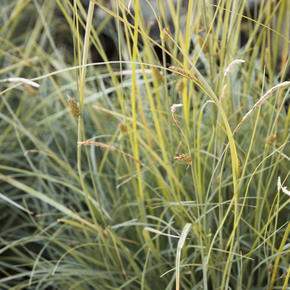
EverColor Everoro Variegated Sedge - 1 Gallon
SKU:
2098900
UPC:
014949413630
$16.99
- Striking variegated foliage features rich golden-yellow centers framed by deep, leathery dark green margins, delivering vibrant year-round color that outshines the classic Evergold in both depth and brilliance.
- Evergreen, low-maintenance, and cold-hardy to USDA Zone 5, this compact mounding sedge stays tidy and attractive through every season with virtually no fussing required.
- Exceptionally versatile — equally at home as a shady groundcover, a crisp border edging plant, or a standout thriller in patio containers and mixed planters.
- Naturally deer-resistant and free of serious pest and disease problems, making it a reliable, worry-free choice for Pacific Northwest and Northern California gardens.
EverColor Everoro Variegated Sedge (Carex oshimensis 'Everoro' PP23406) is a refined, clump-forming evergreen Japanese sedge that brings sophisticated, season-long color and texture to shade and part-shade gardens. A naturally occurring mutation of the beloved Evergold, 'Everoro' was discovered in Ireland by Pat Fitzgerald and represents a significant improvement in foliage richness — its narrow, arching blades showcase a wide, luminous golden-yellow center stripe bordered by crisp, deep green margins that hold their striking two-toned contrast all year long. Growing 12 to 18 inches tall and 12 to 14 inches wide, this well-behaved, non-invasive sedge forms a neat, cascading mound with a medium growth rate, making it easy to incorporate into nearly any garden style. It thrives in partial shade with consistently moist, well-drained soil but adapts to average garden conditions and even tolerates periods of dryness better than most sedges — an especially valuable trait for Southern Oregon and Northern California landscapes. Its fine texture, graceful form, and brilliant variegation make it ideal for massing as a groundcover, lining pathways, anchoring mixed containers, brightening woodland gardens, or softening pond and stream margins. Insignificant brownish flower spikes emerge in late spring, adding subtle seasonal interest without distracting from the foliage display. With strong deer resistance, low fertilizer needs, and no serious pest or disease issues, Carex 'Everoro' is a truly fuss-free performer that rewards gardeners with year-round beauty in even the most challenging shaded spots.
Plant Description
EverColor Everoro is a compact, clump-forming evergreen sedge in the family Cyperaceae, native in species to the dry woods and rocky slopes of Honshu Island, Japan. The cultivar 'Everoro' is a naturally occurring mutation of the popular Carex oshimensis 'Evergold,' discovered in 2007 by Pat Fitzgerald at his nursery in Stoneyford, Republic of Ireland. It belongs to the EverColor Series of variegated sedges developed by FitzGerald Nurseries. The foliage consists of narrow, arching, leathery blades — typically up to 16 inches long and less than half an inch wide — each displaying a broad, rich golden-yellow central stripe flanked by wide, deep green margins. This color depth is notably richer and more saturated than Evergold, making 'Everoro' the more visually impactful of the two. The overall habit is a graceful, low, cascading mound. Inconspicuous brownish flower spikes are borne on triangular stems in late spring and add subtle textural interest without detracting from the foliage. The plant is patented under USPP #23,406.
Mature Size
| Attribute | Measurement |
|---|---|
| Mature Height | 12 to 18 inches |
| Mature Spread | 12 to 14 inches |
| Growth Rate | Medium |
| Plant Habit | Low, dense, mounding and cascading clump |
| Spreading Behavior | Spreads very slowly by short rhizomes; non-invasive and well-behaved |
Hardiness Zones
EverColor Everoro is cold-hardy in USDA Zones 5 through 9, making it suitable for a wide range of climates across the country. It performs reliably in Southern Oregon and Northern California gardens throughout the year. The foliage remains evergreen in most of its hardiness range, including the mild winters typical of Zones 7 through 9. In colder portions of its range (Zones 5 and 6), some foliage browning may occur following harsh winters, but the plant typically rebounds quickly in spring. It does not favor hot, humid summer climates; the cooler summers and dry heat of Southern Oregon and Northern California generally suit it well, especially with consistent moisture and afternoon shade.
Sunlight Requirements
This sedge performs best in partial shade, receiving 2 to 6 hours of dappled or indirect sunlight per day. In partial shade, the golden variegation is most vivid and the foliage color is at its richest. It can also tolerate full shade, though plants may become somewhat less vigorous and the foliage color slightly less intense. When grown in full sun, especially in warmer climates, consistently moist soil is essential to prevent leaf scorch and stress. Morning sun with afternoon shade is an excellent exposure in hotter inland areas of Southern Oregon and Northern California. Avoid prolonged exposure to harsh afternoon sun, which can bleach or burn the delicate leaf tips.
Soil and pH Preferences
- Soil Type: Prefers rich, organically amended, well-drained soil but is adaptable to normal, sandy, or even clay-based soils.
- Soil Moisture: Thrives in medium to moist soils; performs well in average garden soil. More drought-tolerant than most sedges but still benefits from consistent moisture.
- Soil pH: Adaptable to a wide range including acidic, neutral, and moderately alkaline soils.
- Drainage: Good drainage is important; while the plant tolerates temporarily wet conditions and rain garden situations, it should not sit in standing water for extended periods.
- Tip: Incorporate compost into native soil at planting to improve both moisture retention and drainage, particularly in heavy clay or sandy soils common in Southern Oregon and Northern California.
Watering Guide
Keep the soil consistently moist, particularly during the first growing season as the plant establishes its root system. Water deeply and then allow the top inch of soil to dry slightly before watering again. Newly planted sedges require more frequent irrigation than established plants. Once established, 'Everoro' demonstrates better drought tolerance than most sedges, but it performs best when not allowed to dry out completely for extended periods. During the hot, dry summers of Southern Oregon and Northern California, regular watering — approximately once or twice per week depending on heat and soil type — will help maintain lush, vibrant foliage. Mulching around the base of the plant helps retain soil moisture and regulate root-zone temperature. Reduce watering frequency in fall and winter when growth slows.
Fertilizing
EverColor Everoro is a light feeder and does not require heavy fertilization. Apply a balanced, slow-release granular fertilizer (such as a 10-10-10 or similar all-purpose formula) in early spring as new growth begins. A second, lighter application can be made in early fall if growth appears sluggish. Avoid excessive nitrogen, which can encourage lush, weak growth and diminish the intensity of the golden variegation. Avoid fertilizing in late summer or fall in colder parts of the range, as this can stimulate tender new growth vulnerable to frost damage. Organic amendments such as compost worked into the soil at planting provide a gentle, steady nutrient supply and improve overall soil health.
Pruning and Maintenance
'Everoro' is a low-maintenance plant that requires very little pruning under normal conditions. In regions where the foliage remains evergreen, simply remove any dead, brown, or tatty leaves by hand or with scissors as needed throughout the growing season to keep the mound looking tidy. If leaf tips develop windburn or frost damage over winter, trim them back lightly with clean scissors or shears in late winter to early spring before new growth emerges — do not cut the entire plant to the ground unless the majority of foliage was winter-damaged. Unlike ornamental grasses, sedges should not be sheared hard to the ground annually. Divide established clumps every 3 to 4 years in early spring to maintain vigor and control size. Propagation by division is the appropriate method for home gardeners.
Planting Instructions
- Choose a site with partial shade and well-drained soil amended with organic matter.
- Dig a planting hole approximately 1.5 times wider than the root ball and equal in depth, keeping the top of the root ball level with the surrounding soil surface.
- If planting in heavy clay, mix in compost or pumice to improve drainage; in sandy soils, add compost to improve moisture retention.
- Gently remove the plant from its container and loosen any circling or tightly bound roots.
- Set the plant in the hole, backfill with amended native soil, and firm gently to eliminate air pockets.
- Water thoroughly after planting to settle the soil around the roots.
- Apply 2 to 3 inches of organic mulch (such as bark or wood chips) around the base, keeping mulch a few inches away from the crown to prevent rot.
- Water regularly for the first growing season to encourage deep root establishment.
- Space plants 12 to 14 inches apart for mass plantings or groundcover use.
Seasonal Interest
EverColor Everoro delivers consistent ornamental value across all four seasons, making it one of the most reliable year-round performers in the shade garden. The bold golden-and-green variegated foliage is the primary attraction and remains vibrant from spring through fall, lighting up dark corners and shaded borders with warm color. In late spring, slender brownish flower spikes emerge above the foliage on triangular stems, adding subtle textural interest. The mounding form and fine leaf texture contrast beautifully with bold-leaved companions throughout summer. As temperatures cool in fall and winter, the foliage remains evergreen and attractive in Zones 7 through 9, continuing to provide structure and color when little else is growing. The golden foliage is especially striking in winter containers and mixed planting arrangements, where its brightness stands out against darker companions and bare branches.
Landscape Uses
- Groundcover: Excellent when massed in shaded or part-shaded areas beneath trees or along shaded slopes, creating a dense, weed-suppressing carpet of golden-green color.
- Border Edging: The tidy, low mounding habit makes it ideal for lining paths, walkways, driveway edges, or the front of mixed borders.
- Woodland Gardens: A natural fit for naturalistic or woodland-style plantings under deciduous or coniferous trees.
- Container Planting: Outstanding as a "spiller" or textural accent in patio containers, window boxes, and mixed planters.
- Rain Gardens and Pond Margins: Tolerates occasionally wet soils, making it appropriate for low spots, rain gardens, and stream or pond edges.
- Rock Gardens: Its fine texture and compact size suit it well for rock garden settings.
- Living Walls and Roof Gardens: Adapts well to vertical planting systems and weight-conscious green roof applications.
- Accent Plant: Works as a standalone specimen in smaller gardens where a focal point of bright, contrasting color is desired.
Companion Plants
EverColor Everoro pairs beautifully with a wide range of shade-tolerant and part-shade plants. Its golden variegation provides luminous contrast when planted alongside deep green, burgundy, or blue-toned foliage. Consider pairing it with:
- Hostas — bold, contrasting leaf texture and color in blue, green, or gold tones complement the fine foliage of 'Everoro.'
- Heucheras (Coral Bells) — burgundy, chocolate, or lime-colored foliage creates vivid contrast in mixed shade borders.
- Astilbes — feathery summer flower plumes in pink, red, or white rise above the sedge for a layered effect.
- Ferns — the lacy texture of Japanese painted fern or autumn fern harmonizes beautifully with 'Everoro's' arching blades.
- Hellebores — evergreen companions with late-winter to spring blooms that echo the sedge's seasonal persistence.
- Hydrangeas — shrubby backdrop companions whose bold flower clusters and large leaves contrast with the fine, low-growing sedge.
- Redbuds (Cercis) — the spring floral display of a redbud above a mass planting of 'Everoro' creates a breathtaking early-season combination.
- Loropetalum and Abelia — evergreen shrubs with contrasting foliage colors that anchor mixed beds where 'Everoro' serves as a finishing edge or underplanting.
Container Growing
EverColor Everoro is an outstanding container plant and one of the most versatile sedges available for patio and porch displays. Its arching, golden-striped blades spill gracefully over the edges of pots, adding fine texture and year-round color to mixed arrangements. Use it as a "spiller" in the thriller-filler-spiller container design model, pairing it with upright accent plants and mounding fillers. Choose a container with excellent drainage holes and fill with a high-quality, well-drained potting mix. Keep the soil consistently moist, as containers dry out more quickly than in-ground plantings — this is especially important during Southern Oregon and Northern California summers. In containers, fertilize lightly every 4 to 6 weeks during the growing season with a balanced liquid fertilizer. 'Everoro' is well suited to window boxes, mixed patio urns, outdoor living wall panels, and even indoor bright, indirect light situations. Refresh the potting soil and repot into a slightly larger container every 2 to 3 years to maintain vigor.
Pests and Diseases
EverColor Everoro is notably free of serious pest and disease problems, making it one of the most reliable low-maintenance plants for the landscape. Occasional aphid activity may be observed, particularly on new growth during spring, but populations rarely reach damaging levels and can be controlled with a strong blast of water or an application of insecticidal soap if necessary. Root rot can occur in poorly drained or consistently waterlogged soils — ensure good drainage to avoid this issue. Leaf tip browning may occur in response to environmental stresses such as strong winter winds, low humidity, or drought, rather than disease; trim affected tips with scissors in early spring. No significant fungal diseases, root diseases, or insect pests are known to be serious threats to this cultivar under normal garden conditions.
Wildlife Value
While EverColor Everoro is not a primary wildlife food source, it does offer meaningful ecological value in the garden. The dense, low mounding clumps provide shelter and nesting cover for small ground-dwelling birds and beneficial insects. Carex oshimensis selections, including 'Everoro,' are noted to support various satyr butterfly larvae, contributing to local lepidopteran diversity. The plant is also known to attract songbirds and small mammals that use its foliage for cover. Importantly, 'Everoro' is reliably deer-resistant, allowing it to thrive even in gardens where deer browsing is a persistent challenge — a significant advantage in the rural and semi-rural areas of Southern Oregon and Northern California.
- Striking variegated foliage features rich golden-yellow centers framed by deep, leathery dark green margins, delivering vibrant year-round color that outshines the classic Evergold in both depth and brilliance.
- Evergreen, low-maintenance, and cold-hardy to USDA Zone 5, this compact mounding sedge stays tidy and attractive through every season with virtually no fussing required.
- Exceptionally versatile — equally at home as a shady groundcover, a crisp border edging plant, or a standout thriller in patio containers and mixed planters.
- Naturally deer-resistant and free of serious pest and disease problems, making it a reliable, worry-free choice for Pacific Northwest and Northern California gardens.
EverColor Everoro Variegated Sedge (Carex oshimensis 'Everoro' PP23406) is a refined, clump-forming evergreen Japanese sedge that brings sophisticated, season-long color and texture to shade and part-shade gardens. A naturally occurring mutation of the beloved Evergold, 'Everoro' was discovered in Ireland by Pat Fitzgerald and represents a significant improvement in foliage richness — its narrow, arching blades showcase a wide, luminous golden-yellow center stripe bordered by crisp, deep green margins that hold their striking two-toned contrast all year long. Growing 12 to 18 inches tall and 12 to 14 inches wide, this well-behaved, non-invasive sedge forms a neat, cascading mound with a medium growth rate, making it easy to incorporate into nearly any garden style. It thrives in partial shade with consistently moist, well-drained soil but adapts to average garden conditions and even tolerates periods of dryness better than most sedges — an especially valuable trait for Southern Oregon and Northern California landscapes. Its fine texture, graceful form, and brilliant variegation make it ideal for massing as a groundcover, lining pathways, anchoring mixed containers, brightening woodland gardens, or softening pond and stream margins. Insignificant brownish flower spikes emerge in late spring, adding subtle seasonal interest without distracting from the foliage display. With strong deer resistance, low fertilizer needs, and no serious pest or disease issues, Carex 'Everoro' is a truly fuss-free performer that rewards gardeners with year-round beauty in even the most challenging shaded spots.
Plant Description
EverColor Everoro is a compact, clump-forming evergreen sedge in the family Cyperaceae, native in species to the dry woods and rocky slopes of Honshu Island, Japan. The cultivar 'Everoro' is a naturally occurring mutation of the popular Carex oshimensis 'Evergold,' discovered in 2007 by Pat Fitzgerald at his nursery in Stoneyford, Republic of Ireland. It belongs to the EverColor Series of variegated sedges developed by FitzGerald Nurseries. The foliage consists of narrow, arching, leathery blades — typically up to 16 inches long and less than half an inch wide — each displaying a broad, rich golden-yellow central stripe flanked by wide, deep green margins. This color depth is notably richer and more saturated than Evergold, making 'Everoro' the more visually impactful of the two. The overall habit is a graceful, low, cascading mound. Inconspicuous brownish flower spikes are borne on triangular stems in late spring and add subtle textural interest without detracting from the foliage. The plant is patented under USPP #23,406.
Mature Size
| Attribute | Measurement |
|---|---|
| Mature Height | 12 to 18 inches |
| Mature Spread | 12 to 14 inches |
| Growth Rate | Medium |
| Plant Habit | Low, dense, mounding and cascading clump |
| Spreading Behavior | Spreads very slowly by short rhizomes; non-invasive and well-behaved |
Hardiness Zones
EverColor Everoro is cold-hardy in USDA Zones 5 through 9, making it suitable for a wide range of climates across the country. It performs reliably in Southern Oregon and Northern California gardens throughout the year. The foliage remains evergreen in most of its hardiness range, including the mild winters typical of Zones 7 through 9. In colder portions of its range (Zones 5 and 6), some foliage browning may occur following harsh winters, but the plant typically rebounds quickly in spring. It does not favor hot, humid summer climates; the cooler summers and dry heat of Southern Oregon and Northern California generally suit it well, especially with consistent moisture and afternoon shade.
Sunlight Requirements
This sedge performs best in partial shade, receiving 2 to 6 hours of dappled or indirect sunlight per day. In partial shade, the golden variegation is most vivid and the foliage color is at its richest. It can also tolerate full shade, though plants may become somewhat less vigorous and the foliage color slightly less intense. When grown in full sun, especially in warmer climates, consistently moist soil is essential to prevent leaf scorch and stress. Morning sun with afternoon shade is an excellent exposure in hotter inland areas of Southern Oregon and Northern California. Avoid prolonged exposure to harsh afternoon sun, which can bleach or burn the delicate leaf tips.
Soil and pH Preferences
- Soil Type: Prefers rich, organically amended, well-drained soil but is adaptable to normal, sandy, or even clay-based soils.
- Soil Moisture: Thrives in medium to moist soils; performs well in average garden soil. More drought-tolerant than most sedges but still benefits from consistent moisture.
- Soil pH: Adaptable to a wide range including acidic, neutral, and moderately alkaline soils.
- Drainage: Good drainage is important; while the plant tolerates temporarily wet conditions and rain garden situations, it should not sit in standing water for extended periods.
- Tip: Incorporate compost into native soil at planting to improve both moisture retention and drainage, particularly in heavy clay or sandy soils common in Southern Oregon and Northern California.
Watering Guide
Keep the soil consistently moist, particularly during the first growing season as the plant establishes its root system. Water deeply and then allow the top inch of soil to dry slightly before watering again. Newly planted sedges require more frequent irrigation than established plants. Once established, 'Everoro' demonstrates better drought tolerance than most sedges, but it performs best when not allowed to dry out completely for extended periods. During the hot, dry summers of Southern Oregon and Northern California, regular watering — approximately once or twice per week depending on heat and soil type — will help maintain lush, vibrant foliage. Mulching around the base of the plant helps retain soil moisture and regulate root-zone temperature. Reduce watering frequency in fall and winter when growth slows.
Fertilizing
EverColor Everoro is a light feeder and does not require heavy fertilization. Apply a balanced, slow-release granular fertilizer (such as a 10-10-10 or similar all-purpose formula) in early spring as new growth begins. A second, lighter application can be made in early fall if growth appears sluggish. Avoid excessive nitrogen, which can encourage lush, weak growth and diminish the intensity of the golden variegation. Avoid fertilizing in late summer or fall in colder parts of the range, as this can stimulate tender new growth vulnerable to frost damage. Organic amendments such as compost worked into the soil at planting provide a gentle, steady nutrient supply and improve overall soil health.
Pruning and Maintenance
'Everoro' is a low-maintenance plant that requires very little pruning under normal conditions. In regions where the foliage remains evergreen, simply remove any dead, brown, or tatty leaves by hand or with scissors as needed throughout the growing season to keep the mound looking tidy. If leaf tips develop windburn or frost damage over winter, trim them back lightly with clean scissors or shears in late winter to early spring before new growth emerges — do not cut the entire plant to the ground unless the majority of foliage was winter-damaged. Unlike ornamental grasses, sedges should not be sheared hard to the ground annually. Divide established clumps every 3 to 4 years in early spring to maintain vigor and control size. Propagation by division is the appropriate method for home gardeners.
Planting Instructions
- Choose a site with partial shade and well-drained soil amended with organic matter.
- Dig a planting hole approximately 1.5 times wider than the root ball and equal in depth, keeping the top of the root ball level with the surrounding soil surface.
- If planting in heavy clay, mix in compost or pumice to improve drainage; in sandy soils, add compost to improve moisture retention.
- Gently remove the plant from its container and loosen any circling or tightly bound roots.
- Set the plant in the hole, backfill with amended native soil, and firm gently to eliminate air pockets.
- Water thoroughly after planting to settle the soil around the roots.
- Apply 2 to 3 inches of organic mulch (such as bark or wood chips) around the base, keeping mulch a few inches away from the crown to prevent rot.
- Water regularly for the first growing season to encourage deep root establishment.
- Space plants 12 to 14 inches apart for mass plantings or groundcover use.
Seasonal Interest
EverColor Everoro delivers consistent ornamental value across all four seasons, making it one of the most reliable year-round performers in the shade garden. The bold golden-and-green variegated foliage is the primary attraction and remains vibrant from spring through fall, lighting up dark corners and shaded borders with warm color. In late spring, slender brownish flower spikes emerge above the foliage on triangular stems, adding subtle textural interest. The mounding form and fine leaf texture contrast beautifully with bold-leaved companions throughout summer. As temperatures cool in fall and winter, the foliage remains evergreen and attractive in Zones 7 through 9, continuing to provide structure and color when little else is growing. The golden foliage is especially striking in winter containers and mixed planting arrangements, where its brightness stands out against darker companions and bare branches.
Landscape Uses
- Groundcover: Excellent when massed in shaded or part-shaded areas beneath trees or along shaded slopes, creating a dense, weed-suppressing carpet of golden-green color.
- Border Edging: The tidy, low mounding habit makes it ideal for lining paths, walkways, driveway edges, or the front of mixed borders.
- Woodland Gardens: A natural fit for naturalistic or woodland-style plantings under deciduous or coniferous trees.
- Container Planting: Outstanding as a "spiller" or textural accent in patio containers, window boxes, and mixed planters.
- Rain Gardens and Pond Margins: Tolerates occasionally wet soils, making it appropriate for low spots, rain gardens, and stream or pond edges.
- Rock Gardens: Its fine texture and compact size suit it well for rock garden settings.
- Living Walls and Roof Gardens: Adapts well to vertical planting systems and weight-conscious green roof applications.
- Accent Plant: Works as a standalone specimen in smaller gardens where a focal point of bright, contrasting color is desired.
Companion Plants
EverColor Everoro pairs beautifully with a wide range of shade-tolerant and part-shade plants. Its golden variegation provides luminous contrast when planted alongside deep green, burgundy, or blue-toned foliage. Consider pairing it with:
- Hostas — bold, contrasting leaf texture and color in blue, green, or gold tones complement the fine foliage of 'Everoro.'
- Heucheras (Coral Bells) — burgundy, chocolate, or lime-colored foliage creates vivid contrast in mixed shade borders.
- Astilbes — feathery summer flower plumes in pink, red, or white rise above the sedge for a layered effect.
- Ferns — the lacy texture of Japanese painted fern or autumn fern harmonizes beautifully with 'Everoro's' arching blades.
- Hellebores — evergreen companions with late-winter to spring blooms that echo the sedge's seasonal persistence.
- Hydrangeas — shrubby backdrop companions whose bold flower clusters and large leaves contrast with the fine, low-growing sedge.
- Redbuds (Cercis) — the spring floral display of a redbud above a mass planting of 'Everoro' creates a breathtaking early-season combination.
- Loropetalum and Abelia — evergreen shrubs with contrasting foliage colors that anchor mixed beds where 'Everoro' serves as a finishing edge or underplanting.
Container Growing
EverColor Everoro is an outstanding container plant and one of the most versatile sedges available for patio and porch displays. Its arching, golden-striped blades spill gracefully over the edges of pots, adding fine texture and year-round color to mixed arrangements. Use it as a "spiller" in the thriller-filler-spiller container design model, pairing it with upright accent plants and mounding fillers. Choose a container with excellent drainage holes and fill with a high-quality, well-drained potting mix. Keep the soil consistently moist, as containers dry out more quickly than in-ground plantings — this is especially important during Southern Oregon and Northern California summers. In containers, fertilize lightly every 4 to 6 weeks during the growing season with a balanced liquid fertilizer. 'Everoro' is well suited to window boxes, mixed patio urns, outdoor living wall panels, and even indoor bright, indirect light situations. Refresh the potting soil and repot into a slightly larger container every 2 to 3 years to maintain vigor.
Pests and Diseases
EverColor Everoro is notably free of serious pest and disease problems, making it one of the most reliable low-maintenance plants for the landscape. Occasional aphid activity may be observed, particularly on new growth during spring, but populations rarely reach damaging levels and can be controlled with a strong blast of water or an application of insecticidal soap if necessary. Root rot can occur in poorly drained or consistently waterlogged soils — ensure good drainage to avoid this issue. Leaf tip browning may occur in response to environmental stresses such as strong winter winds, low humidity, or drought, rather than disease; trim affected tips with scissors in early spring. No significant fungal diseases, root diseases, or insect pests are known to be serious threats to this cultivar under normal garden conditions.
Wildlife Value
While EverColor Everoro is not a primary wildlife food source, it does offer meaningful ecological value in the garden. The dense, low mounding clumps provide shelter and nesting cover for small ground-dwelling birds and beneficial insects. Carex oshimensis selections, including 'Everoro,' are noted to support various satyr butterfly larvae, contributing to local lepidopteran diversity. The plant is also known to attract songbirds and small mammals that use its foliage for cover. Importantly, 'Everoro' is reliably deer-resistant, allowing it to thrive even in gardens where deer browsing is a persistent challenge — a significant advantage in the rural and semi-rural areas of Southern Oregon and Northern California.


