

Zoom the image with the mouse
Zig Zag Redbud - 5 Gallon
SKU:
2155730
UPC:
014949045220
$129.99
- Signature zig‑zag branching adds bold, architectural structure—even in winter.
- Deep fuchsia spring blooms from magenta buds, followed by bright green, heart‑shaped leaves and orange fall color.
- Manageable shade‑casting canopy: about 20 ft. tall × 25–28 ft. wide; ideal as a specimen or anchor tree.
- Easy‑care in full sun to partial sun; prefers afternoon shade in hotter regions and well‑drained soil.
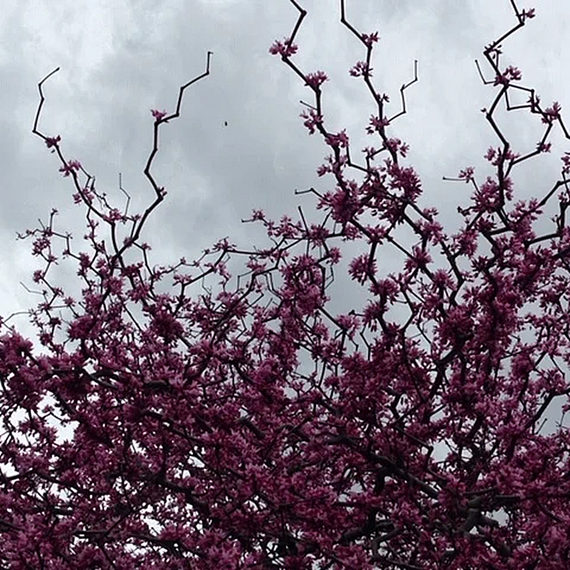
Zig Zag Redbud (Cercis canadensis ‘Seirb’, PP32,895) turns natural geometry into year‑round interest: every branch grows in a dramatic, graphic zig‑zag pattern. In early spring, magenta buds open along bare wood to deep fuchsia flowers; soon after, bright green, heart‑shaped leaves fill the canopy, finishing with attractive orange tones in fall. Scaled for residential landscapes and effortless to maintain in sun and well‑drained soils, it’s a conversation‑starting specimen that also supports early pollinators.
Plant Description
Deciduous small tree with a distinctive zig‑zag branching framework from trunk to tip. Early spring flowers line bare branches; foliage emerges bright green and matures through summer before turning warm orange in autumn.
Flowers & Bloom Time
Magenta buds on bare wood open to deep fuchsia, showy flowers in early spring—an eye‑catching display ahead of leaf‑out.
Foliage & Fall Color
Classic redbud, heart‑shaped leaves emerge bright green for a fresh seasonal canopy, then shift to attractive orange hues in fall for extended interest.
Habit & Mature Size
Moderate growth to about 20 ft. tall × 25–28 ft. wide, forming a broad, shade‑casting crown that showcases the zig‑zag architecture year‑round.
Sun Requirements
Full sun to partial sun; in hot southern climates, provide afternoon shade to protect blooms and foliage and reduce heat stress.
Watering Needs
Keep evenly moist during establishment with deep, regular watering to develop a robust root system; reduce frequency once established, watering when the top ~3 inches of soil begin to dry.
Soil Preferences
Adapts to average, well‑drained garden soils. Maintain a 2–3 in. mulch ring (kept off the trunk) to conserve moisture and moderate soil temperature.
Hardiness
USDA Zones 4–9.
Special Features
Architectural zig‑zag branching, showy early‑season flowers, pollinator support, and vibrant fall color make this a multi‑season focal point.
Wildlife & Pollinators
Early spring flowers provide nectar and pollen for pollinators emerging at the start of the season.
Landscape Uses
Specimen/anchor tree for front lawns and courtyards; striking understory accent; dramatic structural element in modern or naturalized plantings.
Care & Pruning
Feed with a general‑purpose fertilizer before new growth in spring. Prune selectively for structure after bloom to preserve next year’s flowers and highlight the zig‑zag framework.
Spacing & Placement
Allow 25–28 ft. of lateral space for mature spread. Site where the branching geometry can be viewed from multiple angles—near paths, patios, or picture windows.
Design Notes
Pair with spring ephemerals or low groundcovers to frame the early bloom, then layer with summer perennials for texture while the canopy provides dappled shade.
Patent & Naming
U.S. Plant Patent 32,895; marketed as Zig Zag Redbud.
- Signature zig‑zag branching adds bold, architectural structure—even in winter.
- Deep fuchsia spring blooms from magenta buds, followed by bright green, heart‑shaped leaves and orange fall color.
- Manageable shade‑casting canopy: about 20 ft. tall × 25–28 ft. wide; ideal as a specimen or anchor tree.
- Easy‑care in full sun to partial sun; prefers afternoon shade in hotter regions and well‑drained soil.
Zig Zag Redbud (Cercis canadensis ‘Seirb’, PP32,895) turns natural geometry into year‑round interest: every branch grows in a dramatic, graphic zig‑zag pattern. In early spring, magenta buds open along bare wood to deep fuchsia flowers; soon after, bright green, heart‑shaped leaves fill the canopy, finishing with attractive orange tones in fall. Scaled for residential landscapes and effortless to maintain in sun and well‑drained soils, it’s a conversation‑starting specimen that also supports early pollinators.
Plant Description
Deciduous small tree with a distinctive zig‑zag branching framework from trunk to tip. Early spring flowers line bare branches; foliage emerges bright green and matures through summer before turning warm orange in autumn.
Flowers & Bloom Time
Magenta buds on bare wood open to deep fuchsia, showy flowers in early spring—an eye‑catching display ahead of leaf‑out.
Foliage & Fall Color
Classic redbud, heart‑shaped leaves emerge bright green for a fresh seasonal canopy, then shift to attractive orange hues in fall for extended interest.
Habit & Mature Size
Moderate growth to about 20 ft. tall × 25–28 ft. wide, forming a broad, shade‑casting crown that showcases the zig‑zag architecture year‑round.
Sun Requirements
Full sun to partial sun; in hot southern climates, provide afternoon shade to protect blooms and foliage and reduce heat stress.
Watering Needs
Keep evenly moist during establishment with deep, regular watering to develop a robust root system; reduce frequency once established, watering when the top ~3 inches of soil begin to dry.
Soil Preferences
Adapts to average, well‑drained garden soils. Maintain a 2–3 in. mulch ring (kept off the trunk) to conserve moisture and moderate soil temperature.
Hardiness
USDA Zones 4–9.
Special Features
Architectural zig‑zag branching, showy early‑season flowers, pollinator support, and vibrant fall color make this a multi‑season focal point.
Wildlife & Pollinators
Early spring flowers provide nectar and pollen for pollinators emerging at the start of the season.
Landscape Uses
Specimen/anchor tree for front lawns and courtyards; striking understory accent; dramatic structural element in modern or naturalized plantings.
Care & Pruning
Feed with a general‑purpose fertilizer before new growth in spring. Prune selectively for structure after bloom to preserve next year’s flowers and highlight the zig‑zag framework.
Spacing & Placement
Allow 25–28 ft. of lateral space for mature spread. Site where the branching geometry can be viewed from multiple angles—near paths, patios, or picture windows.
Design Notes
Pair with spring ephemerals or low groundcovers to frame the early bloom, then layer with summer perennials for texture while the canopy provides dappled shade.
Patent & Naming
U.S. Plant Patent 32,895; marketed as Zig Zag Redbud.
Related Products