

Zoom the image with the mouse
Zambezi Lace Aloe - 1 Gallon
SKU:
2165280
UPC:
014949054321
$15.99
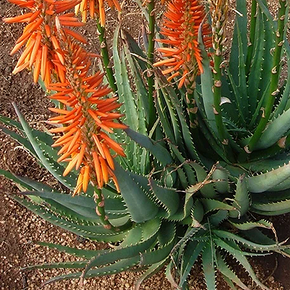
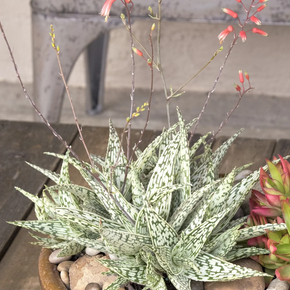
- Bold, stouter-than-species rosettes are adorned with dramatically pronounced white teeth along the leaf margins and distinctive white bumps across the leaf surface, giving this compact succulent a striking lace-like texture unlike any other.
- Impressively frost-hardy for an aloe, Zambezi Lace Aloe thrives as an evergreen perennial in USDA Zones 7-10, tolerating brief temperature dips down to approximately 23F, making it a standout choice for gardens across Southern Oregon and Northern California.
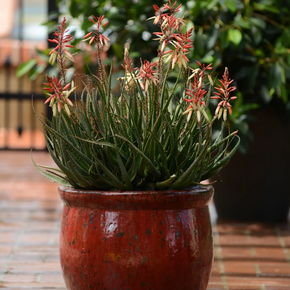
- In summer, tall flowering stalks rise up to 20 inches above the low foliage, displaying clusters of pendulous, tube-shaped blooms in shades ranging from soft pink to vivid coral-orange that attract hummingbirds and beneficial pollinators.
- Exceptionally low-maintenance and drought-tolerant once established, this slow-growing succulent thrives indoors as a houseplant or outdoors in rock gardens, desert gardens, and xeriscapes with minimal care required.
Zambezi Lace Aloe (Aloe aristata 'Zambezi') is a standout cultivar of the beloved lace aloe, offering noticeably stouter rosettes with more pronounced white teeth along the leaf margins and bolder white bumps across the dark gray-green, triangular foliage than the straight species. Native to the rocky slopes, grasslands, and dry sands of southern Africa - including Lesotho, the Eastern Cape, and the Free State provinces - this compact, evergreen succulent has been reclassified into its own genus, Aristaloe, reflecting its unique botanical character. Each tight, architectural rosette typically reaches 4 to 9 inches tall and 6 to 8 inches wide, and matures into spreading clumps of up to 8 to 10 rosettes. Come summer, dramatic flowering stalks shoot up to 20 inches, bearing pendulous, tubular blooms that range from pink to coral-orange, drawing in hummingbirds and beneficial insects for weeks of seasonal interest. Remarkably cold-hardy for a succulent, Zambezi Lace Aloe performs as a dependable evergreen perennial in USDA Zones 7 through 10, tolerating brief dips near 23F - a quality that makes it an exceptional choice for gardens throughout Southern Oregon and Northern California. Equally at home in a sunny windowsill, a stylish container arrangement, a water-wise xeriscape, or a rocky garden bed, this slow-growing, drought-tolerant gem is one of the most versatile and rewarding succulents available for Western gardeners.
Plant Description
Zambezi Lace Aloe is a cultivar of Aristaloe aristata (formerly Aloe aristata), a species commonly known as lace aloe or torch plant. This selection features noticeably stouter leaves than the straight species, with more dramatically pronounced white teeth lining the leaf margins and bolder white tubercle bumps covering both the upper and lower leaf surfaces. The dark gray-green, triangular leaves are fleshy and succulent, with fine white marginal bristles - the characteristic that gives lace aloe its common name. The plant forms tight, low-growing rosettes that cluster into spreading mounds over time, creating a ground-hugging, architectural display. In summer, slender flowering stalks rise up to 20 inches above the foliage, topped with loose clusters of pendulous, tubular flowers in shades ranging from soft pink to vivid coral-orange. The plant is fully evergreen, retaining its attractive rosettes year-round. Though historically classified in the Aloe genus, Aristaloe aristata is now recognized as the sole species in its own genus, Aristaloe, within the family Asphodelaceae.
Mature Size
| Characteristic | Measurement |
|---|---|
| Rosette Height | 4 to 9 inches |
| Rosette Width | 6 to 8 inches |
| Clump Spread | 1 to 2 feet |
| Flower Stalk Height | Up to 20 inches |
| Individual Leaf Length | Up to 6 inches |
| Rosettes Per Clump (Mature) | Up to 8 to 10 rosettes |
| Growth Rate | Slow to moderate |
Hardiness Zones and Temperature Tolerance
Zambezi Lace Aloe is a remarkably cold-hardy succulent, performing as an evergreen perennial in USDA Hardiness Zones 7 through 10. This is significantly hardier than most true aloes, which are generally limited to Zones 9 through 11. The plant can tolerate brief temperature dips down to approximately 23F (-5C), but should be protected from extended hard freezes. In Zone 7, gardeners should exercise some caution and consider growing in containers that can be moved indoors during severe cold snaps. In the mild-winter climates of Southern Oregon and Northern California (Zones 7b through 10), this plant will thrive year-round as an outdoor perennial when planted in a sheltered spot with excellent drainage. As a houseplant or patio container plant, it can be grown and enjoyed in any climate, simply brought indoors when temperatures threaten to drop below freezing for prolonged periods.
Sunlight Requirements
Zambezi Lace Aloe thrives in full sun to partial shade. Outdoors, it grows best with at least 4 to 6 hours of direct sunlight daily, and it particularly loves receiving bright morning sun. In the hotter summer climates of inland Southern Oregon and Northern California, providing some afternoon shade can prevent leaf scorch and stress. When grown as a houseplant, place it in the brightest available location - ideally a south- or west-facing window - where it can receive several hours of direct light per day. Insufficient light indoors will cause the plant to stretch, lose its compact rosette form, and may prevent flowering. Grow lights can supplement natural light during shorter winter days if needed. Avoid suddenly moving the plant from low light to intense direct sun, as this can cause sunburn on the leaves; acclimate it gradually over one to two weeks.
Soil and pH Preferences
Like all members of the Asphodelaceae family, Zambezi Lace Aloe demands fast-draining soil above all else. Standing moisture around the roots is the primary cause of plant failure. For outdoor planting, sandy loam or gravelly, gritty soil is ideal. The plant tolerates poor, lean, and rocky soils well and does not require rich garden amendments. For container growing, use a commercial cactus and succulent potting mix, or blend regular potting soil with coarse sand, perlite, or pumice at a ratio of roughly 1:1 to improve drainage. A layer of small gravel or stones at the bottom of the pot adds extra insurance against waterlogging. The preferred soil pH range is 5.5 to 7.0 (slightly acidic to neutral). Avoid planting in heavy clay soils or any location where water pools after rain. Adding a top dressing of coarse gravel or crushed rock around the base of the plant mimics its natural rocky habitat and helps prevent moisture from sitting against the leaves.
Watering Guide
Zambezi Lace Aloe is drought-tolerant once established and follows the classic succulent watering approach - deep, infrequent watering is far better than frequent shallow moisture. Allow the top 2 inches of soil to dry out completely between waterings. When you do water, drench the soil thoroughly and allow all excess to drain freely. Never let the plant sit in water or wet saucer. Avoid overhead watering, as standing water trapped inside the rosette can cause rotting at the crown.
- Spring and Summer (Active Growing Season): Water when the top 2 inches of soil are dry, typically every 7 to 14 days depending on heat and container size.
- Fall: Begin tapering off watering frequency as temperatures cool and growth slows.
- Winter (Dormant Season): Water very sparingly - approximately once every 2 to 3 weeks for potted plants, allowing soil to dry nearly completely between waterings. Outdoor plants in well-draining ground typically need no supplemental winter water in rainy climates.
- Overwatering Warning: Yellowing leaves, a soft or mushy base, and a rotting smell are signs of overwatering or poor drainage. Root rot is the most common cause of plant death.
Fertilizing
Zambezi Lace Aloe is a light feeder and does not require heavy fertilization. In fact, over-fertilizing can cause excessive, weak growth and may damage the roots. Follow this simple feeding schedule for best results:
- Outdoor Plants: Apply a balanced, slow-release granular fertilizer formulated for succulents or cacti once in early spring to support the growing season. A single annual application is typically sufficient for plants in the ground.
- Container Plants: Feed once a month during spring and summer using a liquid succulent or cactus fertilizer diluted to half the recommended strength. This gentler approach avoids salt buildup in the potting mix.
- Fall and Winter: Discontinue fertilizing entirely during the dormant season. Fertilizing in fall or winter can stimulate tender new growth that is vulnerable to cold damage.
- Caution: Never fertilize a dry or stressed plant. Water first and allow the soil to be slightly moist before applying liquid fertilizer to avoid root burn.
Planting Instructions
Outdoor Planting:
- Select a site with well-draining, sandy or gritty soil and full sun to partial shade. Avoid low spots where water collects.
- Dig a hole just deep enough to accommodate the root ball, no deeper. Keep the crown of the plant at or slightly above soil level to prevent moisture from sitting against the base.
- Amend heavy or clay-based native soils with coarse sand, perlite, or gravel to improve drainage before planting.
- Backfill around the roots and press the soil gently to remove air pockets.
- Apply a top dressing of gravel or decomposed granite around the base to mimic its native rocky habitat and protect the crown from soil moisture.
- Water lightly after planting and allow the plant to settle for several days before resuming a normal watering schedule.
- Space plants 1 to 2 feet apart to allow for mature clump spread.
Container Planting:
- Choose a container with ample drainage holes - unglazed terra cotta is an excellent choice as it allows the soil to breathe and dry more evenly.
- Select a pot only 1 to 2 inches wider than the root ball; excessively large pots hold too much moisture around the roots.
- Fill with a quality cactus and succulent potting mix.
- Plant so the crown sits at or just above the soil surface. Do not bury the base of the leaves.
- Top-dress with a thin layer of gravel or coarse sand for a finished, natural look and added drainage protection.
- Wait 3 to 5 days after potting before the first watering to allow any disturbed roots to settle.
Pruning and Maintenance
Zambezi Lace Aloe is one of the lowest-maintenance succulents you can grow. Routine pruning is generally not needed or recommended. Here are the simple steps to keep the plant looking its best:
- Dead Leaves: Occasionally, older outer leaves at the base of the rosette may dry up and turn brown. These can be gently pulled away by hand or trimmed with clean, sharp scissors at the base.
- Spent Flower Stalks: After blooming, cut spent flower stalks down to the base of the rosette using clean, sterilized pruners to maintain a tidy appearance and direct energy back to the foliage and offsets.
- Frost-Damaged Foliage: After any rare frost event, wait until the risk of further freezes has passed before trimming damaged leaf tips or affected outer leaves to avoid stressing the plant further.
- Repotting: Repot container plants every 2 to 3 years in spring, or when offsets have crowded the pot. Step up to a container only slightly larger than the previous one.
- Avoid: Do not cut healthy leaves. Unlike aloe vera, the gel inside Aristaloe aristata leaves does not have the same beneficial properties and the plant is not harvested for topical use.
Propagation
Zambezi Lace Aloe is one of the easiest succulents to propagate, primarily because mature plants generously produce offsets - also called pups - around the base of the mother rosette. Division of these pups is by far the most reliable and rewarding propagation method.
Propagation by Offsets (Pups) - Recommended Method:
- Wait until spring or early summer when the plant is in active growth and pups have developed a small set of their own leaves (at least 1 to 2 inches tall).
- Gently remove the parent plant from its pot or carefully excavate around the base of the offset in the garden.
- Using a clean, sterilized butter knife or your fingers, gently pry the pup away from the mother plant, preserving as many of its roots as possible.
- Allow the separated pup to rest in a warm, dry, shaded location for 24 to 48 hours to allow any cut surfaces to callus over.
- Plant the pup in a small container filled with fresh cactus and succulent potting mix, with the crown at soil level.
- Wait 3 to 5 days before watering lightly. Keep in bright indirect light until established, then transition to full sun conditions.
Propagation by Leaf Cutting (Secondary Method): Cut a healthy leaf cleanly at its base, allow a callus to form overnight, then place cut-side-down in moist succulent mix. Success rates are lower than with offsets, but the method is viable.
Propagation from Seed: Possible but slow. Sow fresh seed in sandy, well-draining seed-starting mix and keep lightly moist in a warm location. Germination can be erratic and plants take considerably longer to reach maturity than those started from offsets.
Seasonal Interest
| Season | What to Expect |
|---|---|
| Spring | Rosettes resume active growth; new leaves push from the center; pups begin developing at the base; earliest flower stalks may emerge by late spring. |
| Summer | Peak season: flowering stalks rise up to 20 inches bearing showy, pendulous pink-to-coral-orange tubular blooms that attract hummingbirds and beneficial insects. Foliage remains lush and green. |
| Fall | Flowering ends; spent stalks can be removed. The evergreen rosettes remain handsome and architectural. Growth begins to slow as temperatures cool. |
| Winter | Plant enters a semi-dormant rest period. The tight, spiky, white-spotted rosettes provide year-round structure and visual interest in the garden or on a windowsill even without flowers. No leaf drop occurs. |
Landscape Uses
Zambezi Lace Aloe is a remarkably versatile plant for Western gardens and interior spaces. Its compact size, evergreen nature, drought tolerance, and showy summer flowers make it a designer favorite across a wide range of settings:
- Xeriscape and Water-Wise Gardens: An ideal candidate for low-water, sustainable landscaping. Once established, it requires minimal irrigation and thrives in lean, rocky soil.
- Rock Gardens: The plant's native habitat of rocky outcrops makes it perfectly suited to gravel gardens, boulder groupings, and stone-edged beds.
- Desert and Dry Mediterranean Gardens: Pairs beautifully with other succulents, ornamental grasses, and drought-tolerant perennials to create a cohesive, low-maintenance planting.
- Container and Patio Displays: Outstanding in pots, troughs, and dish gardens, alone or mixed with other succulents. Containers can be moved to covered areas or brought indoors for winter in colder zones.
- Houseplant: A popular and adaptable indoor succulent for bright windowsills, adding striking texture and occasional summer blooms to interior spaces.
- Border Edging and Mass Planting: Mature clumps of multiple rosettes create a dramatic, low-growing ground cover effect ideal for edging paths or filling sunny slopes.
- Accent Plant: Its bold, architectural form makes it a natural focal point in mixed succulent plantings or as a standalone specimen in a decorative container.
Companion Plants
Zambezi Lace Aloe pairs beautifully with plants that share its preference for well-drained soil, full sun to partial shade, and low-water conditions. Consider combining it with:
- Echeveria spp.: Rosette-forming succulents with complementary colors and similar care needs; excellent in mixed container arrangements.
- Haworthia spp.: Close botanical relatives with similar textural qualities and a preference for bright indirect light, ideal for indoor groupings.
- Sedum spp.: Ground-hugging or cascading sedums offer contrasting leaf form and texture while tolerating the same lean, dry conditions.
- Agave spp. (dwarf varieties): Bold architectural companions with similar drought tolerance that create stunning scale contrast in the garden.
- Delosperma (Ice Plant): A colorful, low-growing succulent ground cover that thrives alongside lace aloe in sun-drenched, dry garden beds.
- Festuca glauca (Blue Fescue): The silver-blue, fine-textured foliage of this ornamental grass provides beautiful contrast to the dark, spotted rosettes of Zambezi Lace Aloe.
- Lavandula spp. (Lavender): Shares the preference for lean, well-drained soil and full sun; the purple flower spikes of lavender complement the coral-orange summer blooms of lace aloe beautifully.
- Graptopetalum and xGraptoveria hybrids: Ghost plant relatives that offer pastel rosette colors for a stunning, low-water container display.
Pests and Diseases
Zambezi Lace Aloe is generally a robust, pest-resistant plant when grown in appropriate conditions. The most common issues are preventable with proper siting and cultural practices.
Common Pests:
- Mealybugs: The most frequent pest, especially on indoor plants. Look for white, cottony masses in the leaf axils and at the base of rosettes. Treat by dabbing individual insects with a cotton swab dipped in rubbing alcohol, or apply insecticidal soap or neem oil spray. Repeat treatment every 7 to 10 days until resolved.
- Scale Insects: Appear as small brown or white bumps on leaves and stems, particularly during the winter season on houseplants. Treat similarly to mealybugs with insecticidal soap, neem oil, or manual removal with a soft brush.
Common Diseases:
- Root Rot (Pythium, Phytophthora, Fusarium spp.): The most serious and common problem, caused by consistently wet or waterlogged soil. Symptoms include a soft, brown, or mushy base, yellowing outer leaves, and a foul odor. Prevention is the best cure: always use well-draining soil, never let the plant sit in standing water, and avoid overhead watering. If caught early, unpot the plant, trim away affected roots with sterilized scissors, allow to dry, and repot in fresh, dry succulent mix.
- Crown Rot: Caused by water pooling in the center of the rosette. Always water at the soil level - never into the crown of the plant - and ensure good air circulation around the foliage.
Pest Resistance: Zambezi Lace Aloe is notably resistant to deer browsing, squirrels, and voles, making it an excellent choice for gardens where wildlife pressure is a concern.
Container Growing
Zambezi Lace Aloe is an outstanding container plant and one of the most popular choices for indoor succulent collections and outdoor patio displays. Follow these tips for thriving container-grown plants:
- Container Selection: Choose a pot with ample drainage holes. Unglazed terra cotta is the preferred material, as it allows moisture to evaporate through the walls, reducing the risk of root rot. Glazed ceramic or plastic pots are also usable but require even more careful watering.
- Pot Size: Select a container only 1 to 2 inches wider than the root ball or rosette diameter. Oversized pots hold excess moisture that can lead to root rot. Repot into a slightly larger container every 2 to 3 years or when offsets have crowded the space.
- Potting Mix: Use a commercial cactus and succulent potting mix. You can enhance drainage further by mixing in up to 50% coarse perlite, pumice, or coarse horticultural sand.
- Light Indoors: Place in the brightest spot available - a south- or west-facing window is ideal. Supplement with a grow light during winter if natural light is limited.
- Watering: Water thoroughly, then allow the top 2 inches of soil to dry completely before watering again. Always discard excess water from the saucer within 15 to 30 minutes of watering.
- Overwintering: In zones colder than Zone 7, or during unusually cold snaps, move outdoor container-grown plants to a sheltered porch, garage, or indoors near a bright window until temperatures moderate.
- Display Ideas: Stunning when combined in a wide, shallow dish garden with other rosette-forming succulents such as echeveria, haworthia, and sedum for a striking, unified arrangement.
Wildlife Value
Despite its compact size, Zambezi Lace Aloe makes a meaningful contribution to garden wildlife, particularly during its summer flowering period:
- Hummingbirds: The pendulous, tubular pink-to-coral-orange flowers are perfectly shaped for hummingbird foraging. The blooms appear in summer when hummingbirds are actively feeding and raising young, providing a reliable nectar source.
- Beneficial Insects and Pollinators: The summer flowers attract bees and other beneficial insects, supporting local pollinator populations in the garden.
- Deer Resistance: Zambezi Lace Aloe is largely unappealing to deer, which tend to avoid the stiff, toothed foliage. This makes it a valuable choice for gardens in deer-prone areas of Southern Oregon and Northern California.
- Squirrel and Vole Resistance: Gardeners report that squirrels and voles also tend to leave this plant alone, further reducing pest pressure in the landscape.
Note: While the plant supports pollinators and hummingbirds via its flowers, it should be kept out of reach of pets and children, as the foliage of Aristaloe aristata is considered mildly toxic if ingested.
Toxicity and Safety
Unlike the widely used Aloe vera, Zambezi Lace Aloe (Aristaloe aristata) is not intended for consumption or topical medicinal use, and its foliage is considered mildly toxic if ingested. Keep the following precautions in mind:
- Pets: The plant is considered toxic to cats and dogs. Ingestion may cause gastrointestinal upset, vomiting, or lethargy. Keep the plant out of reach of curious pets, especially when grown indoors.
- Children: Place the plant where young children cannot easily access it and are unlikely to attempt to eat the leaves.
- Handling: The white teeth along the leaf margins are firm and can scratch skin. Wear gloves when handling, repotting, or dividing clumps to avoid minor skin irritation.
- Not for Medicinal Use: Do not use the leaf gel of this plant as a substitute for Aloe vera gel. The two plants are botanically distinct and should not be used interchangeably.
- Bold, stouter-than-species rosettes are adorned with dramatically pronounced white teeth along the leaf margins and distinctive white bumps across the leaf surface, giving this compact succulent a striking lace-like texture unlike any other.
- Impressively frost-hardy for an aloe, Zambezi Lace Aloe thrives as an evergreen perennial in USDA Zones 7-10, tolerating brief temperature dips down to approximately 23F, making it a standout choice for gardens across Southern Oregon and Northern California.
- In summer, tall flowering stalks rise up to 20 inches above the low foliage, displaying clusters of pendulous, tube-shaped blooms in shades ranging from soft pink to vivid coral-orange that attract hummingbirds and beneficial pollinators.
- Exceptionally low-maintenance and drought-tolerant once established, this slow-growing succulent thrives indoors as a houseplant or outdoors in rock gardens, desert gardens, and xeriscapes with minimal care required.
Zambezi Lace Aloe (Aloe aristata 'Zambezi') is a standout cultivar of the beloved lace aloe, offering noticeably stouter rosettes with more pronounced white teeth along the leaf margins and bolder white bumps across the dark gray-green, triangular foliage than the straight species. Native to the rocky slopes, grasslands, and dry sands of southern Africa - including Lesotho, the Eastern Cape, and the Free State provinces - this compact, evergreen succulent has been reclassified into its own genus, Aristaloe, reflecting its unique botanical character. Each tight, architectural rosette typically reaches 4 to 9 inches tall and 6 to 8 inches wide, and matures into spreading clumps of up to 8 to 10 rosettes. Come summer, dramatic flowering stalks shoot up to 20 inches, bearing pendulous, tubular blooms that range from pink to coral-orange, drawing in hummingbirds and beneficial insects for weeks of seasonal interest. Remarkably cold-hardy for a succulent, Zambezi Lace Aloe performs as a dependable evergreen perennial in USDA Zones 7 through 10, tolerating brief dips near 23F - a quality that makes it an exceptional choice for gardens throughout Southern Oregon and Northern California. Equally at home in a sunny windowsill, a stylish container arrangement, a water-wise xeriscape, or a rocky garden bed, this slow-growing, drought-tolerant gem is one of the most versatile and rewarding succulents available for Western gardeners.
Plant Description
Zambezi Lace Aloe is a cultivar of Aristaloe aristata (formerly Aloe aristata), a species commonly known as lace aloe or torch plant. This selection features noticeably stouter leaves than the straight species, with more dramatically pronounced white teeth lining the leaf margins and bolder white tubercle bumps covering both the upper and lower leaf surfaces. The dark gray-green, triangular leaves are fleshy and succulent, with fine white marginal bristles - the characteristic that gives lace aloe its common name. The plant forms tight, low-growing rosettes that cluster into spreading mounds over time, creating a ground-hugging, architectural display. In summer, slender flowering stalks rise up to 20 inches above the foliage, topped with loose clusters of pendulous, tubular flowers in shades ranging from soft pink to vivid coral-orange. The plant is fully evergreen, retaining its attractive rosettes year-round. Though historically classified in the Aloe genus, Aristaloe aristata is now recognized as the sole species in its own genus, Aristaloe, within the family Asphodelaceae.
Mature Size
| Characteristic | Measurement |
|---|---|
| Rosette Height | 4 to 9 inches |
| Rosette Width | 6 to 8 inches |
| Clump Spread | 1 to 2 feet |
| Flower Stalk Height | Up to 20 inches |
| Individual Leaf Length | Up to 6 inches |
| Rosettes Per Clump (Mature) | Up to 8 to 10 rosettes |
| Growth Rate | Slow to moderate |
Hardiness Zones and Temperature Tolerance
Zambezi Lace Aloe is a remarkably cold-hardy succulent, performing as an evergreen perennial in USDA Hardiness Zones 7 through 10. This is significantly hardier than most true aloes, which are generally limited to Zones 9 through 11. The plant can tolerate brief temperature dips down to approximately 23F (-5C), but should be protected from extended hard freezes. In Zone 7, gardeners should exercise some caution and consider growing in containers that can be moved indoors during severe cold snaps. In the mild-winter climates of Southern Oregon and Northern California (Zones 7b through 10), this plant will thrive year-round as an outdoor perennial when planted in a sheltered spot with excellent drainage. As a houseplant or patio container plant, it can be grown and enjoyed in any climate, simply brought indoors when temperatures threaten to drop below freezing for prolonged periods.
Sunlight Requirements
Zambezi Lace Aloe thrives in full sun to partial shade. Outdoors, it grows best with at least 4 to 6 hours of direct sunlight daily, and it particularly loves receiving bright morning sun. In the hotter summer climates of inland Southern Oregon and Northern California, providing some afternoon shade can prevent leaf scorch and stress. When grown as a houseplant, place it in the brightest available location - ideally a south- or west-facing window - where it can receive several hours of direct light per day. Insufficient light indoors will cause the plant to stretch, lose its compact rosette form, and may prevent flowering. Grow lights can supplement natural light during shorter winter days if needed. Avoid suddenly moving the plant from low light to intense direct sun, as this can cause sunburn on the leaves; acclimate it gradually over one to two weeks.
Soil and pH Preferences
Like all members of the Asphodelaceae family, Zambezi Lace Aloe demands fast-draining soil above all else. Standing moisture around the roots is the primary cause of plant failure. For outdoor planting, sandy loam or gravelly, gritty soil is ideal. The plant tolerates poor, lean, and rocky soils well and does not require rich garden amendments. For container growing, use a commercial cactus and succulent potting mix, or blend regular potting soil with coarse sand, perlite, or pumice at a ratio of roughly 1:1 to improve drainage. A layer of small gravel or stones at the bottom of the pot adds extra insurance against waterlogging. The preferred soil pH range is 5.5 to 7.0 (slightly acidic to neutral). Avoid planting in heavy clay soils or any location where water pools after rain. Adding a top dressing of coarse gravel or crushed rock around the base of the plant mimics its natural rocky habitat and helps prevent moisture from sitting against the leaves.
Watering Guide
Zambezi Lace Aloe is drought-tolerant once established and follows the classic succulent watering approach - deep, infrequent watering is far better than frequent shallow moisture. Allow the top 2 inches of soil to dry out completely between waterings. When you do water, drench the soil thoroughly and allow all excess to drain freely. Never let the plant sit in water or wet saucer. Avoid overhead watering, as standing water trapped inside the rosette can cause rotting at the crown.
- Spring and Summer (Active Growing Season): Water when the top 2 inches of soil are dry, typically every 7 to 14 days depending on heat and container size.
- Fall: Begin tapering off watering frequency as temperatures cool and growth slows.
- Winter (Dormant Season): Water very sparingly - approximately once every 2 to 3 weeks for potted plants, allowing soil to dry nearly completely between waterings. Outdoor plants in well-draining ground typically need no supplemental winter water in rainy climates.
- Overwatering Warning: Yellowing leaves, a soft or mushy base, and a rotting smell are signs of overwatering or poor drainage. Root rot is the most common cause of plant death.
Fertilizing
Zambezi Lace Aloe is a light feeder and does not require heavy fertilization. In fact, over-fertilizing can cause excessive, weak growth and may damage the roots. Follow this simple feeding schedule for best results:
- Outdoor Plants: Apply a balanced, slow-release granular fertilizer formulated for succulents or cacti once in early spring to support the growing season. A single annual application is typically sufficient for plants in the ground.
- Container Plants: Feed once a month during spring and summer using a liquid succulent or cactus fertilizer diluted to half the recommended strength. This gentler approach avoids salt buildup in the potting mix.
- Fall and Winter: Discontinue fertilizing entirely during the dormant season. Fertilizing in fall or winter can stimulate tender new growth that is vulnerable to cold damage.
- Caution: Never fertilize a dry or stressed plant. Water first and allow the soil to be slightly moist before applying liquid fertilizer to avoid root burn.
Planting Instructions
Outdoor Planting:
- Select a site with well-draining, sandy or gritty soil and full sun to partial shade. Avoid low spots where water collects.
- Dig a hole just deep enough to accommodate the root ball, no deeper. Keep the crown of the plant at or slightly above soil level to prevent moisture from sitting against the base.
- Amend heavy or clay-based native soils with coarse sand, perlite, or gravel to improve drainage before planting.
- Backfill around the roots and press the soil gently to remove air pockets.
- Apply a top dressing of gravel or decomposed granite around the base to mimic its native rocky habitat and protect the crown from soil moisture.
- Water lightly after planting and allow the plant to settle for several days before resuming a normal watering schedule.
- Space plants 1 to 2 feet apart to allow for mature clump spread.
Container Planting:
- Choose a container with ample drainage holes - unglazed terra cotta is an excellent choice as it allows the soil to breathe and dry more evenly.
- Select a pot only 1 to 2 inches wider than the root ball; excessively large pots hold too much moisture around the roots.
- Fill with a quality cactus and succulent potting mix.
- Plant so the crown sits at or just above the soil surface. Do not bury the base of the leaves.
- Top-dress with a thin layer of gravel or coarse sand for a finished, natural look and added drainage protection.
- Wait 3 to 5 days after potting before the first watering to allow any disturbed roots to settle.
Pruning and Maintenance
Zambezi Lace Aloe is one of the lowest-maintenance succulents you can grow. Routine pruning is generally not needed or recommended. Here are the simple steps to keep the plant looking its best:
- Dead Leaves: Occasionally, older outer leaves at the base of the rosette may dry up and turn brown. These can be gently pulled away by hand or trimmed with clean, sharp scissors at the base.
- Spent Flower Stalks: After blooming, cut spent flower stalks down to the base of the rosette using clean, sterilized pruners to maintain a tidy appearance and direct energy back to the foliage and offsets.
- Frost-Damaged Foliage: After any rare frost event, wait until the risk of further freezes has passed before trimming damaged leaf tips or affected outer leaves to avoid stressing the plant further.
- Repotting: Repot container plants every 2 to 3 years in spring, or when offsets have crowded the pot. Step up to a container only slightly larger than the previous one.
- Avoid: Do not cut healthy leaves. Unlike aloe vera, the gel inside Aristaloe aristata leaves does not have the same beneficial properties and the plant is not harvested for topical use.
Propagation
Zambezi Lace Aloe is one of the easiest succulents to propagate, primarily because mature plants generously produce offsets - also called pups - around the base of the mother rosette. Division of these pups is by far the most reliable and rewarding propagation method.
Propagation by Offsets (Pups) - Recommended Method:
- Wait until spring or early summer when the plant is in active growth and pups have developed a small set of their own leaves (at least 1 to 2 inches tall).
- Gently remove the parent plant from its pot or carefully excavate around the base of the offset in the garden.
- Using a clean, sterilized butter knife or your fingers, gently pry the pup away from the mother plant, preserving as many of its roots as possible.
- Allow the separated pup to rest in a warm, dry, shaded location for 24 to 48 hours to allow any cut surfaces to callus over.
- Plant the pup in a small container filled with fresh cactus and succulent potting mix, with the crown at soil level.
- Wait 3 to 5 days before watering lightly. Keep in bright indirect light until established, then transition to full sun conditions.
Propagation by Leaf Cutting (Secondary Method): Cut a healthy leaf cleanly at its base, allow a callus to form overnight, then place cut-side-down in moist succulent mix. Success rates are lower than with offsets, but the method is viable.
Propagation from Seed: Possible but slow. Sow fresh seed in sandy, well-draining seed-starting mix and keep lightly moist in a warm location. Germination can be erratic and plants take considerably longer to reach maturity than those started from offsets.
Seasonal Interest
| Season | What to Expect |
|---|---|
| Spring | Rosettes resume active growth; new leaves push from the center; pups begin developing at the base; earliest flower stalks may emerge by late spring. |
| Summer | Peak season: flowering stalks rise up to 20 inches bearing showy, pendulous pink-to-coral-orange tubular blooms that attract hummingbirds and beneficial insects. Foliage remains lush and green. |
| Fall | Flowering ends; spent stalks can be removed. The evergreen rosettes remain handsome and architectural. Growth begins to slow as temperatures cool. |
| Winter | Plant enters a semi-dormant rest period. The tight, spiky, white-spotted rosettes provide year-round structure and visual interest in the garden or on a windowsill even without flowers. No leaf drop occurs. |
Landscape Uses
Zambezi Lace Aloe is a remarkably versatile plant for Western gardens and interior spaces. Its compact size, evergreen nature, drought tolerance, and showy summer flowers make it a designer favorite across a wide range of settings:
- Xeriscape and Water-Wise Gardens: An ideal candidate for low-water, sustainable landscaping. Once established, it requires minimal irrigation and thrives in lean, rocky soil.
- Rock Gardens: The plant's native habitat of rocky outcrops makes it perfectly suited to gravel gardens, boulder groupings, and stone-edged beds.
- Desert and Dry Mediterranean Gardens: Pairs beautifully with other succulents, ornamental grasses, and drought-tolerant perennials to create a cohesive, low-maintenance planting.
- Container and Patio Displays: Outstanding in pots, troughs, and dish gardens, alone or mixed with other succulents. Containers can be moved to covered areas or brought indoors for winter in colder zones.
- Houseplant: A popular and adaptable indoor succulent for bright windowsills, adding striking texture and occasional summer blooms to interior spaces.
- Border Edging and Mass Planting: Mature clumps of multiple rosettes create a dramatic, low-growing ground cover effect ideal for edging paths or filling sunny slopes.
- Accent Plant: Its bold, architectural form makes it a natural focal point in mixed succulent plantings or as a standalone specimen in a decorative container.
Companion Plants
Zambezi Lace Aloe pairs beautifully with plants that share its preference for well-drained soil, full sun to partial shade, and low-water conditions. Consider combining it with:
- Echeveria spp.: Rosette-forming succulents with complementary colors and similar care needs; excellent in mixed container arrangements.
- Haworthia spp.: Close botanical relatives with similar textural qualities and a preference for bright indirect light, ideal for indoor groupings.
- Sedum spp.: Ground-hugging or cascading sedums offer contrasting leaf form and texture while tolerating the same lean, dry conditions.
- Agave spp. (dwarf varieties): Bold architectural companions with similar drought tolerance that create stunning scale contrast in the garden.
- Delosperma (Ice Plant): A colorful, low-growing succulent ground cover that thrives alongside lace aloe in sun-drenched, dry garden beds.
- Festuca glauca (Blue Fescue): The silver-blue, fine-textured foliage of this ornamental grass provides beautiful contrast to the dark, spotted rosettes of Zambezi Lace Aloe.
- Lavandula spp. (Lavender): Shares the preference for lean, well-drained soil and full sun; the purple flower spikes of lavender complement the coral-orange summer blooms of lace aloe beautifully.
- Graptopetalum and xGraptoveria hybrids: Ghost plant relatives that offer pastel rosette colors for a stunning, low-water container display.
Pests and Diseases
Zambezi Lace Aloe is generally a robust, pest-resistant plant when grown in appropriate conditions. The most common issues are preventable with proper siting and cultural practices.
Common Pests:
- Mealybugs: The most frequent pest, especially on indoor plants. Look for white, cottony masses in the leaf axils and at the base of rosettes. Treat by dabbing individual insects with a cotton swab dipped in rubbing alcohol, or apply insecticidal soap or neem oil spray. Repeat treatment every 7 to 10 days until resolved.
- Scale Insects: Appear as small brown or white bumps on leaves and stems, particularly during the winter season on houseplants. Treat similarly to mealybugs with insecticidal soap, neem oil, or manual removal with a soft brush.
Common Diseases:
- Root Rot (Pythium, Phytophthora, Fusarium spp.): The most serious and common problem, caused by consistently wet or waterlogged soil. Symptoms include a soft, brown, or mushy base, yellowing outer leaves, and a foul odor. Prevention is the best cure: always use well-draining soil, never let the plant sit in standing water, and avoid overhead watering. If caught early, unpot the plant, trim away affected roots with sterilized scissors, allow to dry, and repot in fresh, dry succulent mix.
- Crown Rot: Caused by water pooling in the center of the rosette. Always water at the soil level - never into the crown of the plant - and ensure good air circulation around the foliage.
Pest Resistance: Zambezi Lace Aloe is notably resistant to deer browsing, squirrels, and voles, making it an excellent choice for gardens where wildlife pressure is a concern.
Container Growing
Zambezi Lace Aloe is an outstanding container plant and one of the most popular choices for indoor succulent collections and outdoor patio displays. Follow these tips for thriving container-grown plants:
- Container Selection: Choose a pot with ample drainage holes. Unglazed terra cotta is the preferred material, as it allows moisture to evaporate through the walls, reducing the risk of root rot. Glazed ceramic or plastic pots are also usable but require even more careful watering.
- Pot Size: Select a container only 1 to 2 inches wider than the root ball or rosette diameter. Oversized pots hold excess moisture that can lead to root rot. Repot into a slightly larger container every 2 to 3 years or when offsets have crowded the space.
- Potting Mix: Use a commercial cactus and succulent potting mix. You can enhance drainage further by mixing in up to 50% coarse perlite, pumice, or coarse horticultural sand.
- Light Indoors: Place in the brightest spot available - a south- or west-facing window is ideal. Supplement with a grow light during winter if natural light is limited.
- Watering: Water thoroughly, then allow the top 2 inches of soil to dry completely before watering again. Always discard excess water from the saucer within 15 to 30 minutes of watering.
- Overwintering: In zones colder than Zone 7, or during unusually cold snaps, move outdoor container-grown plants to a sheltered porch, garage, or indoors near a bright window until temperatures moderate.
- Display Ideas: Stunning when combined in a wide, shallow dish garden with other rosette-forming succulents such as echeveria, haworthia, and sedum for a striking, unified arrangement.
Wildlife Value
Despite its compact size, Zambezi Lace Aloe makes a meaningful contribution to garden wildlife, particularly during its summer flowering period:
- Hummingbirds: The pendulous, tubular pink-to-coral-orange flowers are perfectly shaped for hummingbird foraging. The blooms appear in summer when hummingbirds are actively feeding and raising young, providing a reliable nectar source.
- Beneficial Insects and Pollinators: The summer flowers attract bees and other beneficial insects, supporting local pollinator populations in the garden.
- Deer Resistance: Zambezi Lace Aloe is largely unappealing to deer, which tend to avoid the stiff, toothed foliage. This makes it a valuable choice for gardens in deer-prone areas of Southern Oregon and Northern California.
- Squirrel and Vole Resistance: Gardeners report that squirrels and voles also tend to leave this plant alone, further reducing pest pressure in the landscape.
Note: While the plant supports pollinators and hummingbirds via its flowers, it should be kept out of reach of pets and children, as the foliage of Aristaloe aristata is considered mildly toxic if ingested.
Toxicity and Safety
Unlike the widely used Aloe vera, Zambezi Lace Aloe (Aristaloe aristata) is not intended for consumption or topical medicinal use, and its foliage is considered mildly toxic if ingested. Keep the following precautions in mind:
- Pets: The plant is considered toxic to cats and dogs. Ingestion may cause gastrointestinal upset, vomiting, or lethargy. Keep the plant out of reach of curious pets, especially when grown indoors.
- Children: Place the plant where young children cannot easily access it and are unlikely to attempt to eat the leaves.
- Handling: The white teeth along the leaf margins are firm and can scratch skin. Wear gloves when handling, repotting, or dividing clumps to avoid minor skin irritation.
- Not for Medicinal Use: Do not use the leaf gel of this plant as a substitute for Aloe vera gel. The two plants are botanically distinct and should not be used interchangeably.
Related Products