

Zoom the image with the mouse
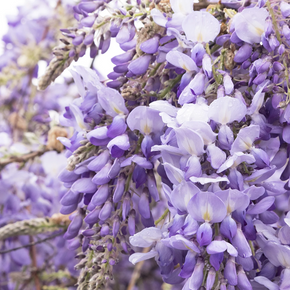
White Japanese Wisteria
SKU:
2232965-P
UPC:
014949766750
$51.99 - $62.99
- Waterfall-like clusters of pure white, highly fragrant flowers (approx. 15–18") create a dramatic spring display.
- Vigorous, clockwise‑twining climber reaching 20–25 ft. with support; ideal for arbors, pergolas, and sturdy trellises.
- Hardy in USDA Zones 5–9; thrives in full sun with well‑drained, moderately fertile soil.
- Deciduous vine that attracts pollinators; can be trained into a small tree for statement accents.
White Japanese Wisteria (Wisteria floribunda ‘Issai Perfect’/‘Alba’ types) delivers an elegant cascade of pure‑white, sweetly fragrant racemes each spring. Fast‑growing stems twine to 25 ft. with support, cloaking pergolas and fences in lush, green foliage that turns golden in fall. Plant in full sun and well‑drained soil, provide a strong structure, and prune seasonally to encourage prolific bloom and manageable size in landscapes across USDA Zones 5–9.
Botanical & Identity
Botanical name: Wisteria floribunda (White forms such as ‘Issai Perfect’ and ‘Alba’). Deciduous, woody, clockwise‑twining vine with pendulous white racemes.
Size & Growth Habit
Fast grower; stems typically reach 20–25 ft. with support. Develops a sturdy, woody framework suitable for covering large structures or for training into a small standard tree.
Light Requirements
Full sun yields the heaviest bloom (6+ hours daily). Tolerates light afternoon shade in hot climates, though flowering may be reduced.
Water & Soil
Keep soil evenly moist but well‑drained, especially in the first growing season. Performs best in moderately fertile soil; avoid consistently wet conditions.
Hardiness & Seasonality
USDA Zones 5–9. Deciduous. Primary bloom in spring; foliage emerges green and often develops yellow fall color.
Flowering & Fragrance
Produces long, nodding clusters (~15–18 in.) of pure white, sweetly fragrant pea‑like flowers that open from the base to the tip for a prolonged display.
Landscape & Uses
Excellent for pergolas, arbors, trellises, and fences; can be trained as a small tree for striking entryway or courtyard accents. Requires a robust support capable of bearing mature weight.
Pruning & Training
Provide a strong leader and tie in young shoots. Prune annually (winter structural pruning; optional summer tip‑pruning) to control size and encourage flowering spurs.
Planting & Establishment
Water regularly during the first season to establish deep roots; once established, water more deeply but less frequently. Feed in spring with a balanced, general‑purpose fertilizer. Mulch to conserve moisture and moderate soil temperature.
Pollinators & Wildlife
Fragrant blooms attract bees, butterflies, and hummingbirds, adding seasonal activity to patios and garden seating areas.
Invasiveness & Placement Notes
White Japanese wisteria is vigorous; site thoughtfully, monitor runners, and prune regularly—especially near structures—to prevent overgrowth.
Safety & Toxicity
All parts are considered toxic if ingested; keep away from pets and children. Wear gloves if you have sensitive skin when pruning.
Companion Plants
Pair with sun‑loving underplantings such as Rosa (roses), Hemerocallis (daylilies), Salvia, and Phlox for layered color beneath the cascading bloom.
- Waterfall-like clusters of pure white, highly fragrant flowers (approx. 15–18") create a dramatic spring display.
- Vigorous, clockwise‑twining climber reaching 20–25 ft. with support; ideal for arbors, pergolas, and sturdy trellises.
- Hardy in USDA Zones 5–9; thrives in full sun with well‑drained, moderately fertile soil.
- Deciduous vine that attracts pollinators; can be trained into a small tree for statement accents.
White Japanese Wisteria (Wisteria floribunda ‘Issai Perfect’/‘Alba’ types) delivers an elegant cascade of pure‑white, sweetly fragrant racemes each spring. Fast‑growing stems twine to 25 ft. with support, cloaking pergolas and fences in lush, green foliage that turns golden in fall. Plant in full sun and well‑drained soil, provide a strong structure, and prune seasonally to encourage prolific bloom and manageable size in landscapes across USDA Zones 5–9.
Botanical & Identity
Botanical name: Wisteria floribunda (White forms such as ‘Issai Perfect’ and ‘Alba’). Deciduous, woody, clockwise‑twining vine with pendulous white racemes.
Size & Growth Habit
Fast grower; stems typically reach 20–25 ft. with support. Develops a sturdy, woody framework suitable for covering large structures or for training into a small standard tree.
Light Requirements
Full sun yields the heaviest bloom (6+ hours daily). Tolerates light afternoon shade in hot climates, though flowering may be reduced.
Water & Soil
Keep soil evenly moist but well‑drained, especially in the first growing season. Performs best in moderately fertile soil; avoid consistently wet conditions.
Hardiness & Seasonality
USDA Zones 5–9. Deciduous. Primary bloom in spring; foliage emerges green and often develops yellow fall color.
Flowering & Fragrance
Produces long, nodding clusters (~15–18 in.) of pure white, sweetly fragrant pea‑like flowers that open from the base to the tip for a prolonged display.
Landscape & Uses
Excellent for pergolas, arbors, trellises, and fences; can be trained as a small tree for striking entryway or courtyard accents. Requires a robust support capable of bearing mature weight.
Pruning & Training
Provide a strong leader and tie in young shoots. Prune annually (winter structural pruning; optional summer tip‑pruning) to control size and encourage flowering spurs.
Planting & Establishment
Water regularly during the first season to establish deep roots; once established, water more deeply but less frequently. Feed in spring with a balanced, general‑purpose fertilizer. Mulch to conserve moisture and moderate soil temperature.
Pollinators & Wildlife
Fragrant blooms attract bees, butterflies, and hummingbirds, adding seasonal activity to patios and garden seating areas.
Invasiveness & Placement Notes
White Japanese wisteria is vigorous; site thoughtfully, monitor runners, and prune regularly—especially near structures—to prevent overgrowth.
Safety & Toxicity
All parts are considered toxic if ingested; keep away from pets and children. Wear gloves if you have sensitive skin when pruning.
Companion Plants
Pair with sun‑loving underplantings such as Rosa (roses), Hemerocallis (daylilies), Salvia, and Phlox for layered color beneath the cascading bloom.
Related Products