


Zoom the image with the mouse
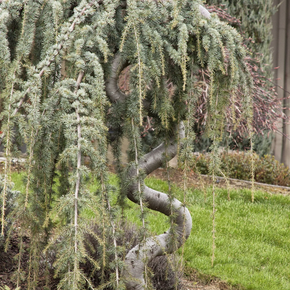
Tolleson's Blue Weeping Juniper - 7 Gallon
SKU:
1156120
$129.99
- Stunning weeping evergreen tree with cascading, thread-like blue-green foliage that creates a striking curtain of silvery color year-round
- Exceptionally cold-hardy and drought-tolerant once established, thriving in USDA Zones 3-9 with minimal supplemental water
- A low-maintenance, deer- and rabbit-resistant landscape showpiece that adapts to a wide range of soil types including clay, rocky, and alkaline soils
- Versatile focal point tree ideal for specimen planting, privacy screens, and erosion control on slopes, growing 1-2 feet per year
Tolleson's Blue Weeping Juniper (Juniperus scopulorum 'Tolleson's Blue Weeping') is one of the most visually dramatic evergreen trees available for the home landscape, offering a breathtaking combination of gracefully arching upright structure and long, pendulous branches draped in fine-textured, silvery blue-green scale-like foliage. A selected cultivar of Rocky Mountain Juniper — a species native to the western United States from British Columbia south to Arizona — this variety is prized for its distinctly weeping habit that evokes flowing curtains of soft blue-gray color throughout every season of the year. At maturity, the tree typically reaches 20-25 feet tall with a spread of 10-15 feet, making it a commanding yet graceful presence in any yard or garden. Its tolerance for drought, heat, salt spray, cold, and a broad range of soil conditions — from sandy and rocky to clay and alkaline — makes it a remarkably adaptable and resilient choice for gardens across Southern Oregon and Northern California. Virtually pest- and disease-resistant in well-drained sites, Tolleson's Blue Weeping Juniper is an outstanding specimen tree, privacy screen, or large-scale accent plant that delivers maximum year-round visual impact with minimal ongoing care.
Plant Description
Tolleson's Blue Weeping Juniper is an upright evergreen conifer with a strong central leader and dramatically pendulous secondary branches that hang in long, flowing curtains of fine, scale-like, thread-like foliage. The foliage color is a distinctive silvery blue-green to blue-gray, with a soft glaucous (powdery) texture that catches and diffuses light beautifully. The overall effect is reminiscent of hanging Spanish moss or a weeping willow rendered in cool silver-blue — an extraordinarily ornamental combination that makes this tree unlike nearly any other commonly available landscape conifer. Small, silvery-blue berry-like seed cones are produced on mature female trees, adding further ornamental interest from late spring through winter. The bark on older specimens becomes attractively fibrous and shreddy with age, adding textural interest at the trunk level. This is a beginner-friendly tree that is highly adaptable and forgiving once properly established.
Mature Size and Growth Rate
| Characteristic | Detail |
|---|---|
| Mature Height | 20-25 feet (can reach up to 25 feet under ideal conditions) |
| Mature Spread | 10-15 feet wide |
| Growth Rate | Moderate to fast; approximately 12-24 inches per year |
| Growth Habit | Upright with a strong central leader; weeping/pendulous secondary branches |
| Years to Maturity | Approximately 5-10 years to reach landscape maturity |
| Lifespan | Several decades with proper care |
Hardiness Zones
Tolleson's Blue Weeping Juniper is one of the most cold-hardy weeping conifers available, rated for USDA Hardiness Zones 3 through 9. This means it can withstand winter temperatures as low as -40 degrees F — far colder than our region ever experiences — making it an extremely reliable, no-worry choice for gardens throughout Southern Oregon and Northern California. It also handles the heat of Zone 9 summers with ease, particularly once established, making it well suited for the warmer valley areas of our region as well as higher-elevation gardens.
Sunlight Requirements
This juniper performs best in full sun, requiring a minimum of 6-8 hours of direct sunlight per day for optimal growth, dense foliage, and the most vivid blue-gray color. It can tolerate partial shade (4-6 hours of sun), but growth will be somewhat slower and the weeping branch structure may become less dense and more open. For the most striking ornamental effect and best overall plant health, choose a planting location that receives unobstructed full sun for the majority of the day. A sheltered spot that offers protection from intense, desiccating winds is also beneficial, particularly in more exposed or high-elevation settings.
Soil and pH Preferences
One of the most soil-adaptable landscape trees available, Tolleson's Blue Weeping Juniper thrives in a wide variety of soil types and is an excellent choice for challenging sites where many other ornamental trees struggle. Key soil requirements include:
- Drainage: Good to excellent drainage is the single most important soil requirement. Avoid areas with standing water or consistently wet, waterlogged soil, as this can lead to root rot and decline.
- Soil Types: Adapts readily to sandy, loamy, rocky, gravelly, clay, and lean or nutrient-poor soils.
- pH Range: Performs well in slightly acidic to moderately alkaline soils, ideally a pH of 6.0-8.0. It is notably tolerant of alkaline conditions that challenge many other plants.
- Salt Tolerance: Demonstrates good tolerance to salt spray and road salt, making it a viable choice near driveways, roads, or coastal settings.
- Amendments: Amending with compost at planting can improve establishment in very poor soils, but this tree does not require rich or heavily amended soil to thrive.
Watering Guide
Proper watering is most critical during the establishment period in the first 1-2 years after planting. Once fully established, Tolleson's Blue Weeping Juniper is highly drought-tolerant and requires very little supplemental irrigation in most Pacific Northwest and Northern California climates.
- At Planting: Water deeply and thoroughly immediately after planting to help settle the soil around the root ball and eliminate air pockets.
- First Season: Water regularly — approximately every 7-10 days during dry periods — keeping the soil evenly moist but never waterlogged.
- Established Plants: Deep, infrequent watering is preferred. Allow the top 2 inches of soil to dry out between waterings. In most years, established trees in our region need little to no supplemental water outside of extended dry spells.
- Summer: This species naturally prefers drier conditions in summer, consistent with its Rocky Mountain origins. Avoid overwatering during hot months.
- Overwatering Warning: Overwatering is the most common cause of decline. Root rot from poorly drained or consistently wet soil is far more damaging than mild drought stress.
Fertilizing
Tolleson's Blue Weeping Juniper is a low-fertility tree that does not require heavy feeding. In fact, over-fertilizing can cause excessively lush, soft growth that is more susceptible to pest and disease problems.
- Frequency: Fertilize once per year in early spring, just as new growth begins.
- Product: Use a balanced, slow-release granular fertilizer formulated for trees and shrubs (such as a 10-10-10 or similar analysis).
- Application: Broadcast granules evenly over the root zone according to product label rates, then water in thoroughly.
- Established Trees: Mature trees growing in reasonably fertile soil often need no fertilization at all and will thrive without it.
- Avoid Late-Season Feeding: Do not fertilize after midsummer, as this can stimulate tender new growth that may be damaged by early fall frosts.
Pruning and Maintenance
Tolleson's Blue Weeping Juniper is considered a low-maintenance tree and typically requires very little pruning to maintain its natural beauty. However, some selective pruning can enhance its appearance and health.
- Best Time to Prune: Late winter to early spring, just before new growth emerges, is the ideal window for any shaping or maintenance pruning.
- General Shaping: Light pruning can be used to maintain the desired size or to tidy up the overall silhouette. Selective removal of some interior branches can expose the unique sculptural structure of the pendulous limbs for added visual effect.
- Dead Wood Removal: Remove any dead, damaged, or diseased branches at any time of year as they are noticed. Always cut back to healthy, green wood.
- Avoid Hard Cutting: Like most junipers, this tree does not regenerate well from old wood that lacks green foliage. Never cut back into bare, brown wood — always prune to a point where green foliage remains on the branch.
- Mulching: Apply a 2-3 inch layer of organic mulch around the base of the tree (keeping mulch several inches away from the trunk) to conserve moisture, moderate soil temperature, and reduce weed competition.
Planting Instructions
- Choose the Right Location: Select a full-sun site with well-drained soil. Allow adequate space for the tree's mature width of 10-15 feet and height of 20-25 feet.
- Best Planting Time: Spring or fall are ideal. Fall planting allows roots to establish before summer heat; spring planting gives roots a full season to develop before winter.
- Dig the Hole: Dig a hole 2-3 times as wide as the root ball and equal in depth. A wide, shallow hole encourages lateral root spread, which is key to establishment.
- Check Drainage: Fill the hole with water and observe — if water does not drain within a few hours, amend the soil or choose a different location to prevent root rot.
- Position the Tree: Set the root ball so the top of the root ball is level with or slightly above the surrounding soil grade. Never bury the trunk flare.
- Backfill: Fill the hole with the native soil removed, tamping gently in layers to eliminate large air pockets. Avoid over-amending with compost, as this can impede root expansion into surrounding soil.
- Water Thoroughly: Water deeply at planting and maintain consistent moisture through the first growing season.
- Mulch: Apply 2-3 inches of mulch in a ring around the planting area, keeping it away from direct contact with the trunk.
- Staking: Stake the tree loosely for the first season if the site is windy, removing stakes after the first year to allow the trunk to develop natural strength.
Seasonal Interest
Tolleson's Blue Weeping Juniper is a true four-season ornamental, providing year-round beauty and interest in the landscape:
- Spring: Fresh new growth appears at the tips of the weeping branches, brightening the silvery blue-green foliage. Small, inconspicuous flowers may appear on mature plants. An excellent season to appreciate the graceful layering of the pendulous branches.
- Summer: The tree's full, cascading silhouette is at its most lush and dramatic against the summer sky. The cool silver-blue foliage color provides a striking contrast with warm-season flowering perennials and ornamental grasses.
- Fall: The evergreen foliage holds its color beautifully as deciduous plants around it begin to change and drop, making this tree a standout anchor in the fall garden. Small berry-like blue seed cones may be visible.
- Winter: The weeping form is especially striking in winter, when its silvery blue-gray curtains of foliage stand out dramatically against dormant brown landscapes, snow, or clear winter skies. The sculptural branch structure becomes even more apparent. Blue-gray berries persist and provide food for wildlife through the cold months.
Landscape Uses
The bold, sculptural weeping habit and striking blue-gray foliage of Tolleson's Blue Weeping Juniper make it one of the most versatile large evergreen trees for ornamental landscapes. Recommended uses include:
- Specimen or Focal Point Tree: An outstanding single-specimen tree planted where its dramatic weeping form can be fully appreciated — at the end of a driveway, at a garden entrance, or as a centerpiece in a large border.
- Privacy Screen or Windbreak: When planted in a row, these trees create a dense, year-round screen or windbreak that is both functional and highly ornamental.
- Near Water Features: Its weeping form looks especially beautiful near ponds, streams, or decorative water features — provided the soil is well-drained and not waterlogged.
- Slopes and Erosion Control: The fibrous root system helps stabilize sloped terrain and reduce soil erosion.
- Foundation Planting: Suitable as a large-scale foundation accent for homes with sufficient space for its mature size.
- Xeriscape and Low-Water Gardens: An ideal choice for water-wise or drought-tolerant landscape designs.
- Coastal Gardens: Its salt tolerance makes it suitable for gardens in coastal or near-coastal locations.
Companion Plants
Tolleson's Blue Weeping Juniper pairs beautifully with other plants that share its preference for full sun and well-drained, drought-tolerant conditions. Its cool silvery-blue foliage color provides an excellent backdrop for plants with contrasting warm tones, fine textures, or bold flowers:
- Russian Sage (Perovskia atriplicifolia): Lavender-blue flower spikes echo the blue-gray foliage tones while adding airy texture and summer color.
- Ornamental Grasses (Festuca glauca, Pennisetum, Miscanthus): Blue fescue especially harmonizes with the silvery foliage; taller grasses add movement and contrast.
- Sedums (Sedum spp.): Drought-tolerant, low-growing sedums fill space at the base without competing for resources and provide contrasting foliage and late-season flower color.
- Purple Coneflower (Echinacea purpurea): Bold pink-purple daisy flowers contrast dramatically with the cool blue foliage through summer and fall.
- Lavender (Lavandula spp.): Shares similar drought tolerance and well-drained soil preferences; the silvery foliage and purple flowers complement the juniper's color palette beautifully.
- Yarrow (Achillea millefolium): Fine-textured, drought-tolerant perennial in a range of colors that pairs well with the juniper's cascading form.
- Dwarf Conifers: Compact globe or mounding conifers in contrasting green or gold tones create a striking, low-maintenance conifer garden composition.
Pests and Diseases
When planted in a well-drained, full-sun location, Tolleson's Blue Weeping Juniper is generally quite pest- and disease-resistant. Most problems arise from poor drainage, excessive moisture, or crowded planting conditions. Common issues to be aware of include:
- Spider Mites (Spruce Spider Mite): The most common pest concern for junipers. Look for speckling or yellowing of foliage and fine webbing on branches, particularly during cool, dry periods in spring and fall. Treat with insecticidal soap or horticultural oil as needed; a strong blast of water can dislodge mites on smaller plants.
- Juniper Scale: Small, immobile bumps on stems and foliage that cause yellowing, off-color foliage, and dieback if left untreated. Apply dormant horticultural oil in late winter to control adult scales; target crawlers in spring with appropriate insecticides.
- Bagworms: Caterpillars that construct small, spindle-shaped bags from plant material on branches. Hand-pick bags in late fall through early spring; treat with Bacillus thuringiensis (Bt) for young larvae in spring.
- Aphids and Mealybugs: Occasional soft-bodied insects that feed on sap. Generally manageable with a strong water spray or insecticidal soap.
- Phomopsis Tip Blight / Kabatina Twig Blight: Fungal diseases that cause browning and dieback of branch tips, usually associated with wet weather and poor air circulation. Prune affected branches and improve air circulation; avoid overhead irrigation.
- Phytophthora Root Rot: Serious fungal disease caused by consistently wet or waterlogged soil. Prevention through proper site selection and drainage is the only effective strategy. Symptoms include gradual decline, sparse foliage, and branch dieback.
- Cedar-Apple Rust: Occasionally affects Juniperus scopulorum varieties; appears as galls on branches. Prune out galls and avoid planting near apple or crabapple trees if this disease has been a local problem.
Wildlife Value
Tolleson's Blue Weeping Juniper offers meaningful ecological value to birds and other wildlife, particularly in fall and winter when food sources are scarce:
- Bird Habitat: The dense, cascading foliage provides excellent year-round shelter, roosting sites, and protective cover for many bird species, including songbirds and small owls.
- Bird Food Source: The small, fleshy, blue-gray seed cones (often called "juniper berries") are a valuable high-fat food source for cedar waxwings, American robins, bluebirds, thrushes, and many other fruit-eating bird species, particularly during fall and winter migration.
- Deer and Rabbit Resistant: The aromatic, resinous foliage is generally unpalatable to deer and rabbits, making it a reliable choice in areas with heavy browse pressure.
- Insect Habitat: Provides shelter and foraging opportunities for beneficial insects and small invertebrates that in turn support the broader garden food web.
Toxicity Information
Tolleson's Blue Weeping Juniper contains aromatic oils and resins that can be mildly irritating if ingested. The following general precautions are recommended:
- Humans: The foliage and sap can cause mild skin irritation or rash on sensitive individuals. Wear gloves when pruning and wash hands thoroughly afterward. Ingestion of plant material may cause mild gastrointestinal upset.
- Pets (Dogs and Cats): The foliage is considered mildly to moderately irritating if ingested. Symptoms may include drooling, pawing at the mouth, or mild vomiting. Monitor pets near the plant and consult a veterinarian if symptoms develop. The plant is not considered severely toxic, but ingestion should be discouraged.
- Wildlife: The berries are safe and beneficial for birds, which have a different metabolic response to juniper compounds than mammals.
- If Poisoning is Suspected: Contact the ASPCA Animal Poison Control Center, Pet Poison Helpline, or your local emergency services as appropriate.
- Stunning weeping evergreen tree with cascading, thread-like blue-green foliage that creates a striking curtain of silvery color year-round
- Exceptionally cold-hardy and drought-tolerant once established, thriving in USDA Zones 3-9 with minimal supplemental water
- A low-maintenance, deer- and rabbit-resistant landscape showpiece that adapts to a wide range of soil types including clay, rocky, and alkaline soils
- Versatile focal point tree ideal for specimen planting, privacy screens, and erosion control on slopes, growing 1-2 feet per year
Tolleson's Blue Weeping Juniper (Juniperus scopulorum 'Tolleson's Blue Weeping') is one of the most visually dramatic evergreen trees available for the home landscape, offering a breathtaking combination of gracefully arching upright structure and long, pendulous branches draped in fine-textured, silvery blue-green scale-like foliage. A selected cultivar of Rocky Mountain Juniper — a species native to the western United States from British Columbia south to Arizona — this variety is prized for its distinctly weeping habit that evokes flowing curtains of soft blue-gray color throughout every season of the year. At maturity, the tree typically reaches 20-25 feet tall with a spread of 10-15 feet, making it a commanding yet graceful presence in any yard or garden. Its tolerance for drought, heat, salt spray, cold, and a broad range of soil conditions — from sandy and rocky to clay and alkaline — makes it a remarkably adaptable and resilient choice for gardens across Southern Oregon and Northern California. Virtually pest- and disease-resistant in well-drained sites, Tolleson's Blue Weeping Juniper is an outstanding specimen tree, privacy screen, or large-scale accent plant that delivers maximum year-round visual impact with minimal ongoing care.
Plant Description
Tolleson's Blue Weeping Juniper is an upright evergreen conifer with a strong central leader and dramatically pendulous secondary branches that hang in long, flowing curtains of fine, scale-like, thread-like foliage. The foliage color is a distinctive silvery blue-green to blue-gray, with a soft glaucous (powdery) texture that catches and diffuses light beautifully. The overall effect is reminiscent of hanging Spanish moss or a weeping willow rendered in cool silver-blue — an extraordinarily ornamental combination that makes this tree unlike nearly any other commonly available landscape conifer. Small, silvery-blue berry-like seed cones are produced on mature female trees, adding further ornamental interest from late spring through winter. The bark on older specimens becomes attractively fibrous and shreddy with age, adding textural interest at the trunk level. This is a beginner-friendly tree that is highly adaptable and forgiving once properly established.
Mature Size and Growth Rate
| Characteristic | Detail |
|---|---|
| Mature Height | 20-25 feet (can reach up to 25 feet under ideal conditions) |
| Mature Spread | 10-15 feet wide |
| Growth Rate | Moderate to fast; approximately 12-24 inches per year |
| Growth Habit | Upright with a strong central leader; weeping/pendulous secondary branches |
| Years to Maturity | Approximately 5-10 years to reach landscape maturity |
| Lifespan | Several decades with proper care |
Hardiness Zones
Tolleson's Blue Weeping Juniper is one of the most cold-hardy weeping conifers available, rated for USDA Hardiness Zones 3 through 9. This means it can withstand winter temperatures as low as -40 degrees F — far colder than our region ever experiences — making it an extremely reliable, no-worry choice for gardens throughout Southern Oregon and Northern California. It also handles the heat of Zone 9 summers with ease, particularly once established, making it well suited for the warmer valley areas of our region as well as higher-elevation gardens.
Sunlight Requirements
This juniper performs best in full sun, requiring a minimum of 6-8 hours of direct sunlight per day for optimal growth, dense foliage, and the most vivid blue-gray color. It can tolerate partial shade (4-6 hours of sun), but growth will be somewhat slower and the weeping branch structure may become less dense and more open. For the most striking ornamental effect and best overall plant health, choose a planting location that receives unobstructed full sun for the majority of the day. A sheltered spot that offers protection from intense, desiccating winds is also beneficial, particularly in more exposed or high-elevation settings.
Soil and pH Preferences
One of the most soil-adaptable landscape trees available, Tolleson's Blue Weeping Juniper thrives in a wide variety of soil types and is an excellent choice for challenging sites where many other ornamental trees struggle. Key soil requirements include:
- Drainage: Good to excellent drainage is the single most important soil requirement. Avoid areas with standing water or consistently wet, waterlogged soil, as this can lead to root rot and decline.
- Soil Types: Adapts readily to sandy, loamy, rocky, gravelly, clay, and lean or nutrient-poor soils.
- pH Range: Performs well in slightly acidic to moderately alkaline soils, ideally a pH of 6.0-8.0. It is notably tolerant of alkaline conditions that challenge many other plants.
- Salt Tolerance: Demonstrates good tolerance to salt spray and road salt, making it a viable choice near driveways, roads, or coastal settings.
- Amendments: Amending with compost at planting can improve establishment in very poor soils, but this tree does not require rich or heavily amended soil to thrive.
Watering Guide
Proper watering is most critical during the establishment period in the first 1-2 years after planting. Once fully established, Tolleson's Blue Weeping Juniper is highly drought-tolerant and requires very little supplemental irrigation in most Pacific Northwest and Northern California climates.
- At Planting: Water deeply and thoroughly immediately after planting to help settle the soil around the root ball and eliminate air pockets.
- First Season: Water regularly — approximately every 7-10 days during dry periods — keeping the soil evenly moist but never waterlogged.
- Established Plants: Deep, infrequent watering is preferred. Allow the top 2 inches of soil to dry out between waterings. In most years, established trees in our region need little to no supplemental water outside of extended dry spells.
- Summer: This species naturally prefers drier conditions in summer, consistent with its Rocky Mountain origins. Avoid overwatering during hot months.
- Overwatering Warning: Overwatering is the most common cause of decline. Root rot from poorly drained or consistently wet soil is far more damaging than mild drought stress.
Fertilizing
Tolleson's Blue Weeping Juniper is a low-fertility tree that does not require heavy feeding. In fact, over-fertilizing can cause excessively lush, soft growth that is more susceptible to pest and disease problems.
- Frequency: Fertilize once per year in early spring, just as new growth begins.
- Product: Use a balanced, slow-release granular fertilizer formulated for trees and shrubs (such as a 10-10-10 or similar analysis).
- Application: Broadcast granules evenly over the root zone according to product label rates, then water in thoroughly.
- Established Trees: Mature trees growing in reasonably fertile soil often need no fertilization at all and will thrive without it.
- Avoid Late-Season Feeding: Do not fertilize after midsummer, as this can stimulate tender new growth that may be damaged by early fall frosts.
Pruning and Maintenance
Tolleson's Blue Weeping Juniper is considered a low-maintenance tree and typically requires very little pruning to maintain its natural beauty. However, some selective pruning can enhance its appearance and health.
- Best Time to Prune: Late winter to early spring, just before new growth emerges, is the ideal window for any shaping or maintenance pruning.
- General Shaping: Light pruning can be used to maintain the desired size or to tidy up the overall silhouette. Selective removal of some interior branches can expose the unique sculptural structure of the pendulous limbs for added visual effect.
- Dead Wood Removal: Remove any dead, damaged, or diseased branches at any time of year as they are noticed. Always cut back to healthy, green wood.
- Avoid Hard Cutting: Like most junipers, this tree does not regenerate well from old wood that lacks green foliage. Never cut back into bare, brown wood — always prune to a point where green foliage remains on the branch.
- Mulching: Apply a 2-3 inch layer of organic mulch around the base of the tree (keeping mulch several inches away from the trunk) to conserve moisture, moderate soil temperature, and reduce weed competition.
Planting Instructions
- Choose the Right Location: Select a full-sun site with well-drained soil. Allow adequate space for the tree's mature width of 10-15 feet and height of 20-25 feet.
- Best Planting Time: Spring or fall are ideal. Fall planting allows roots to establish before summer heat; spring planting gives roots a full season to develop before winter.
- Dig the Hole: Dig a hole 2-3 times as wide as the root ball and equal in depth. A wide, shallow hole encourages lateral root spread, which is key to establishment.
- Check Drainage: Fill the hole with water and observe — if water does not drain within a few hours, amend the soil or choose a different location to prevent root rot.
- Position the Tree: Set the root ball so the top of the root ball is level with or slightly above the surrounding soil grade. Never bury the trunk flare.
- Backfill: Fill the hole with the native soil removed, tamping gently in layers to eliminate large air pockets. Avoid over-amending with compost, as this can impede root expansion into surrounding soil.
- Water Thoroughly: Water deeply at planting and maintain consistent moisture through the first growing season.
- Mulch: Apply 2-3 inches of mulch in a ring around the planting area, keeping it away from direct contact with the trunk.
- Staking: Stake the tree loosely for the first season if the site is windy, removing stakes after the first year to allow the trunk to develop natural strength.
Seasonal Interest
Tolleson's Blue Weeping Juniper is a true four-season ornamental, providing year-round beauty and interest in the landscape:
- Spring: Fresh new growth appears at the tips of the weeping branches, brightening the silvery blue-green foliage. Small, inconspicuous flowers may appear on mature plants. An excellent season to appreciate the graceful layering of the pendulous branches.
- Summer: The tree's full, cascading silhouette is at its most lush and dramatic against the summer sky. The cool silver-blue foliage color provides a striking contrast with warm-season flowering perennials and ornamental grasses.
- Fall: The evergreen foliage holds its color beautifully as deciduous plants around it begin to change and drop, making this tree a standout anchor in the fall garden. Small berry-like blue seed cones may be visible.
- Winter: The weeping form is especially striking in winter, when its silvery blue-gray curtains of foliage stand out dramatically against dormant brown landscapes, snow, or clear winter skies. The sculptural branch structure becomes even more apparent. Blue-gray berries persist and provide food for wildlife through the cold months.
Landscape Uses
The bold, sculptural weeping habit and striking blue-gray foliage of Tolleson's Blue Weeping Juniper make it one of the most versatile large evergreen trees for ornamental landscapes. Recommended uses include:
- Specimen or Focal Point Tree: An outstanding single-specimen tree planted where its dramatic weeping form can be fully appreciated — at the end of a driveway, at a garden entrance, or as a centerpiece in a large border.
- Privacy Screen or Windbreak: When planted in a row, these trees create a dense, year-round screen or windbreak that is both functional and highly ornamental.
- Near Water Features: Its weeping form looks especially beautiful near ponds, streams, or decorative water features — provided the soil is well-drained and not waterlogged.
- Slopes and Erosion Control: The fibrous root system helps stabilize sloped terrain and reduce soil erosion.
- Foundation Planting: Suitable as a large-scale foundation accent for homes with sufficient space for its mature size.
- Xeriscape and Low-Water Gardens: An ideal choice for water-wise or drought-tolerant landscape designs.
- Coastal Gardens: Its salt tolerance makes it suitable for gardens in coastal or near-coastal locations.
Companion Plants
Tolleson's Blue Weeping Juniper pairs beautifully with other plants that share its preference for full sun and well-drained, drought-tolerant conditions. Its cool silvery-blue foliage color provides an excellent backdrop for plants with contrasting warm tones, fine textures, or bold flowers:
- Russian Sage (Perovskia atriplicifolia): Lavender-blue flower spikes echo the blue-gray foliage tones while adding airy texture and summer color.
- Ornamental Grasses (Festuca glauca, Pennisetum, Miscanthus): Blue fescue especially harmonizes with the silvery foliage; taller grasses add movement and contrast.
- Sedums (Sedum spp.): Drought-tolerant, low-growing sedums fill space at the base without competing for resources and provide contrasting foliage and late-season flower color.
- Purple Coneflower (Echinacea purpurea): Bold pink-purple daisy flowers contrast dramatically with the cool blue foliage through summer and fall.
- Lavender (Lavandula spp.): Shares similar drought tolerance and well-drained soil preferences; the silvery foliage and purple flowers complement the juniper's color palette beautifully.
- Yarrow (Achillea millefolium): Fine-textured, drought-tolerant perennial in a range of colors that pairs well with the juniper's cascading form.
- Dwarf Conifers: Compact globe or mounding conifers in contrasting green or gold tones create a striking, low-maintenance conifer garden composition.
Pests and Diseases
When planted in a well-drained, full-sun location, Tolleson's Blue Weeping Juniper is generally quite pest- and disease-resistant. Most problems arise from poor drainage, excessive moisture, or crowded planting conditions. Common issues to be aware of include:
- Spider Mites (Spruce Spider Mite): The most common pest concern for junipers. Look for speckling or yellowing of foliage and fine webbing on branches, particularly during cool, dry periods in spring and fall. Treat with insecticidal soap or horticultural oil as needed; a strong blast of water can dislodge mites on smaller plants.
- Juniper Scale: Small, immobile bumps on stems and foliage that cause yellowing, off-color foliage, and dieback if left untreated. Apply dormant horticultural oil in late winter to control adult scales; target crawlers in spring with appropriate insecticides.
- Bagworms: Caterpillars that construct small, spindle-shaped bags from plant material on branches. Hand-pick bags in late fall through early spring; treat with Bacillus thuringiensis (Bt) for young larvae in spring.
- Aphids and Mealybugs: Occasional soft-bodied insects that feed on sap. Generally manageable with a strong water spray or insecticidal soap.
- Phomopsis Tip Blight / Kabatina Twig Blight: Fungal diseases that cause browning and dieback of branch tips, usually associated with wet weather and poor air circulation. Prune affected branches and improve air circulation; avoid overhead irrigation.
- Phytophthora Root Rot: Serious fungal disease caused by consistently wet or waterlogged soil. Prevention through proper site selection and drainage is the only effective strategy. Symptoms include gradual decline, sparse foliage, and branch dieback.
- Cedar-Apple Rust: Occasionally affects Juniperus scopulorum varieties; appears as galls on branches. Prune out galls and avoid planting near apple or crabapple trees if this disease has been a local problem.
Wildlife Value
Tolleson's Blue Weeping Juniper offers meaningful ecological value to birds and other wildlife, particularly in fall and winter when food sources are scarce:
- Bird Habitat: The dense, cascading foliage provides excellent year-round shelter, roosting sites, and protective cover for many bird species, including songbirds and small owls.
- Bird Food Source: The small, fleshy, blue-gray seed cones (often called "juniper berries") are a valuable high-fat food source for cedar waxwings, American robins, bluebirds, thrushes, and many other fruit-eating bird species, particularly during fall and winter migration.
- Deer and Rabbit Resistant: The aromatic, resinous foliage is generally unpalatable to deer and rabbits, making it a reliable choice in areas with heavy browse pressure.
- Insect Habitat: Provides shelter and foraging opportunities for beneficial insects and small invertebrates that in turn support the broader garden food web.
Toxicity Information
Tolleson's Blue Weeping Juniper contains aromatic oils and resins that can be mildly irritating if ingested. The following general precautions are recommended:
- Humans: The foliage and sap can cause mild skin irritation or rash on sensitive individuals. Wear gloves when pruning and wash hands thoroughly afterward. Ingestion of plant material may cause mild gastrointestinal upset.
- Pets (Dogs and Cats): The foliage is considered mildly to moderately irritating if ingested. Symptoms may include drooling, pawing at the mouth, or mild vomiting. Monitor pets near the plant and consult a veterinarian if symptoms develop. The plant is not considered severely toxic, but ingestion should be discouraged.
- Wildlife: The berries are safe and beneficial for birds, which have a different metabolic response to juniper compounds than mammals.
- If Poisoning is Suspected: Contact the ASPCA Animal Poison Control Center, Pet Poison Helpline, or your local emergency services as appropriate.
Related Products


