

Zoom the image with the mouse
Tectonic Shangri-La Begonia - 2 Gallon
SKU:
1979825
UPC:
014949456156
$24.99
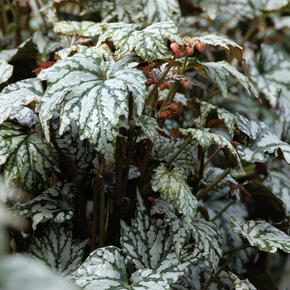
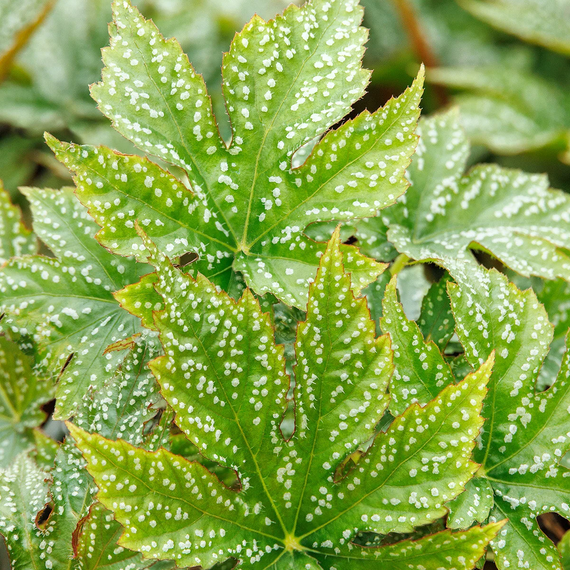
- Exotic, deeply lobed palmate leaves in dark olive green with silvery white speckles, brick red undersides, and fuzzy dark red stems deliver year-round drama in shaded gardens and containers alike.
- A fantastically hardy woodland perennial native to the mountains of southern China, offering far greater outdoor durability than typical begonias in USDA Zones 7b-11.
- Delicate soft pink flowers bloom from late spring through early fall, complementing the striking foliage with a graceful seasonal flourish.
- Exceptionally versatile - thrives as a bold shade garden specimen, a showstopping patio container plant, a large terrarium feature, or an eye-catching indoor houseplant.
Tectonic Shangri-La Begonia (Begonia circumlobata 'MonShayne') is a rare and captivating woodland perennial that brings extraordinary foliage drama to shaded spaces with an architectural presence few shade plants can match. Originating from the subtropical mountain forests of southern China, this rhizomatous begonia produces upright, fuzzy dark red stems that support large, deeply lobed, palmate leaves in rich dark olive green adorned with silvery white speckling and vivid brick red undersides - a multi-toned foliage display that commands attention in any garden setting. Far more cold-tolerant than most begonias, Tectonic Shangri-La thrives outdoors in USDA Zones 7b through 11, making it an outstanding perennial choice for the mild climates of Southern Oregon and Northern California. Soft pink flowers emerge from late spring into early fall, adding a delicate floral accent to the plant's bold foliage character. Whether planted in a shaded woodland border, used as a dramatic focal point in a mixed container arrangement, or grown indoors as a lush houseplant, this low-maintenance begonia brings a collector-quality tropical sophistication to every planting it inhabits.
Plant Description
Tectonic Shangri-La Begonia is a rhizomatous, herbaceous perennial with an upright to clumping growth habit that gives it a strong, architectural presence in the garden. Its most celebrated feature is its dramatic foliage: large, deeply lobed, palmate leaves with a boldly toothed outline in rich dark olive green, overlaid with silvery white speckles and showing vivid brick red on the undersides. The stems are upright, fuzzy, and dark red, adding a striking vertical element that reinforces the plant's tropical character. From late spring through early fall, clusters of delicate soft pink flowers emerge above the foliage, providing a gentle floral contrast to the bold leaves. Native to the subtropical mountain forests of southern and south-central China, this species (Begonia circumlobata) was first published in botanical literature in 1883 and has since been selected and bred into exceptional garden cultivars like the Tectonic Shangri-La. Unlike many begonias, this selection offers remarkable hardiness and outdoor staying power, making it a standout choice among shade-loving perennials.
Mature Size
| Attribute | Measurement |
|---|---|
| Mature Height | 12 - 18 inches |
| Mature Spread | 12 - 18 inches |
| Growth Habit | Upright to clumping, mounded |
| Growth Rate | Moderate |
| Plant Type | Rhizomatous perennial |
Hardiness Zones
Tectonic Shangri-La Begonia is best suited for outdoor garden use in USDA Hardiness Zones 7b through 11. It is notably more cold-tolerant than many begonias, with gardeners in Zone 7b reporting successful overwintering when the root zone is protected with a generous layer of mulch. In Zones 8 through 11 - which encompasses much of Southern Oregon and Northern California - it can be treated as a reliable garden perennial. In colder portions of its range or during unusually harsh winters, providing a thick mulch layer over the crown significantly improves winter survival. Container-grown plants should be moved indoors when nighttime temperatures begin approaching 40 to 45 degrees Fahrenheit.
Sunlight Requirements
This begonia performs best in partial to full shade, with bright filtered or dappled light being ideal. It thrives beneath the canopy of deciduous trees or on the shaded north or east side of structures where it receives gentle morning light and protection from harsh afternoon sun. Direct midday or afternoon sun causes leaf scorch, bleaching of the distinctive silvery speckling, and overall decline in foliage quality. Indoors, place it near a bright window where it receives plenty of indirect light but is shielded from direct rays. The richer and more vibrant the foliage color, the better the light conditions are being met.
- Ideal: Bright filtered or dappled shade
- Acceptable: Full shade with some ambient brightness
- Avoid: Direct midday sun, harsh afternoon sun, and deep dark shade with little ambient light
Soil and pH Preferences
Tectonic Shangri-La Begonia thrives in rich, organically amended, well-drained soil that retains consistent moisture without becoming waterlogged. It prefers a slightly acidic to neutral soil pH in the range of 5.5 to 7.0. Heavy clay soils should be amended with compost, perlite, or coarse bark to improve drainage and prevent root rot. Sandy soils benefit from the addition of organic matter to improve moisture retention. For container planting, use a high-quality, peat- or coir-based potting mix with added perlite for drainage. Avoid planting in low-lying areas where water tends to pool, as prolonged wet conditions at the root zone are one of the most common causes of decline in this plant.
Watering Guide
Consistent moisture is key to keeping Tectonic Shangri-La Begonia healthy and its foliage looking its best. Water regularly to keep the soil evenly moist, allowing only the top inch or so to begin drying between waterings rather than letting the soil dry out completely. During hot summer weather or when grown in containers, more frequent watering may be needed. Avoid overhead watering directly onto the foliage when possible, as wet leaves sitting in humid conditions can promote fungal diseases such as powdery mildew and leaf spot. Water at the base of the plant in the morning so any incidental moisture on the leaves can dry during the day. In winter, reduce watering frequency significantly for plants grown in the ground, as cooler temperatures and reduced growth require much less moisture.
Fertilizing
Feed Tectonic Shangri-La Begonia during the active growing season from spring through early fall to support lush foliage development and healthy flowering. A balanced, slow-release granular fertilizer (such as a 10-10-10 or similar formulation) applied in early spring as new growth emerges gives the plant a strong seasonal start. For a more targeted approach, a liquid fertilizer higher in nitrogen supports robust leaf production, while a balanced or slightly phosphorus-enriched formula supports flowering. Alternatively, top-dress the root zone with a layer of finished compost or well-rotted organic matter each spring for a gentle, natural nutrient boost. Avoid over-fertilizing, which can produce lush but soft growth that is more susceptible to pests. Reduce or suspend feeding entirely from late fall through winter when the plant is resting.
Planting Instructions
- Select a location with partial to full shade and protection from harsh afternoon sun and drying winds.
- Prepare the planting hole to twice the width of the root ball and to the same depth. Amend clay or sandy soils with compost to improve drainage and moisture retention.
- Remove the plant from its nursery container and gently loosen any circling roots at the base of the root ball.
- Set the plant so the top of the root ball sits level with or slightly above the surrounding soil surface to prevent crown rot.
- Backfill with the amended native soil, firming gently around the roots to eliminate air pockets.
- Water thoroughly immediately after planting to settle the soil around the roots.
- Apply a 2 to 3 inch layer of organic mulch around the plant, keeping it a few inches away from the base of the stems to discourage rot and pest harborage.
- Continue to water regularly throughout the first growing season to help the plant establish a deep, healthy root system.
Pruning and Maintenance
Tectonic Shangri-La Begonia is a low-maintenance plant that requires only minimal grooming to look its best. Remove spent flower stems as blooms fade to keep the plant tidy and encourage continued flowering through the season. Any damaged, yellowed, or diseased leaves should be removed promptly at their base to maintain good air circulation and a clean appearance. In late winter or very early spring, before new growth begins, remove any old or frost-damaged foliage from the previous season to make way for fresh growth. Avoid heavy pruning into healthy stems during the growing season, as this can stress the plant and temporarily diminish its ornamental value. A light cleanup and mulch refresh each spring is generally all this begonia needs to perform at its best year after year.
Container Growing
Tectonic Shangri-La Begonia is an excellent candidate for container gardening and truly shines as a patio or deck specimen where its extraordinary foliage can be admired up close. Choose a container with multiple drainage holes and fill it with a high-quality potting mix amended with perlite for good drainage. A pot at least 12 inches in diameter provides adequate room for the root system while preventing the soil from staying too wet. Place containers in a sheltered location with bright, filtered shade and protection from wind and direct afternoon sun. Container plants dry out faster than in-ground plants, so check soil moisture regularly and water as soon as the top inch of soil feels dry. Feed container-grown plants with a balanced liquid fertilizer every two to three weeks during the growing season. Move containers indoors before the first frost, placing them in a bright location away from cold drafts, heating vents, and direct sun. This begonia also makes a striking and easy-care houseplant or large terrarium subject when grown indoors year-round.
Seasonal Interest
While many shade plants offer interest for only part of the year, Tectonic Shangri-La Begonia delivers multi-season appeal thanks to its exceptional foliage. The dark olive green, deeply lobed leaves with silver speckling and brick red undersides look striking from the moment new growth emerges in spring all the way through fall. Soft pink flowers add a delicate floral layer from late spring through early fall, floating above the bold leaves on upright stems. In mild climates such as those found in Southern Oregon and Northern California, the foliage may remain semi-evergreen through winter, providing welcome color and texture when much of the garden is bare. Even when cut back by cold, the rhizomatous root system remains alive underground and pushes fresh, vigorous growth back up as temperatures warm in spring.
Landscape Uses
- Woodland Gardens: A natural fit beneath the canopy of deciduous trees, where it combines beautifully with other shade-tolerant plants to create a lush, layered understory.
- Shaded Borders: Use as a bold textural anchor or mid-border focal point in north- or east-facing beds with limited direct sun.
- Container Specimen: Stunning in a large decorative pot on a shaded patio, deck, or entryway where its dramatic foliage creates an immediate impression.
- Mass Planting: When planted in groups, the repeated pattern of deeply lobed, speckled leaves creates a visually rich ground-covering effect in shaded garden areas.
- Terrarium Feature: Its compact size, love of humidity, and exotic foliage make it ideal for large vivariums and enclosed garden displays.
- Indoor Houseplant: Thrives in bright, indirect indoor light, bringing a lush tropical character to living rooms, sunrooms, and offices.
- Understory Accent: Pairs effectively with taller shade shrubs and small ornamental trees as a low-growing understory layer.
Companion Plants
Tectonic Shangri-La Begonia pairs beautifully with other shade-tolerant plants that complement its bold, textured foliage without competing with it visually. Consider these excellent companions for woodland borders, shaded container arrangements, and understory plantings:
- Hostas: Large, bold hosta leaves in blue, gold, or variegated tones provide a beautiful foil to the deeply lobed begonia foliage while sharing identical light and moisture requirements.
- Ferns: The soft, feathery texture of Japanese painted ferns or autumn ferns creates a lovely textural contrast alongside the substantial begonia leaves.
- Heucheras (Coral Bells): Colorful foliage in burgundy, caramel, or lime green creates vibrant color combinations and thrives in the same shaded, moist conditions.
- Astilbes: Feathery plumes of pink, white, or red flowers in summer complement the begonia's foliage beautifully while filling vertical space above it.
- Impatiens: Classic shade annuals that echo the begonia's pink flower tones and fill in around the base with continuous seasonal color.
- Tiarellas (Foamflowers): Low-growing, delicately flowered ground covers that create a soft carpet beneath the bold begonia foliage.
- Caladiums: Brightly patterned tropical foliage plants that thrive in similar humid, shaded conditions and add even more color contrast to the planting.
Pests and Diseases
Tectonic Shangri-La Begonia is generally a robust and pest-resistant plant when grown in appropriate conditions, but like all begonias it can be affected by certain pests and diseases. Early detection and prompt treatment are the best strategies for keeping the plant healthy.
- Aphids: Small, soft-bodied insects that cluster on new growth and undersides of leaves, feeding on plant sap and causing leaf curl and yellowing. Treat with insecticidal soap spray or neem oil.
- Mealybugs: White, cottony pests that appear at stem joints and leaf axils. Remove with a cotton swab dipped in rubbing alcohol and follow up with neem oil applications.
- Spider Mites: Thrive in hot, dry conditions and cause fine stippling and bronzing of leaves, often with fine webbing on the undersides. Improve humidity and treat with insecticidal soap or neem oil.
- Thrips: Tiny, fast-moving insects that cause silvery streaking and distortion of leaves, especially in warm, humid conditions. Control with insecticidal soap or appropriate systemic insecticides.
- Whiteflies: Small, white-winged insects that congregate on the undersides of leaves and weaken the plant by feeding on sap. Treat with sticky yellow traps and insecticidal soap sprays.
- Powdery Mildew: A fungal disease that produces a white, dusty coating on leaf surfaces, especially in conditions with poor air circulation. Treat with an appropriate fungicide and improve spacing and airflow.
- Leaf Spot and Blight: Bacterial or fungal infections causing dark, water-soaked spots that spread across the foliage. Avoid overhead watering, remove and destroy infected leaves, and apply a copper-based fungicide if needed.
- Root and Crown Rot (Pythium / Rhizoctonia): Caused by overwatering or poorly drained soil. Prevent by ensuring excellent drainage and avoiding waterlogged conditions.
Wildlife Value and Toxicity
Tectonic Shangri-La Begonia has meaningful, if modest, value to local wildlife. The soft pink flowers attract pollinators including bees and butterflies during the blooming season from late spring through early fall, providing a nectar source within shaded garden areas where flowering plants can be sparse. The plant is generally considered deer-resistant and rabbit-resistant, making it a practical choice for gardens in areas with significant deer pressure, which is common in much of Southern Oregon and Northern California. However, it is important to note that begonias, including this species, contain soluble calcium oxalates and are considered toxic to dogs, cats, and other household pets if ingested. The tubers and roots contain the highest concentration of these compounds. Keep this plant out of reach of pets and small children, and contact a veterinarian immediately if ingestion is suspected.
- Exotic, deeply lobed palmate leaves in dark olive green with silvery white speckles, brick red undersides, and fuzzy dark red stems deliver year-round drama in shaded gardens and containers alike.
- A fantastically hardy woodland perennial native to the mountains of southern China, offering far greater outdoor durability than typical begonias in USDA Zones 7b-11.
- Delicate soft pink flowers bloom from late spring through early fall, complementing the striking foliage with a graceful seasonal flourish.
- Exceptionally versatile - thrives as a bold shade garden specimen, a showstopping patio container plant, a large terrarium feature, or an eye-catching indoor houseplant.
Tectonic Shangri-La Begonia (Begonia circumlobata 'MonShayne') is a rare and captivating woodland perennial that brings extraordinary foliage drama to shaded spaces with an architectural presence few shade plants can match. Originating from the subtropical mountain forests of southern China, this rhizomatous begonia produces upright, fuzzy dark red stems that support large, deeply lobed, palmate leaves in rich dark olive green adorned with silvery white speckling and vivid brick red undersides - a multi-toned foliage display that commands attention in any garden setting. Far more cold-tolerant than most begonias, Tectonic Shangri-La thrives outdoors in USDA Zones 7b through 11, making it an outstanding perennial choice for the mild climates of Southern Oregon and Northern California. Soft pink flowers emerge from late spring into early fall, adding a delicate floral accent to the plant's bold foliage character. Whether planted in a shaded woodland border, used as a dramatic focal point in a mixed container arrangement, or grown indoors as a lush houseplant, this low-maintenance begonia brings a collector-quality tropical sophistication to every planting it inhabits.
Plant Description
Tectonic Shangri-La Begonia is a rhizomatous, herbaceous perennial with an upright to clumping growth habit that gives it a strong, architectural presence in the garden. Its most celebrated feature is its dramatic foliage: large, deeply lobed, palmate leaves with a boldly toothed outline in rich dark olive green, overlaid with silvery white speckles and showing vivid brick red on the undersides. The stems are upright, fuzzy, and dark red, adding a striking vertical element that reinforces the plant's tropical character. From late spring through early fall, clusters of delicate soft pink flowers emerge above the foliage, providing a gentle floral contrast to the bold leaves. Native to the subtropical mountain forests of southern and south-central China, this species (Begonia circumlobata) was first published in botanical literature in 1883 and has since been selected and bred into exceptional garden cultivars like the Tectonic Shangri-La. Unlike many begonias, this selection offers remarkable hardiness and outdoor staying power, making it a standout choice among shade-loving perennials.
Mature Size
| Attribute | Measurement |
|---|---|
| Mature Height | 12 - 18 inches |
| Mature Spread | 12 - 18 inches |
| Growth Habit | Upright to clumping, mounded |
| Growth Rate | Moderate |
| Plant Type | Rhizomatous perennial |
Hardiness Zones
Tectonic Shangri-La Begonia is best suited for outdoor garden use in USDA Hardiness Zones 7b through 11. It is notably more cold-tolerant than many begonias, with gardeners in Zone 7b reporting successful overwintering when the root zone is protected with a generous layer of mulch. In Zones 8 through 11 - which encompasses much of Southern Oregon and Northern California - it can be treated as a reliable garden perennial. In colder portions of its range or during unusually harsh winters, providing a thick mulch layer over the crown significantly improves winter survival. Container-grown plants should be moved indoors when nighttime temperatures begin approaching 40 to 45 degrees Fahrenheit.
Sunlight Requirements
This begonia performs best in partial to full shade, with bright filtered or dappled light being ideal. It thrives beneath the canopy of deciduous trees or on the shaded north or east side of structures where it receives gentle morning light and protection from harsh afternoon sun. Direct midday or afternoon sun causes leaf scorch, bleaching of the distinctive silvery speckling, and overall decline in foliage quality. Indoors, place it near a bright window where it receives plenty of indirect light but is shielded from direct rays. The richer and more vibrant the foliage color, the better the light conditions are being met.
- Ideal: Bright filtered or dappled shade
- Acceptable: Full shade with some ambient brightness
- Avoid: Direct midday sun, harsh afternoon sun, and deep dark shade with little ambient light
Soil and pH Preferences
Tectonic Shangri-La Begonia thrives in rich, organically amended, well-drained soil that retains consistent moisture without becoming waterlogged. It prefers a slightly acidic to neutral soil pH in the range of 5.5 to 7.0. Heavy clay soils should be amended with compost, perlite, or coarse bark to improve drainage and prevent root rot. Sandy soils benefit from the addition of organic matter to improve moisture retention. For container planting, use a high-quality, peat- or coir-based potting mix with added perlite for drainage. Avoid planting in low-lying areas where water tends to pool, as prolonged wet conditions at the root zone are one of the most common causes of decline in this plant.
Watering Guide
Consistent moisture is key to keeping Tectonic Shangri-La Begonia healthy and its foliage looking its best. Water regularly to keep the soil evenly moist, allowing only the top inch or so to begin drying between waterings rather than letting the soil dry out completely. During hot summer weather or when grown in containers, more frequent watering may be needed. Avoid overhead watering directly onto the foliage when possible, as wet leaves sitting in humid conditions can promote fungal diseases such as powdery mildew and leaf spot. Water at the base of the plant in the morning so any incidental moisture on the leaves can dry during the day. In winter, reduce watering frequency significantly for plants grown in the ground, as cooler temperatures and reduced growth require much less moisture.
Fertilizing
Feed Tectonic Shangri-La Begonia during the active growing season from spring through early fall to support lush foliage development and healthy flowering. A balanced, slow-release granular fertilizer (such as a 10-10-10 or similar formulation) applied in early spring as new growth emerges gives the plant a strong seasonal start. For a more targeted approach, a liquid fertilizer higher in nitrogen supports robust leaf production, while a balanced or slightly phosphorus-enriched formula supports flowering. Alternatively, top-dress the root zone with a layer of finished compost or well-rotted organic matter each spring for a gentle, natural nutrient boost. Avoid over-fertilizing, which can produce lush but soft growth that is more susceptible to pests. Reduce or suspend feeding entirely from late fall through winter when the plant is resting.
Planting Instructions
- Select a location with partial to full shade and protection from harsh afternoon sun and drying winds.
- Prepare the planting hole to twice the width of the root ball and to the same depth. Amend clay or sandy soils with compost to improve drainage and moisture retention.
- Remove the plant from its nursery container and gently loosen any circling roots at the base of the root ball.
- Set the plant so the top of the root ball sits level with or slightly above the surrounding soil surface to prevent crown rot.
- Backfill with the amended native soil, firming gently around the roots to eliminate air pockets.
- Water thoroughly immediately after planting to settle the soil around the roots.
- Apply a 2 to 3 inch layer of organic mulch around the plant, keeping it a few inches away from the base of the stems to discourage rot and pest harborage.
- Continue to water regularly throughout the first growing season to help the plant establish a deep, healthy root system.
Pruning and Maintenance
Tectonic Shangri-La Begonia is a low-maintenance plant that requires only minimal grooming to look its best. Remove spent flower stems as blooms fade to keep the plant tidy and encourage continued flowering through the season. Any damaged, yellowed, or diseased leaves should be removed promptly at their base to maintain good air circulation and a clean appearance. In late winter or very early spring, before new growth begins, remove any old or frost-damaged foliage from the previous season to make way for fresh growth. Avoid heavy pruning into healthy stems during the growing season, as this can stress the plant and temporarily diminish its ornamental value. A light cleanup and mulch refresh each spring is generally all this begonia needs to perform at its best year after year.
Container Growing
Tectonic Shangri-La Begonia is an excellent candidate for container gardening and truly shines as a patio or deck specimen where its extraordinary foliage can be admired up close. Choose a container with multiple drainage holes and fill it with a high-quality potting mix amended with perlite for good drainage. A pot at least 12 inches in diameter provides adequate room for the root system while preventing the soil from staying too wet. Place containers in a sheltered location with bright, filtered shade and protection from wind and direct afternoon sun. Container plants dry out faster than in-ground plants, so check soil moisture regularly and water as soon as the top inch of soil feels dry. Feed container-grown plants with a balanced liquid fertilizer every two to three weeks during the growing season. Move containers indoors before the first frost, placing them in a bright location away from cold drafts, heating vents, and direct sun. This begonia also makes a striking and easy-care houseplant or large terrarium subject when grown indoors year-round.
Seasonal Interest
While many shade plants offer interest for only part of the year, Tectonic Shangri-La Begonia delivers multi-season appeal thanks to its exceptional foliage. The dark olive green, deeply lobed leaves with silver speckling and brick red undersides look striking from the moment new growth emerges in spring all the way through fall. Soft pink flowers add a delicate floral layer from late spring through early fall, floating above the bold leaves on upright stems. In mild climates such as those found in Southern Oregon and Northern California, the foliage may remain semi-evergreen through winter, providing welcome color and texture when much of the garden is bare. Even when cut back by cold, the rhizomatous root system remains alive underground and pushes fresh, vigorous growth back up as temperatures warm in spring.
Landscape Uses
- Woodland Gardens: A natural fit beneath the canopy of deciduous trees, where it combines beautifully with other shade-tolerant plants to create a lush, layered understory.
- Shaded Borders: Use as a bold textural anchor or mid-border focal point in north- or east-facing beds with limited direct sun.
- Container Specimen: Stunning in a large decorative pot on a shaded patio, deck, or entryway where its dramatic foliage creates an immediate impression.
- Mass Planting: When planted in groups, the repeated pattern of deeply lobed, speckled leaves creates a visually rich ground-covering effect in shaded garden areas.
- Terrarium Feature: Its compact size, love of humidity, and exotic foliage make it ideal for large vivariums and enclosed garden displays.
- Indoor Houseplant: Thrives in bright, indirect indoor light, bringing a lush tropical character to living rooms, sunrooms, and offices.
- Understory Accent: Pairs effectively with taller shade shrubs and small ornamental trees as a low-growing understory layer.
Companion Plants
Tectonic Shangri-La Begonia pairs beautifully with other shade-tolerant plants that complement its bold, textured foliage without competing with it visually. Consider these excellent companions for woodland borders, shaded container arrangements, and understory plantings:
- Hostas: Large, bold hosta leaves in blue, gold, or variegated tones provide a beautiful foil to the deeply lobed begonia foliage while sharing identical light and moisture requirements.
- Ferns: The soft, feathery texture of Japanese painted ferns or autumn ferns creates a lovely textural contrast alongside the substantial begonia leaves.
- Heucheras (Coral Bells): Colorful foliage in burgundy, caramel, or lime green creates vibrant color combinations and thrives in the same shaded, moist conditions.
- Astilbes: Feathery plumes of pink, white, or red flowers in summer complement the begonia's foliage beautifully while filling vertical space above it.
- Impatiens: Classic shade annuals that echo the begonia's pink flower tones and fill in around the base with continuous seasonal color.
- Tiarellas (Foamflowers): Low-growing, delicately flowered ground covers that create a soft carpet beneath the bold begonia foliage.
- Caladiums: Brightly patterned tropical foliage plants that thrive in similar humid, shaded conditions and add even more color contrast to the planting.
Pests and Diseases
Tectonic Shangri-La Begonia is generally a robust and pest-resistant plant when grown in appropriate conditions, but like all begonias it can be affected by certain pests and diseases. Early detection and prompt treatment are the best strategies for keeping the plant healthy.
- Aphids: Small, soft-bodied insects that cluster on new growth and undersides of leaves, feeding on plant sap and causing leaf curl and yellowing. Treat with insecticidal soap spray or neem oil.
- Mealybugs: White, cottony pests that appear at stem joints and leaf axils. Remove with a cotton swab dipped in rubbing alcohol and follow up with neem oil applications.
- Spider Mites: Thrive in hot, dry conditions and cause fine stippling and bronzing of leaves, often with fine webbing on the undersides. Improve humidity and treat with insecticidal soap or neem oil.
- Thrips: Tiny, fast-moving insects that cause silvery streaking and distortion of leaves, especially in warm, humid conditions. Control with insecticidal soap or appropriate systemic insecticides.
- Whiteflies: Small, white-winged insects that congregate on the undersides of leaves and weaken the plant by feeding on sap. Treat with sticky yellow traps and insecticidal soap sprays.
- Powdery Mildew: A fungal disease that produces a white, dusty coating on leaf surfaces, especially in conditions with poor air circulation. Treat with an appropriate fungicide and improve spacing and airflow.
- Leaf Spot and Blight: Bacterial or fungal infections causing dark, water-soaked spots that spread across the foliage. Avoid overhead watering, remove and destroy infected leaves, and apply a copper-based fungicide if needed.
- Root and Crown Rot (Pythium / Rhizoctonia): Caused by overwatering or poorly drained soil. Prevent by ensuring excellent drainage and avoiding waterlogged conditions.
Wildlife Value and Toxicity
Tectonic Shangri-La Begonia has meaningful, if modest, value to local wildlife. The soft pink flowers attract pollinators including bees and butterflies during the blooming season from late spring through early fall, providing a nectar source within shaded garden areas where flowering plants can be sparse. The plant is generally considered deer-resistant and rabbit-resistant, making it a practical choice for gardens in areas with significant deer pressure, which is common in much of Southern Oregon and Northern California. However, it is important to note that begonias, including this species, contain soluble calcium oxalates and are considered toxic to dogs, cats, and other household pets if ingested. The tubers and roots contain the highest concentration of these compounds. Keep this plant out of reach of pets and small children, and contact a veterinarian immediately if ingestion is suspected.