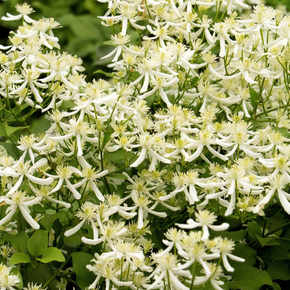
Zoom the image with the mouse
Sweet Summer Fantasy Garden Phlox - 1 Gallon
SKU:
2121695
UPC:
014949452776
$14.99
- Spectacular bicolor blooms feature violet-purple-edged petals with a large white center and contrasting hot pink eye, filling the air with a sweet, lingering fragrance from mid- to late summer
- Exceptional mildew-resistant foliage stays lush and attractive all season long, even when the plant is not in bloom
- A proven magnet for butterflies, bees, and hummingbirds, making it a standout choice for pollinator-friendly and wildlife gardens
- Compact, well-branched, upright habit fits beautifully into perennial borders, mass plantings, cut flower gardens, and patio containers alike
Sweet Summer Fantasy Garden Phlox (Phlox paniculata 'Sweet Summer Fantasy' / 'Ditopur' PBR) is a showstopping herbaceous perennial from the acclaimed Sweet Summer Series, bred specifically to deliver all the classic charm of garden phlox with superior disease resistance and a more refined, well-branched form. From mid- to late summer, sturdy upright stems are crowned with large, conical panicles packed with fragrant, tubular star-shaped flowers that flaunt a striking violet-purple edge, a luminous white flare, and a bold hot pink eye — a color combination that turns heads in any landscape. The deep green, lance-shaped foliage remains clean, dense, and ornamentally attractive throughout the entire growing season, a direct result of the variety's outstanding resistance to powdery mildew. Rated hardy in USDA Zones 4 through 8, Sweet Summer Fantasy thrives in the summer climates of Southern Oregon and Northern California, where it excels as a long-blooming backbone plant in mixed perennial borders, cottage gardens, and pollinator plantings. Its upright, clump-forming habit and impressive floral display also make it an ideal thriller specimen in large patio containers. With its irresistible fragrance, dazzling bicolor flowers, and wildlife-drawing power, Sweet Summer Fantasy Garden Phlox is one of the most rewarding perennials you can add to your summer garden.
Plant Description
Sweet Summer Fantasy Garden Phlox is a dense, upright herbaceous perennial belonging to the Polemoniaceae family. It produces multiple sturdy, erect stems clothed in opposite, lance-shaped, deep green leaves that measure 3 to 6 inches long. From mid- to late summer, each stem is topped with a large, conical to domed terminal panicle densely packed with individually small but collectively breathtaking tubular florets. Each floret is a true bicolor masterpiece: violet-purple petal edges frame a broad white flare, anchored by a vivid hot pink central eye. The blooms are lightly to moderately fragrant, releasing a sweet perfume that intensifies in warm afternoon air. Unlike many older garden phlox varieties that become unsightly mid-season, this selection maintains clean, attractive foliage from spring through fall thanks to its strong mildew resistance. It is a clump-forming, non-invasive perennial that returns reliably each spring from the crown.
Mature Size
| Characteristic | Measurement |
|---|---|
| Mature Height | 20 to 30 inches |
| Mature Spread | 18 to 22 inches |
| Recommended Spacing | 18 inches apart |
| Growth Rate | Medium |
| Time to Mature Size | 2 to 5 years |
Sweet Summer Fantasy is considered a compact to medium-sized garden phlox, making it suitable for mid-border placement or container growing without becoming overwhelming. Its well-branched habit ensures a full, bushy appearance even at relatively modest heights.
Hardiness Zones and Climate
Sweet Summer Fantasy Garden Phlox is rated hardy in USDA Hardiness Zones 4 through 8, tolerating winter temperatures as low as -30 degrees F in the coldest portions of its range. It performs beautifully in the Mediterranean-influenced climate of Southern Oregon and Northern California, where warm, dry summers and mild winters align well with its needs. While it appreciates summer heat for strong flowering, it prefers climates without prolonged, extreme heat and high humidity. In hotter inland valleys, afternoon shade or consistent moisture will help keep plants vigorous and blooming. As a fully herbaceous perennial, the top growth dies back to the crown each winter and re-emerges reliably each spring.
Sunlight Requirements
For the best flowering performance, plant Sweet Summer Fantasy Garden Phlox in a location that receives full sun, defined as 6 or more hours of direct sunlight per day. Full sun encourages the most prolific bloom production, the strongest stems, and the best overall plant vigor. It will also tolerate partial shade (2 to 6 hours of direct sunlight), particularly afternoon shade in hotter inland locations, though flowering may be slightly reduced. Avoid deep shade, which results in weak, stretched stems, sparse blooms, and increased susceptibility to disease. Good sun exposure also promotes better air circulation around the foliage, which is one of the most effective ways to discourage powdery mildew.
Soil and pH Preferences
Sweet Summer Fantasy performs best in moderately fertile, humus-rich, moist but well-drained soil. Good drainage is essential, as this plant will not tolerate waterlogged or soggy conditions. It adapts to a range of soil textures, including loam, clay-loam, and sandy loam, provided drainage is adequate. It is tolerant of a broad pH range from slightly acidic to neutral to slightly alkaline. Before planting, work 2 to 4 inches of compost into the planting area to improve soil structure, fertility, and moisture retention. Avoid excessively lean or compacted soils, which restrict root development and reduce flowering. This variety has demonstrated tolerance to black walnut toxicity (juglone), making it suitable for planting beneath or near black walnut trees where many other plants struggle.
Watering Guide
Garden phlox has medium water needs and performs best with consistent, even moisture throughout the growing season. Water deeply at the soil level rather than overhead to keep foliage dry and minimize the risk of fungal disease. Aim to provide the equivalent of at least 1 inch of water per week during the growing season, supplementing rainfall as needed during summer dry spells — a common occurrence in Southern Oregon and Northern California. Apply a 2-inch layer of mulch around the base of plants to help retain soil moisture, moderate root zone temperature, and reduce the frequency of watering. Avoid both prolonged drought stress, which weakens plants and shortens bloom time, and standing water, which promotes root rot. Plants grown in containers will require more frequent watering than those in the ground, as pots dry out faster in summer heat.
Fertilizing
Sweet Summer Fantasy Garden Phlox is not a heavy feeder, but a modest fertility program supports lush foliage and abundant flowering. In early spring as new growth emerges, apply a balanced, slow-release granular fertilizer (such as a 10-10-10 formulation) at the rate of approximately 1/4 cup per plant, working it lightly into the soil surface and watering in well. Avoid applying fertilizer too close to the crown or stems. Alternatively, top-dress around plants with a 1- to 2-inch layer of compost in spring, which feeds gently over time and improves soil health. Avoid high-nitrogen fertilizers in summer, as these stimulate excessive leafy growth at the expense of flowering and can increase disease susceptibility. No fall fertilizing is necessary, as plants are preparing to go dormant.
Pruning and Maintenance
- Spring pinching (optional): In late spring or early summer, cut stems back by about one-third to encourage a more compact, bushier plant with more flowering side shoots. This is sometimes called the "Chelsea Chop."
- Deadheading: Remove spent flower panicles promptly to encourage additional side-shoot flowering, extend the blooming season, and prevent unwanted self-seeding. Note that seedlings of this cultivar will not breed true to the parent plant.
- Stem thinning: In early spring when shoots are 4 to 6 inches tall, thin each clump to 5 to 7 of the strongest stems. This improves air circulation, reduces powdery mildew pressure, and promotes larger flower heads on the remaining stems.
- Staking: Taller stems may benefit from discreet support stakes in exposed or windy locations to prevent flopping.
- Fall cutback: After the first killing frost, cut all stems back to 1 to 2 inches above the soil surface. Remove and discard (do not compost) all plant debris to minimize overwintering fungal spores that could cause powdery mildew the following season.
- Division: Divide clumps every 3 to 5 years in early spring or fall to maintain vigor, improve air circulation, and rejuvenate flowering. Each division should include 2 to 3 healthy shoots with attached roots.
Planting Instructions
- Select a planting site that receives full sun with good air circulation. Avoid low spots where water collects.
- Prepare the soil by loosening it to a depth of 12 to 15 inches and incorporating 2 to 4 inches of compost to improve fertility and drainage.
- Dig a planting hole approximately twice the diameter of the root ball and equal in depth, so that the top of the root ball sits level with the surrounding soil surface.
- Remove the plant from its container and gently loosen any circling roots before placing it in the hole.
- Backfill with the amended native soil, firming gently around the root ball to eliminate air pockets.
- Water thoroughly immediately after planting to settle the soil and establish good root-to-soil contact.
- Apply a 2-inch layer of organic mulch (such as bark chips or shredded leaves) around the plant, keeping mulch pulled back 2 to 3 inches from the base of the stems.
- Space multiple plants 18 inches apart to allow for mature spread and to ensure adequate air circulation between plants.
- Plant in spring after frost danger has passed, or in fall at least 4 to 6 weeks before the first expected frost to allow roots to establish before winter.
Seasonal Interest
Sweet Summer Fantasy delivers outstanding multi-season interest in the perennial garden. In spring, fresh green foliage emerges from the crown in a tidy, well-branched rosette that fills in quickly. By early summer the plant develops into a full, bushy mound of clean, deep green lance-shaped leaves that provide attractive structure and contrast even before a single bloom appears. The main flowering period runs from mid- to late summer, when large fragrant panicles of violet-purple and white bicolor flowers with hot pink eyes create a vivid focal point that also perfumes the surrounding garden. Deadheading spent panicles can prolong the flowering display into early fall. In autumn the foliage remains attractive until cut back after frost. This variety's superior resistance to powdery mildew means the foliage never becomes the unsightly, white-dusted eyesore that plagues older phlox varieties, maintaining the plant's ornamental value all the way through the end of the season.
Landscape Uses
- Perennial border backbone: A classic mid-border plant that fills the height gap between low edging perennials and tall background shrubs or grasses.
- Mass planting: Plant in sweeping drifts of 3 or more for a dramatic color impact and maximized fragrance effect.
- Cottage and informal gardens: The soft, romantic flower clusters and sweet scent are perfectly suited to the relaxed cottage garden aesthetic.
- Pollinator and wildlife gardens: Exceptional nectar source for butterflies, native bees, and hummingbirds during the midsummer gap when many other flowers have faded.
- Cut flower gardens: The large fragrant panicles make beautiful, long-lasting cut flowers that fill vases with color and perfume.
- Container gardens: Its upright, well-branched habit makes it an excellent "thriller" in large patio pots and decorative containers.
- City and courtyard gardens: Tolerant of urban conditions, including pollution and a range of soil types, making it adaptable to city landscapes.
- Walkway and pathway borders: Plant along pathways where passersby can enjoy the fragrance at close range.
Companion Plants
Sweet Summer Fantasy Garden Phlox pairs beautifully with a wide range of summer-blooming perennials that share its preference for full sun and moist, well-drained soil. Consider these excellent companions:
- Echinacea (Coneflower): Blooms simultaneously in mid-to-late summer, sharing the phlox's pollinator-attracting qualities and offering complementary pink, purple, and orange tones.
- Rudbeckia (Black-eyed Susan): Provides bold golden yellow contrast to the violet-purple and white phlox blooms, with similar sun and moisture needs.
- Monarda (Bee Balm): A fellow summer-blooming perennial native that attracts the same hummingbirds and butterflies; red and pink cultivars create vivid color combinations.
- Lilies (Asiatic and Oriental): Tall lily stems and large blooms provide vertical drama alongside phlox panicles in the mid-border.
- Salvia (Perennial Sage): Blue and purple salvia varieties create a harmonious cool-toned palette with the phlox's violet blooms.
- Heuchera (Coral Bells): The colorful, textured foliage of coral bells provides a stunning low-growing foil at the feet of taller phlox stems.
- Shasta Daisy: Classic white daisies offer a clean, contrasting backdrop that makes the phlox's bicolor flowers pop.
- Ornamental Grasses: Fine-textured grasses such as feather reed grass add graceful movement and contrast in texture to the dense phlox flower clusters.
Pests and Diseases
Sweet Summer Fantasy has been bred with significantly improved disease resistance compared to older garden phlox varieties, but a few common issues are worth knowing about:
- Powdery Mildew: The most common issue affecting garden phlox. This variety's superior mildew resistance greatly reduces risk, but proper cultural practices remain important. Ensure good air circulation by spacing plants correctly, thin stems in spring, and always water at the soil level rather than overhead. Remove and dispose of all plant debris in fall.
- Spider Mites: Can be a problem during hot, dry summers. Keep plants consistently watered and use a strong spray of water to knock mites off foliage. Miticides are available for severe infestations.
- Phlox Plant Bugs: Small insects that pierce foliage, causing stippling and distortion. Inspect plants regularly and treat with insecticidal soap or neem oil as needed.
- Stem Nematodes (Eelworms): Can cause swollen, distorted stems and foliage. Remove and destroy affected plant material; avoid replanting phlox in the same location.
- Root and Crown Rot: Caused by overly wet or poorly drained soil. Ensure excellent drainage at the planting site and avoid overwatering.
- Leaf Spot and Gray Mold (Botrytis): Fungal issues that occur in overly humid or crowded conditions. Improve air circulation and avoid wetting foliage.
- Rabbits: Rabbits may browse young foliage and stems. Physical barriers or repellent sprays can be used as protection in areas with heavy rabbit pressure.
Container Growing
Sweet Summer Fantasy Garden Phlox is an excellent candidate for container gardening, where its upright habit, vivid flowers, and sweet fragrance can be enjoyed up close on patios, decks, and entryways. Choose a large container — at least 12 to 14 inches in diameter and of similar depth — to accommodate the root system and provide adequate moisture retention. Use a high-quality, well-draining potting mix and ensure the container has drainage holes. Container-grown phlox dries out more quickly than in-ground plants, so monitor soil moisture closely and water more frequently during warm weather, keeping the mix evenly moist but never waterlogged. Fertilize container plants with a balanced, slow-release fertilizer at planting, and supplement with a diluted liquid fertilizer every 3 to 4 weeks through the blooming season. Position the container in a full-sun location. In cold-winter climates, move containers to a sheltered, unheated location such as a garage during the coldest months to protect roots from hard freezes, then return outdoors in spring.
Wildlife Value
Sweet Summer Fantasy Garden Phlox is an exceptional plant for wildlife-friendly and pollinator-focused landscapes. Its large, fragrant flower clusters are a rich source of nectar during mid- to late summer, precisely when many early-season bloomers have finished and pollinators are actively seeking food sources. Butterflies — including swallowtails, fritillaries, painted ladies, and monarchs — are particularly attracted to the abundant nectar. Ruby-throated and other hummingbirds visit the tubular flowers regularly, hovering among the panicles to feed. Native bees and bumble bees are also frequent visitors. The plant has been recognized as an excellent plant for pollinators and is included on select plants-for-pollinators lists by prominent horticultural organizations. Its wildlife value makes it a natural choice for integrated pollinator gardens alongside coneflowers, bee balm, rudbeckia, and native salvias.
- Spectacular bicolor blooms feature violet-purple-edged petals with a large white center and contrasting hot pink eye, filling the air with a sweet, lingering fragrance from mid- to late summer
- Exceptional mildew-resistant foliage stays lush and attractive all season long, even when the plant is not in bloom
- A proven magnet for butterflies, bees, and hummingbirds, making it a standout choice for pollinator-friendly and wildlife gardens
- Compact, well-branched, upright habit fits beautifully into perennial borders, mass plantings, cut flower gardens, and patio containers alike
Sweet Summer Fantasy Garden Phlox (Phlox paniculata 'Sweet Summer Fantasy' / 'Ditopur' PBR) is a showstopping herbaceous perennial from the acclaimed Sweet Summer Series, bred specifically to deliver all the classic charm of garden phlox with superior disease resistance and a more refined, well-branched form. From mid- to late summer, sturdy upright stems are crowned with large, conical panicles packed with fragrant, tubular star-shaped flowers that flaunt a striking violet-purple edge, a luminous white flare, and a bold hot pink eye — a color combination that turns heads in any landscape. The deep green, lance-shaped foliage remains clean, dense, and ornamentally attractive throughout the entire growing season, a direct result of the variety's outstanding resistance to powdery mildew. Rated hardy in USDA Zones 4 through 8, Sweet Summer Fantasy thrives in the summer climates of Southern Oregon and Northern California, where it excels as a long-blooming backbone plant in mixed perennial borders, cottage gardens, and pollinator plantings. Its upright, clump-forming habit and impressive floral display also make it an ideal thriller specimen in large patio containers. With its irresistible fragrance, dazzling bicolor flowers, and wildlife-drawing power, Sweet Summer Fantasy Garden Phlox is one of the most rewarding perennials you can add to your summer garden.
Plant Description
Sweet Summer Fantasy Garden Phlox is a dense, upright herbaceous perennial belonging to the Polemoniaceae family. It produces multiple sturdy, erect stems clothed in opposite, lance-shaped, deep green leaves that measure 3 to 6 inches long. From mid- to late summer, each stem is topped with a large, conical to domed terminal panicle densely packed with individually small but collectively breathtaking tubular florets. Each floret is a true bicolor masterpiece: violet-purple petal edges frame a broad white flare, anchored by a vivid hot pink central eye. The blooms are lightly to moderately fragrant, releasing a sweet perfume that intensifies in warm afternoon air. Unlike many older garden phlox varieties that become unsightly mid-season, this selection maintains clean, attractive foliage from spring through fall thanks to its strong mildew resistance. It is a clump-forming, non-invasive perennial that returns reliably each spring from the crown.
Mature Size
| Characteristic | Measurement |
|---|---|
| Mature Height | 20 to 30 inches |
| Mature Spread | 18 to 22 inches |
| Recommended Spacing | 18 inches apart |
| Growth Rate | Medium |
| Time to Mature Size | 2 to 5 years |
Sweet Summer Fantasy is considered a compact to medium-sized garden phlox, making it suitable for mid-border placement or container growing without becoming overwhelming. Its well-branched habit ensures a full, bushy appearance even at relatively modest heights.
Hardiness Zones and Climate
Sweet Summer Fantasy Garden Phlox is rated hardy in USDA Hardiness Zones 4 through 8, tolerating winter temperatures as low as -30 degrees F in the coldest portions of its range. It performs beautifully in the Mediterranean-influenced climate of Southern Oregon and Northern California, where warm, dry summers and mild winters align well with its needs. While it appreciates summer heat for strong flowering, it prefers climates without prolonged, extreme heat and high humidity. In hotter inland valleys, afternoon shade or consistent moisture will help keep plants vigorous and blooming. As a fully herbaceous perennial, the top growth dies back to the crown each winter and re-emerges reliably each spring.
Sunlight Requirements
For the best flowering performance, plant Sweet Summer Fantasy Garden Phlox in a location that receives full sun, defined as 6 or more hours of direct sunlight per day. Full sun encourages the most prolific bloom production, the strongest stems, and the best overall plant vigor. It will also tolerate partial shade (2 to 6 hours of direct sunlight), particularly afternoon shade in hotter inland locations, though flowering may be slightly reduced. Avoid deep shade, which results in weak, stretched stems, sparse blooms, and increased susceptibility to disease. Good sun exposure also promotes better air circulation around the foliage, which is one of the most effective ways to discourage powdery mildew.
Soil and pH Preferences
Sweet Summer Fantasy performs best in moderately fertile, humus-rich, moist but well-drained soil. Good drainage is essential, as this plant will not tolerate waterlogged or soggy conditions. It adapts to a range of soil textures, including loam, clay-loam, and sandy loam, provided drainage is adequate. It is tolerant of a broad pH range from slightly acidic to neutral to slightly alkaline. Before planting, work 2 to 4 inches of compost into the planting area to improve soil structure, fertility, and moisture retention. Avoid excessively lean or compacted soils, which restrict root development and reduce flowering. This variety has demonstrated tolerance to black walnut toxicity (juglone), making it suitable for planting beneath or near black walnut trees where many other plants struggle.
Watering Guide
Garden phlox has medium water needs and performs best with consistent, even moisture throughout the growing season. Water deeply at the soil level rather than overhead to keep foliage dry and minimize the risk of fungal disease. Aim to provide the equivalent of at least 1 inch of water per week during the growing season, supplementing rainfall as needed during summer dry spells — a common occurrence in Southern Oregon and Northern California. Apply a 2-inch layer of mulch around the base of plants to help retain soil moisture, moderate root zone temperature, and reduce the frequency of watering. Avoid both prolonged drought stress, which weakens plants and shortens bloom time, and standing water, which promotes root rot. Plants grown in containers will require more frequent watering than those in the ground, as pots dry out faster in summer heat.
Fertilizing
Sweet Summer Fantasy Garden Phlox is not a heavy feeder, but a modest fertility program supports lush foliage and abundant flowering. In early spring as new growth emerges, apply a balanced, slow-release granular fertilizer (such as a 10-10-10 formulation) at the rate of approximately 1/4 cup per plant, working it lightly into the soil surface and watering in well. Avoid applying fertilizer too close to the crown or stems. Alternatively, top-dress around plants with a 1- to 2-inch layer of compost in spring, which feeds gently over time and improves soil health. Avoid high-nitrogen fertilizers in summer, as these stimulate excessive leafy growth at the expense of flowering and can increase disease susceptibility. No fall fertilizing is necessary, as plants are preparing to go dormant.
Pruning and Maintenance
- Spring pinching (optional): In late spring or early summer, cut stems back by about one-third to encourage a more compact, bushier plant with more flowering side shoots. This is sometimes called the "Chelsea Chop."
- Deadheading: Remove spent flower panicles promptly to encourage additional side-shoot flowering, extend the blooming season, and prevent unwanted self-seeding. Note that seedlings of this cultivar will not breed true to the parent plant.
- Stem thinning: In early spring when shoots are 4 to 6 inches tall, thin each clump to 5 to 7 of the strongest stems. This improves air circulation, reduces powdery mildew pressure, and promotes larger flower heads on the remaining stems.
- Staking: Taller stems may benefit from discreet support stakes in exposed or windy locations to prevent flopping.
- Fall cutback: After the first killing frost, cut all stems back to 1 to 2 inches above the soil surface. Remove and discard (do not compost) all plant debris to minimize overwintering fungal spores that could cause powdery mildew the following season.
- Division: Divide clumps every 3 to 5 years in early spring or fall to maintain vigor, improve air circulation, and rejuvenate flowering. Each division should include 2 to 3 healthy shoots with attached roots.
Planting Instructions
- Select a planting site that receives full sun with good air circulation. Avoid low spots where water collects.
- Prepare the soil by loosening it to a depth of 12 to 15 inches and incorporating 2 to 4 inches of compost to improve fertility and drainage.
- Dig a planting hole approximately twice the diameter of the root ball and equal in depth, so that the top of the root ball sits level with the surrounding soil surface.
- Remove the plant from its container and gently loosen any circling roots before placing it in the hole.
- Backfill with the amended native soil, firming gently around the root ball to eliminate air pockets.
- Water thoroughly immediately after planting to settle the soil and establish good root-to-soil contact.
- Apply a 2-inch layer of organic mulch (such as bark chips or shredded leaves) around the plant, keeping mulch pulled back 2 to 3 inches from the base of the stems.
- Space multiple plants 18 inches apart to allow for mature spread and to ensure adequate air circulation between plants.
- Plant in spring after frost danger has passed, or in fall at least 4 to 6 weeks before the first expected frost to allow roots to establish before winter.
Seasonal Interest
Sweet Summer Fantasy delivers outstanding multi-season interest in the perennial garden. In spring, fresh green foliage emerges from the crown in a tidy, well-branched rosette that fills in quickly. By early summer the plant develops into a full, bushy mound of clean, deep green lance-shaped leaves that provide attractive structure and contrast even before a single bloom appears. The main flowering period runs from mid- to late summer, when large fragrant panicles of violet-purple and white bicolor flowers with hot pink eyes create a vivid focal point that also perfumes the surrounding garden. Deadheading spent panicles can prolong the flowering display into early fall. In autumn the foliage remains attractive until cut back after frost. This variety's superior resistance to powdery mildew means the foliage never becomes the unsightly, white-dusted eyesore that plagues older phlox varieties, maintaining the plant's ornamental value all the way through the end of the season.
Landscape Uses
- Perennial border backbone: A classic mid-border plant that fills the height gap between low edging perennials and tall background shrubs or grasses.
- Mass planting: Plant in sweeping drifts of 3 or more for a dramatic color impact and maximized fragrance effect.
- Cottage and informal gardens: The soft, romantic flower clusters and sweet scent are perfectly suited to the relaxed cottage garden aesthetic.
- Pollinator and wildlife gardens: Exceptional nectar source for butterflies, native bees, and hummingbirds during the midsummer gap when many other flowers have faded.
- Cut flower gardens: The large fragrant panicles make beautiful, long-lasting cut flowers that fill vases with color and perfume.
- Container gardens: Its upright, well-branched habit makes it an excellent "thriller" in large patio pots and decorative containers.
- City and courtyard gardens: Tolerant of urban conditions, including pollution and a range of soil types, making it adaptable to city landscapes.
- Walkway and pathway borders: Plant along pathways where passersby can enjoy the fragrance at close range.
Companion Plants
Sweet Summer Fantasy Garden Phlox pairs beautifully with a wide range of summer-blooming perennials that share its preference for full sun and moist, well-drained soil. Consider these excellent companions:
- Echinacea (Coneflower): Blooms simultaneously in mid-to-late summer, sharing the phlox's pollinator-attracting qualities and offering complementary pink, purple, and orange tones.
- Rudbeckia (Black-eyed Susan): Provides bold golden yellow contrast to the violet-purple and white phlox blooms, with similar sun and moisture needs.
- Monarda (Bee Balm): A fellow summer-blooming perennial native that attracts the same hummingbirds and butterflies; red and pink cultivars create vivid color combinations.
- Lilies (Asiatic and Oriental): Tall lily stems and large blooms provide vertical drama alongside phlox panicles in the mid-border.
- Salvia (Perennial Sage): Blue and purple salvia varieties create a harmonious cool-toned palette with the phlox's violet blooms.
- Heuchera (Coral Bells): The colorful, textured foliage of coral bells provides a stunning low-growing foil at the feet of taller phlox stems.
- Shasta Daisy: Classic white daisies offer a clean, contrasting backdrop that makes the phlox's bicolor flowers pop.
- Ornamental Grasses: Fine-textured grasses such as feather reed grass add graceful movement and contrast in texture to the dense phlox flower clusters.
Pests and Diseases
Sweet Summer Fantasy has been bred with significantly improved disease resistance compared to older garden phlox varieties, but a few common issues are worth knowing about:
- Powdery Mildew: The most common issue affecting garden phlox. This variety's superior mildew resistance greatly reduces risk, but proper cultural practices remain important. Ensure good air circulation by spacing plants correctly, thin stems in spring, and always water at the soil level rather than overhead. Remove and dispose of all plant debris in fall.
- Spider Mites: Can be a problem during hot, dry summers. Keep plants consistently watered and use a strong spray of water to knock mites off foliage. Miticides are available for severe infestations.
- Phlox Plant Bugs: Small insects that pierce foliage, causing stippling and distortion. Inspect plants regularly and treat with insecticidal soap or neem oil as needed.
- Stem Nematodes (Eelworms): Can cause swollen, distorted stems and foliage. Remove and destroy affected plant material; avoid replanting phlox in the same location.
- Root and Crown Rot: Caused by overly wet or poorly drained soil. Ensure excellent drainage at the planting site and avoid overwatering.
- Leaf Spot and Gray Mold (Botrytis): Fungal issues that occur in overly humid or crowded conditions. Improve air circulation and avoid wetting foliage.
- Rabbits: Rabbits may browse young foliage and stems. Physical barriers or repellent sprays can be used as protection in areas with heavy rabbit pressure.
Container Growing
Sweet Summer Fantasy Garden Phlox is an excellent candidate for container gardening, where its upright habit, vivid flowers, and sweet fragrance can be enjoyed up close on patios, decks, and entryways. Choose a large container — at least 12 to 14 inches in diameter and of similar depth — to accommodate the root system and provide adequate moisture retention. Use a high-quality, well-draining potting mix and ensure the container has drainage holes. Container-grown phlox dries out more quickly than in-ground plants, so monitor soil moisture closely and water more frequently during warm weather, keeping the mix evenly moist but never waterlogged. Fertilize container plants with a balanced, slow-release fertilizer at planting, and supplement with a diluted liquid fertilizer every 3 to 4 weeks through the blooming season. Position the container in a full-sun location. In cold-winter climates, move containers to a sheltered, unheated location such as a garage during the coldest months to protect roots from hard freezes, then return outdoors in spring.
Wildlife Value
Sweet Summer Fantasy Garden Phlox is an exceptional plant for wildlife-friendly and pollinator-focused landscapes. Its large, fragrant flower clusters are a rich source of nectar during mid- to late summer, precisely when many early-season bloomers have finished and pollinators are actively seeking food sources. Butterflies — including swallowtails, fritillaries, painted ladies, and monarchs — are particularly attracted to the abundant nectar. Ruby-throated and other hummingbirds visit the tubular flowers regularly, hovering among the panicles to feed. Native bees and bumble bees are also frequent visitors. The plant has been recognized as an excellent plant for pollinators and is included on select plants-for-pollinators lists by prominent horticultural organizations. Its wildlife value makes it a natural choice for integrated pollinator gardens alongside coneflowers, bee balm, rudbeckia, and native salvias.