

Zoom the image with the mouse
Sunsation Magnolia - 5 Gallon
SKU:
2047595
UPC:
014949482995
$119.99
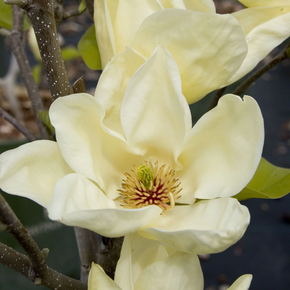
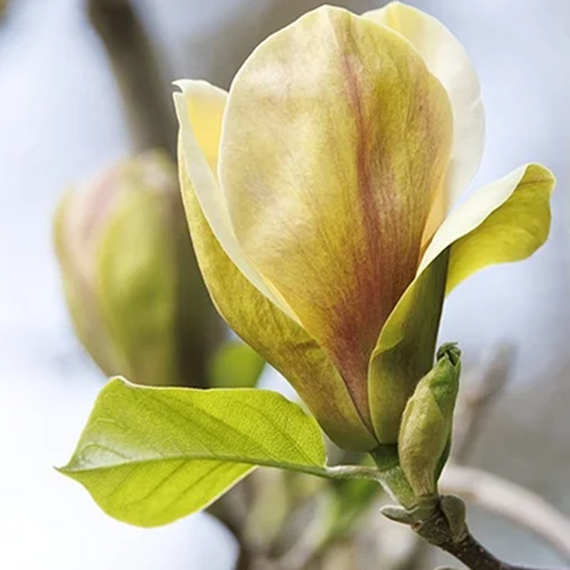
- Large, tulip‑shaped blooms (to ~7 in.) in luminous yellow with a soft pink blush—an unforgettable spring display.
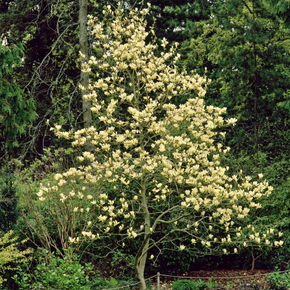
- Narrow, upright pyramidal habit (ideal for small spaces): typically ~20–30 ft. tall × ~8–10 ft. wide.
- Late spring flowering helps sidestep frost; blossoms open on bare branches before leaves unfurl.
- Thrives in full sun with enriched, slightly acidic, moist, well‑drained soil; easy care once established.
Sunsation Magnolia (Magnolia ‘Sunsation’) brings sunrise colors to the garden, opening generous, tulip‑shaped flowers in golden yellow washed with pink just as spring arrives. Its naturally narrow, upright form provides the vertical accent designers love, yet it stays proportioned for courtyards, entries, and street‑side plantings. Plant in full sun and rich, well‑drained soil; keep evenly moist while establishing, then enjoy years of low‑maintenance color and structure in a compact, four‑season focal point.
Plant Description
Deciduous, upright pyramidal magnolia distinguished by abundant, chalice‑shaped yellow flowers with a rosy blush, followed by broad, green leaves. Excellent as a specimen or vertical anchor in mixed borders.
Flowers & Bloom Time
Early to mid‑spring bloom; large (~7 in.) tulip‑shaped flowers open on leafless branches for maximum impact and better resilience against late frosts in many climates.
Foliage
After flowering, the canopy fills with elliptic, bright‑green leaves that lend lush texture through summer.
Growth & Size
Typically reaches about 20–30 ft. tall and 8–10 ft. wide, maintaining a slim footprint that suits small gardens and narrow side yards.
Sun Requirements
Full sun (6+ hours/day) is best for bloom density and strong structure; tolerates light shade in hotter regions with slightly reduced flowering.
Soil Requirements
Prefers deep, enriched, slightly acidic, consistently moist but well‑drained soil. Avoid chronically wet conditions; mulch to keep the root zone cool and evenly moist.
Watering Needs
Water deeply and regularly during the first few growing seasons to establish a broad root system. Once established, water deeply when soil begins to dry; do not let roots sit in water.
Hardiness
USDA Zones 5–9.
Special Features
Showy, late spring flowers; narrow, space‑saving habit; generally deer and rabbit resistant; excellent choice for small spaces and urban landscapes.
Landscape Uses
Specimen near patios or entries, vertical punctuation in mixed shrub borders, street‑side plantings, or as a pair to frame gateways and walks.
Care Instructions
Fertilize in early spring before new growth. Prune only as needed after flowering to remove dead or crossing wood and to preserve the natural form.
Spacing & Placement
Allow 8–10 ft. of lateral space for mature spread; site in a location sheltered from harsh, drying winds to protect developing buds.
Companion Plants
Pair with hydrangeas, azaleas, pieris, clethra, and wisteria to echo the spring show and extend seasonal interest with layered foliage and bloom.
Designer Tips
Use the slim, upright profile to create rhythm along drives or pathways; underplant with spring bulbs or low, evergreen groundcovers to accent the trunk line and highlight fallen petals.
- Large, tulip‑shaped blooms (to ~7 in.) in luminous yellow with a soft pink blush—an unforgettable spring display.
- Narrow, upright pyramidal habit (ideal for small spaces): typically ~20–30 ft. tall × ~8–10 ft. wide.
- Late spring flowering helps sidestep frost; blossoms open on bare branches before leaves unfurl.
- Thrives in full sun with enriched, slightly acidic, moist, well‑drained soil; easy care once established.
Sunsation Magnolia (Magnolia ‘Sunsation’) brings sunrise colors to the garden, opening generous, tulip‑shaped flowers in golden yellow washed with pink just as spring arrives. Its naturally narrow, upright form provides the vertical accent designers love, yet it stays proportioned for courtyards, entries, and street‑side plantings. Plant in full sun and rich, well‑drained soil; keep evenly moist while establishing, then enjoy years of low‑maintenance color and structure in a compact, four‑season focal point.
Plant Description
Deciduous, upright pyramidal magnolia distinguished by abundant, chalice‑shaped yellow flowers with a rosy blush, followed by broad, green leaves. Excellent as a specimen or vertical anchor in mixed borders.
Flowers & Bloom Time
Early to mid‑spring bloom; large (~7 in.) tulip‑shaped flowers open on leafless branches for maximum impact and better resilience against late frosts in many climates.
Foliage
After flowering, the canopy fills with elliptic, bright‑green leaves that lend lush texture through summer.
Growth & Size
Typically reaches about 20–30 ft. tall and 8–10 ft. wide, maintaining a slim footprint that suits small gardens and narrow side yards.
Sun Requirements
Full sun (6+ hours/day) is best for bloom density and strong structure; tolerates light shade in hotter regions with slightly reduced flowering.
Soil Requirements
Prefers deep, enriched, slightly acidic, consistently moist but well‑drained soil. Avoid chronically wet conditions; mulch to keep the root zone cool and evenly moist.
Watering Needs
Water deeply and regularly during the first few growing seasons to establish a broad root system. Once established, water deeply when soil begins to dry; do not let roots sit in water.
Hardiness
USDA Zones 5–9.
Special Features
Showy, late spring flowers; narrow, space‑saving habit; generally deer and rabbit resistant; excellent choice for small spaces and urban landscapes.
Landscape Uses
Specimen near patios or entries, vertical punctuation in mixed shrub borders, street‑side plantings, or as a pair to frame gateways and walks.
Care Instructions
Fertilize in early spring before new growth. Prune only as needed after flowering to remove dead or crossing wood and to preserve the natural form.
Spacing & Placement
Allow 8–10 ft. of lateral space for mature spread; site in a location sheltered from harsh, drying winds to protect developing buds.
Companion Plants
Pair with hydrangeas, azaleas, pieris, clethra, and wisteria to echo the spring show and extend seasonal interest with layered foliage and bloom.
Designer Tips
Use the slim, upright profile to create rhythm along drives or pathways; underplant with spring bulbs or low, evergreen groundcovers to accent the trunk line and highlight fallen petals.
Related Products