


Zoom the image with the mouse
Sun Parasol Original XP Bluephoria Mandevilla - 5 Gallon
SKU:
2151095
UPC:
014949043806
$79.99
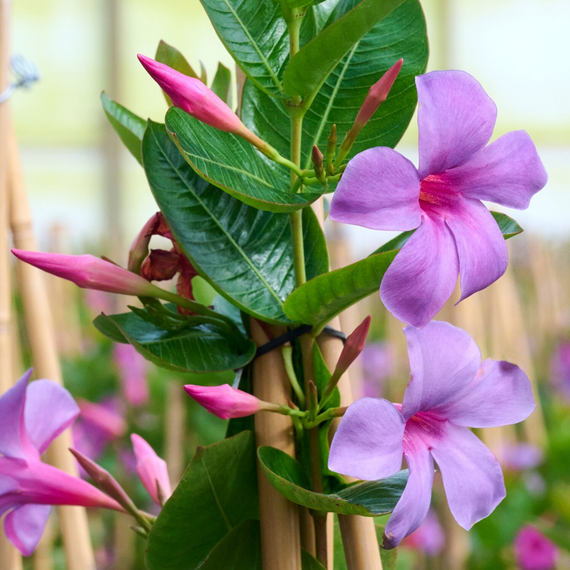
- Unique mauve-pink blooms adorned with artistic brushstroke-like markings deliver a stunning, one-of-a-kind color display from spring all the way through fall frost.
- Superior branching genetics produce exceptionally full, compact plants with non-stop flower power throughout the entire growing season.
- Versatile performer that thrives equally well in containers, hanging baskets, patio planters, and in-ground landscape beds with trellis support.
- A magnet for hummingbirds, butterflies, and native bees, making it as wildlife-friendly as it is visually spectacular.
Mandevilla Sun Parasol Original XP Mauvelous (Mandevilla hybrid) is a showstopping tropical vine that stands apart in the celebrated Sun Parasol XP series, featuring revolutionary genetics that deliver superior branching and extraordinary flower power. The blooms themselves are truly distinctive — rich mauve-pink petals marked with delicate brushstroke-like color variations create an almost painterly, pixelated effect that draws the eye from across the garden. Part of the Apocynaceae family and developed through extensive cross-breeding of multiple Mandevilla species including Mandevilla sanderi and Mandevilla boliviensis, this vigorous variety produces lush, glossy deep-green foliage on an upright, well-branched plant that grows 12 to 24 inches tall and spreads 24 to 36 inches wide. Flowering continuously from planting through the first frost of fall, Mauvelous is an early-to-mid-season bloomer that performs beautifully as a thriller in container arrangements, as a cascading accent in hanging baskets, and as a climbing focal point when trained on a trellis or garden structure. Its heat tolerance, ease of care, and relentless bloom cycle make it one of the most rewarding warm-season flowering vines available for Southern Oregon and Northern California gardens and patios.
Plant Description
Sun Parasol Original XP Mauvelous is a tropical hybrid mandevilla vine bred for exceptional branching structure and prolific, continuous bloom. The flowers are the defining feature of this variety — each bloom displays a warm mauve-pink base color accented with subtle brushstroke-like tonal variations that give the petals a uniquely artistic, layered appearance not seen in standard pink mandevillas. The trumpet-shaped flowers emerge in generous clusters against a backdrop of glossy, rich green foliage that remains attractive all season long. The plant maintains a tidy, upright habit that fills out beautifully without becoming unruly, making it one of the most polished and refined selections in the entire Sun Parasol lineup. It is classified as a vine with climbing and trailing capability, and its tendrils will eagerly seek out and wind around any nearby support structure.
Mature Size
| Dimension | Measurement |
|---|---|
| Plant Height | 12 to 24 inches (30 to 61 cm) |
| Plant Spread | 24 to 36 inches (61 to 91 cm) |
| Recommended Spacing | 20 to 30 inches (51 to 76 cm) apart |
| Growth Habit | Upright, climbing, and trailing |
| Vigor | Vigorous |
Hardiness and Temperature
Sun Parasol Original XP Mauvelous is a tropical plant rated as a perennial in USDA Hardiness Zones 9a through 11b. In these warmer zones, including much of Northern California's coastal and valley regions, the plant may survive outdoors year-round in frost-free conditions. In Southern Oregon and cooler parts of Northern California where winter freezes occur, it is best treated as a warm-season annual or brought indoors before temperatures drop below 50°F (10°C). This mandevilla cannot tolerate frost and will suffer damage or die back if exposed to freezing temperatures. It thrives in the warm, sunny conditions typical of the summer growing season in the Pacific Southwest and performs best when nighttime temperatures remain above 60°F (15°C).
Sunlight Requirements
This mandevilla is a full-sun plant and truly comes into its own when placed in a location receiving at least 6 to 8 hours of direct sunlight each day. More sun generally means more blooms and a more compact, vigorous plant. In regions with extreme summer heat, a position that receives morning sun with some relief from the most intense afternoon rays can help prevent occasional leaf scorch while still encouraging excellent flowering. Avoid placing this plant in deep shade or heavily filtered light, as reduced sunlight will lead to poor blooming, weak stems, and an overall decline in performance. When growing in containers on a patio or deck, choose the sunniest, most open spot available.
Soil and pH Preferences
Sun Parasol Original XP Mauvelous grows best in a well-drained, slightly acidic growing medium. For in-ground planting, loosen native soil to a depth of 12 to 18 inches and amend generously with organic matter such as compost to improve both drainage and fertility. Heavy clay soils should be significantly amended or replaced, as standing water around the root zone is one of the most common causes of decline and root rot in mandevillas. For container growing, use a quality peat-based or coco coir-based potting mix blended with perlite for excellent drainage. The ideal soil pH range is 5.5 to 6.0 (mildly acidic). Avoid soils that are overly alkaline or poorly structured, as these conditions inhibit nutrient uptake and reduce flowering performance.
Watering Guide
Consistent moisture is key to keeping Mauvelous blooming at its best, but this plant will not tolerate waterlogged soil. Water thoroughly when the top inch of the growing medium feels dry to the touch, then allow excess water to drain freely. During hot summer months, container-grown plants may need watering every one to two days depending on pot size, sun exposure, and ambient temperatures. Always ensure containers have adequate drainage holes. Avoid overhead watering whenever possible to minimize the risk of foliar diseases; water at the base of the plant in the morning so any incidental moisture on foliage can evaporate during the day. During cooler seasons or when overwintering indoors, reduce watering frequency significantly to prevent cold, wet soil conditions that promote root rot.
Fertilizing
To sustain the remarkable blooming power of this variety, regular feeding throughout the growing season is recommended. At the start of the season, apply a slow-release balanced granular fertilizer worked into the soil or potting mix. During active growth and bloom, supplement with a liquid fertilizer every one to two weeks. Many gardeners have had excellent results using a balanced water-soluble fertilizer such as a 20-20-20 formula applied weekly, transitioning to every other week in late summer as growth slows. To further encourage prolific flowering, consider incorporating a bloom-booster fertilizer with higher phosphorus content (the middle number) during the peak blooming period. Avoid over-fertilizing with high-nitrogen products, as this can push lush leafy growth at the expense of flowers. Taper off fertilizing as temperatures cool in fall and discontinue entirely during winter dormancy or indoor overwintering.
Pruning and Maintenance
One of the advantages of the Sun Parasol XP Mauvelous is that it requires minimal pruning to maintain its naturally tidy, well-branched form. Light tip pinching early in the season can encourage even bushier branching and more flowering stems. Deadheading spent blooms is not required, as the plant naturally sheds them and self-tidies. You may trim back any overly long or unruly stems at any time during the growing season to maintain the desired shape and size, especially when growing in containers. If training the vine onto a trellis, obelisk, or garden support, gently guide new tendrils as they emerge and secure loosely with soft ties if needed. When preparing plants for overwintering indoors, cut the plant back to a manageable size before bringing it inside. At the end of winter dormancy in late winter or early spring, prune back to healthy growth to encourage a fresh flush of new shoots.
Planting Instructions
Plant Sun Parasol Original XP Mauvelous outdoors only after all danger of frost has passed and nighttime temperatures are reliably above 55 to 60°F (13 to 15°C). In Southern Oregon this is typically mid to late May; in warmer parts of Northern California, planting may be possible as early as late April. When planting in the ground, dig a hole twice as wide as the root ball and equal in depth. Place the plant at the same level it was growing in its original container. Backfill with amended soil, firm gently, and water thoroughly. For container planting, select a pot at least 12 to 16 inches in diameter with excellent drainage holes and fill with a high-quality, well-draining potting mix. When growing near a trellis or support structure, position the plant within 6 to 12 inches of the support and guide new growth toward it early for best results. Mulching the root zone of in-ground plantings helps retain moisture and moderate soil temperature.
Container Growing
Mauvelous is an outstanding choice for patio containers and is at home as a "thriller" centerpiece plant in mixed arrangements. Choose a substantial container — at least 12 to 16 inches in diameter — to give the root system room to develop and to support the plant's vigorous growth habit. Use a premium peat- and perlite-based potting mix that drains freely. In the heat of summer, large containers will dry out quickly, so check soil moisture daily and water accordingly. Mandevillas in containers benefit greatly from consistent feeding with a soluble fertilizer every seven to fourteen days throughout the blooming season. In hanging baskets, the trailing stems will cascade gracefully over the edges, creating a lush curtain of mauve-pink blooms. Container-grown plants can be moved indoors easily before the first fall frost, making them ideal candidates for multi-season enjoyment.
Trellis and Landscape Uses
While compact enough for containers, Sun Parasol Original XP Mauvelous also performs beautifully as a landscape vine when provided with an appropriate support structure. Train it up a decorative obelisk, garden trellis, wire fence, mailbox post, or porch railing for an eye-catching vertical display of mauve-pink blooms. Its naturally twining habit means it will actively seek and grip supports on its own with minimal guidance. In the landscape, it works wonderfully as a specimen focal point in a mixed sunny border, as a colorful screen on a trellis to add privacy to a patio, or as a bold accent plant cascading from a raised planter or retaining wall edge. In frost-free areas of Northern California, in-ground plants can develop into substantial, multi-season specimens that become true garden centerpieces. Pair with other sun-loving tropicals for a lush, exotic summer garden atmosphere.
Companion Plants
Mauvelous pairs beautifully with a wide range of sun-loving annuals and perennials that complement its mauve-pink tones and tropical character. Excellent companion choices include:
- Lantana — thrives in the same full sun and well-drained conditions; its warm-toned flower clusters make a vibrant contrast to the mauve-pink blooms while attracting shared pollinators.
- Petunias — provide rich purple, deep pink, or white bloom color to complement Mauvelous; their natural pest-deterrent properties can help protect surrounding plants from aphids.
- Salvia — low-maintenance with spiky blue or red flower spikes that contrast beautifully with the rounded mandevilla blooms; attracts hummingbirds and bees alongside the mandevilla.
- Sweet Potato Vine — trailing foliage in chartreuse or burgundy acts as a complementary "spiller" in mixed containers, suppresses weeds around in-ground plants, and helps maintain soil moisture.
- Marigolds — their warm gold and orange tones create a bold color contrast and their presence can help deter soil-dwelling nematodes and other garden pests.
- Coleus — bold, colorful foliage provides a dramatic backdrop for the mandevilla blooms in partially shaded companion spaces or as a "filler" in mixed patio arrangements.
Wildlife Value
Sun Parasol Original XP Mauvelous is an outstanding pollinator plant that earns its place in any wildlife-friendly garden. The large, nectar-rich trumpet-shaped blooms are irresistible to hummingbirds, which are drawn to their shape, color, and sweet nectar throughout the long blooming season. Butterflies, particularly swallowtails and fritillaries, visit the flowers regularly, and native bumblebees and other beneficial insects forage the blooms as well. Maximizing this plant's wildlife value is simple: place it in full sun, keep it well-fed and watered for maximum bloom production, and pair it with other pollinator favorites such as salvia and lantana to create a buzzing, fluttering hotspot on the patio or in the garden bed. This variety is listed as a pollinator plant and has been specifically recognized for its value to beneficial insects and garden wildlife.
Pests and Diseases
Mauvelous is relatively robust, but like all mandevillas it can occasionally be affected by common garden pests and environmental diseases. Proactive monitoring and good cultural practices are the best defense.
- Spider Mites — the primary pest concern, especially in hot, dry conditions. Look for fine webbing on leaf undersides and stippled, bronzed foliage. Treat with insecticidal soap or neem oil and increase ambient humidity around the plant.
- Aphids — small, soft-bodied insects that cluster on new growth; remove with a strong jet of water or treat with insecticidal soap.
- Whiteflies and Thrips — can appear during warm weather; use yellow sticky traps for monitoring and treat with neem oil or appropriate systemic insecticide if populations build.
- Mealybugs — cottony white clusters on stems and leaf axils; treat with isopropyl alcohol on a cotton swab for small infestations or insecticidal soap for larger ones.
- Root Rot (Phytophthora / Fusarium) — caused by overwatering or poorly draining soil; prevent by using well-draining media and never allowing plants to sit in standing water.
- Botrytis and Foliar Leaf Spot — fungal diseases encouraged by cool, wet, humid conditions with poor air circulation. Water at the base of the plant in the morning, maintain good airflow, and keep foliage dry to prevent these issues.
Overwintering Indoors
In climates outside USDA Zones 9-11 — including most of Southern Oregon and higher-elevation areas of Northern California — mandevilla must be brought indoors before the first frost to survive for another season. There are two approaches:
- Growing as a Houseplant: Before temperatures consistently drop below 60°F (15°C) in fall, prune the plant to a manageable size and move it indoors to a bright, sunny window. Maintain indoor temperatures between 60 and 70°F (15 to 21°C), away from heating vents and cold drafts. Water approximately once per week — less than during the outdoor season. Do not expect blooms during winter. Resume outdoor conditions gradually in spring once nighttime temperatures are reliably above 60°F.
- Dormant Storage: Cut the plant back to about 10 inches (25 cm), drench the soil thoroughly to flush out any pests, and place it in a cool, dark location such as a heated garage where temperatures remain between 55 and 60°F (12 to 15°C). Water only sparingly — just enough to prevent the soil from completely drying out. In late winter, watch for signs of new growth signaling the end of dormancy, then move to a warm, sunny spot and gradually resume normal watering and fertilizing before hardening off outdoors in spring.
Toxicity and Safety
All parts of the Mandevilla plant contain milky latex sap that can cause mild skin irritation in sensitive individuals upon contact. It is considered mildly toxic if ingested and may cause irritation to the mouth, stomach, and digestive tract in humans and pets. Keep this plant out of reach of children and pets, and wear gloves when pruning or handling cut stems to avoid skin contact with the sap. Wash hands thoroughly after working with the plant. While serious toxicity events are rare, it is best practice to treat all parts of the plant as potentially irritating and to seek veterinary or medical advice if significant ingestion occurs.
- Unique mauve-pink blooms adorned with artistic brushstroke-like markings deliver a stunning, one-of-a-kind color display from spring all the way through fall frost.
- Superior branching genetics produce exceptionally full, compact plants with non-stop flower power throughout the entire growing season.
- Versatile performer that thrives equally well in containers, hanging baskets, patio planters, and in-ground landscape beds with trellis support.
- A magnet for hummingbirds, butterflies, and native bees, making it as wildlife-friendly as it is visually spectacular.
Mandevilla Sun Parasol Original XP Mauvelous (Mandevilla hybrid) is a showstopping tropical vine that stands apart in the celebrated Sun Parasol XP series, featuring revolutionary genetics that deliver superior branching and extraordinary flower power. The blooms themselves are truly distinctive — rich mauve-pink petals marked with delicate brushstroke-like color variations create an almost painterly, pixelated effect that draws the eye from across the garden. Part of the Apocynaceae family and developed through extensive cross-breeding of multiple Mandevilla species including Mandevilla sanderi and Mandevilla boliviensis, this vigorous variety produces lush, glossy deep-green foliage on an upright, well-branched plant that grows 12 to 24 inches tall and spreads 24 to 36 inches wide. Flowering continuously from planting through the first frost of fall, Mauvelous is an early-to-mid-season bloomer that performs beautifully as a thriller in container arrangements, as a cascading accent in hanging baskets, and as a climbing focal point when trained on a trellis or garden structure. Its heat tolerance, ease of care, and relentless bloom cycle make it one of the most rewarding warm-season flowering vines available for Southern Oregon and Northern California gardens and patios.
Plant Description
Sun Parasol Original XP Mauvelous is a tropical hybrid mandevilla vine bred for exceptional branching structure and prolific, continuous bloom. The flowers are the defining feature of this variety — each bloom displays a warm mauve-pink base color accented with subtle brushstroke-like tonal variations that give the petals a uniquely artistic, layered appearance not seen in standard pink mandevillas. The trumpet-shaped flowers emerge in generous clusters against a backdrop of glossy, rich green foliage that remains attractive all season long. The plant maintains a tidy, upright habit that fills out beautifully without becoming unruly, making it one of the most polished and refined selections in the entire Sun Parasol lineup. It is classified as a vine with climbing and trailing capability, and its tendrils will eagerly seek out and wind around any nearby support structure.
Mature Size
| Dimension | Measurement |
|---|---|
| Plant Height | 12 to 24 inches (30 to 61 cm) |
| Plant Spread | 24 to 36 inches (61 to 91 cm) |
| Recommended Spacing | 20 to 30 inches (51 to 76 cm) apart |
| Growth Habit | Upright, climbing, and trailing |
| Vigor | Vigorous |
Hardiness and Temperature
Sun Parasol Original XP Mauvelous is a tropical plant rated as a perennial in USDA Hardiness Zones 9a through 11b. In these warmer zones, including much of Northern California's coastal and valley regions, the plant may survive outdoors year-round in frost-free conditions. In Southern Oregon and cooler parts of Northern California where winter freezes occur, it is best treated as a warm-season annual or brought indoors before temperatures drop below 50°F (10°C). This mandevilla cannot tolerate frost and will suffer damage or die back if exposed to freezing temperatures. It thrives in the warm, sunny conditions typical of the summer growing season in the Pacific Southwest and performs best when nighttime temperatures remain above 60°F (15°C).
Sunlight Requirements
This mandevilla is a full-sun plant and truly comes into its own when placed in a location receiving at least 6 to 8 hours of direct sunlight each day. More sun generally means more blooms and a more compact, vigorous plant. In regions with extreme summer heat, a position that receives morning sun with some relief from the most intense afternoon rays can help prevent occasional leaf scorch while still encouraging excellent flowering. Avoid placing this plant in deep shade or heavily filtered light, as reduced sunlight will lead to poor blooming, weak stems, and an overall decline in performance. When growing in containers on a patio or deck, choose the sunniest, most open spot available.
Soil and pH Preferences
Sun Parasol Original XP Mauvelous grows best in a well-drained, slightly acidic growing medium. For in-ground planting, loosen native soil to a depth of 12 to 18 inches and amend generously with organic matter such as compost to improve both drainage and fertility. Heavy clay soils should be significantly amended or replaced, as standing water around the root zone is one of the most common causes of decline and root rot in mandevillas. For container growing, use a quality peat-based or coco coir-based potting mix blended with perlite for excellent drainage. The ideal soil pH range is 5.5 to 6.0 (mildly acidic). Avoid soils that are overly alkaline or poorly structured, as these conditions inhibit nutrient uptake and reduce flowering performance.
Watering Guide
Consistent moisture is key to keeping Mauvelous blooming at its best, but this plant will not tolerate waterlogged soil. Water thoroughly when the top inch of the growing medium feels dry to the touch, then allow excess water to drain freely. During hot summer months, container-grown plants may need watering every one to two days depending on pot size, sun exposure, and ambient temperatures. Always ensure containers have adequate drainage holes. Avoid overhead watering whenever possible to minimize the risk of foliar diseases; water at the base of the plant in the morning so any incidental moisture on foliage can evaporate during the day. During cooler seasons or when overwintering indoors, reduce watering frequency significantly to prevent cold, wet soil conditions that promote root rot.
Fertilizing
To sustain the remarkable blooming power of this variety, regular feeding throughout the growing season is recommended. At the start of the season, apply a slow-release balanced granular fertilizer worked into the soil or potting mix. During active growth and bloom, supplement with a liquid fertilizer every one to two weeks. Many gardeners have had excellent results using a balanced water-soluble fertilizer such as a 20-20-20 formula applied weekly, transitioning to every other week in late summer as growth slows. To further encourage prolific flowering, consider incorporating a bloom-booster fertilizer with higher phosphorus content (the middle number) during the peak blooming period. Avoid over-fertilizing with high-nitrogen products, as this can push lush leafy growth at the expense of flowers. Taper off fertilizing as temperatures cool in fall and discontinue entirely during winter dormancy or indoor overwintering.
Pruning and Maintenance
One of the advantages of the Sun Parasol XP Mauvelous is that it requires minimal pruning to maintain its naturally tidy, well-branched form. Light tip pinching early in the season can encourage even bushier branching and more flowering stems. Deadheading spent blooms is not required, as the plant naturally sheds them and self-tidies. You may trim back any overly long or unruly stems at any time during the growing season to maintain the desired shape and size, especially when growing in containers. If training the vine onto a trellis, obelisk, or garden support, gently guide new tendrils as they emerge and secure loosely with soft ties if needed. When preparing plants for overwintering indoors, cut the plant back to a manageable size before bringing it inside. At the end of winter dormancy in late winter or early spring, prune back to healthy growth to encourage a fresh flush of new shoots.
Planting Instructions
Plant Sun Parasol Original XP Mauvelous outdoors only after all danger of frost has passed and nighttime temperatures are reliably above 55 to 60°F (13 to 15°C). In Southern Oregon this is typically mid to late May; in warmer parts of Northern California, planting may be possible as early as late April. When planting in the ground, dig a hole twice as wide as the root ball and equal in depth. Place the plant at the same level it was growing in its original container. Backfill with amended soil, firm gently, and water thoroughly. For container planting, select a pot at least 12 to 16 inches in diameter with excellent drainage holes and fill with a high-quality, well-draining potting mix. When growing near a trellis or support structure, position the plant within 6 to 12 inches of the support and guide new growth toward it early for best results. Mulching the root zone of in-ground plantings helps retain moisture and moderate soil temperature.
Container Growing
Mauvelous is an outstanding choice for patio containers and is at home as a "thriller" centerpiece plant in mixed arrangements. Choose a substantial container — at least 12 to 16 inches in diameter — to give the root system room to develop and to support the plant's vigorous growth habit. Use a premium peat- and perlite-based potting mix that drains freely. In the heat of summer, large containers will dry out quickly, so check soil moisture daily and water accordingly. Mandevillas in containers benefit greatly from consistent feeding with a soluble fertilizer every seven to fourteen days throughout the blooming season. In hanging baskets, the trailing stems will cascade gracefully over the edges, creating a lush curtain of mauve-pink blooms. Container-grown plants can be moved indoors easily before the first fall frost, making them ideal candidates for multi-season enjoyment.
Trellis and Landscape Uses
While compact enough for containers, Sun Parasol Original XP Mauvelous also performs beautifully as a landscape vine when provided with an appropriate support structure. Train it up a decorative obelisk, garden trellis, wire fence, mailbox post, or porch railing for an eye-catching vertical display of mauve-pink blooms. Its naturally twining habit means it will actively seek and grip supports on its own with minimal guidance. In the landscape, it works wonderfully as a specimen focal point in a mixed sunny border, as a colorful screen on a trellis to add privacy to a patio, or as a bold accent plant cascading from a raised planter or retaining wall edge. In frost-free areas of Northern California, in-ground plants can develop into substantial, multi-season specimens that become true garden centerpieces. Pair with other sun-loving tropicals for a lush, exotic summer garden atmosphere.
Companion Plants
Mauvelous pairs beautifully with a wide range of sun-loving annuals and perennials that complement its mauve-pink tones and tropical character. Excellent companion choices include:
- Lantana — thrives in the same full sun and well-drained conditions; its warm-toned flower clusters make a vibrant contrast to the mauve-pink blooms while attracting shared pollinators.
- Petunias — provide rich purple, deep pink, or white bloom color to complement Mauvelous; their natural pest-deterrent properties can help protect surrounding plants from aphids.
- Salvia — low-maintenance with spiky blue or red flower spikes that contrast beautifully with the rounded mandevilla blooms; attracts hummingbirds and bees alongside the mandevilla.
- Sweet Potato Vine — trailing foliage in chartreuse or burgundy acts as a complementary "spiller" in mixed containers, suppresses weeds around in-ground plants, and helps maintain soil moisture.
- Marigolds — their warm gold and orange tones create a bold color contrast and their presence can help deter soil-dwelling nematodes and other garden pests.
- Coleus — bold, colorful foliage provides a dramatic backdrop for the mandevilla blooms in partially shaded companion spaces or as a "filler" in mixed patio arrangements.
Wildlife Value
Sun Parasol Original XP Mauvelous is an outstanding pollinator plant that earns its place in any wildlife-friendly garden. The large, nectar-rich trumpet-shaped blooms are irresistible to hummingbirds, which are drawn to their shape, color, and sweet nectar throughout the long blooming season. Butterflies, particularly swallowtails and fritillaries, visit the flowers regularly, and native bumblebees and other beneficial insects forage the blooms as well. Maximizing this plant's wildlife value is simple: place it in full sun, keep it well-fed and watered for maximum bloom production, and pair it with other pollinator favorites such as salvia and lantana to create a buzzing, fluttering hotspot on the patio or in the garden bed. This variety is listed as a pollinator plant and has been specifically recognized for its value to beneficial insects and garden wildlife.
Pests and Diseases
Mauvelous is relatively robust, but like all mandevillas it can occasionally be affected by common garden pests and environmental diseases. Proactive monitoring and good cultural practices are the best defense.
- Spider Mites — the primary pest concern, especially in hot, dry conditions. Look for fine webbing on leaf undersides and stippled, bronzed foliage. Treat with insecticidal soap or neem oil and increase ambient humidity around the plant.
- Aphids — small, soft-bodied insects that cluster on new growth; remove with a strong jet of water or treat with insecticidal soap.
- Whiteflies and Thrips — can appear during warm weather; use yellow sticky traps for monitoring and treat with neem oil or appropriate systemic insecticide if populations build.
- Mealybugs — cottony white clusters on stems and leaf axils; treat with isopropyl alcohol on a cotton swab for small infestations or insecticidal soap for larger ones.
- Root Rot (Phytophthora / Fusarium) — caused by overwatering or poorly draining soil; prevent by using well-draining media and never allowing plants to sit in standing water.
- Botrytis and Foliar Leaf Spot — fungal diseases encouraged by cool, wet, humid conditions with poor air circulation. Water at the base of the plant in the morning, maintain good airflow, and keep foliage dry to prevent these issues.
Overwintering Indoors
In climates outside USDA Zones 9-11 — including most of Southern Oregon and higher-elevation areas of Northern California — mandevilla must be brought indoors before the first frost to survive for another season. There are two approaches:
- Growing as a Houseplant: Before temperatures consistently drop below 60°F (15°C) in fall, prune the plant to a manageable size and move it indoors to a bright, sunny window. Maintain indoor temperatures between 60 and 70°F (15 to 21°C), away from heating vents and cold drafts. Water approximately once per week — less than during the outdoor season. Do not expect blooms during winter. Resume outdoor conditions gradually in spring once nighttime temperatures are reliably above 60°F.
- Dormant Storage: Cut the plant back to about 10 inches (25 cm), drench the soil thoroughly to flush out any pests, and place it in a cool, dark location such as a heated garage where temperatures remain between 55 and 60°F (12 to 15°C). Water only sparingly — just enough to prevent the soil from completely drying out. In late winter, watch for signs of new growth signaling the end of dormancy, then move to a warm, sunny spot and gradually resume normal watering and fertilizing before hardening off outdoors in spring.
Toxicity and Safety
All parts of the Mandevilla plant contain milky latex sap that can cause mild skin irritation in sensitive individuals upon contact. It is considered mildly toxic if ingested and may cause irritation to the mouth, stomach, and digestive tract in humans and pets. Keep this plant out of reach of children and pets, and wear gloves when pruning or handling cut stems to avoid skin contact with the sap. Wash hands thoroughly after working with the plant. While serious toxicity events are rare, it is best practice to treat all parts of the plant as potentially irritating and to seek veterinary or medical advice if significant ingestion occurs.
Related Products


