Zoom the image with the mouse
Summer Breeze Cherry Blossom Strawberry - 1 qt
SKU:
2159395
UPC:
014949063859
$7.49
- Stunning semi-double, deep cherry-pink blooms are a rare ornamental feature on a strawberry plant, holding their petals long for an extended show of color from late spring through fall.
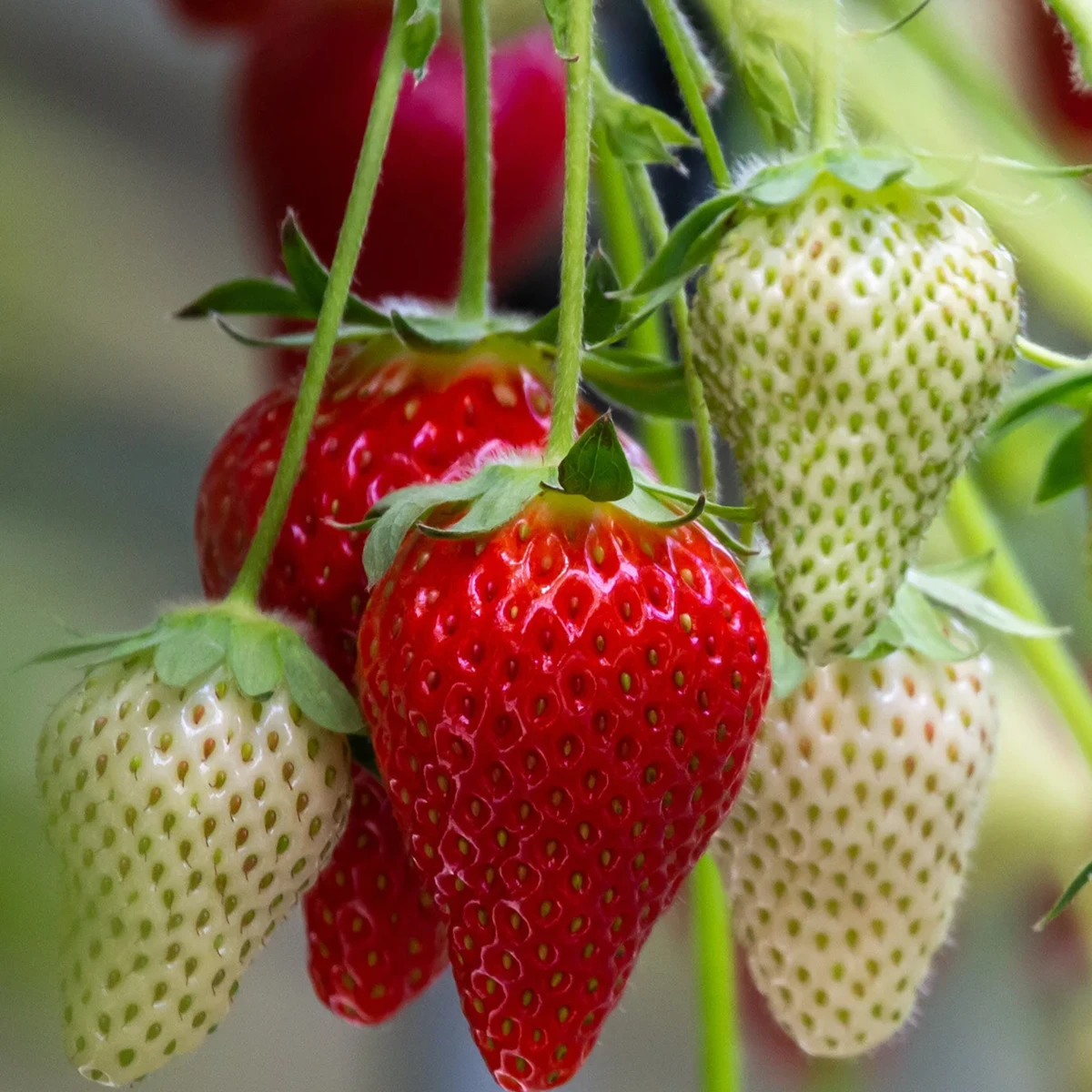
- A true everbearing variety that delivers continuous harvests of sweet, bright red, medium-sized berries from early summer right up to the first frost.
- Compact habit — reaching just 10-12 inches tall and 12-16 inches wide — makes it a perfect fit for containers, hanging baskets, window boxes, patio planters, and edging borders.
- Produces very few runners, directing its energy into prolific fruit set and flowering, so you get more berries with less maintenance all season long.
Summer Breeze Cherry Blossom Strawberry (Fragaria x ananassa 'Summer Breeze Cherry Blossom') is a show-stopping F1 hybrid that effortlessly bridges the worlds of ornamental gardening and edible landscaping, offering gardeners the best of both in one remarkably compact plant. Developed from Dutch breeding stock by ABZ Seeds specifically to maximize both floral display and fruit yield, this everbearing variety sets itself apart with large, semi-double blooms in a rich, luminous cherry-pink that evokes the romance of a flowering cherry tree in spring — an extraordinarily rare trait in the strawberry world. The blooms continue opening even as earlier fruits set and ripen, ensuring the plant is never without color from late spring until autumn frosts bring the season to a close. Beneath those gorgeous flowers, glossy, deep-green trifoliate foliage provides a lush backdrop that looks every bit as polished in a decorative patio container as it does in a raised edible garden bed. Berries are medium-sized, cone-shaped, bright red, and sweetly flavored — and the mildly strawberry-scented flowers themselves are edible, making an elegant garnish for salads, cocktails, and desserts. Produces very few runners, channeling its energy into season-long fruit production rather than vegetative spread. Hardy in USDA Zones 4-9, Summer Breeze Cherry Blossom Strawberry thrives in the Southern Oregon and Northern California climate and is equally at home in the ground or in a container on a sunny deck or balcony, making it an irresistible choice for gardeners who refuse to sacrifice beauty for flavor.
Plant Description
Summer Breeze Cherry Blossom Strawberry is an F1 hybrid everbearing strawberry in the Rosaceae family bred to deliver both exceptional ornamental appeal and reliable, productive fruit yields. It stands out from all other commonly grown strawberry varieties because of its spectacular semi-double flowers, which feature extra layers of petals in a deep, luminous cherry-pink that closely resembles the look of a flowering cherry tree in bloom. Unlike standard strawberry flowers, which are small and white, these blooms are large — up to 1.5 inches across — and hold their petals for an unusually long time, keeping the plant looking colorful and full throughout the entire growing season. Glossy, bright-green trifoliate leaves provide a clean, attractive backdrop for the flowers and fruit. Plants produce very few stolons (runners), meaning they stay tidy and put their energy into continuous flowering and fruiting rather than spreading aggressively. Both the flowers and the ripe bright-red berries are edible: the blooms carry a mild strawberry flavor and make an elegant garnish for salads, desserts, and drinks, while the berries are sweet, juicy, and medium-sized with classic strawberry flavor.
Mature Size
| Attribute | Measurement |
|---|---|
| Plant Height | 10-12 inches |
| Plant Spread | 12-16 inches |
| Flower Diameter | Approximately 1.5 inches |
| Berry Size | Medium, cone-shaped |
| Runner Production | Very few |
| Growth Habit | Compact, mounding |
Hardiness Zones and Climate
Summer Breeze Cherry Blossom Strawberry is hardy in USDA Zones 4-9, making it well suited to the wide range of climates found across Southern Oregon and Northern California. In the warmer valleys and coastal zones of this region (Zones 7-9), plants typically behave as short-lived perennials or are grown as annuals replanted each spring for peak performance. In the cooler Siskiyou mountain foothills and higher-elevation areas (Zones 4-6), plants can be carried over winter with the protection of a layer of straw mulch applied over the crowns after the first hard frost. Shield plants from prolonged extreme heat above 90°F by providing afternoon shade or extra irrigation during heat spikes. Protect from strong, desiccating winds in all climates. Container-grown plants should be moved to a sheltered, frost-free location or insulated garage during hard freezes in colder zones.
Sunlight Requirements
Summer Breeze Cherry Blossom Strawberry performs best in full sun, requiring a minimum of 6-8 hours of direct sunlight per day. Abundant sun exposure is directly linked to the quantity and quality of both flowers and fruit — more sun means more blooms and sweeter, more prolific berries. In the hottest inland valleys of Southern Oregon and Northern California, where summer temperatures regularly exceed 95°F, plants benefit from light afternoon shade to prevent foliage scorch and to keep berries from overheating on the plant. In coastal or higher-elevation locations with naturally moderate temperatures, full sun all day is ideal. Containers should be positioned to take maximum advantage of morning sun, which is gentler, and can be shifted to catch afternoon shade during heat events.
Soil and pH Preferences
- Soil Type: Rich, loose, well-drained loam or sandy loam enriched with generous amounts of organic matter. Avoid heavy clay soils that retain standing water around the crown.
- pH Range: Slightly acidic — ideally between 6.0 and 6.8. This range maximizes nutrient availability, particularly iron and calcium, which support vigorous growth and good fruit development.
- Organic Matter: Incorporate compost, aged manure, or a quality planting amendment into the bed or container mix at planting time and as a top-dressing each spring and fall.
- Drainage: Excellent drainage is critical. Waterlogged soil promotes crown rot and root rot, the most common causes of strawberry plant death. Raised beds and containers with drainage holes are highly recommended.
- Mulch: Apply 2-3 inches of straw, pine needles, or shredded bark around plant bases to retain soil moisture, moderate soil temperature, and keep developing berries clean and off bare soil.
Watering Guide
Consistent moisture is essential for Summer Breeze Cherry Blossom Strawberry to sustain its long season of simultaneous flowering and fruiting. Aim to provide approximately 1 inch of water per week through rainfall or supplemental irrigation. Water deeply and evenly at the base of the plant, directing water to the root zone rather than overhead to keep foliage and flowers dry — wet foliage promotes fungal diseases. Allow the top inch of soil to dry slightly between waterings, but never allow the root zone to dry out completely. Container-grown plants dry out considerably faster than in-ground plants, especially during hot summer days; check soil moisture daily during hot spells and water as needed to keep the potting mix consistently moist but never soggy. Drip irrigation or soaker hoses are ideal for in-ground plantings. Reduce watering frequency in the fall as temperatures cool and plant activity slows.
Fertilizing
Because Summer Breeze Cherry Blossom Strawberry blooms and fruits continuously from late spring through fall, it has high nutritional demands throughout the growing season. Follow these fertilizing guidelines for best results:
- At Planting: Incorporate a slow-release balanced fertilizer (such as a 10-10-10 or similar granular formula) into the soil or potting mix. This provides a foundational nutrient base as the plant establishes.
- During the Growing Season: Supplement with a liquid fertilizer formulated for strawberries or vegetables every 2-4 weeks throughout the active growing season (spring through early fall). A formula with a slightly elevated potassium level supports fruit quality and flower development.
- Container Plants: Because nutrients leach out more rapidly with frequent watering, container-grown plants benefit from fertilizing every 2 weeks with a water-soluble fertilizer at half the recommended strength.
- Mid-Summer Boost: After the first main flush of fruit, a light application of a balanced liquid fertilizer helps sustain energy for continued blooming and fruiting into fall.
- Late Season: Stop fertilizing 4-6 weeks before the expected first frost to allow the plant to harden off naturally before winter.
Planting Instructions
- Select a site with full sun (6-8+ hours daily) and excellent drainage. Prepare the bed by loosening soil to at least 8-10 inches deep and incorporating 2-3 inches of compost.
- Adjust soil pH to 6.0-6.8 if needed, using sulfur to lower pH or lime to raise it, based on a soil test.
- Dig a hole wide enough to spread the roots without crowding. The crown of the plant — where the leaves emerge from the root system — must be positioned exactly at soil level. Planting too deep buries the crown and causes rot; planting too shallow exposes roots and causes drying out.
- Space plants 8-12 inches apart in all directions to allow adequate air circulation and room to mature.
- Firm soil gently around the roots and water thoroughly immediately after planting.
- Apply 2-3 inches of straw or other organic mulch around, but not touching, the crowns.
- For container planting, use a pot at least 12 inches in diameter and depth with drainage holes. Fill with a premium vegetable or fruit potting mix and plant as above.
- Best planting times in Southern Oregon and Northern California: early spring (March-April) after danger of hard frost has passed, or early fall (September) for an extended fall harvest season in warmer coastal or valley areas.
Seasonal Interest and Harvest
Summer Breeze Cherry Blossom Strawberry delivers multi-season interest from late spring through the first hard frost of autumn. The first flush of large, semi-double cherry-pink blooms typically appears in mid-spring, putting on a display that rivals many ornamental flowering plants. As an everbearing variety, it continues to set new buds, bloom, and fruit simultaneously through the entire growing season rather than in a single concentrated June harvest like June-bearing types. Ripe berries are medium-sized, bright red, cone-shaped, and sweetly flavored; they are typically ready for harvest approximately 100-120 days after transplant. Harvest fruit when fully red and slightly firm to the touch — pick by snipping at the stem rather than pulling the berry to avoid damaging the plant. Check plants daily during peak season as berries ripen quickly in warm weather. The edible cherry-pink blooms themselves can be harvested as a delicate garnish with a mild strawberry flavor. As temperatures cool in fall, fruiting continues until the first frost ends the season.
Container and Patio Growing
Summer Breeze Cherry Blossom Strawberry was essentially designed with container growing in mind. Its compact, mounding habit, minimal runner production, simultaneous ornamental and edible qualities, and long flowering season make it one of the best strawberry varieties available for deck planters, patio pots, hanging baskets, window boxes, and strawberry towers. Follow these tips for success in containers:
- Use a container at least 12 inches in diameter and depth, with multiple drainage holes to prevent waterlogging.
- Fill with a high-quality, well-draining potting mix — never use straight garden soil in containers.
- Position containers where they will receive 6-8 hours of direct sun. Containers can be moved to catch optimal sun or shifted to afternoon shade during extreme heat.
- Check soil moisture daily; containers dry out faster than garden beds, especially in warm, sunny weather. Water whenever the top inch of soil feels dry.
- Fertilize every 2 weeks with a balanced water-soluble fertilizer throughout the growing season, as nutrients leach out with regular watering.
- In hanging baskets, the trailing stems and cascading developing fruits and flowers create a stunning visual display.
- In colder zones, move containers to a sheltered garage or shed for winter protection, keeping the potting mix barely moist until spring growth resumes.
Pruning and Maintenance
- Runner Removal: While Summer Breeze Cherry Blossom produces far fewer runners than most strawberry varieties, any that do appear should be clipped off regularly to keep the plant's energy focused on flower and fruit production rather than vegetative spread.
- Spent Foliage: Remove yellowed, dead, or damaged leaves throughout the season to improve air circulation and reduce disease risk. This is especially important in humid conditions.
- Post-Harvest Renovation: In climates where the plant is grown as a perennial (Zones 6-9), lightly trim back old foliage in late fall after frost kills the top growth. Avoid cutting into the crown.
- Mulching for Winter: In Zones 4-6, after the first hard frost has killed back the foliage, apply a 3-4 inch layer of clean straw over the crowns to insulate against freeze-thaw cycles. Remove mulch in early spring as new growth emerges.
- Spent Flower Removal: Deadheading is not necessary and is not recommended — spent flowers on this variety naturally give way to developing fruit, and removing them reduces your harvest.
Landscape Uses
Summer Breeze Cherry Blossom Strawberry's dual ornamental and edible nature opens up a wide range of creative landscape applications that standard strawberry varieties simply cannot match:
- Edible Border Plantings: Its compact size and prolific cherry-pink blooms make it an outstanding front-of-border plant along walkways, garden paths, and patio edges, providing both visual interest and a snackable harvest.
- Container Combinations: Pair with trailing herbs like thyme or low-growing violas in large mixed patio containers for a beautiful edible-ornamental display.
- Hanging Baskets: The semi-trailing growth habit and colorful blooms make it a natural choice for hanging baskets, where developing fruit cascades attractively over the sides.
- Window Boxes: Perfect scale for window boxes positioned near kitchen windows for easy harvest access.
- Rock Gardens: Its compact size and tolerance for well-drained, lean soils make it a charming addition to rock garden settings.
- Raised Bed Accent: Use as a flowering, fruiting accent plant at the edges of raised vegetable and herb beds to soften hard edges and maximize edible productivity in a small footprint.
- Edible Ground Cover: Mass plant for a low, flowering, fruit-producing ground cover in sunny spots with good drainage.
Companion Plants
Pairing Summer Breeze Cherry Blossom Strawberry with the right companions can improve pollination, deter pests, enrich soil, and enhance the overall beauty of a planting. Excellent companions include:
- Borage: Attracts pollinators strongly, which directly improves strawberry fruit set and yield. Both plants thrive under similar conditions.
- Marigolds: Deter aphids, nematodes, and other common strawberry pests with their scent. Their warm-colored blooms complement the cherry-pink of Summer Breeze beautifully.
- Garlic and Chives: Planted nearby, their sulfur compounds repel aphids and spider mites. Chives also attract beneficial pollinators when in bloom.
- Thyme: A low-growing companion that acts as a living mulch, suppresses weeds, and deters certain pests while attracting bees.
- Lettuce and Spinach: Grow well at the feet of strawberry plants, making efficient use of space in raised beds and benefiting from the light shade the strawberry canopy provides in summer.
- Asparagus: A classic long-term companion that shares similar bed conditions and does not compete aggressively with strawberry root systems.
- Avoid planting near: Brassicas (cabbage, broccoli, kale), fennel, peppers, eggplant, and tomatoes, which can inhibit growth or share disease and pest problems with strawberries.
Pests and Diseases
While Summer Breeze Cherry Blossom Strawberry's F1 hybrid vigor gives it good general resilience, it can be affected by the same pests and diseases common to strawberries. Being aware of potential problems allows for early intervention:
- Aphids: Small, soft-bodied insects that cluster on new growth and undersides of leaves. Dislodge with a firm spray of water or treat with insecticidal soap. Companion planting with garlic or chives helps deter them.
- Slugs and Snails: Feed on ripe and developing fruit, especially in moist conditions. Use straw mulch to keep fruit elevated off the soil, set slug traps, or apply iron phosphate bait around plants.
- Spider Mites: Appear in hot, dry conditions, causing stippled, bronzed foliage. Keep plants well-watered and use miticide or insecticidal soap if populations develop.
- Birds: Attracted to ripe red berries (and to the red flowers, which can be mistaken for fruit). Use bird netting draped over plants during harvest season to protect your crop.
- Gray Mold (Botrytis cinerea): The most common fungal disease of strawberries, causing fuzzy gray mold on fruit and flowers in wet conditions. Prevent by spacing plants for air circulation, watering at the base, removing spent flowers and overripe fruit promptly, and avoiding overhead irrigation.
- Powdery Mildew: Appears as a white powdery coating on leaves in warm, dry weather with cool nights. Improve air circulation and treat with a sulfur-based fungicide if needed.
- Crown Rot and Root Rot: Caused by overwatering or poorly drained soil. Plant in well-drained beds or containers and never allow the crown to sit in standing water.
- Verticillium Wilt: A soil-borne fungal disease that causes wilting and collapse. Rotate planting locations and avoid beds where tomatoes, peppers, or eggplant have grown recently.
Edible Flowers and Culinary Uses
One of the most delightful features of Summer Breeze Cherry Blossom Strawberry is that both the flowers and the berries are fully edible, opening up a range of culinary possibilities beyond the ordinary strawberry patch:
- Fresh Eating: Berries are best enjoyed straight from the plant at peak ripeness, when their natural sweetness is at its fullest.
- Edible Flowers: The large semi-double cherry-pink blooms carry a mild, pleasant strawberry-like flavor. Use them as a garnish on salads, fruit platters, cakes, and desserts, or as a decorative touch floating in cocktails, lemonade, or sparkling water.
- Preserving: Berries can be refrigerated for 3-5 days after harvest. For longer storage, freeze in a single layer on a tray and then transfer to bags — frozen berries are excellent in smoothies, baked goods, and jams.
- Jams and Preserves: Their sweet flavor and medium size make them ideal for fresh jam and preserve making throughout the long harvest season.
- Desserts: Use fresh-picked berries in shortcakes, tarts, parfaits, and ice cream, with the pink blooms as an extra decorative garnish alongside the fruit.
Wildlife Value
Summer Breeze Cherry Blossom Strawberry provides meaningful ecological value in the home garden and landscape. The large, semi-double blooms are particularly attractive to pollinators — bees, including honeybees and native bumblebees, visit the flowers frequently, and consistent pollination is directly responsible for the plant's high fruit yields. Butterflies and hoverflies also visit the blooms. The red flowers can attract birds that are accustomed to associating red coloration with ripe fruit, though birds tend to focus on actual ripe berries once those are present. Gardeners in Southern Oregon and Northern California can appreciate that supporting native pollinator populations with flowering edible plants like this variety contributes to the health of local garden ecosystems. To maximize wildlife benefit while protecting your harvest, consider using bird netting over plants only after berries begin to ripen, leaving the plant open to pollinators during the flowering phase.
- Stunning semi-double, deep cherry-pink blooms are a rare ornamental feature on a strawberry plant, holding their petals long for an extended show of color from late spring through fall.
- A true everbearing variety that delivers continuous harvests of sweet, bright red, medium-sized berries from early summer right up to the first frost.
- Compact habit — reaching just 10-12 inches tall and 12-16 inches wide — makes it a perfect fit for containers, hanging baskets, window boxes, patio planters, and edging borders.
- Produces very few runners, directing its energy into prolific fruit set and flowering, so you get more berries with less maintenance all season long.
Summer Breeze Cherry Blossom Strawberry (Fragaria x ananassa 'Summer Breeze Cherry Blossom') is a show-stopping F1 hybrid that effortlessly bridges the worlds of ornamental gardening and edible landscaping, offering gardeners the best of both in one remarkably compact plant. Developed from Dutch breeding stock by ABZ Seeds specifically to maximize both floral display and fruit yield, this everbearing variety sets itself apart with large, semi-double blooms in a rich, luminous cherry-pink that evokes the romance of a flowering cherry tree in spring — an extraordinarily rare trait in the strawberry world. The blooms continue opening even as earlier fruits set and ripen, ensuring the plant is never without color from late spring until autumn frosts bring the season to a close. Beneath those gorgeous flowers, glossy, deep-green trifoliate foliage provides a lush backdrop that looks every bit as polished in a decorative patio container as it does in a raised edible garden bed. Berries are medium-sized, cone-shaped, bright red, and sweetly flavored — and the mildly strawberry-scented flowers themselves are edible, making an elegant garnish for salads, cocktails, and desserts. Produces very few runners, channeling its energy into season-long fruit production rather than vegetative spread. Hardy in USDA Zones 4-9, Summer Breeze Cherry Blossom Strawberry thrives in the Southern Oregon and Northern California climate and is equally at home in the ground or in a container on a sunny deck or balcony, making it an irresistible choice for gardeners who refuse to sacrifice beauty for flavor.
Plant Description
Summer Breeze Cherry Blossom Strawberry is an F1 hybrid everbearing strawberry in the Rosaceae family bred to deliver both exceptional ornamental appeal and reliable, productive fruit yields. It stands out from all other commonly grown strawberry varieties because of its spectacular semi-double flowers, which feature extra layers of petals in a deep, luminous cherry-pink that closely resembles the look of a flowering cherry tree in bloom. Unlike standard strawberry flowers, which are small and white, these blooms are large — up to 1.5 inches across — and hold their petals for an unusually long time, keeping the plant looking colorful and full throughout the entire growing season. Glossy, bright-green trifoliate leaves provide a clean, attractive backdrop for the flowers and fruit. Plants produce very few stolons (runners), meaning they stay tidy and put their energy into continuous flowering and fruiting rather than spreading aggressively. Both the flowers and the ripe bright-red berries are edible: the blooms carry a mild strawberry flavor and make an elegant garnish for salads, desserts, and drinks, while the berries are sweet, juicy, and medium-sized with classic strawberry flavor.
Mature Size
| Attribute | Measurement |
|---|---|
| Plant Height | 10-12 inches |
| Plant Spread | 12-16 inches |
| Flower Diameter | Approximately 1.5 inches |
| Berry Size | Medium, cone-shaped |
| Runner Production | Very few |
| Growth Habit | Compact, mounding |
Hardiness Zones and Climate
Summer Breeze Cherry Blossom Strawberry is hardy in USDA Zones 4-9, making it well suited to the wide range of climates found across Southern Oregon and Northern California. In the warmer valleys and coastal zones of this region (Zones 7-9), plants typically behave as short-lived perennials or are grown as annuals replanted each spring for peak performance. In the cooler Siskiyou mountain foothills and higher-elevation areas (Zones 4-6), plants can be carried over winter with the protection of a layer of straw mulch applied over the crowns after the first hard frost. Shield plants from prolonged extreme heat above 90°F by providing afternoon shade or extra irrigation during heat spikes. Protect from strong, desiccating winds in all climates. Container-grown plants should be moved to a sheltered, frost-free location or insulated garage during hard freezes in colder zones.
Sunlight Requirements
Summer Breeze Cherry Blossom Strawberry performs best in full sun, requiring a minimum of 6-8 hours of direct sunlight per day. Abundant sun exposure is directly linked to the quantity and quality of both flowers and fruit — more sun means more blooms and sweeter, more prolific berries. In the hottest inland valleys of Southern Oregon and Northern California, where summer temperatures regularly exceed 95°F, plants benefit from light afternoon shade to prevent foliage scorch and to keep berries from overheating on the plant. In coastal or higher-elevation locations with naturally moderate temperatures, full sun all day is ideal. Containers should be positioned to take maximum advantage of morning sun, which is gentler, and can be shifted to catch afternoon shade during heat events.
Soil and pH Preferences
- Soil Type: Rich, loose, well-drained loam or sandy loam enriched with generous amounts of organic matter. Avoid heavy clay soils that retain standing water around the crown.
- pH Range: Slightly acidic — ideally between 6.0 and 6.8. This range maximizes nutrient availability, particularly iron and calcium, which support vigorous growth and good fruit development.
- Organic Matter: Incorporate compost, aged manure, or a quality planting amendment into the bed or container mix at planting time and as a top-dressing each spring and fall.
- Drainage: Excellent drainage is critical. Waterlogged soil promotes crown rot and root rot, the most common causes of strawberry plant death. Raised beds and containers with drainage holes are highly recommended.
- Mulch: Apply 2-3 inches of straw, pine needles, or shredded bark around plant bases to retain soil moisture, moderate soil temperature, and keep developing berries clean and off bare soil.
Watering Guide
Consistent moisture is essential for Summer Breeze Cherry Blossom Strawberry to sustain its long season of simultaneous flowering and fruiting. Aim to provide approximately 1 inch of water per week through rainfall or supplemental irrigation. Water deeply and evenly at the base of the plant, directing water to the root zone rather than overhead to keep foliage and flowers dry — wet foliage promotes fungal diseases. Allow the top inch of soil to dry slightly between waterings, but never allow the root zone to dry out completely. Container-grown plants dry out considerably faster than in-ground plants, especially during hot summer days; check soil moisture daily during hot spells and water as needed to keep the potting mix consistently moist but never soggy. Drip irrigation or soaker hoses are ideal for in-ground plantings. Reduce watering frequency in the fall as temperatures cool and plant activity slows.
Fertilizing
Because Summer Breeze Cherry Blossom Strawberry blooms and fruits continuously from late spring through fall, it has high nutritional demands throughout the growing season. Follow these fertilizing guidelines for best results:
- At Planting: Incorporate a slow-release balanced fertilizer (such as a 10-10-10 or similar granular formula) into the soil or potting mix. This provides a foundational nutrient base as the plant establishes.
- During the Growing Season: Supplement with a liquid fertilizer formulated for strawberries or vegetables every 2-4 weeks throughout the active growing season (spring through early fall). A formula with a slightly elevated potassium level supports fruit quality and flower development.
- Container Plants: Because nutrients leach out more rapidly with frequent watering, container-grown plants benefit from fertilizing every 2 weeks with a water-soluble fertilizer at half the recommended strength.
- Mid-Summer Boost: After the first main flush of fruit, a light application of a balanced liquid fertilizer helps sustain energy for continued blooming and fruiting into fall.
- Late Season: Stop fertilizing 4-6 weeks before the expected first frost to allow the plant to harden off naturally before winter.
Planting Instructions
- Select a site with full sun (6-8+ hours daily) and excellent drainage. Prepare the bed by loosening soil to at least 8-10 inches deep and incorporating 2-3 inches of compost.
- Adjust soil pH to 6.0-6.8 if needed, using sulfur to lower pH or lime to raise it, based on a soil test.
- Dig a hole wide enough to spread the roots without crowding. The crown of the plant — where the leaves emerge from the root system — must be positioned exactly at soil level. Planting too deep buries the crown and causes rot; planting too shallow exposes roots and causes drying out.
- Space plants 8-12 inches apart in all directions to allow adequate air circulation and room to mature.
- Firm soil gently around the roots and water thoroughly immediately after planting.
- Apply 2-3 inches of straw or other organic mulch around, but not touching, the crowns.
- For container planting, use a pot at least 12 inches in diameter and depth with drainage holes. Fill with a premium vegetable or fruit potting mix and plant as above.
- Best planting times in Southern Oregon and Northern California: early spring (March-April) after danger of hard frost has passed, or early fall (September) for an extended fall harvest season in warmer coastal or valley areas.
Seasonal Interest and Harvest
Summer Breeze Cherry Blossom Strawberry delivers multi-season interest from late spring through the first hard frost of autumn. The first flush of large, semi-double cherry-pink blooms typically appears in mid-spring, putting on a display that rivals many ornamental flowering plants. As an everbearing variety, it continues to set new buds, bloom, and fruit simultaneously through the entire growing season rather than in a single concentrated June harvest like June-bearing types. Ripe berries are medium-sized, bright red, cone-shaped, and sweetly flavored; they are typically ready for harvest approximately 100-120 days after transplant. Harvest fruit when fully red and slightly firm to the touch — pick by snipping at the stem rather than pulling the berry to avoid damaging the plant. Check plants daily during peak season as berries ripen quickly in warm weather. The edible cherry-pink blooms themselves can be harvested as a delicate garnish with a mild strawberry flavor. As temperatures cool in fall, fruiting continues until the first frost ends the season.
Container and Patio Growing
Summer Breeze Cherry Blossom Strawberry was essentially designed with container growing in mind. Its compact, mounding habit, minimal runner production, simultaneous ornamental and edible qualities, and long flowering season make it one of the best strawberry varieties available for deck planters, patio pots, hanging baskets, window boxes, and strawberry towers. Follow these tips for success in containers:
- Use a container at least 12 inches in diameter and depth, with multiple drainage holes to prevent waterlogging.
- Fill with a high-quality, well-draining potting mix — never use straight garden soil in containers.
- Position containers where they will receive 6-8 hours of direct sun. Containers can be moved to catch optimal sun or shifted to afternoon shade during extreme heat.
- Check soil moisture daily; containers dry out faster than garden beds, especially in warm, sunny weather. Water whenever the top inch of soil feels dry.
- Fertilize every 2 weeks with a balanced water-soluble fertilizer throughout the growing season, as nutrients leach out with regular watering.
- In hanging baskets, the trailing stems and cascading developing fruits and flowers create a stunning visual display.
- In colder zones, move containers to a sheltered garage or shed for winter protection, keeping the potting mix barely moist until spring growth resumes.
Pruning and Maintenance
- Runner Removal: While Summer Breeze Cherry Blossom produces far fewer runners than most strawberry varieties, any that do appear should be clipped off regularly to keep the plant's energy focused on flower and fruit production rather than vegetative spread.
- Spent Foliage: Remove yellowed, dead, or damaged leaves throughout the season to improve air circulation and reduce disease risk. This is especially important in humid conditions.
- Post-Harvest Renovation: In climates where the plant is grown as a perennial (Zones 6-9), lightly trim back old foliage in late fall after frost kills the top growth. Avoid cutting into the crown.
- Mulching for Winter: In Zones 4-6, after the first hard frost has killed back the foliage, apply a 3-4 inch layer of clean straw over the crowns to insulate against freeze-thaw cycles. Remove mulch in early spring as new growth emerges.
- Spent Flower Removal: Deadheading is not necessary and is not recommended — spent flowers on this variety naturally give way to developing fruit, and removing them reduces your harvest.
Landscape Uses
Summer Breeze Cherry Blossom Strawberry's dual ornamental and edible nature opens up a wide range of creative landscape applications that standard strawberry varieties simply cannot match:
- Edible Border Plantings: Its compact size and prolific cherry-pink blooms make it an outstanding front-of-border plant along walkways, garden paths, and patio edges, providing both visual interest and a snackable harvest.
- Container Combinations: Pair with trailing herbs like thyme or low-growing violas in large mixed patio containers for a beautiful edible-ornamental display.
- Hanging Baskets: The semi-trailing growth habit and colorful blooms make it a natural choice for hanging baskets, where developing fruit cascades attractively over the sides.
- Window Boxes: Perfect scale for window boxes positioned near kitchen windows for easy harvest access.
- Rock Gardens: Its compact size and tolerance for well-drained, lean soils make it a charming addition to rock garden settings.
- Raised Bed Accent: Use as a flowering, fruiting accent plant at the edges of raised vegetable and herb beds to soften hard edges and maximize edible productivity in a small footprint.
- Edible Ground Cover: Mass plant for a low, flowering, fruit-producing ground cover in sunny spots with good drainage.
Companion Plants
Pairing Summer Breeze Cherry Blossom Strawberry with the right companions can improve pollination, deter pests, enrich soil, and enhance the overall beauty of a planting. Excellent companions include:
- Borage: Attracts pollinators strongly, which directly improves strawberry fruit set and yield. Both plants thrive under similar conditions.
- Marigolds: Deter aphids, nematodes, and other common strawberry pests with their scent. Their warm-colored blooms complement the cherry-pink of Summer Breeze beautifully.
- Garlic and Chives: Planted nearby, their sulfur compounds repel aphids and spider mites. Chives also attract beneficial pollinators when in bloom.
- Thyme: A low-growing companion that acts as a living mulch, suppresses weeds, and deters certain pests while attracting bees.
- Lettuce and Spinach: Grow well at the feet of strawberry plants, making efficient use of space in raised beds and benefiting from the light shade the strawberry canopy provides in summer.
- Asparagus: A classic long-term companion that shares similar bed conditions and does not compete aggressively with strawberry root systems.
- Avoid planting near: Brassicas (cabbage, broccoli, kale), fennel, peppers, eggplant, and tomatoes, which can inhibit growth or share disease and pest problems with strawberries.
Pests and Diseases
While Summer Breeze Cherry Blossom Strawberry's F1 hybrid vigor gives it good general resilience, it can be affected by the same pests and diseases common to strawberries. Being aware of potential problems allows for early intervention:
- Aphids: Small, soft-bodied insects that cluster on new growth and undersides of leaves. Dislodge with a firm spray of water or treat with insecticidal soap. Companion planting with garlic or chives helps deter them.
- Slugs and Snails: Feed on ripe and developing fruit, especially in moist conditions. Use straw mulch to keep fruit elevated off the soil, set slug traps, or apply iron phosphate bait around plants.
- Spider Mites: Appear in hot, dry conditions, causing stippled, bronzed foliage. Keep plants well-watered and use miticide or insecticidal soap if populations develop.
- Birds: Attracted to ripe red berries (and to the red flowers, which can be mistaken for fruit). Use bird netting draped over plants during harvest season to protect your crop.
- Gray Mold (Botrytis cinerea): The most common fungal disease of strawberries, causing fuzzy gray mold on fruit and flowers in wet conditions. Prevent by spacing plants for air circulation, watering at the base, removing spent flowers and overripe fruit promptly, and avoiding overhead irrigation.
- Powdery Mildew: Appears as a white powdery coating on leaves in warm, dry weather with cool nights. Improve air circulation and treat with a sulfur-based fungicide if needed.
- Crown Rot and Root Rot: Caused by overwatering or poorly drained soil. Plant in well-drained beds or containers and never allow the crown to sit in standing water.
- Verticillium Wilt: A soil-borne fungal disease that causes wilting and collapse. Rotate planting locations and avoid beds where tomatoes, peppers, or eggplant have grown recently.
Edible Flowers and Culinary Uses
One of the most delightful features of Summer Breeze Cherry Blossom Strawberry is that both the flowers and the berries are fully edible, opening up a range of culinary possibilities beyond the ordinary strawberry patch:
- Fresh Eating: Berries are best enjoyed straight from the plant at peak ripeness, when their natural sweetness is at its fullest.
- Edible Flowers: The large semi-double cherry-pink blooms carry a mild, pleasant strawberry-like flavor. Use them as a garnish on salads, fruit platters, cakes, and desserts, or as a decorative touch floating in cocktails, lemonade, or sparkling water.
- Preserving: Berries can be refrigerated for 3-5 days after harvest. For longer storage, freeze in a single layer on a tray and then transfer to bags — frozen berries are excellent in smoothies, baked goods, and jams.
- Jams and Preserves: Their sweet flavor and medium size make them ideal for fresh jam and preserve making throughout the long harvest season.
- Desserts: Use fresh-picked berries in shortcakes, tarts, parfaits, and ice cream, with the pink blooms as an extra decorative garnish alongside the fruit.
Wildlife Value
Summer Breeze Cherry Blossom Strawberry provides meaningful ecological value in the home garden and landscape. The large, semi-double blooms are particularly attractive to pollinators — bees, including honeybees and native bumblebees, visit the flowers frequently, and consistent pollination is directly responsible for the plant's high fruit yields. Butterflies and hoverflies also visit the blooms. The red flowers can attract birds that are accustomed to associating red coloration with ripe fruit, though birds tend to focus on actual ripe berries once those are present. Gardeners in Southern Oregon and Northern California can appreciate that supporting native pollinator populations with flowering edible plants like this variety contributes to the health of local garden ecosystems. To maximize wildlife benefit while protecting your harvest, consider using bird netting over plants only after berries begin to ripen, leaving the plant open to pollinators during the flowering phase.