

Zoom the image with the mouse
Royal Star Magnolia - 5 Gallon
SKU:
105215
UPC:
014949604052
$59.99
- Early spring spectacle: large, fragrant, double white flowers open before the leaves for dramatic, season‑starting color.
- Compact, versatile habit—use as a multi‑stem shrub or small specimen tree in courtyards and entry gardens.
- Cold‑hardy star magnolia with excellent tolerance for both heat and cold; reliable in a wide range of climates (USDA 4–9).
- Easy‑care in full sun with rich, well‑drained soil; deer and rabbit resistant, and non‑toxic to cats and dogs.
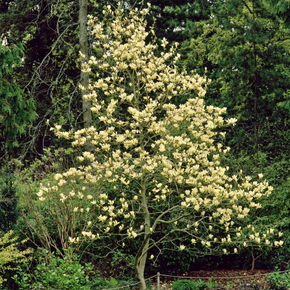
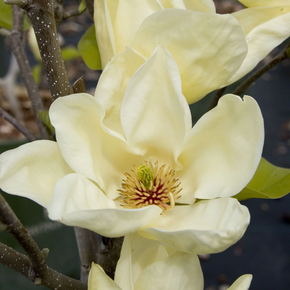
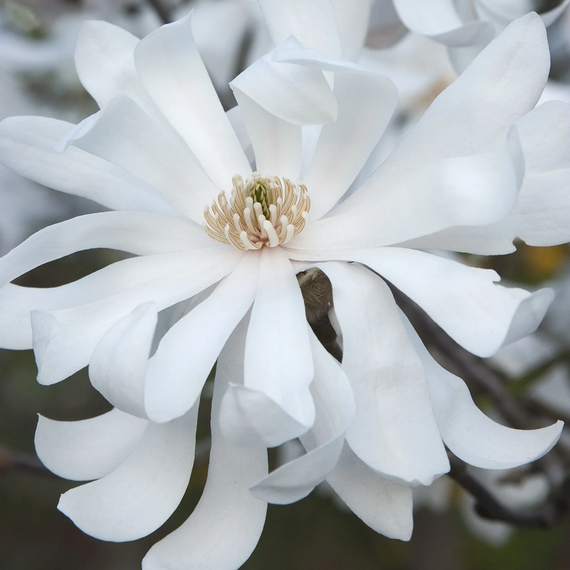
Royal Star Magnolia (Magnolia stellata ‘Royal Star’) ushers in spring with a flurry of sweetly fragrant, double white blossoms that cover bare branches weeks before foliage emerges. This moderate‑growing, small‑scale magnolia fits beautifully as a multi‑trunk shrub or compact specimen tree, bringing four‑season charm and classic elegance to foundations, paths, and patios. Plant in full sun, provide deep, nutrient‑rich, well‑drained soil, and protect from harsh late cold snaps to enjoy dependable bloom and polished, dark‑green foliage through the season.
Plant Description
Deciduous star magnolia with an upright, compact habit. Graceful, open branching supports masses of early, double white flowers followed by dark green leaves that turn soft yellow in fall.
Flowers & Fragrance
Large, showy, double white blossoms appear on bare wood in early to mid‑spring; flowers are sweetly fragrant and excellent for cutting or moonlight gardens.
Bloom Time
Early to mid‑spring, before foliage; site away from harsh, late cold snaps to protect developing buds and extend the display.
Sun Requirements
Full sun for the best flowering (tolerates light, partial shade). Choose a position sheltered from strong winter winds.
Watering Needs
Water deeply and regularly during the first few growing seasons to establish an extensive root system; once established, keep soil evenly moist and water deeply when dry.
Soil Requirements
Prefers deep, nutrient‑rich, well‑drained loam; adaptable if drainage is good. Mulch broadly to conserve moisture; avoid chronically wet or compacted sites.
Growth & Size
Moderate growth to about 10–15 ft. tall and 10–12 ft. wide—ideal scale for small gardens, foundation beds, and courtyard plantings.
Hardiness
USDA Zones 4–9; excellent cold and heat tolerance for a magnolia when sited properly.
Special Features
Deer and rabbit resistant; non‑toxic to cats and dogs; fragrant, showy flowers; attractive yellow fall color; can be grown as a large shrub or small tree.
Landscape Uses
Specimen near entries and patios, all‑white or moonlight gardens, cottage and Asian‑inspired designs, foundation accents, and small lawn focal points.
Care Instructions
Feed in early spring before new growth. Prune only after flowering to refine structure or remove damaged wood. Provide protection from harsh winter winds and late cold snaps.
Design Tips
Underplant with hostas, astilbes, and spring bulbs to echo the early bloom; pair with hydrangeas or hollies for layered, four‑season structure.
- Early spring spectacle: large, fragrant, double white flowers open before the leaves for dramatic, season‑starting color.
- Compact, versatile habit—use as a multi‑stem shrub or small specimen tree in courtyards and entry gardens.
- Cold‑hardy star magnolia with excellent tolerance for both heat and cold; reliable in a wide range of climates (USDA 4–9).
- Easy‑care in full sun with rich, well‑drained soil; deer and rabbit resistant, and non‑toxic to cats and dogs.
Royal Star Magnolia (Magnolia stellata ‘Royal Star’) ushers in spring with a flurry of sweetly fragrant, double white blossoms that cover bare branches weeks before foliage emerges. This moderate‑growing, small‑scale magnolia fits beautifully as a multi‑trunk shrub or compact specimen tree, bringing four‑season charm and classic elegance to foundations, paths, and patios. Plant in full sun, provide deep, nutrient‑rich, well‑drained soil, and protect from harsh late cold snaps to enjoy dependable bloom and polished, dark‑green foliage through the season.
Plant Description
Deciduous star magnolia with an upright, compact habit. Graceful, open branching supports masses of early, double white flowers followed by dark green leaves that turn soft yellow in fall.
Flowers & Fragrance
Large, showy, double white blossoms appear on bare wood in early to mid‑spring; flowers are sweetly fragrant and excellent for cutting or moonlight gardens.
Bloom Time
Early to mid‑spring, before foliage; site away from harsh, late cold snaps to protect developing buds and extend the display.
Sun Requirements
Full sun for the best flowering (tolerates light, partial shade). Choose a position sheltered from strong winter winds.
Watering Needs
Water deeply and regularly during the first few growing seasons to establish an extensive root system; once established, keep soil evenly moist and water deeply when dry.
Soil Requirements
Prefers deep, nutrient‑rich, well‑drained loam; adaptable if drainage is good. Mulch broadly to conserve moisture; avoid chronically wet or compacted sites.
Growth & Size
Moderate growth to about 10–15 ft. tall and 10–12 ft. wide—ideal scale for small gardens, foundation beds, and courtyard plantings.
Hardiness
USDA Zones 4–9; excellent cold and heat tolerance for a magnolia when sited properly.
Special Features
Deer and rabbit resistant; non‑toxic to cats and dogs; fragrant, showy flowers; attractive yellow fall color; can be grown as a large shrub or small tree.
Landscape Uses
Specimen near entries and patios, all‑white or moonlight gardens, cottage and Asian‑inspired designs, foundation accents, and small lawn focal points.
Care Instructions
Feed in early spring before new growth. Prune only after flowering to refine structure or remove damaged wood. Provide protection from harsh winter winds and late cold snaps.
Design Tips
Underplant with hostas, astilbes, and spring bulbs to echo the early bloom; pair with hydrangeas or hollies for layered, four‑season structure.
Related Products