Zoom the image with the mouse
Red Twig Dogwood
SKU:
2036845
UPC:
014949277515
$17.99
- Brilliant winter color: new growth displays outstanding coral-red stems that glow against the dormant landscape.
- Multi-season interest with yellowish-white summer flowers followed by small blue berries.
- Versatile, multi-stemmed deciduous shrub for borders, hedges, and privacy screens—great for seasonal cut branches.
- Adaptable and tough: tolerates wet sites and urban conditions, with best stem color encouraged by annual renewal pruning.
Red Twig Dogwood (Cornus alba ‘Sibirica’) is a classic, four-season shrub prized for its vivid coral-red stems that shine brightest in winter and early spring. In summer, clusters of yellowish-white flowers appear, followed by small blue berries that add ornamental interest and help support wildlife. As the season turns, the clean green foliage transitions to red fall color before dropping to reveal those glowing stems again. Use it as a bold winter accent in mixed borders, plant in groups for a dramatic mass, or line it up as an informal hedge or privacy screen. For the most intense stem color, renew the plant each year by pruning out older wood to stimulate fresh, brightly colored new growth.
Plant Description
A multi-stemmed, deciduous dogwood valued for its coral-red young stems and dependable, multi-season performance. Provides flowers, berries, fall color, and exceptional winter stem display.
Winter Stem Color
Current season stems develop the most vivid coral-red color, creating a striking winter focal point—especially when planted en masse or paired with evergreens.
Flowers
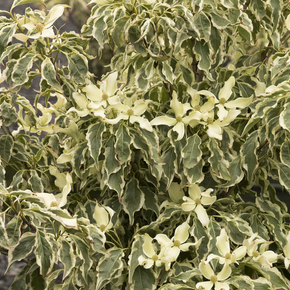
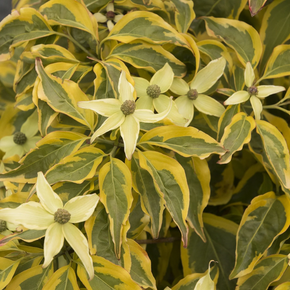
Yellowish-white flowers appear in summer, adding subtle seasonal bloom and a soft contrast to the foliage.
Berries & Wildlife Interest
Flowers are followed by small blue berries that add ornamental interest and seasonal appeal after bloom.
Habit & Mature Size
Moderate growing; typically reaches about 9 ft. tall and about 5 ft. wide, forming an upright, multi-stemmed shrub suitable for screening and hedging.
Sun & Exposure
Grows well in full sun to partial sun. More sun generally supports the strongest stem color and densest growth.
Watering
Keep soil moist, especially during establishment. Water deeply and regularly during the first growing season to build a strong root system.
Soil & Site Adaptability
Prefers enriched, evenly moist, well-drained soil but is highly adaptable. Once established, it tolerates both dry conditions and wetter soils, including challenging low spots.
Pruning for Best Color
For the brightest red stems, hard prune about one-third of the oldest stems each year in late winter to stimulate vigorous new growth.
Fertilizing & Seasonal Care
Fertilize in spring to support healthy growth. Use annual renewal pruning to maintain strong stem color and a tidy, full habit.
Landscape Uses
Ideal for borders, hedges, and privacy screens. Also excellent for seasonal cut stems in arrangements and for adding winter structure to mixed plantings.
Companion Planting
Pairs well with moisture-tolerant companions and evergreen backdrops. Consider boxwood, summersweet, Japanese sweet flag, sweetspire, and chokeberry for layered texture and seasonal interest.
- Brilliant winter color: new growth displays outstanding coral-red stems that glow against the dormant landscape.
- Multi-season interest with yellowish-white summer flowers followed by small blue berries.
- Versatile, multi-stemmed deciduous shrub for borders, hedges, and privacy screens—great for seasonal cut branches.
- Adaptable and tough: tolerates wet sites and urban conditions, with best stem color encouraged by annual renewal pruning.
Red Twig Dogwood (Cornus alba ‘Sibirica’) is a classic, four-season shrub prized for its vivid coral-red stems that shine brightest in winter and early spring. In summer, clusters of yellowish-white flowers appear, followed by small blue berries that add ornamental interest and help support wildlife. As the season turns, the clean green foliage transitions to red fall color before dropping to reveal those glowing stems again. Use it as a bold winter accent in mixed borders, plant in groups for a dramatic mass, or line it up as an informal hedge or privacy screen. For the most intense stem color, renew the plant each year by pruning out older wood to stimulate fresh, brightly colored new growth.
Plant Description
A multi-stemmed, deciduous dogwood valued for its coral-red young stems and dependable, multi-season performance. Provides flowers, berries, fall color, and exceptional winter stem display.
Winter Stem Color
Current season stems develop the most vivid coral-red color, creating a striking winter focal point—especially when planted en masse or paired with evergreens.
Flowers
Yellowish-white flowers appear in summer, adding subtle seasonal bloom and a soft contrast to the foliage.
Berries & Wildlife Interest
Flowers are followed by small blue berries that add ornamental interest and seasonal appeal after bloom.
Habit & Mature Size
Moderate growing; typically reaches about 9 ft. tall and about 5 ft. wide, forming an upright, multi-stemmed shrub suitable for screening and hedging.
Sun & Exposure
Grows well in full sun to partial sun. More sun generally supports the strongest stem color and densest growth.
Watering
Keep soil moist, especially during establishment. Water deeply and regularly during the first growing season to build a strong root system.
Soil & Site Adaptability
Prefers enriched, evenly moist, well-drained soil but is highly adaptable. Once established, it tolerates both dry conditions and wetter soils, including challenging low spots.
Pruning for Best Color
For the brightest red stems, hard prune about one-third of the oldest stems each year in late winter to stimulate vigorous new growth.
Fertilizing & Seasonal Care
Fertilize in spring to support healthy growth. Use annual renewal pruning to maintain strong stem color and a tidy, full habit.
Landscape Uses
Ideal for borders, hedges, and privacy screens. Also excellent for seasonal cut stems in arrangements and for adding winter structure to mixed plantings.
Companion Planting
Pairs well with moisture-tolerant companions and evergreen backdrops. Consider boxwood, summersweet, Japanese sweet flag, sweetspire, and chokeberry for layered texture and seasonal interest.
Related Products