
Zoom the image with the mouse
Red Beauty Holly
SKU:
1848420-P
UPC:
052199197283
$34.99 - $64.99
- Brilliant scarlet-red berries blanket the glossy, dark green foliage from fall through winter, delivering show-stopping seasonal color and a natural holiday look right in the landscape.
- Naturally forms a dense, upright pyramidal silhouette with little to no pruning required, keeping maintenance low while delivering a polished, formal appearance year-round.
- An outstanding evergreen shrub for hedges, privacy screens, foundation plantings, or as a striking specimen — versatile enough to shine in nearly any landscape role.
- Deer resistant and bird-friendly, the abundant berry clusters provide a vital winter food source that draws songbirds and other wildlife directly to your garden.
Red Beauty Holly (Ilex x 'Rutzan') is a vigorous, well-branched evergreen shrub prized for its exceptional four-season ornamental appeal and effortlessly elegant pyramidal form. New spring growth emerges with an attractive brick-red blush before maturing into the rich, glossy dark green foliage that remains vibrant and eye-catching straight through the coldest winter months. In fall, this female holly becomes absolutely spectacular as it loads up with an abundance of large, brilliant scarlet berries that persist well into winter — a breathtaking contrast against the deep green, spiny leaves that makes it one of the most sought-after hollies for the home landscape. Red Beauty Holly matures to approximately 6 to 10 feet tall and 4 to 5 feet wide, maintaining its naturally compact, refined conical shape with minimal intervention. It thrives in USDA Hardiness Zones 6 through 10, adapting to full sun or partial shade and performing reliably in a wide range of soil types provided drainage is adequate. A male blue holly pollinator — such as 'Blue Prince', 'Blue Boy', or 'Blue Stallion' — planted nearby is necessary to trigger berry production. Whether used as a commanding specimen, a stately formal hedge, a foundation anchor, or a pair flanking an entryway, Red Beauty Holly delivers low-maintenance beauty, outstanding wildlife value, and timeless curb appeal in every season.
Plant Description
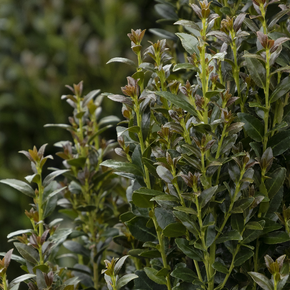
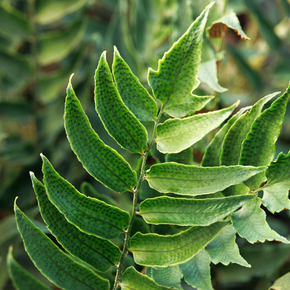
Red Beauty Holly is a compact, densely branched, upright evergreen shrub with a naturally refined pyramidal to conical growth habit. It is an interspecific hybrid (Ilex x 'Rutzan') and a female plant within the blue holly group. The foliage consists of small, glossy, spiny-margined oval leaves that emerge brick red in spring and quickly deepen to a rich, lustrous dark green — a color they hold reliably throughout the entire year, including the harshest winter months. This variety is particularly celebrated for its exceptionally showy berry display: large, vivid scarlet-red fruits that develop in generous clusters from fall through mid-winter, providing one of the most striking ornamental berry shows of any holly available. The overall aesthetic is polished, formal, and seasonally dramatic, making Red Beauty Holly a standout in any landscape setting.
Mature Size
| Characteristic | Measurement |
|---|---|
| Mature Height | 6 to 10 feet |
| Mature Spread | 4 to 5 feet |
| Growth Rate | Moderate |
| Growth Habit | Upright, dense, pyramidal to conical |
| Recommended Spacing | 4 to 5 feet on center for hedges; wider for specimens |
Red Beauty Holly grows at a moderate rate, gradually building a strong, dense framework over several years. Its naturally narrow, upright footprint makes it an excellent choice for tighter spaces where a columnar or conical evergreen is desired without sacrificing berry production or ornamental appeal. It is also noted as being suitable for planting beneath power lines due to its relatively restrained ultimate height.
Hardiness Zones and Climate
Red Beauty Holly is rated for USDA Hardiness Zones 6 through 10, making it a reliable performer across a broad range of climates including the Pacific Northwest, the South, the Mid-Atlantic, and the lower elevations of the Mountain West. It demonstrates good cold hardiness and can withstand typical winter temperatures across its range, though a thick layer of mulch around the root zone is beneficial in the colder end of its hardiness range or in exposed, windy sites. Its resilience to both summer heat and winter cold makes it one of the most adaptable ornamental hollies available. In Southern Oregon and Northern California, it performs exceptionally well given the mild winters and warm summers typical of the region. It is noted as being somewhat sensitive to heavy urban air pollution and performs best in relatively sheltered or suburban settings.
Sunlight Requirements
Red Beauty Holly performs best in full sun to partial shade. For the most vigorous growth, the densest branching structure, and the heaviest berry production, a site that receives at least 6 hours of direct sunlight per day is ideal. In hotter inland climates, afternoon shade can help prevent foliage stress during the peak of summer, while still allowing ample morning sun for healthy development. The plant adapts reasonably well to partial shade conditions, though berry production may be somewhat reduced and growth slightly less dense compared to plants growing in full sun. Avoid deep shade, which will compromise both the form and fruiting potential of the plant.
Soil and pH Preferences
- Preferred soil type: Moist, moderately fertile, well-drained loam; also tolerates clay and chalk soils with adequate drainage.
- Soil pH: Performs best in acidic to neutral soils, ideally with a pH between 5.0 and 6.5. Strongly prefers acidic conditions for optimal nutrient uptake and overall vigor.
- Drainage: Good drainage is essential — Red Beauty Holly will not tolerate standing water or consistently waterlogged conditions, which can lead to root rot.
- Soil amendment: Amending heavy clay soils with compost or aged organic matter prior to planting improves drainage, aeration, and overall soil structure, giving the plant the best possible start.
- Organic matter: Incorporating compost or acidic mulch such as pine bark into the planting area supports the slightly acidic pH preference and enriches the soil over time.
Watering Guide
At Planting: Water deeply and thoroughly immediately after planting to settle the soil around the root ball and eliminate air pockets. During the first week, water daily to support root establishment.
Establishment Period (First 1 to 2 Seasons): Water twice weekly during the establishment phase, providing approximately 1 to 2 inches of water per session depending on weather and soil conditions. Keep the soil consistently moist but never waterlogged. During hot, dry periods, monitor the plant closely for signs of moisture stress such as wilting or leaf curl.
Established Plants: Once fully established, Red Beauty Holly has good drought tolerance and typically requires only average supplemental watering — approximately 1 to 2 inches per week during dry spells. During prolonged dry or hot periods, especially in summer, supplemental irrigation helps maintain plant health and supports berry development.
Overwatering Warning: Yellowing leaves, wilting despite moist soil, and general decline may signal overwatering or poor drainage. Allow the surface of the soil to begin to dry slightly between waterings once the plant is established.
Fertilizing
Red Beauty Holly benefits from annual fertilization to maintain vigorous growth, healthy foliage color, and productive berry display. Apply a balanced, slow-release granular fertilizer formulated for acid-loving evergreen shrubs in early spring just as new growth begins. A product with an NPK ratio such as 10-6-4 or one specifically labeled for hollies, azaleas, and rhododendrons works well. Scratch the fertilizer lightly into the soil around the drip line and water in thoroughly. Avoid excessive nitrogen applications, as overly nitrogen-rich fertilizers can stimulate lush, dense leafy growth at the direct expense of flower and berry production. A light top-dressing of compost or composted pine bark mulch in fall doubles as a soil conditioner and slow organic nutrient source going into the following growing season. Avoid fertilizing after mid-summer, as late-season feeding can encourage tender new growth that is vulnerable to early frost damage.
Pruning and Maintenance
One of the most appealing qualities of Red Beauty Holly is its naturally neat, self-maintaining pyramidal form — it requires little to no pruning to stay tidy and attractive. If shaping or size control is desired, the best time to prune is in late winter to early spring, just before new growth emerges and after the primary threat of hard frost has passed. Pruning at this time allows the plant to recover quickly with the onset of the growing season. Light corrective pruning to remove any awkward, crossing, or dead branches can also be done throughout the growing season. Avoid heavy pruning in fall or early winter, as this removes the ornamental berry-bearing branches at their peak display period and may expose new cuts to cold damage. The cut foliage and berry-laden stems are excellent for use in holiday arrangements, wreaths, and seasonal home decor. Apply a 2 to 3 inch layer of mulch around the base each fall to protect roots, conserve moisture, and moderate soil temperature — but keep mulch a few inches away from the base of the trunk to prevent rot and pest issues.
Pollination and Berry Production
Red Beauty Holly is a female (pistillate) plant, meaning it produces berries only when a compatible male holly is growing nearby to provide pollen. Without a male pollinator, the plant will not set fruit. Plant a male blue holly within approximately 50 feet to ensure reliable pollination. Bees and other native pollinating insects carry pollen from the male to the female during the spring bloom period. Recommended male pollinators include:
- 'Blue Prince' — the most commonly recommended and widely available male blue holly; excellent pollinator for Red Beauty.
- 'Blue Boy' — another reliable male blue holly option.
- 'Blue Stallion' — a vigorous male selection with abundant pollen production.
One male plant is generally sufficient to pollinate several female plants within range. If a neighbor already grows one of these male selections nearby, that may be adequate for berry production. The small, inconspicuous white flowers appear in spring, and when successfully pollinated, the vivid red berries develop and ripen from fall through mid-winter.
Planting Instructions
- Choose the right site: Select a location that receives full sun to partial shade with good soil drainage. Avoid low-lying areas where water pools after rain.
- Test and prepare the soil: Test the soil pH and amend as needed to bring it into the slightly acidic range of 5.0 to 6.5. Work in compost or aged organic matter to improve soil structure, especially in clay or sandy soils.
- Dig the planting hole: Dig a hole two to three times as wide as the root ball and the same depth. Never plant deeper than the top of the root ball — the root flare should be at or just above the soil surface level.
- Position the plant: Place the root ball in the center of the hole, ensuring it is level and upright. Remove any burlap, wire, or container material.
- Backfill and firm: Backfill with the original soil (amended with compost if necessary), gently firming it around the roots to eliminate air pockets.
- Water deeply: Water thoroughly after planting to settle the soil and hydrate the roots.
- Mulch: Apply a 2 to 3 inch layer of wood chip, shredded bark, or pine needle mulch over the root zone, keeping it a few inches away from the trunk base.
- Plan for a pollinator: Ensure a compatible male blue holly is planted within 50 feet to guarantee berry production in future seasons.
Seasonal Interest
- Spring: New foliage emerges with a distinctive brick-red blush before transitioning to glossy, rich dark green. Small, inconspicuous white flowers appear and attract bees for pollination.
- Summer: Dense, lustrous deep green foliage provides a polished, evergreen backdrop in the landscape. The plant maintains its tidy pyramidal shape throughout the season.
- Fall: The first flush of vivid scarlet-red berries begins to develop, becoming increasingly showy as the season progresses. The dark green foliage provides a striking contrast to the brilliant red fruits.
- Winter: Abundant bright red berries persist through much of the winter, creating one of the most dramatic winter interest displays available in an ornamental shrub. The glossy foliage remains deep green and attractive even in freezing temperatures, and the cut stems are prized for holiday decorating.
Landscape Uses
Red Beauty Holly is one of the most versatile hollies available for residential and commercial landscapes. Its upright, compact form and year-round ornamental appeal lend themselves to a wide range of design applications:
- Privacy hedge or screen: Dense branching and evergreen foliage create an effective visual and wind barrier when planted in a row.
- Formal or informal foundation planting: The naturally refined pyramid shape makes it an ideal anchor at building corners or along foundation beds without excessive maintenance.
- Paired entryway specimens: A symmetrical pair flanking a front door, gate, or driveway creates a classic, elegant statement.
- Standalone specimen: Use a single plant as a focal point in a mixed border, island bed, or open lawn area where the berry display can be admired up close.
- Mass planting: Group plantings create a bold, unified landscape statement with impressive seasonal color impact.
- Naturalizing and woodland edges: Works beautifully at the transitional edge of wooded areas where it can naturalize while still benefiting from adequate light.
- Coastal gardens: Demonstrates good tolerance of coastal conditions and salt air, making it a valuable option near the coast.
Companion Plants
Red Beauty Holly pairs beautifully with a wide range of shrubs, perennials, and trees that complement its glossy dark evergreen foliage, formal shape, and winter berry display. Consider the following companion planting combinations:
- 'Blue Prince' or 'Blue Stallion' Holly — the essential male pollinator partner; place within 50 feet to ensure berry set.
- Witch Hazel (Hamamelis) — fragrant winter and early spring blooms in yellow, orange, or red create a stunning seasonal contrast alongside the Red Beauty's red berries.
- Nandina (Nandina domestica) — red winter berries and colorful foliage echo the seasonal palette of Red Beauty Holly in a complementary and lower-growing companion.
- Ornamental Grasses (e.g., Muhlenbergia, Carex) — wispy, fine-textured foliage provides elegant contrast to the bold, spiny holly leaves.
- Camellia (Camellia japonica or sasanqua) — a natural partner for Southern Oregon and Northern California gardens, offering winter blooms alongside the holly's berry display.
- Heavenly Bamboo or Japanese Pieris (Pieris japonica) — share the same acidic soil preference and create a layered, year-round evergreen garden composition.
- Hellebores (Helleborus) — shade-tolerant winter and early spring bloomers that carpet the ground beneath the holly canopy beautifully.
Pests and Diseases
Red Beauty Holly is generally a very tough, resilient plant with few serious pest or disease problems. It is considered relatively pest and disease resistant under good cultural conditions.
Potential Pests:
- Scale insects: Armored or soft scale can occasionally colonize stems and leaves, causing yellowing and reduced vigor. Treat with horticultural oil or insecticidal soap applied in early spring when crawler stage is active.
- Spider mites: May appear during hot, dry periods, causing stippled or bronze-toned foliage. Increase irrigation and apply horticultural oil or miticide as needed.
- Aphids: Occasionally cluster on new growth in spring; usually controlled by natural predators or a strong spray of water. Insecticidal soap can be used for heavier infestations.
- Holly leaf miner: Larvae create winding trails within leaves; generally cosmetic but can be managed with systemic treatments if severe.
Potential Diseases:
- Root rot (Phytophthora): Caused by consistently waterlogged soil; prevented by ensuring excellent drainage at planting and avoiding overwatering.
- Leaf spot: Fungal leaf spots may appear in humid conditions; improve air circulation and avoid overhead irrigation to reduce risk. Remove and dispose of affected foliage.
Deer rarely browse Red Beauty Holly, making it a reliable choice in landscapes where deer pressure is a concern.
Wildlife Value
Red Beauty Holly is a valuable wildlife plant, particularly during the fall and winter months when natural food sources become scarce. The abundant, large red berries are a highly attractive food source for a variety of fruit-eating bird species, including robins, cedar waxwings, mockingbirds, bluebirds, and thrushes. These birds are drawn to the plant from fall through winter as they forage for sustenance, turning the shrub into a lively, natural bird-feeding station. The dense, evergreen canopy also provides excellent year-round cover and shelter for small birds and beneficial insects. The spring flowers, while small and inconspicuous, attract native bees and other pollinating insects, contributing to garden biodiversity. Planting Red Beauty Holly in combination with a male pollinator and other native or wildlife-friendly plants greatly enhances the ecological value of the overall garden.
Container Growing
Red Beauty Holly can be grown successfully in large containers, making it a standout choice for prominent patio, deck, or entryway displays where an evergreen, berry-producing plant is desired. Use a large, sturdy container with ample drainage holes and fill with a high-quality, well-draining potting mix amended with perlite for additional drainage. A mix formulated for acid-loving plants is ideal. Container-grown specimens will require more frequent watering than in-ground plants, as pots dry out more rapidly — check soil moisture regularly and water thoroughly when the top inch of soil is dry to the touch. Apply a slow-release, acid-forming fertilizer in spring and a light liquid feed in midsummer to maintain healthy foliage and berry production. Container plants may need additional protection during cold winters, such as moving to a sheltered location or insulating the pot to protect roots from freezing. Remember to place a compatible male pollinator nearby if berry production is desired. Repot every 2 to 3 years as the plant outgrows its container.
- Brilliant scarlet-red berries blanket the glossy, dark green foliage from fall through winter, delivering show-stopping seasonal color and a natural holiday look right in the landscape.
- Naturally forms a dense, upright pyramidal silhouette with little to no pruning required, keeping maintenance low while delivering a polished, formal appearance year-round.
- An outstanding evergreen shrub for hedges, privacy screens, foundation plantings, or as a striking specimen — versatile enough to shine in nearly any landscape role.
- Deer resistant and bird-friendly, the abundant berry clusters provide a vital winter food source that draws songbirds and other wildlife directly to your garden.
Red Beauty Holly (Ilex x 'Rutzan') is a vigorous, well-branched evergreen shrub prized for its exceptional four-season ornamental appeal and effortlessly elegant pyramidal form. New spring growth emerges with an attractive brick-red blush before maturing into the rich, glossy dark green foliage that remains vibrant and eye-catching straight through the coldest winter months. In fall, this female holly becomes absolutely spectacular as it loads up with an abundance of large, brilliant scarlet berries that persist well into winter — a breathtaking contrast against the deep green, spiny leaves that makes it one of the most sought-after hollies for the home landscape. Red Beauty Holly matures to approximately 6 to 10 feet tall and 4 to 5 feet wide, maintaining its naturally compact, refined conical shape with minimal intervention. It thrives in USDA Hardiness Zones 6 through 10, adapting to full sun or partial shade and performing reliably in a wide range of soil types provided drainage is adequate. A male blue holly pollinator — such as 'Blue Prince', 'Blue Boy', or 'Blue Stallion' — planted nearby is necessary to trigger berry production. Whether used as a commanding specimen, a stately formal hedge, a foundation anchor, or a pair flanking an entryway, Red Beauty Holly delivers low-maintenance beauty, outstanding wildlife value, and timeless curb appeal in every season.
Plant Description
Red Beauty Holly is a compact, densely branched, upright evergreen shrub with a naturally refined pyramidal to conical growth habit. It is an interspecific hybrid (Ilex x 'Rutzan') and a female plant within the blue holly group. The foliage consists of small, glossy, spiny-margined oval leaves that emerge brick red in spring and quickly deepen to a rich, lustrous dark green — a color they hold reliably throughout the entire year, including the harshest winter months. This variety is particularly celebrated for its exceptionally showy berry display: large, vivid scarlet-red fruits that develop in generous clusters from fall through mid-winter, providing one of the most striking ornamental berry shows of any holly available. The overall aesthetic is polished, formal, and seasonally dramatic, making Red Beauty Holly a standout in any landscape setting.
Mature Size
| Characteristic | Measurement |
|---|---|
| Mature Height | 6 to 10 feet |
| Mature Spread | 4 to 5 feet |
| Growth Rate | Moderate |
| Growth Habit | Upright, dense, pyramidal to conical |
| Recommended Spacing | 4 to 5 feet on center for hedges; wider for specimens |
Red Beauty Holly grows at a moderate rate, gradually building a strong, dense framework over several years. Its naturally narrow, upright footprint makes it an excellent choice for tighter spaces where a columnar or conical evergreen is desired without sacrificing berry production or ornamental appeal. It is also noted as being suitable for planting beneath power lines due to its relatively restrained ultimate height.
Hardiness Zones and Climate
Red Beauty Holly is rated for USDA Hardiness Zones 6 through 10, making it a reliable performer across a broad range of climates including the Pacific Northwest, the South, the Mid-Atlantic, and the lower elevations of the Mountain West. It demonstrates good cold hardiness and can withstand typical winter temperatures across its range, though a thick layer of mulch around the root zone is beneficial in the colder end of its hardiness range or in exposed, windy sites. Its resilience to both summer heat and winter cold makes it one of the most adaptable ornamental hollies available. In Southern Oregon and Northern California, it performs exceptionally well given the mild winters and warm summers typical of the region. It is noted as being somewhat sensitive to heavy urban air pollution and performs best in relatively sheltered or suburban settings.
Sunlight Requirements
Red Beauty Holly performs best in full sun to partial shade. For the most vigorous growth, the densest branching structure, and the heaviest berry production, a site that receives at least 6 hours of direct sunlight per day is ideal. In hotter inland climates, afternoon shade can help prevent foliage stress during the peak of summer, while still allowing ample morning sun for healthy development. The plant adapts reasonably well to partial shade conditions, though berry production may be somewhat reduced and growth slightly less dense compared to plants growing in full sun. Avoid deep shade, which will compromise both the form and fruiting potential of the plant.
Soil and pH Preferences
- Preferred soil type: Moist, moderately fertile, well-drained loam; also tolerates clay and chalk soils with adequate drainage.
- Soil pH: Performs best in acidic to neutral soils, ideally with a pH between 5.0 and 6.5. Strongly prefers acidic conditions for optimal nutrient uptake and overall vigor.
- Drainage: Good drainage is essential — Red Beauty Holly will not tolerate standing water or consistently waterlogged conditions, which can lead to root rot.
- Soil amendment: Amending heavy clay soils with compost or aged organic matter prior to planting improves drainage, aeration, and overall soil structure, giving the plant the best possible start.
- Organic matter: Incorporating compost or acidic mulch such as pine bark into the planting area supports the slightly acidic pH preference and enriches the soil over time.
Watering Guide
At Planting: Water deeply and thoroughly immediately after planting to settle the soil around the root ball and eliminate air pockets. During the first week, water daily to support root establishment.
Establishment Period (First 1 to 2 Seasons): Water twice weekly during the establishment phase, providing approximately 1 to 2 inches of water per session depending on weather and soil conditions. Keep the soil consistently moist but never waterlogged. During hot, dry periods, monitor the plant closely for signs of moisture stress such as wilting or leaf curl.
Established Plants: Once fully established, Red Beauty Holly has good drought tolerance and typically requires only average supplemental watering — approximately 1 to 2 inches per week during dry spells. During prolonged dry or hot periods, especially in summer, supplemental irrigation helps maintain plant health and supports berry development.
Overwatering Warning: Yellowing leaves, wilting despite moist soil, and general decline may signal overwatering or poor drainage. Allow the surface of the soil to begin to dry slightly between waterings once the plant is established.
Fertilizing
Red Beauty Holly benefits from annual fertilization to maintain vigorous growth, healthy foliage color, and productive berry display. Apply a balanced, slow-release granular fertilizer formulated for acid-loving evergreen shrubs in early spring just as new growth begins. A product with an NPK ratio such as 10-6-4 or one specifically labeled for hollies, azaleas, and rhododendrons works well. Scratch the fertilizer lightly into the soil around the drip line and water in thoroughly. Avoid excessive nitrogen applications, as overly nitrogen-rich fertilizers can stimulate lush, dense leafy growth at the direct expense of flower and berry production. A light top-dressing of compost or composted pine bark mulch in fall doubles as a soil conditioner and slow organic nutrient source going into the following growing season. Avoid fertilizing after mid-summer, as late-season feeding can encourage tender new growth that is vulnerable to early frost damage.
Pruning and Maintenance
One of the most appealing qualities of Red Beauty Holly is its naturally neat, self-maintaining pyramidal form — it requires little to no pruning to stay tidy and attractive. If shaping or size control is desired, the best time to prune is in late winter to early spring, just before new growth emerges and after the primary threat of hard frost has passed. Pruning at this time allows the plant to recover quickly with the onset of the growing season. Light corrective pruning to remove any awkward, crossing, or dead branches can also be done throughout the growing season. Avoid heavy pruning in fall or early winter, as this removes the ornamental berry-bearing branches at their peak display period and may expose new cuts to cold damage. The cut foliage and berry-laden stems are excellent for use in holiday arrangements, wreaths, and seasonal home decor. Apply a 2 to 3 inch layer of mulch around the base each fall to protect roots, conserve moisture, and moderate soil temperature — but keep mulch a few inches away from the base of the trunk to prevent rot and pest issues.
Pollination and Berry Production
Red Beauty Holly is a female (pistillate) plant, meaning it produces berries only when a compatible male holly is growing nearby to provide pollen. Without a male pollinator, the plant will not set fruit. Plant a male blue holly within approximately 50 feet to ensure reliable pollination. Bees and other native pollinating insects carry pollen from the male to the female during the spring bloom period. Recommended male pollinators include:
- 'Blue Prince' — the most commonly recommended and widely available male blue holly; excellent pollinator for Red Beauty.
- 'Blue Boy' — another reliable male blue holly option.
- 'Blue Stallion' — a vigorous male selection with abundant pollen production.
One male plant is generally sufficient to pollinate several female plants within range. If a neighbor already grows one of these male selections nearby, that may be adequate for berry production. The small, inconspicuous white flowers appear in spring, and when successfully pollinated, the vivid red berries develop and ripen from fall through mid-winter.
Planting Instructions
- Choose the right site: Select a location that receives full sun to partial shade with good soil drainage. Avoid low-lying areas where water pools after rain.
- Test and prepare the soil: Test the soil pH and amend as needed to bring it into the slightly acidic range of 5.0 to 6.5. Work in compost or aged organic matter to improve soil structure, especially in clay or sandy soils.
- Dig the planting hole: Dig a hole two to three times as wide as the root ball and the same depth. Never plant deeper than the top of the root ball — the root flare should be at or just above the soil surface level.
- Position the plant: Place the root ball in the center of the hole, ensuring it is level and upright. Remove any burlap, wire, or container material.
- Backfill and firm: Backfill with the original soil (amended with compost if necessary), gently firming it around the roots to eliminate air pockets.
- Water deeply: Water thoroughly after planting to settle the soil and hydrate the roots.
- Mulch: Apply a 2 to 3 inch layer of wood chip, shredded bark, or pine needle mulch over the root zone, keeping it a few inches away from the trunk base.
- Plan for a pollinator: Ensure a compatible male blue holly is planted within 50 feet to guarantee berry production in future seasons.
Seasonal Interest
- Spring: New foliage emerges with a distinctive brick-red blush before transitioning to glossy, rich dark green. Small, inconspicuous white flowers appear and attract bees for pollination.
- Summer: Dense, lustrous deep green foliage provides a polished, evergreen backdrop in the landscape. The plant maintains its tidy pyramidal shape throughout the season.
- Fall: The first flush of vivid scarlet-red berries begins to develop, becoming increasingly showy as the season progresses. The dark green foliage provides a striking contrast to the brilliant red fruits.
- Winter: Abundant bright red berries persist through much of the winter, creating one of the most dramatic winter interest displays available in an ornamental shrub. The glossy foliage remains deep green and attractive even in freezing temperatures, and the cut stems are prized for holiday decorating.
Landscape Uses
Red Beauty Holly is one of the most versatile hollies available for residential and commercial landscapes. Its upright, compact form and year-round ornamental appeal lend themselves to a wide range of design applications:
- Privacy hedge or screen: Dense branching and evergreen foliage create an effective visual and wind barrier when planted in a row.
- Formal or informal foundation planting: The naturally refined pyramid shape makes it an ideal anchor at building corners or along foundation beds without excessive maintenance.
- Paired entryway specimens: A symmetrical pair flanking a front door, gate, or driveway creates a classic, elegant statement.
- Standalone specimen: Use a single plant as a focal point in a mixed border, island bed, or open lawn area where the berry display can be admired up close.
- Mass planting: Group plantings create a bold, unified landscape statement with impressive seasonal color impact.
- Naturalizing and woodland edges: Works beautifully at the transitional edge of wooded areas where it can naturalize while still benefiting from adequate light.
- Coastal gardens: Demonstrates good tolerance of coastal conditions and salt air, making it a valuable option near the coast.
Companion Plants
Red Beauty Holly pairs beautifully with a wide range of shrubs, perennials, and trees that complement its glossy dark evergreen foliage, formal shape, and winter berry display. Consider the following companion planting combinations:
- 'Blue Prince' or 'Blue Stallion' Holly — the essential male pollinator partner; place within 50 feet to ensure berry set.
- Witch Hazel (Hamamelis) — fragrant winter and early spring blooms in yellow, orange, or red create a stunning seasonal contrast alongside the Red Beauty's red berries.
- Nandina (Nandina domestica) — red winter berries and colorful foliage echo the seasonal palette of Red Beauty Holly in a complementary and lower-growing companion.
- Ornamental Grasses (e.g., Muhlenbergia, Carex) — wispy, fine-textured foliage provides elegant contrast to the bold, spiny holly leaves.
- Camellia (Camellia japonica or sasanqua) — a natural partner for Southern Oregon and Northern California gardens, offering winter blooms alongside the holly's berry display.
- Heavenly Bamboo or Japanese Pieris (Pieris japonica) — share the same acidic soil preference and create a layered, year-round evergreen garden composition.
- Hellebores (Helleborus) — shade-tolerant winter and early spring bloomers that carpet the ground beneath the holly canopy beautifully.
Pests and Diseases
Red Beauty Holly is generally a very tough, resilient plant with few serious pest or disease problems. It is considered relatively pest and disease resistant under good cultural conditions.
Potential Pests:
- Scale insects: Armored or soft scale can occasionally colonize stems and leaves, causing yellowing and reduced vigor. Treat with horticultural oil or insecticidal soap applied in early spring when crawler stage is active.
- Spider mites: May appear during hot, dry periods, causing stippled or bronze-toned foliage. Increase irrigation and apply horticultural oil or miticide as needed.
- Aphids: Occasionally cluster on new growth in spring; usually controlled by natural predators or a strong spray of water. Insecticidal soap can be used for heavier infestations.
- Holly leaf miner: Larvae create winding trails within leaves; generally cosmetic but can be managed with systemic treatments if severe.
Potential Diseases:
- Root rot (Phytophthora): Caused by consistently waterlogged soil; prevented by ensuring excellent drainage at planting and avoiding overwatering.
- Leaf spot: Fungal leaf spots may appear in humid conditions; improve air circulation and avoid overhead irrigation to reduce risk. Remove and dispose of affected foliage.
Deer rarely browse Red Beauty Holly, making it a reliable choice in landscapes where deer pressure is a concern.
Wildlife Value
Red Beauty Holly is a valuable wildlife plant, particularly during the fall and winter months when natural food sources become scarce. The abundant, large red berries are a highly attractive food source for a variety of fruit-eating bird species, including robins, cedar waxwings, mockingbirds, bluebirds, and thrushes. These birds are drawn to the plant from fall through winter as they forage for sustenance, turning the shrub into a lively, natural bird-feeding station. The dense, evergreen canopy also provides excellent year-round cover and shelter for small birds and beneficial insects. The spring flowers, while small and inconspicuous, attract native bees and other pollinating insects, contributing to garden biodiversity. Planting Red Beauty Holly in combination with a male pollinator and other native or wildlife-friendly plants greatly enhances the ecological value of the overall garden.
Container Growing
Red Beauty Holly can be grown successfully in large containers, making it a standout choice for prominent patio, deck, or entryway displays where an evergreen, berry-producing plant is desired. Use a large, sturdy container with ample drainage holes and fill with a high-quality, well-draining potting mix amended with perlite for additional drainage. A mix formulated for acid-loving plants is ideal. Container-grown specimens will require more frequent watering than in-ground plants, as pots dry out more rapidly — check soil moisture regularly and water thoroughly when the top inch of soil is dry to the touch. Apply a slow-release, acid-forming fertilizer in spring and a light liquid feed in midsummer to maintain healthy foliage and berry production. Container plants may need additional protection during cold winters, such as moving to a sheltered location or insulating the pot to protect roots from freezing. Remember to place a compatible male pollinator nearby if berry production is desired. Repot every 2 to 3 years as the plant outgrows its container.