
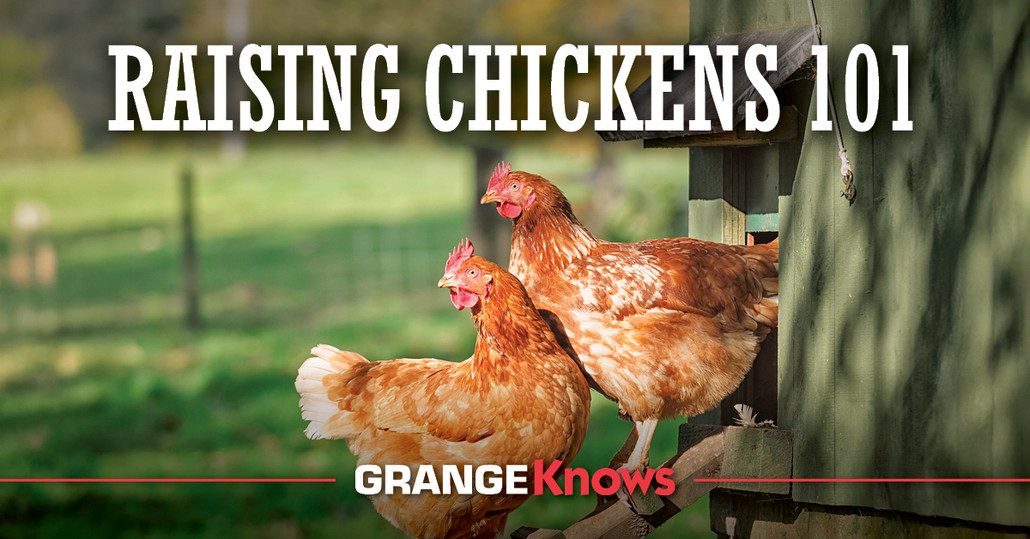
Raising Chickens 101
Posted by Grange Co-op on 28th Aug 2025
So you're thinking about raising chickens? You're not alone! Backyard chicken keeping has exploded in popularity over the past decade, and for good reason. Fresh eggs, natural pest control, garden fertilizer, and surprisingly entertaining pets—chickens offer all of this and more. But before you rush out to buy your first flock, let's cover the essential basics every beginner needs to know.
Why Raise Chickens?
The benefits extend far beyond fresh eggs. A small flock provides healthier, tastier eggs than store-bought varieties while serving as natural pest controllers, devouring bugs, ticks, and small rodents. Their droppings make excellent garden fertilizer, and for families, chickens offer incredible educational value. Perhaps most surprisingly, these birds have distinct personalities and provide genuinely therapeutic entertainment—you'll find yourself captivated by their quirky behaviors.
Before falling in love with fresh eggs every morning, check your local regulations. Many suburban areas allow backyard chickens, but rules vary widely. Research whether chickens are permitted in residential areas, if there's a limit on flock size, whether permits are required, if roosters are banned, and what setback requirements exist. Don't skip this step—it could save you heartbreak later.
Step 2: Choose the Right Chicken Breeds
For beginners, choose hardy, friendly breeds that are reliable egg producers. Rhode Island Reds are workhorses—hardy and great brown egg layers. Plymouth Rocks are friendly, cold-hardy steady layers. Buff Orpingtons are calm, fluffy, and excellent with children. Australorps are quiet, efficient layers, while Easter Eggers bring excitement with blue or green eggs and unique appearances. For smaller spaces, consider bantam breeds.
Step 3: Decide on Chicks, Pullets, or Adult Hens
Day-old chicks are economical and fun but require brooding equipment and won't lay for months. Pullets (12-16 weeks) cost more but need less work and will lay soon. Adult hens are most expensive but provide immediate egg production. Always buy from reputable hatcheries, feed stores, or farms—never assume random online sources are reliable.
Step 4: Build or Buy a Chicken Coop
A secure, well-ventilated coop is essential. Provide 3-4 square feet per bird inside the coop and 8-10 square feet per bird in outdoor runs. Include nesting boxes (one per 3-4 hens), roosting bars 2 feet high, and proper ventilation to prevent respiratory illness.
Predator-proofing cannot be overstated. Use hardware cloth, not chicken wire, on all openings and bury it 12 inches deep around the perimeter. Raccoons, foxes, hawks, and dogs pose real threats even in urban areas. Whether building, repurposing, or buying, invest in proper security from day one.
Chicken Co-ops available at Grange Co-op.
Step 5: Feed and Water Your Flock
Use starter feed for chicks (0-8 weeks), grower feed for pullets (8-18 weeks), and layer feed for adult hens (18+ weeks). Always provide fresh water daily—chickens drink up to a pint per day, and lack of water quickly impacts egg production.
Offer oyster shells free-choice for calcium and grit for digestion. Kitchen scraps make great treats in moderation—chickens love watermelon rinds, cooked rice, and pumpkin seeds. Avoid junk food, onions, chocolate, and avocado. Keep treats to 10% of their diet.
Feeders and waterers available at Grange Co-op.
Step 6: Daily Care Routine
Chicken care is surprisingly simple but requires consistency. Daily tasks include checking food and water, collecting eggs once or twice, observing behavior, and securing the coop at night. Weekly tasks involve refilling supplements, cleaning waterers, and spot-cleaning the coop. Monthly tasks include deep-cleaning, checking for parasites, and inspecting for damage.
Step 7: Health and Egg Production
Healthy chickens are active, alert, and curious. Hens typically begin laying at 18-24 weeks, producing 4-6 eggs per week. Warning signs to watch for include lethargy, pale combs and wattles, sudden egg production drops, abnormal droppings, or respiratory symptoms.
Prevent issues by maintaining clean, dry coops with good ventilation, avoiding overcrowding, and quarantining new birds. Keep a basic first aid kit with electrolytes, probiotics, wound spray, and Epsom salts on hand.
Chicken Health Supplies available at Grange Co-op.
Step 8: Enjoy the Experience
Once laying begins, you'll find fresh eggs daily in nest boxes. Shell color depends on breed—white, brown, blue, or green! Fresh eggs don't need immediate refrigeration and can be stored on counters if unwashed.
Beyond incredible eggs, raising chickens is deeply rewarding. These birds have unique personalities, make fantastic garden helpers, and provide endless entertainment. You might even get a few chicken cuddles along the way.
Common Mistakes to Avoid
Don't overcrowd birds—it causes stress and health problems. Many beginners start with too many chickens and become overwhelmed. Start with 3-6 hens. Don't underestimate predator threats or skimp on security. Remember that chickens need daily care, including weekends and vacations—have a care plan ready.
Seasonal Considerations
Chicken needs change seasonally. Summer requires shade, ventilation, and fresh water for heat stress prevention. Winter demands draft-free but ventilated housing, unfrozen water, and possibly supplemental lighting for continued laying. Spring and fall are ideal for adding new birds.
Egg production naturally decreases in winter due to reduced daylight hours, but you can maintain production by adding supplemental lighting to provide 14-16 hours of light daily.
Start Small, Grow Confident
Raising chickens is easier than you think and incredibly rewarding. Learn your birds' rhythms, and don't hesitate to ask questions in online forums or local poultry groups. Every expert started exactly where you are now—excited and ready for adventure.
Grab a notebook, sketch your coop design, and start planning your flock. The backyard chicken adventure is one you and your breakfast table won't regret. Welcome to the wonderful world of backyard chickens!
Ready to get started? Here are some products to help you get started: