


Zoom the image with the mouse
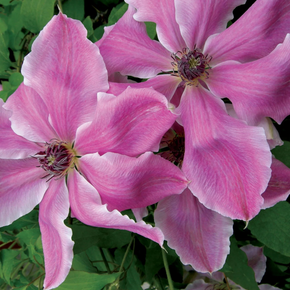
Princess Diana Clematis
SKU:
933978-P
UPC:
014949339787
$21.99 - $44.99
- Striking deep reddish-pink, tulip-shaped blooms with cream and maroon stamens
- Blooms continuously from summer into early autumn for an extended color show
- Fast-growing twining vine reaches 6–8 ft. tall with support—ideal for vertical spaces
- Versatile and tough: deer resistant, black walnut tolerant, and easy-care once established
Princess Diana Clematis (Clematis texensis ‘Princess Diana’) is a standout flowering vine that delivers a long season of vivid, tulip-shaped blooms in a rich reddish pink, highlighted by cream and maroon stamens. Flowering continuously from summer into early autumn, this fast-growing climber quickly transforms fences, walls, trellises, and arbor posts into a vibrant vertical display. Its twining stems reach 6 to 8 feet with support, and it’s equally impressive when allowed to ramble as a flowering groundcover through beds and borders. Plant Princess Diana Clematis in full sun to partial sun, give it well-drained, slightly alkaline soil, and keep roots cool with mulch for best performance and repeat bloom power.
Plant Overview
Princess Diana Clematis is a deciduous, climbing clematis selected for its distinctive tulip-shaped flowers and long bloom season. It’s a classic choice for adding vertical color to garden structures or for use as a rambling groundcover.
- Botanical name: Clematis texensis ‘Princess Diana’
- Plant habit: Climbing (twining stems)
- Deciduous: Yes
Blooms & Color
Striking, deep reddish-pink, tulip-shaped flowers feature cream and maroon stamens. The unique flower form adds a refined, lantern-like look on trellises and fences.
- Flower color: Pink (deep reddish pink)
- Flower style: Tulip-shaped
- Flower attributes: Long bloom season; showy flowers
Bloom Season
Enjoy continuous flowering from summer into early autumn, making this a high-impact option for late-season color.
- Bloom time: Summer to fall
- Season performance: Continuous bloom through the warm season into early autumn
Size & Support
With support, twining stems quickly climb and create a dense, flowering display—perfect for vertical gardening in smaller footprints.
- Height with support: 6–8 ft.
- Support needed: Trellis, arbor, fence, or other structure
- Growth rate: Fast
Light Requirements
Plant in full sun to partial sun for best flowering and overall vigor.
- Light: Full sun to partial sun
Watering Guidance
Water deeply when the top inch of soil is dry. During the first growing season, water deeply and regularly to establish strong roots.
- Routine: Water deeply when top 1 inch of soil is dry
- First season: Deep, regular watering to establish an extensive root system
Soil & Root Care
This clematis thrives in well-drained, slightly alkaline soil. Keep roots sheltered and cool while allowing the top growth to reach the sun. Mulch the soil surface to conserve moisture and protect the root zone.
- Soil: Well-drained, slightly alkaline
- Root zone: Keep roots sheltered/cool
- Mulch: Recommended to conserve moisture
Fertilizing Schedule
Feed when new growth begins, then repeat after the first flush of blooms to encourage vigorous growth and continued flowering.
- First feeding: When new growth begins
- Follow-up: Repeat after first bloom flush
Pruning (Group 3)
Princess Diana Clematis is in Pruning Group 3. Prune according to Group 3 practices to support strong new growth and reliable flowering.
- Pruning group: 3
- Tip: Prune to encourage vigorous new shoots and a fuller bloom display
Landscape Uses
A classic vine for fences, walls, and arbor posts, and exceptional as a rambling groundcover in beds and borders. Also performs beautifully in containers with a support structure.
- Uses: Border, container, espalier, ground cover
- Best structures: Trellis, arbor, fence, wall supports
Special Features & Tolerances
Built for dependable performance, this vine combines vigorous growth with resilience in challenging landscapes.
- Special features: Easy care; fast growing
- Tolerances: Deer resistant; black walnut tolerant
Hardiness & Climate Fit
Suitable for a wide range of climates where clematis thrives, offering reliable seasonal performance as a deciduous vine.
- Growing zones: 4–9
- Seasonal note: Deciduous—drops leaves in winter and regrows in spring
Companion Plants
Pair Princess Diana Clematis with shrubs and perennials that complement its late-season bloom and provide contrast in foliage and form.
- Japanese Maple (Acer)
- Climbing Rose (Rosa)
- Daylily (Hemerocallis)
- Hydrangea (Hydrangea)
- Butterfly Bush (Buddleja)
Product Details
Helpful identifiers for cataloging and merchandising.
- Pronunciation: KLEM-a-tis teck-SEN-sis
- Striking deep reddish-pink, tulip-shaped blooms with cream and maroon stamens
- Blooms continuously from summer into early autumn for an extended color show
- Fast-growing twining vine reaches 6–8 ft. tall with support—ideal for vertical spaces
- Versatile and tough: deer resistant, black walnut tolerant, and easy-care once established
Princess Diana Clematis (Clematis texensis ‘Princess Diana’) is a standout flowering vine that delivers a long season of vivid, tulip-shaped blooms in a rich reddish pink, highlighted by cream and maroon stamens. Flowering continuously from summer into early autumn, this fast-growing climber quickly transforms fences, walls, trellises, and arbor posts into a vibrant vertical display. Its twining stems reach 6 to 8 feet with support, and it’s equally impressive when allowed to ramble as a flowering groundcover through beds and borders. Plant Princess Diana Clematis in full sun to partial sun, give it well-drained, slightly alkaline soil, and keep roots cool with mulch for best performance and repeat bloom power.
Plant Overview
Princess Diana Clematis is a deciduous, climbing clematis selected for its distinctive tulip-shaped flowers and long bloom season. It’s a classic choice for adding vertical color to garden structures or for use as a rambling groundcover.
- Botanical name: Clematis texensis ‘Princess Diana’
- Plant habit: Climbing (twining stems)
- Deciduous: Yes
Blooms & Color
Striking, deep reddish-pink, tulip-shaped flowers feature cream and maroon stamens. The unique flower form adds a refined, lantern-like look on trellises and fences.
- Flower color: Pink (deep reddish pink)
- Flower style: Tulip-shaped
- Flower attributes: Long bloom season; showy flowers
Bloom Season
Enjoy continuous flowering from summer into early autumn, making this a high-impact option for late-season color.
- Bloom time: Summer to fall
- Season performance: Continuous bloom through the warm season into early autumn
Size & Support
With support, twining stems quickly climb and create a dense, flowering display—perfect for vertical gardening in smaller footprints.
- Height with support: 6–8 ft.
- Support needed: Trellis, arbor, fence, or other structure
- Growth rate: Fast
Light Requirements
Plant in full sun to partial sun for best flowering and overall vigor.
- Light: Full sun to partial sun
Watering Guidance
Water deeply when the top inch of soil is dry. During the first growing season, water deeply and regularly to establish strong roots.
- Routine: Water deeply when top 1 inch of soil is dry
- First season: Deep, regular watering to establish an extensive root system
Soil & Root Care
This clematis thrives in well-drained, slightly alkaline soil. Keep roots sheltered and cool while allowing the top growth to reach the sun. Mulch the soil surface to conserve moisture and protect the root zone.
- Soil: Well-drained, slightly alkaline
- Root zone: Keep roots sheltered/cool
- Mulch: Recommended to conserve moisture
Fertilizing Schedule
Feed when new growth begins, then repeat after the first flush of blooms to encourage vigorous growth and continued flowering.
- First feeding: When new growth begins
- Follow-up: Repeat after first bloom flush
Pruning (Group 3)
Princess Diana Clematis is in Pruning Group 3. Prune according to Group 3 practices to support strong new growth and reliable flowering.
- Pruning group: 3
- Tip: Prune to encourage vigorous new shoots and a fuller bloom display
Landscape Uses
A classic vine for fences, walls, and arbor posts, and exceptional as a rambling groundcover in beds and borders. Also performs beautifully in containers with a support structure.
- Uses: Border, container, espalier, ground cover
- Best structures: Trellis, arbor, fence, wall supports
Special Features & Tolerances
Built for dependable performance, this vine combines vigorous growth with resilience in challenging landscapes.
- Special features: Easy care; fast growing
- Tolerances: Deer resistant; black walnut tolerant
Hardiness & Climate Fit
Suitable for a wide range of climates where clematis thrives, offering reliable seasonal performance as a deciduous vine.
- Growing zones: 4–9
- Seasonal note: Deciduous—drops leaves in winter and regrows in spring
Companion Plants
Pair Princess Diana Clematis with shrubs and perennials that complement its late-season bloom and provide contrast in foliage and form.
- Japanese Maple (Acer)
- Climbing Rose (Rosa)
- Daylily (Hemerocallis)
- Hydrangea (Hydrangea)
- Butterfly Bush (Buddleja)
Product Details
Helpful identifiers for cataloging and merchandising.
- Pronunciation: KLEM-a-tis teck-SEN-sis

