

Zoom the image with the mouse
Lamb Hass Avocado - 5 Gallon
SKU:
1931580
UPC:
014949458570
$82.99
- A California-bred, late-season avocado delivering the same rich, creamy, nutty flavor as the beloved Hass — with fruit that can weigh up to 18 oz and an impressive oil content of 19–23%
- Exceptionally productive Type A flowering tree known to yield up to 50% more fruit than standard Hass, making it a standout choice for the home orchard
- Cold-hardy Guatemalan-Mexican hybrid tolerates brief dips to 22°F, thriving in USDA Zones 9–11 and performing beautifully in coastal California and Southern Oregon climates
- Upright, manageable growth habit with thick-skinned fruit that holds well on the tree, extending your harvest window from June through October in California
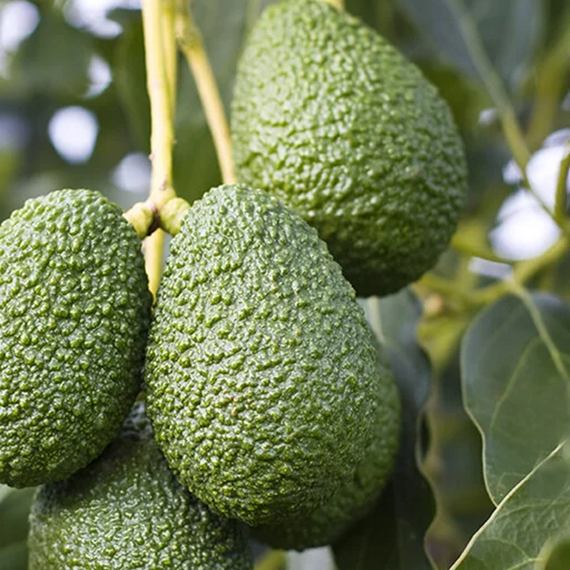
The Lamb Hass Avocado (Persea americana 'Lamb Hass') is a premium late-season avocado cultivar that has earned its place as one of the most coveted home orchard trees in the American West. Developed in Camarillo, California during the late 1970s and patented in 1996, this Guatemalan-Mexican hybrid was selected as a seedling of the Gwen variety and named in honor of Bob Lamb, on whose property the original tree was propagated. Bearing a striking resemblance to its famous Hass ancestor — with the same dark, pebbly skin that deepens from green to deep purple-black when ripe — the Lamb Hass sets itself apart with larger fruit, a higher yield potential, and a harvest window that extends well past that of traditional Hass, filling a valuable gap in the late-summer and fall garden. Each fruit offers a golden, smooth, and creamy flesh boasting a high oil content of 19–23%, delivering that signature rich, buttery, and nutty flavor that avocado lovers crave in guacamole, on toast, or sliced over salads. As a Type A flowering evergreen, Lamb Hass is self-fertile but benefits greatly from cross-pollination with a nearby Type B variety such as Bacon or Zutano to maximize its already prolific fruit set. Its vigorous, upright growth habit, deep green foliage, and impressive cold tolerance down to approximately 22°F make it an excellent landscape specimen and productive fruit producer for home gardeners in USDA Zones 9–11, including the warm valleys and coastal regions of Southern Oregon and Northern California.
Plant Description
Lamb Hass is a vigorous, evergreen avocado tree with a naturally upright growth habit and lush, deep green foliage that is noticeably darker than that of standard Hass. As a Guatemalan-Mexican hybrid, it carries the robust structure and thick-skinned fruit typical of its Guatemalan lineage, tempered by the cold adaptability contributed by its Mexican ancestry. The tree produces fruit in heavy clusters, and its dark, pebbly-skinned avocados are slightly larger than classic Hass fruit — pear-shaped to oval in form — and turn from green to a deep purple-black color when fully mature on the tree in California. The flesh is golden-green, smooth, and exceptionally creamy with a high oil content of 19–23%, encasing a medium-sized seed that leaves a generous edible yield. The flavor is rich, buttery, and nutty — virtually indistinguishable from the classic Hass avocado — making Lamb Hass a favorite among home growers who want premium quality fruit with outstanding productivity.
Mature Size
| Attribute | Detail |
|---|---|
| Mature Height (In Ground) | 20–30 ft (often maintained at 12–15 ft with pruning) |
| Mature Width (In Ground) | 15–20 ft spread |
| Growth Rate | Moderate to vigorous |
| Growth Habit | Upright and compact relative to many avocado varieties |
| Container Height | Up to 8–10 ft when grown in a large container |
| Tree Form | Evergreen; single or multi-stemmed |
Hardiness Zones and Cold Tolerance
Lamb Hass is recommended for USDA Hardiness Zones 9–11, thriving in the warm, mild climates of coastal and inland California, Southern Oregon, and Northern California. Thanks to its Guatemalan-Mexican hybrid genetics, it is among the more cold-tolerant avocado cultivars and can withstand brief temperature drops to approximately 22°F (-6°C) once established — a notable advantage over pure Guatemalan types. However, prolonged freezes, hard frosts, and consistently cold winters will damage blossoms, young wood, and fruit. Young trees are considerably more frost-sensitive than established ones and should be protected from any freezing temperatures during their first few years. In borderline climates, planting on a south-facing slope, near a heat-retaining wall, or in a sheltered microclimate can provide the extra warmth needed to ensure success. Container-grown trees can be moved to a protected patio or indoors during unexpected cold snaps.
Sunlight Requirements
Lamb Hass avocado trees require full sun to thrive and produce an abundant crop. Aim for a minimum of 6–8 hours of direct sunlight per day. The more light that reaches the entire canopy, the more vigorous the growth and the more prolific the fruit set. Choose a planting site with unobstructed southern or western exposure. Insufficient sunlight leads to reduced flowering, poor fruit development, and increased susceptibility to fungal issues. If growing in a container, situate the pot in the sunniest location available and rotate it every few weeks to encourage even, balanced growth across all sides of the canopy.
Soil and pH Preferences
- Requires extremely well-drained soil — standing water and soggy conditions are the primary cause of root rot (Phytophthora), the most serious threat to avocado trees
- Ideal soil texture is sandy loam to loamy; avoid heavy clay soils unless significantly amended or raised beds are used
- Target soil pH of 6.0–6.5 (slightly acidic); pH above 7.0 can cause nutrient deficiencies, particularly iron and zinc
- Amend planting areas with quality compost to improve soil structure, drainage, and nutrient availability
- In clay-heavy soils, plant on a raised mound 18–24 inches high and 4–5 feet wide to ensure the root zone remains above any water table or drainage restriction
- Conduct a soil test before planting to confirm drainage, pH, and baseline nutrient levels
- The shallow feeder roots typically occupy only the top 6 inches of soil, so surface soil quality and drainage are especially important
Watering Guide
Avocado trees are thirsty plants but are highly susceptible to root rot if the soil becomes waterlogged. The goal is consistent, even moisture — never drought stress, never saturation. Newly planted trees should be watered 2–3 times per week, adjusting based on weather and soil conditions. A helpful test is to grab a handful of soil from the root zone and squeeze it — if it holds the shape of your fingers, moisture is adequate. The top 2–4 inches of soil should remain evenly moist since the feeder roots are concentrated near the surface. A mature, fruiting Lamb Hass tree in the ground can use up to 20 gallons of water per day during peak summer heat, so expect irrigation to be a significant commitment. Drip irrigation targeted at the root zone is far more effective than overhead or flood watering, as it delivers moisture evenly while keeping foliage and the trunk dry. Reduce watering frequency in fall and winter, but never allow the soil to dry out completely. Container-grown trees should be watered deeply when the top 2–3 inches of the potting mix are dry, with any excess allowed to drain freely from the bottom of the pot.
Fertilizing
Lamb Hass has high nutritional demands to support its vigorous growth and prolific fruit production. Begin a fertilization program in early spring (March–April) and continue through midsummer, then pause through fall and winter. Use a fertilizer formulated for avocados or citrus, or a balanced granular fertilizer such as 10-10-10 NPK. Nitrogen is the most critical macronutrient — apply approximately 1 oz of actual nitrogen per month during the first year, then scale up based on trunk diameter (approximately half a pound of nitrogen per inch of trunk diameter per year for established trees). Apply in multiple small doses throughout the season rather than one large application, as the shallow feeder roots absorb small amounts more efficiently. Key nutrients to monitor and supplement as needed include:
- Zinc — essential for healthy fruit development; deficiency shows as yellow patches between leaf veins and can cause round, malformed fruit
- Potassium — supports fruit sizing and overall vigor
- Boron — important for pollination and fruit set
- Iron and Manganese — support overall tree health; often needed in higher-pH soils
- Magnesium — required for photosynthesis; supplement with Epsom salt if deficiency is suspected
Avoid over-fertilizing, which can push excessive vegetative growth at the expense of fruiting. A professional soil and leaf tissue test every 1–2 years is the most reliable guide for fine-tuning your fertilizer program.
Pollination
Lamb Hass is classified as a Type A avocado, meaning its flowers are functionally female during the morning of the first day they open, close, and then reopen the following afternoon as pollen-shedding male flowers. This staggered bloom timing makes Lamb Hass partially self-fertile, and a single tree will produce some fruit on its own. However, pairing it with a Type B avocado — whose flowers are female in the afternoon and male the following morning — creates ideal overlap and dramatically increases fruit set and overall yield. Recommended Type B pollinator companions include Bacon, Zutano, Fuerte, and Nabal. Bees and other pollinators are the primary agents bridging the bloom cycles between trees. If growing a single tree without a pollinator partner nearby, expect lighter (though not absent) fruiting. Planting both a Type A and Type B variety within close proximity is strongly recommended for the heaviest production from your Lamb Hass tree.
Pruning and Maintenance
Lamb Hass has a naturally upright, relatively compact growth habit that requires less aggressive pruning than sprawling avocado varieties, but regular shaping and maintenance will keep the tree productive and manageable. Key pruning guidelines include:
- Timing: The ideal pruning window is late winter to early spring (late December through mid-January in California) while the tree is in its slowest growth phase. Avoid pruning after mid-February, as new growth resumes quickly and cuts at that stage can stress the tree.
- Remove any growth that emerges below the graft union immediately — this rootstock growth will never produce Lamb Hass fruit.
- For height control, trim back only the tallest branch tips to encourage a wider, more open canopy that receives better light throughout.
- Remove dead, crossing, or crowded branches to improve air circulation and reduce pest and disease pressure.
- Young trees should be trained over the first 2–3 years into an open, well-spaced framework to support future fruit loads.
- On young trees, thin heavily clustered fruit sets to prevent branch breakage under excessive weight. As the tree matures, this becomes less critical.
- Apply a 4–6 inch layer of wood chip mulch over the root zone, keeping it 6 inches away from the trunk, to conserve moisture, moderate soil temperature, and suppress weeds.
Planting Instructions
- Choose a site with full sun (6–8 hours minimum), protection from strong prevailing winds, and excellent drainage. South- or west-facing slopes are ideal.
- Test soil pH and drainage before planting. Amend to achieve a pH of 6.0–6.5 and incorporate compost to improve soil structure.
- In clay or poorly draining soils, build a raised mound 18–24 inches high and 4–5 feet wide, and plant in the center of the mound.
- Dig a hole twice the width of the root ball and no deeper than the height of the root ball. Avocados should never be planted too deep — the crown must remain at or slightly above the existing soil grade.
- Gently remove the tree from its nursery container and inspect the roots. If circling roots are present, gently loosen them before placing in the hole.
- Backfill with the native soil mixed with compost. Do not add fertilizer directly into the planting hole.
- Water thoroughly immediately after planting to settle the soil around the roots.
- Apply a 4–6 inch layer of wood chip mulch over the root zone in a wide ring, keeping mulch at least 6 inches away from the trunk to prevent rot.
- Stake young trees loosely to protect against wind damage until the root system is established, typically 6–12 months.
- Space multiple trees 15–20 feet apart, or as close as 12 feet with regular pruning to manage canopy size.
Harvest Season and Fruit Development
One of the standout traits of Lamb Hass is its extended, late-season harvest window, which fills a gap when earlier Hass production has peaked and supply begins to taper. In California, fruit matures from June through October, with peak quality and oil content typically reached in mid-to-late summer. The fruit develops over 12–14 months following pollination. Unlike many fruits, avocados do not ripen on the tree — they must be harvested and then allowed to ripen at room temperature for 7–14 days. Ripe Lamb Hass fruit will yield to gentle pressure and the skin will have transitioned to a deep purple, nearly black color (for California-grown fruit). To test for harvest readiness, pick a single fruit in late May or early June and allow it to ripen indoors for several days. If the flavor and texture are excellent, the remaining fruit is ready. Avoid leaving fruit on the tree too long past peak maturity, as seeds can begin to germinate inside the fruit. Harvested fruit can be stored in the refrigerator at 40–50°F to slow ripening and extend your supply. A mature, established Lamb Hass tree can yield 150–250 lbs of fruit per year under good growing conditions.
Pests and Diseases
While Lamb Hass is a robust and productive tree, it is susceptible to several common avocado pests and diseases. Awareness and early intervention are key to maintaining a healthy, productive tree.
- Phytophthora Root Rot: The most serious threat to avocado trees. Caused by the water mold Phytophthora cinnamomi, it thrives in waterlogged or poorly draining soil. There is no cure once established — prevention through excellent drainage and careful irrigation management is essential. Planting on disease-resistant rootstock significantly reduces risk.
- Persea Mites and Avocado Brown Mites: Common in warm, dry conditions. Cause stippling and browning of foliage. Treat with neem oil, horticultural oil, or sulfur-based sprays. Predatory insects such as lacewings can provide biological control.
- Avocado Thrips: A relatively newer pest in California. Primarily causes cosmetic russeting of the fruit skin rather than structural harm to the tree. Environmental controls including releasing beneficial insects are preferred over broad-spectrum pesticides.
- Mealybugs and Ants: Often found together. Ants protect mealybugs from natural predators. Apply sticky bands around the trunk to prevent ant access, then allow beneficial insects such as ladybugs to control the mealybug population.
- Avocado Black Streak: A canker disease of unknown origin causing dark lesions and sap oozing from the trunk or branches. Associated with drought stress and salt exposure. Maintain consistent, quality irrigation to reduce risk.
- Dothiorella Canker: Causes cracking bark and sap weeping that dries to a white powder. Carefully scraping affected outer bark can help the area dry and recover.
- Leafroller Worms: Three types exist; all feed on foliage and fruit. Treat with Bacillus thuringiensis (Bt) to control larvae without harming beneficial insects.
Container Growing
Lamb Hass can be successfully grown in a large container, making it an excellent option for patios, courtyards, or gardeners in climates that experience occasional frost events beyond the tree's cold tolerance. Key tips for container success include:
- Use a container with a minimum capacity of 15–25 gallons and ensure it has ample drainage holes. Pot feet or a rolling caddy improve airflow under the container and make it easier to move the tree when needed.
- Fill with a lightweight, fast-draining potting mix blended with perlite or coarse sand to prevent waterlogging. Avocado-specific, citrus, or cactus potting mixes work well.
- Container-grown trees typically reach 8–10 feet in height, depending on pot size and pruning frequency.
- Water deeply when the top 2–3 inches of the potting mix are dry, and always allow excess to drain freely from the bottom.
- Flush the soil with clean water every few months to prevent salt accumulation from fertilizer, which can cause leaf tip burn.
- Fertilize every 6–8 weeks during the growing season (spring through late summer) with an avocado or citrus fertilizer. Skip feeding in fall and winter.
- Prune annually in late winter to maintain a compact shape suited to the container and available space.
- Container trees can fruit, but require more care with watering and nutrition to achieve productive yields. Cross-pollination with a Type B variety in a nearby container will improve fruit set.
- Move indoors or to a sheltered location when nighttime temperatures fall below 30°F.
Landscape Uses
Beyond its outstanding fruit production, the Lamb Hass Avocado is an attractive, evergreen landscape tree with year-round visual appeal. Its large, glossy, deep green leaves create a lush, tropical-looking canopy that provides excellent shade during summer months. The upright growth habit makes it well-suited for smaller yards compared to broader-spreading fruit trees, and it can be trained as a central-leader specimen or maintained as a multi-stemmed small tree. Ideal landscape applications include:
- Focal point specimen tree in a sunny backyard or food garden
- Productive shade tree for patios, outdoor dining areas, or seating spaces
- Integrated into edible garden designs and home orchards alongside citrus, figs, and other fruit trees
- Screen or windbreak planting when spaced appropriately and allowed to develop a full canopy
- Container accent on large patios, pool surrounds, and courtyards in warmer climates
Companion Plants
Thoughtful companion planting around your Lamb Hass tree can improve pollination, support beneficial insects, enhance soil health, and create a productive and visually appealing landscape. Recommended companions include:
- Type B Avocado Varieties (Bacon, Zutano, Fuerte, Nabal): The most important companions for maximizing fruit set through cross-pollination. Plant within 20–30 feet for optimal bee-mediated pollination transfer.
- Citrus Trees (Lemon, Orange, Mandarin): Complement the Lamb Hass growing season, thrive in the same soil and sun conditions, and extend the harvest calendar in the home orchard.
- Comfrey: A deep-rooted dynamic accumulator that mines subsoil nutrients and provides nitrogen-rich mulch material when cut back.
- Lavender and other flowering herbs: Attract pollinators including bees that improve avocado fruit set. Also deter certain pests.
- Lemongrass: Repels certain pests and thrives in the same warm, sunny conditions as avocado trees.
- Nasturtiums: Attract aphids away from the avocado tree (trap cropping) while attracting beneficial predatory insects.
- Mulching plants such as chives, comfrey, or low-growing groundcovers: Help retain moisture in the root zone and reduce weed competition without disturbing the shallow feeder roots.
Culinary Uses and Nutritional Value
The Lamb Hass avocado is a culinary powerhouse prized for its rich, creamy flesh and exceptional flavor. With an oil content of 19–23%, the flesh is luxuriously smooth and buttery, making it one of the finest avocados available for fresh eating and cooking. Popular uses include:
- Guacamole: The high oil content and creamy texture make Lamb Hass ideal for both smooth and chunky guacamole preparations.
- Avocado Toast: The dense, spreadable flesh holds its shape beautifully on toast and pairs well with a wide range of toppings.
- Salads and Grain Bowls: Sliced or cubed Lamb Hass adds richness and healthy fats to any salad, pairing especially well with citrus, tomatoes, and leafy greens.
- Dressings and Sauces: The flesh blends smoothly into creamy salad dressings, cold avocado soups, and dipping sauces.
- Sushi and Wraps: A classic pairing with fish, rice, and fresh vegetables.
Avocados are nutritionally dense, providing heart-healthy monounsaturated fats, dietary fiber, potassium, vitamins C, E, K, and B6, as well as folate. The skin of Lamb Hass is thick and not typically eaten — the fruit is best scooped from the halved shell or peeled before slicing. Avocados are best eaten raw, as cooking can introduce bitterness.
- A California-bred, late-season avocado delivering the same rich, creamy, nutty flavor as the beloved Hass — with fruit that can weigh up to 18 oz and an impressive oil content of 19–23%
- Exceptionally productive Type A flowering tree known to yield up to 50% more fruit than standard Hass, making it a standout choice for the home orchard
- Cold-hardy Guatemalan-Mexican hybrid tolerates brief dips to 22°F, thriving in USDA Zones 9–11 and performing beautifully in coastal California and Southern Oregon climates
- Upright, manageable growth habit with thick-skinned fruit that holds well on the tree, extending your harvest window from June through October in California
The Lamb Hass Avocado (Persea americana 'Lamb Hass') is a premium late-season avocado cultivar that has earned its place as one of the most coveted home orchard trees in the American West. Developed in Camarillo, California during the late 1970s and patented in 1996, this Guatemalan-Mexican hybrid was selected as a seedling of the Gwen variety and named in honor of Bob Lamb, on whose property the original tree was propagated. Bearing a striking resemblance to its famous Hass ancestor — with the same dark, pebbly skin that deepens from green to deep purple-black when ripe — the Lamb Hass sets itself apart with larger fruit, a higher yield potential, and a harvest window that extends well past that of traditional Hass, filling a valuable gap in the late-summer and fall garden. Each fruit offers a golden, smooth, and creamy flesh boasting a high oil content of 19–23%, delivering that signature rich, buttery, and nutty flavor that avocado lovers crave in guacamole, on toast, or sliced over salads. As a Type A flowering evergreen, Lamb Hass is self-fertile but benefits greatly from cross-pollination with a nearby Type B variety such as Bacon or Zutano to maximize its already prolific fruit set. Its vigorous, upright growth habit, deep green foliage, and impressive cold tolerance down to approximately 22°F make it an excellent landscape specimen and productive fruit producer for home gardeners in USDA Zones 9–11, including the warm valleys and coastal regions of Southern Oregon and Northern California.
Plant Description
Lamb Hass is a vigorous, evergreen avocado tree with a naturally upright growth habit and lush, deep green foliage that is noticeably darker than that of standard Hass. As a Guatemalan-Mexican hybrid, it carries the robust structure and thick-skinned fruit typical of its Guatemalan lineage, tempered by the cold adaptability contributed by its Mexican ancestry. The tree produces fruit in heavy clusters, and its dark, pebbly-skinned avocados are slightly larger than classic Hass fruit — pear-shaped to oval in form — and turn from green to a deep purple-black color when fully mature on the tree in California. The flesh is golden-green, smooth, and exceptionally creamy with a high oil content of 19–23%, encasing a medium-sized seed that leaves a generous edible yield. The flavor is rich, buttery, and nutty — virtually indistinguishable from the classic Hass avocado — making Lamb Hass a favorite among home growers who want premium quality fruit with outstanding productivity.
Mature Size
| Attribute | Detail |
|---|---|
| Mature Height (In Ground) | 20–30 ft (often maintained at 12–15 ft with pruning) |
| Mature Width (In Ground) | 15–20 ft spread |
| Growth Rate | Moderate to vigorous |
| Growth Habit | Upright and compact relative to many avocado varieties |
| Container Height | Up to 8–10 ft when grown in a large container |
| Tree Form | Evergreen; single or multi-stemmed |
Hardiness Zones and Cold Tolerance
Lamb Hass is recommended for USDA Hardiness Zones 9–11, thriving in the warm, mild climates of coastal and inland California, Southern Oregon, and Northern California. Thanks to its Guatemalan-Mexican hybrid genetics, it is among the more cold-tolerant avocado cultivars and can withstand brief temperature drops to approximately 22°F (-6°C) once established — a notable advantage over pure Guatemalan types. However, prolonged freezes, hard frosts, and consistently cold winters will damage blossoms, young wood, and fruit. Young trees are considerably more frost-sensitive than established ones and should be protected from any freezing temperatures during their first few years. In borderline climates, planting on a south-facing slope, near a heat-retaining wall, or in a sheltered microclimate can provide the extra warmth needed to ensure success. Container-grown trees can be moved to a protected patio or indoors during unexpected cold snaps.
Sunlight Requirements
Lamb Hass avocado trees require full sun to thrive and produce an abundant crop. Aim for a minimum of 6–8 hours of direct sunlight per day. The more light that reaches the entire canopy, the more vigorous the growth and the more prolific the fruit set. Choose a planting site with unobstructed southern or western exposure. Insufficient sunlight leads to reduced flowering, poor fruit development, and increased susceptibility to fungal issues. If growing in a container, situate the pot in the sunniest location available and rotate it every few weeks to encourage even, balanced growth across all sides of the canopy.
Soil and pH Preferences
- Requires extremely well-drained soil — standing water and soggy conditions are the primary cause of root rot (Phytophthora), the most serious threat to avocado trees
- Ideal soil texture is sandy loam to loamy; avoid heavy clay soils unless significantly amended or raised beds are used
- Target soil pH of 6.0–6.5 (slightly acidic); pH above 7.0 can cause nutrient deficiencies, particularly iron and zinc
- Amend planting areas with quality compost to improve soil structure, drainage, and nutrient availability
- In clay-heavy soils, plant on a raised mound 18–24 inches high and 4–5 feet wide to ensure the root zone remains above any water table or drainage restriction
- Conduct a soil test before planting to confirm drainage, pH, and baseline nutrient levels
- The shallow feeder roots typically occupy only the top 6 inches of soil, so surface soil quality and drainage are especially important
Watering Guide
Avocado trees are thirsty plants but are highly susceptible to root rot if the soil becomes waterlogged. The goal is consistent, even moisture — never drought stress, never saturation. Newly planted trees should be watered 2–3 times per week, adjusting based on weather and soil conditions. A helpful test is to grab a handful of soil from the root zone and squeeze it — if it holds the shape of your fingers, moisture is adequate. The top 2–4 inches of soil should remain evenly moist since the feeder roots are concentrated near the surface. A mature, fruiting Lamb Hass tree in the ground can use up to 20 gallons of water per day during peak summer heat, so expect irrigation to be a significant commitment. Drip irrigation targeted at the root zone is far more effective than overhead or flood watering, as it delivers moisture evenly while keeping foliage and the trunk dry. Reduce watering frequency in fall and winter, but never allow the soil to dry out completely. Container-grown trees should be watered deeply when the top 2–3 inches of the potting mix are dry, with any excess allowed to drain freely from the bottom of the pot.
Fertilizing
Lamb Hass has high nutritional demands to support its vigorous growth and prolific fruit production. Begin a fertilization program in early spring (March–April) and continue through midsummer, then pause through fall and winter. Use a fertilizer formulated for avocados or citrus, or a balanced granular fertilizer such as 10-10-10 NPK. Nitrogen is the most critical macronutrient — apply approximately 1 oz of actual nitrogen per month during the first year, then scale up based on trunk diameter (approximately half a pound of nitrogen per inch of trunk diameter per year for established trees). Apply in multiple small doses throughout the season rather than one large application, as the shallow feeder roots absorb small amounts more efficiently. Key nutrients to monitor and supplement as needed include:
- Zinc — essential for healthy fruit development; deficiency shows as yellow patches between leaf veins and can cause round, malformed fruit
- Potassium — supports fruit sizing and overall vigor
- Boron — important for pollination and fruit set
- Iron and Manganese — support overall tree health; often needed in higher-pH soils
- Magnesium — required for photosynthesis; supplement with Epsom salt if deficiency is suspected
Avoid over-fertilizing, which can push excessive vegetative growth at the expense of fruiting. A professional soil and leaf tissue test every 1–2 years is the most reliable guide for fine-tuning your fertilizer program.
Pollination
Lamb Hass is classified as a Type A avocado, meaning its flowers are functionally female during the morning of the first day they open, close, and then reopen the following afternoon as pollen-shedding male flowers. This staggered bloom timing makes Lamb Hass partially self-fertile, and a single tree will produce some fruit on its own. However, pairing it with a Type B avocado — whose flowers are female in the afternoon and male the following morning — creates ideal overlap and dramatically increases fruit set and overall yield. Recommended Type B pollinator companions include Bacon, Zutano, Fuerte, and Nabal. Bees and other pollinators are the primary agents bridging the bloom cycles between trees. If growing a single tree without a pollinator partner nearby, expect lighter (though not absent) fruiting. Planting both a Type A and Type B variety within close proximity is strongly recommended for the heaviest production from your Lamb Hass tree.
Pruning and Maintenance
Lamb Hass has a naturally upright, relatively compact growth habit that requires less aggressive pruning than sprawling avocado varieties, but regular shaping and maintenance will keep the tree productive and manageable. Key pruning guidelines include:
- Timing: The ideal pruning window is late winter to early spring (late December through mid-January in California) while the tree is in its slowest growth phase. Avoid pruning after mid-February, as new growth resumes quickly and cuts at that stage can stress the tree.
- Remove any growth that emerges below the graft union immediately — this rootstock growth will never produce Lamb Hass fruit.
- For height control, trim back only the tallest branch tips to encourage a wider, more open canopy that receives better light throughout.
- Remove dead, crossing, or crowded branches to improve air circulation and reduce pest and disease pressure.
- Young trees should be trained over the first 2–3 years into an open, well-spaced framework to support future fruit loads.
- On young trees, thin heavily clustered fruit sets to prevent branch breakage under excessive weight. As the tree matures, this becomes less critical.
- Apply a 4–6 inch layer of wood chip mulch over the root zone, keeping it 6 inches away from the trunk, to conserve moisture, moderate soil temperature, and suppress weeds.
Planting Instructions
- Choose a site with full sun (6–8 hours minimum), protection from strong prevailing winds, and excellent drainage. South- or west-facing slopes are ideal.
- Test soil pH and drainage before planting. Amend to achieve a pH of 6.0–6.5 and incorporate compost to improve soil structure.
- In clay or poorly draining soils, build a raised mound 18–24 inches high and 4–5 feet wide, and plant in the center of the mound.
- Dig a hole twice the width of the root ball and no deeper than the height of the root ball. Avocados should never be planted too deep — the crown must remain at or slightly above the existing soil grade.
- Gently remove the tree from its nursery container and inspect the roots. If circling roots are present, gently loosen them before placing in the hole.
- Backfill with the native soil mixed with compost. Do not add fertilizer directly into the planting hole.
- Water thoroughly immediately after planting to settle the soil around the roots.
- Apply a 4–6 inch layer of wood chip mulch over the root zone in a wide ring, keeping mulch at least 6 inches away from the trunk to prevent rot.
- Stake young trees loosely to protect against wind damage until the root system is established, typically 6–12 months.
- Space multiple trees 15–20 feet apart, or as close as 12 feet with regular pruning to manage canopy size.
Harvest Season and Fruit Development
One of the standout traits of Lamb Hass is its extended, late-season harvest window, which fills a gap when earlier Hass production has peaked and supply begins to taper. In California, fruit matures from June through October, with peak quality and oil content typically reached in mid-to-late summer. The fruit develops over 12–14 months following pollination. Unlike many fruits, avocados do not ripen on the tree — they must be harvested and then allowed to ripen at room temperature for 7–14 days. Ripe Lamb Hass fruit will yield to gentle pressure and the skin will have transitioned to a deep purple, nearly black color (for California-grown fruit). To test for harvest readiness, pick a single fruit in late May or early June and allow it to ripen indoors for several days. If the flavor and texture are excellent, the remaining fruit is ready. Avoid leaving fruit on the tree too long past peak maturity, as seeds can begin to germinate inside the fruit. Harvested fruit can be stored in the refrigerator at 40–50°F to slow ripening and extend your supply. A mature, established Lamb Hass tree can yield 150–250 lbs of fruit per year under good growing conditions.
Pests and Diseases
While Lamb Hass is a robust and productive tree, it is susceptible to several common avocado pests and diseases. Awareness and early intervention are key to maintaining a healthy, productive tree.
- Phytophthora Root Rot: The most serious threat to avocado trees. Caused by the water mold Phytophthora cinnamomi, it thrives in waterlogged or poorly draining soil. There is no cure once established — prevention through excellent drainage and careful irrigation management is essential. Planting on disease-resistant rootstock significantly reduces risk.
- Persea Mites and Avocado Brown Mites: Common in warm, dry conditions. Cause stippling and browning of foliage. Treat with neem oil, horticultural oil, or sulfur-based sprays. Predatory insects such as lacewings can provide biological control.
- Avocado Thrips: A relatively newer pest in California. Primarily causes cosmetic russeting of the fruit skin rather than structural harm to the tree. Environmental controls including releasing beneficial insects are preferred over broad-spectrum pesticides.
- Mealybugs and Ants: Often found together. Ants protect mealybugs from natural predators. Apply sticky bands around the trunk to prevent ant access, then allow beneficial insects such as ladybugs to control the mealybug population.
- Avocado Black Streak: A canker disease of unknown origin causing dark lesions and sap oozing from the trunk or branches. Associated with drought stress and salt exposure. Maintain consistent, quality irrigation to reduce risk.
- Dothiorella Canker: Causes cracking bark and sap weeping that dries to a white powder. Carefully scraping affected outer bark can help the area dry and recover.
- Leafroller Worms: Three types exist; all feed on foliage and fruit. Treat with Bacillus thuringiensis (Bt) to control larvae without harming beneficial insects.
Container Growing
Lamb Hass can be successfully grown in a large container, making it an excellent option for patios, courtyards, or gardeners in climates that experience occasional frost events beyond the tree's cold tolerance. Key tips for container success include:
- Use a container with a minimum capacity of 15–25 gallons and ensure it has ample drainage holes. Pot feet or a rolling caddy improve airflow under the container and make it easier to move the tree when needed.
- Fill with a lightweight, fast-draining potting mix blended with perlite or coarse sand to prevent waterlogging. Avocado-specific, citrus, or cactus potting mixes work well.
- Container-grown trees typically reach 8–10 feet in height, depending on pot size and pruning frequency.
- Water deeply when the top 2–3 inches of the potting mix are dry, and always allow excess to drain freely from the bottom.
- Flush the soil with clean water every few months to prevent salt accumulation from fertilizer, which can cause leaf tip burn.
- Fertilize every 6–8 weeks during the growing season (spring through late summer) with an avocado or citrus fertilizer. Skip feeding in fall and winter.
- Prune annually in late winter to maintain a compact shape suited to the container and available space.
- Container trees can fruit, but require more care with watering and nutrition to achieve productive yields. Cross-pollination with a Type B variety in a nearby container will improve fruit set.
- Move indoors or to a sheltered location when nighttime temperatures fall below 30°F.
Landscape Uses
Beyond its outstanding fruit production, the Lamb Hass Avocado is an attractive, evergreen landscape tree with year-round visual appeal. Its large, glossy, deep green leaves create a lush, tropical-looking canopy that provides excellent shade during summer months. The upright growth habit makes it well-suited for smaller yards compared to broader-spreading fruit trees, and it can be trained as a central-leader specimen or maintained as a multi-stemmed small tree. Ideal landscape applications include:
- Focal point specimen tree in a sunny backyard or food garden
- Productive shade tree for patios, outdoor dining areas, or seating spaces
- Integrated into edible garden designs and home orchards alongside citrus, figs, and other fruit trees
- Screen or windbreak planting when spaced appropriately and allowed to develop a full canopy
- Container accent on large patios, pool surrounds, and courtyards in warmer climates
Companion Plants
Thoughtful companion planting around your Lamb Hass tree can improve pollination, support beneficial insects, enhance soil health, and create a productive and visually appealing landscape. Recommended companions include:
- Type B Avocado Varieties (Bacon, Zutano, Fuerte, Nabal): The most important companions for maximizing fruit set through cross-pollination. Plant within 20–30 feet for optimal bee-mediated pollination transfer.
- Citrus Trees (Lemon, Orange, Mandarin): Complement the Lamb Hass growing season, thrive in the same soil and sun conditions, and extend the harvest calendar in the home orchard.
- Comfrey: A deep-rooted dynamic accumulator that mines subsoil nutrients and provides nitrogen-rich mulch material when cut back.
- Lavender and other flowering herbs: Attract pollinators including bees that improve avocado fruit set. Also deter certain pests.
- Lemongrass: Repels certain pests and thrives in the same warm, sunny conditions as avocado trees.
- Nasturtiums: Attract aphids away from the avocado tree (trap cropping) while attracting beneficial predatory insects.
- Mulching plants such as chives, comfrey, or low-growing groundcovers: Help retain moisture in the root zone and reduce weed competition without disturbing the shallow feeder roots.
Culinary Uses and Nutritional Value
The Lamb Hass avocado is a culinary powerhouse prized for its rich, creamy flesh and exceptional flavor. With an oil content of 19–23%, the flesh is luxuriously smooth and buttery, making it one of the finest avocados available for fresh eating and cooking. Popular uses include:
- Guacamole: The high oil content and creamy texture make Lamb Hass ideal for both smooth and chunky guacamole preparations.
- Avocado Toast: The dense, spreadable flesh holds its shape beautifully on toast and pairs well with a wide range of toppings.
- Salads and Grain Bowls: Sliced or cubed Lamb Hass adds richness and healthy fats to any salad, pairing especially well with citrus, tomatoes, and leafy greens.
- Dressings and Sauces: The flesh blends smoothly into creamy salad dressings, cold avocado soups, and dipping sauces.
- Sushi and Wraps: A classic pairing with fish, rice, and fresh vegetables.
Avocados are nutritionally dense, providing heart-healthy monounsaturated fats, dietary fiber, potassium, vitamins C, E, K, and B6, as well as folate. The skin of Lamb Hass is thick and not typically eaten — the fruit is best scooped from the halved shell or peeled before slicing. Avocados are best eaten raw, as cooking can introduce bitterness.
Related Products