

Zoom the image with the mouse
Hass Avocado - 5 Gallon
SKU:
2096715
UPC:
014949031582
$82.99
"
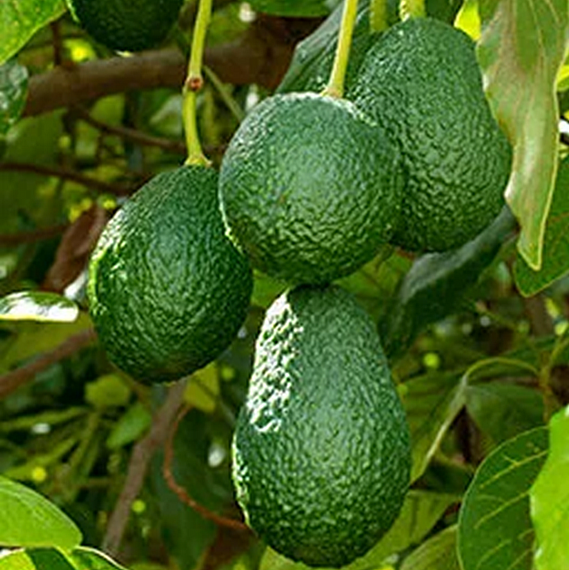
- World-renowned Type A evergreen fruit tree bearing the iconic rich, creamy, nutty-flavored avocados with signature dark, pebbly skin that shifts from green to deep purple-black at harvest maturity
- Grafted trees are quick-bearing producers, often yielding their first fruit within 3 to 5 years, with established trees capable of producing 50 to 200 or more fruits per season under ideal conditions
- Thrives in USDA Zones 9 through 11 and adapts beautifully to Southern Oregon and Northern California climates, especially in warm microclimates with south-facing exposure and excellent drainage
- Versatile dual-purpose tree delivering year-round ornamental appeal with dense, glossy evergreen foliage while also supplying a generous harvest of one of the world's most nutritious and beloved fruits
The Hass Avocado (Persea americana 'Hass') is the most celebrated and widely grown avocado cultivar in the world, accounting for roughly 80 percent of global avocado consumption, and for good reason — its buttery, oil-rich flesh, compact seed, and distinctive pebbly skin that darkens to deep purple-black when ripe set it apart from every other variety. Originating as a chance seedling discovered by California postal worker Rudolph Hass in the late 1920s, this legendary Type A flowering evergreen has since taken the culinary and horticultural worlds by storm, becoming the gold standard for home orchards, edible landscapes, and backyard food gardens throughout warm-climate regions of the American West. Growing on a beautifully dense, spreading canopy of large, leathery, dark green leaves, the Hass avocado tree delivers exceptional ornamental value as well as an abundant edible harvest, making it one of the most rewarding investments a home gardener can make. Grafted onto proven rootstock, these trees establish more reliably, bear fruit significantly earlier than seed-grown specimens, and maintain true Hass fruit characteristics season after season. Whether planted in a sunny garden bed with well-draining soil or grown as a container specimen on a warm, sheltered patio, the Hass avocado rewards attentive care with decades of lush growth and an annual supply of fresh, homegrown fruit packed with heart-healthy monounsaturated fats, vitamins K, C, B6, folate, potassium, and fiber — everything you need to take your guacamole, toast, salads, and smoothies to the next level.
Plant Description
Persea americana 'Hass' is a medium to large evergreen tree in the laurel family (Lauraceae) and is native to Mexico and Central America, where avocados have been cultivated for more than 5,000 years. The Hass cultivar originated as a chance seedling in La Habra Heights, California, in the late 1920s and was patented in 1935. Its glossy, leathery, dark green leaves are elliptical with prominent veining and a rich, aromatic quality characteristic of the laurel family. New foliage often emerges with a reddish or purplish hue before maturing to deep green. In spring, the tree produces clusters of small, inconspicuous greenish-yellow flowers that attract bees and other pollinators. The fruit itself is the star of the show — a pear-shaped drupe with a thick, pebbly skin that is bright green when young and transitions to a dark purplish-black as the fruit reaches harvest maturity. Inside, the flesh is pale yellow-green, extraordinarily creamy, and rich in flavor with a high oil content of 15 to 30 percent, giving it the signature buttery, nutty character that has made it the world's favorite avocado. Each fruit contains a single large seed and typically weighs between 6 and 12 ounces. The tree is classified as a Type A flowering variety, meaning its blooms open as female in the morning and as pollen-releasing male flowers the following afternoon, a trait known as synchronous dichogamy.
Mature Size
| Growing Situation | Expected Height | Expected Spread |
|---|---|---|
| In-ground planting (unpruned) | 25 to 40 feet | 20 to 30 feet |
| In-ground planting (managed) | 12 to 15 feet | 12 to 15 feet |
| Container grown | 7 to 10 feet | 4 to 6 feet |
Left unpruned in ideal conditions, Hass avocado trees are capable of reaching 30 to 40 feet in height, though most home gardeners manage their trees to a more practical 12 to 15 feet through selective annual pruning. The growth habit is upright and branching with a dense, rounded canopy. Trees grown in large containers naturally remain more compact and manageable, making them a good option for patios, courtyards, and gardeners in marginal climate zones who need to move the tree indoors during cold spells. The Hass avocado has a remarkably long lifespan — trees can live 200 to 400 years, though peak fruit production is concentrated in the first 20 to 30 years.
Hardiness Zones and Climate
The Hass avocado grows best outdoors in USDA Hardiness Zones 9 through 11, thriving in the mild, frost-light climates typical of coastal and inland Southern California, the Central Valley, and the warmer portions of Southern Oregon and Northern California. Adult trees can tolerate brief temperature dips to approximately 28 to 30 degrees Fahrenheit, but young trees are considerably more cold-sensitive and can be damaged at or near freezing. Prolonged frost or temperatures below 28 degrees Fahrenheit can kill even mature trees. Optimal growing temperatures fall between 60 and 80 degrees Fahrenheit. Temperatures above 100 degrees Fahrenheit can reduce fruit set and cause sunscald on trunks and branches. Microclimates matter greatly — planting near a south-facing wall, fence, or structure can buffer cold snaps and extend your effective growing zone. In regions on the edge of Zone 9, container growing allows you to move the tree to a protected location during cold events. Avoid planting in frost pockets or low-lying areas where cold air settles.
Sunlight Requirements
Hass avocado trees demand full sun for optimal growth and fruit production. Aim for a minimum of 6 to 8 hours of direct, unobstructed sunlight per day. The more sunlight that reaches the entire canopy, the more vigorous the tree's growth and the more abundant its fruit set will be. In very hot inland areas where summer temperatures regularly exceed 100 degrees Fahrenheit, some light afternoon shade can help reduce the risk of sunscald on the trunk and foliage without significantly impacting productivity. Avoid shaded or partially shaded planting sites, as reduced light leads to weaker growth, poor flowering, and dramatically reduced fruit yield. For container-grown trees on patios, rotating the pot every few weeks ensures even light exposure across all sides of the canopy.
Soil and pH Preferences
One of the most critical factors in successfully growing a Hass avocado is soil quality and drainage. These trees are highly intolerant of waterlogged or compacted soils and are extremely susceptible to Phytophthora root rot when their roots sit in standing water. The ideal soil is loose, friable, and well-draining — sandy loam or loamy soils are preferred. Avoid heavy clay soils unless significantly amended or the tree is planted on a raised mound. Soil pH should be maintained between 6.0 and 6.5 (slightly acidic to neutral). The tree is sensitive to alkaline soils above pH 7.0, which can cause nutrient lockout, particularly of iron, zinc, and manganese. Avocado feeder roots are shallow and delicate, typically occupying the top 6 inches of soil, so soil structure and aeration near the surface are just as important as deeper drainage. When planting in heavy or poorly draining native soil, create a raised mound 1 to 2 feet high and 3 to 5 feet wide using a blend of native soil, compost, and coarse perlite to guarantee drainage and provide ideal root conditions.
Watering Guide
Hass avocado trees have relatively high water needs but are equally sensitive to overwatering. The balance between consistent moisture and excellent drainage is the key to tree health. Follow these guidelines based on tree age and season:
- Newly planted trees (first few months): Water every 2 to 3 days, checking the top 2 to 4 inches of soil before each watering. Soil should feel moist but not waterlogged.
- Established young trees (year 1 to 3): Water deeply 2 to 3 times per week during warm months, scaling back in cooler weather. Deliver at least 2 inches of water per week during active growth.
- Mature bearing trees: Deep, thorough irrigation once or twice per week. A fully mature, fruiting tree can consume up to 20 gallons of water per day during peak summer heat.
- Winter: Reduce watering significantly. Cool temperatures lower the tree's water demand considerably.
Drip irrigation or soaker hoses deliver water slowly and directly to the root zone without wetting the foliage or trunk, which is the preferred method for avocados. Always allow the top few inches of soil to dry slightly between waterings. Mulching the root zone with 4 to 6 inches of organic material helps regulate moisture levels and reduces the frequency of irrigation needed.
Fertilizing
Hass avocado trees benefit from a regular, targeted fertilization program. Their shallow feeder roots absorb nutrients best through small, frequent applications rather than large, infrequent doses. The following key nutrients are essential for healthy growth and fruiting:
- Nitrogen: The primary driver of vegetative growth and overall vigor. Critical throughout the growing season.
- Potassium: Supports fruit development and tree metabolism. Fruiting trees often require potassium supplementation from year 3 onward.
- Zinc: Essential for fruit formation. Deficiency causes small, round ""button"" fruit and yellowing between leaf veins.
- Boron: Supports overall growth and canopy development.
- Iron and Manganese: Support overall tree health and photosynthesis; deficiencies appear as yellowing between leaf veins.
In the first year after planting, apply approximately 1 ounce of actual nitrogen per tree monthly from spring through fall, and do not fertilize from November through February. In subsequent years, base annual nitrogen application on trunk diameter — aim for approximately half a pound of nitrogen per inch of trunk diameter per year, split across 3 to 4 applications from spring through early fall. Use a balanced avocado or citrus fertilizer, or organic options such as fish emulsion, composted chicken manure, or slow-release pellets. A professional soil or foliar test is recommended to identify secondary nutrient needs. Do not over-fertilize young trees, as excess nutrients can burn the delicate shallow roots.
Pruning and Maintenance
Hass avocado trees require relatively minimal pruning but benefit greatly from routine maintenance cuts to manage size, improve light penetration, and remove unhealthy wood. Key pruning principles include:
- Timing: Prune during the dormant season — late December through mid-January is ideal. Avoid pruning after mid-February when the tree begins coming out of dormancy and initiating new spring growth and bloom.
- Remove suckers: Any growth that emerges below the graft union (the swollen junction near the base of the trunk) is rootstock growth and must be removed immediately. This growth will not produce Hass-type fruit.
- Size management: To keep the tree at a manageable height, selectively trim back the tallest branch tips. This encourages lateral spread and keeps the canopy accessible for harvesting.
- Deadwood and crossing branches: Remove dead, diseased, or branches that cross and rub against one another to improve air circulation and reduce disease pressure.
- Limit heavy pruning: Never remove more than one-third of the canopy in a single season. Excessive pruning can stress the tree and delay fruiting.
- Mulch annually: Replenish the mulch ring beneath the canopy each year with 4 to 6 inches of coarse organic material, keeping mulch 4 to 6 inches away from the trunk to prevent rot.
Planting Instructions
- Choose the right time: Plant in spring through early summer (March through June) when soil temperatures are warm and nighttime lows stay reliably above 50 degrees Fahrenheit.
- Select the site: Choose a location with full sun (6 to 8 hours minimum), excellent drainage, and protection from strong, drying winds. South-facing exposures near walls or fences provide ideal warmth and frost protection.
- Prepare the soil: Clear the area of grass, weeds, and debris within a 10-foot radius. If drainage is poor, build a raised mound 1 to 2 feet tall and 3 to 5 feet wide using a blend of native soil, compost, and coarse perlite.
- Dig the hole: Dig a hole 2 to 3 times as wide as the root ball and only as deep. Avocado roots spread laterally, not deeply — avoid planting too deep.
- Prepare the root ball: Gently loosen and tease the outer roots away from the root ball before placing the tree in the hole. Position the tree so the graft union sits 2 to 3 inches above the surrounding soil grade.
- Backfill and water: Fill the hole with native soil (do not add fertilizer or amendments at this stage), firm gently to remove air pockets, and water deeply from the bottom of the root zone up. Build a shallow soil berm around the drip line to hold water in place during irrigation.
- Mulch: Apply 4 to 6 inches of coarse wood chip mulch from 6 inches away from the trunk out to the drip line and beyond.
- Stake if needed: Loosely stake young trees in the first year if site is windy. Remove stakes after 6 to 12 months once the root system anchors the tree.
Pollination
The Hass avocado is classified as a Type A flowering variety and exhibits a unique pollination behavior called synchronous dichogamy. Each flower opens twice over two days: on the first morning the flower functions as female and is receptive to pollen; it closes by midday. The following afternoon it reopens and functions as a pollen-shedding male flower. While this overlapping male and female phase makes Hass technically capable of self-pollination — particularly in areas with high bee activity — fruit set is significantly improved when a Type B flowering avocado is planted nearby. Type B varieties (such as Fuerte, Bacon, and Zutano) have the opposite schedule: female in the afternoon of day one and male in the morning of day two, creating ideal timing for cross-pollination with Type A trees. A single Type B pollinator planted within 15 to 20 feet of your Hass tree can double or even triple annual fruit yield. To further support pollination, plant bee-attracting companion flowers such as lavender, borage, or marigolds nearby, and avoid applying broad-spectrum pesticides during the bloom period in late winter through spring.
Harvesting Avocados
One of the most unique and convenient aspects of the Hass avocado is that its fruit does not ripen on the tree — it only softens and ripens after it has been picked. This means mature fruits can be left hanging on the tree for weeks or even months, effectively using the tree itself as a living storage system and allowing you to stagger your harvest over an extended season. Key harvest information:
- Time to first crop: Grafted trees typically begin bearing fruit 3 to 5 years after planting. Mature trees can produce 50 to 200 or more fruits in a productive season.
- Harvest window: In California and comparable climates, Hass avocados typically reach harvest maturity from spring through fall, depending on the year and local conditions. Fruit can remain on the tree for up to 8 months once mature.
- Test for maturity: Pick 1 or 2 of the largest fruits and leave them at room temperature. If they soften evenly within 3 to 10 days without shriveling, the crop is ready. If they stay rubbery or shrivel at the stem end, wait 2 to 4 more weeks and test again.
- Ripeness cues on the tree: Look for fruit that has reached full size, shows a shift from glossy bright green to a duller darker green or purplish-black hue, and may show slight yellowing near the stem end.
- Picking technique: Cut the stem with clean pruning shears, leaving a short stub attached to the fruit. Handle fruit gently to prevent bruising.
- Post-harvest storage: Ripen at room temperature (3 to 7 days). Once ripe, refrigerate for up to 1 week. Ripe flesh can be frozen in airtight containers for longer storage.
Pests and Diseases
Common Pests:
- Persea mite and avocado brown mite: The most damaging mites for Hass specifically. They cause bronzing, stippling, and leaf drop by feeding on the undersides of leaves. Treat with horticultural oil, neem oil, or introduce predatory mites. Strong directional water sprays can also reduce populations.
- Avocado thrips (Scirtothrips perseae): Cause scarring and cosmetic damage to fruit and foliage. Best managed with beneficial insect releases (lacewings, predatory mites) and targeted organic sprays. Generally not life-threatening to the tree.
- Mealybugs: Appear as white cottony clusters, piercing plant tissue and excreting sticky honeydew. For small infestations, dab with rubbing alcohol on a cotton pad. For larger infestations, treat with insecticidal soap or neem oil. Introducing ladybugs helps control mealybug populations naturally.
- Ants: Ants protect and farm mealybugs and scale. Apply a sticky barrier band around the trunk to prevent ant access and allow natural predators to manage soft-bodied pests.
- Avocado leafrollers (avocado worms): Larval feeders on foliage and fruit. Treat with Bacillus thuringiensis (Bt), which is effective and does not harm beneficial insects.
Common Diseases:
- Phytophthora root rot: The single greatest threat to avocado trees. Caused by a water-mold pathogen that thrives in waterlogged soil. Symptoms include yellowing leaves, wilting, and a slow decline despite adequate watering. There is no cure once established — prevention through excellent drainage, proper mulching, and careful irrigation is essential.
- Avocado black streak: A canker disease of unknown cause that creates dark, cracking lesions on the trunk or branches that may ooze sap. Linked to drought stress, excess soil salts, and inconsistent irrigation. Maintain steady, quality watering to reduce risk.
- Dothiorella canker: Causes cracking cankers that ooze sap drying to a white powder. Carefully scraping the outer bark from affected areas can help them dry and heal. The tree typically survives with proper care.
- Anthracnose: A fungal disease causing dark spots and rot on fruit. Improve air circulation through pruning and apply copper-based fungicide sprays if recurrent.
Container Growing
Hass avocado trees adapt well to container culture, making them an excellent option for gardeners in marginal climate zones, those with limited yard space, or anyone who wants the flexibility to move the tree to a protected location during cold weather. Tips for success in containers:
- Container size: Use a minimum 20 to 25 gallon container with multiple large drainage holes. As the tree grows, repot into progressively larger containers every 2 to 3 years.
- Potting mix: Use a well-aerated, fast-draining blend — approximately 50 percent quality potting soil, 30 percent coarse perlite, and 20 percent compost works well. Never use standard garden soil in containers.
- Watering: Containers dry out faster than garden beds. Check moisture daily during summer and water when the top 2 inches feel dry. Ensure water drains freely from the bottom each time you water.
- Fertilizing: Container-grown trees require more frequent light feeding, as nutrients leach out with regular watering. Apply a balanced liquid avocado or citrus fertilizer every 4 to 6 weeks during the growing season.
- Fruit bearing: Container trees can and do produce fruit. Expect first fruiting once the tree reaches at least 6 to 8 feet in height with a trunk diameter of 1.5 inches or more — typically within 3 to 5 years for a grafted specimen.
- Sun and placement: Position in the warmest, sunniest spot available. Rotate the pot every few weeks for even canopy development. Move indoors or to a frost-protected area when temperatures threaten to drop below 32 degrees Fahrenheit.
Landscape Uses
Beyond its extraordinary value as a fruiting tree, the Hass avocado is a genuinely attractive landscape specimen in warm-climate gardens. Its year-round evergreen canopy, dense branching structure, and large, glossy foliage make it a versatile design element in the home garden. Common landscape applications include:
- Focal specimen tree: Plant as a bold centerpiece in a lawn area, edible garden, or mixed ornamental border. The dark green canopy and sculptural branching structure command attention in all seasons.
- Privacy screen or windbreak: Mature trees with their dense canopy provide excellent screening when planted in a staggered row. Space trees 15 to 20 feet apart for a productive privacy hedge.
- Shade tree: The broad, spreading canopy of a mature avocado casts generous, cooling shade over patios, seating areas, and adjacent garden beds. A great way to cool a south-facing outdoor living space.
- Edible garden anchor: Use as the dominant canopy tree in a food garden design, underplanted with lower-growing edibles such as herbs, strawberries, or shade-tolerant vegetables.
- Espalier: Young trees can be trained flat against a south-facing wall or fence in a modified espalier form, an excellent space-saving strategy in narrow garden areas and a useful way to take advantage of reflected heat in cooler microclimates.
Companion Plants
Strategic companion planting around Hass avocado trees can enhance pollination, deter pests, improve soil health, and create a more productive and visually cohesive edible garden. Recommended companions include:
- Fuerte, Bacon, or Zutano avocado (Type B pollinator): The single most impactful companion. A Type B avocado planted within 15 to 20 feet dramatically improves cross-pollination and fruit yield.
- Lavender: Attracts bees and beneficial insects during the avocado bloom period, supports pollination, and thrives in the same well-draining, sunny conditions.
- Borage: A powerhouse pollinator attractor whose blue flowers draw bees in abundance. Also repels certain aphid species and improves the vitality of neighboring plants.
- Marigolds: Planted around the drip line, marigolds attract beneficial predatory insects and help deter nematodes and thrips in the soil.
- Comfrey: A dynamic accumulator whose deep roots bring up subsoil nutrients; the chopped leaves make an excellent on-site mulch and soil amendment.
- Citrus trees: Share similar cultural requirements (sun, drainage, soil pH) and create a diverse, productive backyard orchard when planted together. Maintain adequate spacing for each tree's mature spread.
- Lemongrass: Deters certain insect pests, tolerates warmth and sun, and can serve as a low ornamental border planting beneath the avocado's outer canopy edge.
Wildlife Value
The Hass avocado tree provides meaningful value to local wildlife, particularly in warm-climate garden ecosystems. Its small greenish-yellow spring flowers are an important nectar and pollen resource for honeybees, native bees, and butterflies. Because avocado bloom occurs in late winter through spring — a time when many other flowering plants have not yet opened — the tree can serve as a critical early-season forage resource for pollinator populations. The dense, evergreen canopy provides nesting and roosting habitat for birds and small wildlife. Fallen or overripe fruit is readily consumed by birds, squirrels, and other wildlife. Note that avocado leaves, bark, fruit skin, and seed contain a compound called persin, which can be toxic to domestic animals including dogs, cats, birds, and especially horses and rabbits. Keep this in mind when planting in areas accessible to pets or livestock, and always dispose of fallen fruit and prunings responsibly in areas with free-ranging animals.
Nutritional and Culinary Value
The Hass avocado is celebrated as one of the most nutrient-dense fruits available, and homegrown fruit harvested at peak maturity offers freshness and flavor unmatched by anything available in a grocery store. Key nutritional highlights per medium fruit:
- Healthy fats: Rich in oleic acid and other monounsaturated fatty acids linked to reduced inflammation and improved cardiovascular health.
- Fiber: A single avocado provides roughly 10 grams of dietary fiber, supporting digestive health and satiety.
- Vitamins: Excellent source of vitamins K, C, E, B5, B6, and folate.
- Minerals: High in potassium (more than a banana), with meaningful amounts of magnesium, copper, and manganese.
- Antioxidants: Contains lutein and zeaxanthin, which support long-term eye health, as well as a range of antioxidants that combat oxidative stress.
Culinary uses for freshly harvested Hass avocados are virtually endless: mashed into guacamole, sliced onto toast, blended into smoothies, cubed into salads, spread as a condiment, stirred into sauces, or simply halved and eaten with a spoon. The higher oil content of Hass compared to most other avocado varieties gives it a richness and creaminess that is unmatched, and its smaller seed means more usable flesh per fruit.
"
- World-renowned Type A evergreen fruit tree bearing the iconic rich, creamy, nutty-flavored avocados with signature dark, pebbly skin that shifts from green to deep purple-black at harvest maturity
- Grafted trees are quick-bearing producers, often yielding their first fruit within 3 to 5 years, with established trees capable of producing 50 to 200 or more fruits per season under ideal conditions
- Thrives in USDA Zones 9 through 11 and adapts beautifully to Southern Oregon and Northern California climates, especially in warm microclimates with south-facing exposure and excellent drainage
- Versatile dual-purpose tree delivering year-round ornamental appeal with dense, glossy evergreen foliage while also supplying a generous harvest of one of the world's most nutritious and beloved fruits
The Hass Avocado (Persea americana 'Hass') is the most celebrated and widely grown avocado cultivar in the world, accounting for roughly 80 percent of global avocado consumption, and for good reason — its buttery, oil-rich flesh, compact seed, and distinctive pebbly skin that darkens to deep purple-black when ripe set it apart from every other variety. Originating as a chance seedling discovered by California postal worker Rudolph Hass in the late 1920s, this legendary Type A flowering evergreen has since taken the culinary and horticultural worlds by storm, becoming the gold standard for home orchards, edible landscapes, and backyard food gardens throughout warm-climate regions of the American West. Growing on a beautifully dense, spreading canopy of large, leathery, dark green leaves, the Hass avocado tree delivers exceptional ornamental value as well as an abundant edible harvest, making it one of the most rewarding investments a home gardener can make. Grafted onto proven rootstock, these trees establish more reliably, bear fruit significantly earlier than seed-grown specimens, and maintain true Hass fruit characteristics season after season. Whether planted in a sunny garden bed with well-draining soil or grown as a container specimen on a warm, sheltered patio, the Hass avocado rewards attentive care with decades of lush growth and an annual supply of fresh, homegrown fruit packed with heart-healthy monounsaturated fats, vitamins K, C, B6, folate, potassium, and fiber — everything you need to take your guacamole, toast, salads, and smoothies to the next level.
Plant Description
Persea americana 'Hass' is a medium to large evergreen tree in the laurel family (Lauraceae) and is native to Mexico and Central America, where avocados have been cultivated for more than 5,000 years. The Hass cultivar originated as a chance seedling in La Habra Heights, California, in the late 1920s and was patented in 1935. Its glossy, leathery, dark green leaves are elliptical with prominent veining and a rich, aromatic quality characteristic of the laurel family. New foliage often emerges with a reddish or purplish hue before maturing to deep green. In spring, the tree produces clusters of small, inconspicuous greenish-yellow flowers that attract bees and other pollinators. The fruit itself is the star of the show — a pear-shaped drupe with a thick, pebbly skin that is bright green when young and transitions to a dark purplish-black as the fruit reaches harvest maturity. Inside, the flesh is pale yellow-green, extraordinarily creamy, and rich in flavor with a high oil content of 15 to 30 percent, giving it the signature buttery, nutty character that has made it the world's favorite avocado. Each fruit contains a single large seed and typically weighs between 6 and 12 ounces. The tree is classified as a Type A flowering variety, meaning its blooms open as female in the morning and as pollen-releasing male flowers the following afternoon, a trait known as synchronous dichogamy.
Mature Size
| Growing Situation | Expected Height | Expected Spread |
|---|---|---|
| In-ground planting (unpruned) | 25 to 40 feet | 20 to 30 feet |
| In-ground planting (managed) | 12 to 15 feet | 12 to 15 feet |
| Container grown | 7 to 10 feet | 4 to 6 feet |
Left unpruned in ideal conditions, Hass avocado trees are capable of reaching 30 to 40 feet in height, though most home gardeners manage their trees to a more practical 12 to 15 feet through selective annual pruning. The growth habit is upright and branching with a dense, rounded canopy. Trees grown in large containers naturally remain more compact and manageable, making them a good option for patios, courtyards, and gardeners in marginal climate zones who need to move the tree indoors during cold spells. The Hass avocado has a remarkably long lifespan — trees can live 200 to 400 years, though peak fruit production is concentrated in the first 20 to 30 years.
Hardiness Zones and Climate
The Hass avocado grows best outdoors in USDA Hardiness Zones 9 through 11, thriving in the mild, frost-light climates typical of coastal and inland Southern California, the Central Valley, and the warmer portions of Southern Oregon and Northern California. Adult trees can tolerate brief temperature dips to approximately 28 to 30 degrees Fahrenheit, but young trees are considerably more cold-sensitive and can be damaged at or near freezing. Prolonged frost or temperatures below 28 degrees Fahrenheit can kill even mature trees. Optimal growing temperatures fall between 60 and 80 degrees Fahrenheit. Temperatures above 100 degrees Fahrenheit can reduce fruit set and cause sunscald on trunks and branches. Microclimates matter greatly — planting near a south-facing wall, fence, or structure can buffer cold snaps and extend your effective growing zone. In regions on the edge of Zone 9, container growing allows you to move the tree to a protected location during cold events. Avoid planting in frost pockets or low-lying areas where cold air settles.
Sunlight Requirements
Hass avocado trees demand full sun for optimal growth and fruit production. Aim for a minimum of 6 to 8 hours of direct, unobstructed sunlight per day. The more sunlight that reaches the entire canopy, the more vigorous the tree's growth and the more abundant its fruit set will be. In very hot inland areas where summer temperatures regularly exceed 100 degrees Fahrenheit, some light afternoon shade can help reduce the risk of sunscald on the trunk and foliage without significantly impacting productivity. Avoid shaded or partially shaded planting sites, as reduced light leads to weaker growth, poor flowering, and dramatically reduced fruit yield. For container-grown trees on patios, rotating the pot every few weeks ensures even light exposure across all sides of the canopy.
Soil and pH Preferences
One of the most critical factors in successfully growing a Hass avocado is soil quality and drainage. These trees are highly intolerant of waterlogged or compacted soils and are extremely susceptible to Phytophthora root rot when their roots sit in standing water. The ideal soil is loose, friable, and well-draining — sandy loam or loamy soils are preferred. Avoid heavy clay soils unless significantly amended or the tree is planted on a raised mound. Soil pH should be maintained between 6.0 and 6.5 (slightly acidic to neutral). The tree is sensitive to alkaline soils above pH 7.0, which can cause nutrient lockout, particularly of iron, zinc, and manganese. Avocado feeder roots are shallow and delicate, typically occupying the top 6 inches of soil, so soil structure and aeration near the surface are just as important as deeper drainage. When planting in heavy or poorly draining native soil, create a raised mound 1 to 2 feet high and 3 to 5 feet wide using a blend of native soil, compost, and coarse perlite to guarantee drainage and provide ideal root conditions.
Watering Guide
Hass avocado trees have relatively high water needs but are equally sensitive to overwatering. The balance between consistent moisture and excellent drainage is the key to tree health. Follow these guidelines based on tree age and season:
- Newly planted trees (first few months): Water every 2 to 3 days, checking the top 2 to 4 inches of soil before each watering. Soil should feel moist but not waterlogged.
- Established young trees (year 1 to 3): Water deeply 2 to 3 times per week during warm months, scaling back in cooler weather. Deliver at least 2 inches of water per week during active growth.
- Mature bearing trees: Deep, thorough irrigation once or twice per week. A fully mature, fruiting tree can consume up to 20 gallons of water per day during peak summer heat.
- Winter: Reduce watering significantly. Cool temperatures lower the tree's water demand considerably.
Drip irrigation or soaker hoses deliver water slowly and directly to the root zone without wetting the foliage or trunk, which is the preferred method for avocados. Always allow the top few inches of soil to dry slightly between waterings. Mulching the root zone with 4 to 6 inches of organic material helps regulate moisture levels and reduces the frequency of irrigation needed.
Fertilizing
Hass avocado trees benefit from a regular, targeted fertilization program. Their shallow feeder roots absorb nutrients best through small, frequent applications rather than large, infrequent doses. The following key nutrients are essential for healthy growth and fruiting:
- Nitrogen: The primary driver of vegetative growth and overall vigor. Critical throughout the growing season.
- Potassium: Supports fruit development and tree metabolism. Fruiting trees often require potassium supplementation from year 3 onward.
- Zinc: Essential for fruit formation. Deficiency causes small, round ""button"" fruit and yellowing between leaf veins.
- Boron: Supports overall growth and canopy development.
- Iron and Manganese: Support overall tree health and photosynthesis; deficiencies appear as yellowing between leaf veins.
In the first year after planting, apply approximately 1 ounce of actual nitrogen per tree monthly from spring through fall, and do not fertilize from November through February. In subsequent years, base annual nitrogen application on trunk diameter — aim for approximately half a pound of nitrogen per inch of trunk diameter per year, split across 3 to 4 applications from spring through early fall. Use a balanced avocado or citrus fertilizer, or organic options such as fish emulsion, composted chicken manure, or slow-release pellets. A professional soil or foliar test is recommended to identify secondary nutrient needs. Do not over-fertilize young trees, as excess nutrients can burn the delicate shallow roots.
Pruning and Maintenance
Hass avocado trees require relatively minimal pruning but benefit greatly from routine maintenance cuts to manage size, improve light penetration, and remove unhealthy wood. Key pruning principles include:
- Timing: Prune during the dormant season — late December through mid-January is ideal. Avoid pruning after mid-February when the tree begins coming out of dormancy and initiating new spring growth and bloom.
- Remove suckers: Any growth that emerges below the graft union (the swollen junction near the base of the trunk) is rootstock growth and must be removed immediately. This growth will not produce Hass-type fruit.
- Size management: To keep the tree at a manageable height, selectively trim back the tallest branch tips. This encourages lateral spread and keeps the canopy accessible for harvesting.
- Deadwood and crossing branches: Remove dead, diseased, or branches that cross and rub against one another to improve air circulation and reduce disease pressure.
- Limit heavy pruning: Never remove more than one-third of the canopy in a single season. Excessive pruning can stress the tree and delay fruiting.
- Mulch annually: Replenish the mulch ring beneath the canopy each year with 4 to 6 inches of coarse organic material, keeping mulch 4 to 6 inches away from the trunk to prevent rot.
Planting Instructions
- Choose the right time: Plant in spring through early summer (March through June) when soil temperatures are warm and nighttime lows stay reliably above 50 degrees Fahrenheit.
- Select the site: Choose a location with full sun (6 to 8 hours minimum), excellent drainage, and protection from strong, drying winds. South-facing exposures near walls or fences provide ideal warmth and frost protection.
- Prepare the soil: Clear the area of grass, weeds, and debris within a 10-foot radius. If drainage is poor, build a raised mound 1 to 2 feet tall and 3 to 5 feet wide using a blend of native soil, compost, and coarse perlite.
- Dig the hole: Dig a hole 2 to 3 times as wide as the root ball and only as deep. Avocado roots spread laterally, not deeply — avoid planting too deep.
- Prepare the root ball: Gently loosen and tease the outer roots away from the root ball before placing the tree in the hole. Position the tree so the graft union sits 2 to 3 inches above the surrounding soil grade.
- Backfill and water: Fill the hole with native soil (do not add fertilizer or amendments at this stage), firm gently to remove air pockets, and water deeply from the bottom of the root zone up. Build a shallow soil berm around the drip line to hold water in place during irrigation.
- Mulch: Apply 4 to 6 inches of coarse wood chip mulch from 6 inches away from the trunk out to the drip line and beyond.
- Stake if needed: Loosely stake young trees in the first year if site is windy. Remove stakes after 6 to 12 months once the root system anchors the tree.
Pollination
The Hass avocado is classified as a Type A flowering variety and exhibits a unique pollination behavior called synchronous dichogamy. Each flower opens twice over two days: on the first morning the flower functions as female and is receptive to pollen; it closes by midday. The following afternoon it reopens and functions as a pollen-shedding male flower. While this overlapping male and female phase makes Hass technically capable of self-pollination — particularly in areas with high bee activity — fruit set is significantly improved when a Type B flowering avocado is planted nearby. Type B varieties (such as Fuerte, Bacon, and Zutano) have the opposite schedule: female in the afternoon of day one and male in the morning of day two, creating ideal timing for cross-pollination with Type A trees. A single Type B pollinator planted within 15 to 20 feet of your Hass tree can double or even triple annual fruit yield. To further support pollination, plant bee-attracting companion flowers such as lavender, borage, or marigolds nearby, and avoid applying broad-spectrum pesticides during the bloom period in late winter through spring.
Harvesting Avocados
One of the most unique and convenient aspects of the Hass avocado is that its fruit does not ripen on the tree — it only softens and ripens after it has been picked. This means mature fruits can be left hanging on the tree for weeks or even months, effectively using the tree itself as a living storage system and allowing you to stagger your harvest over an extended season. Key harvest information:
- Time to first crop: Grafted trees typically begin bearing fruit 3 to 5 years after planting. Mature trees can produce 50 to 200 or more fruits in a productive season.
- Harvest window: In California and comparable climates, Hass avocados typically reach harvest maturity from spring through fall, depending on the year and local conditions. Fruit can remain on the tree for up to 8 months once mature.
- Test for maturity: Pick 1 or 2 of the largest fruits and leave them at room temperature. If they soften evenly within 3 to 10 days without shriveling, the crop is ready. If they stay rubbery or shrivel at the stem end, wait 2 to 4 more weeks and test again.
- Ripeness cues on the tree: Look for fruit that has reached full size, shows a shift from glossy bright green to a duller darker green or purplish-black hue, and may show slight yellowing near the stem end.
- Picking technique: Cut the stem with clean pruning shears, leaving a short stub attached to the fruit. Handle fruit gently to prevent bruising.
- Post-harvest storage: Ripen at room temperature (3 to 7 days). Once ripe, refrigerate for up to 1 week. Ripe flesh can be frozen in airtight containers for longer storage.
Pests and Diseases
Common Pests:
- Persea mite and avocado brown mite: The most damaging mites for Hass specifically. They cause bronzing, stippling, and leaf drop by feeding on the undersides of leaves. Treat with horticultural oil, neem oil, or introduce predatory mites. Strong directional water sprays can also reduce populations.
- Avocado thrips (Scirtothrips perseae): Cause scarring and cosmetic damage to fruit and foliage. Best managed with beneficial insect releases (lacewings, predatory mites) and targeted organic sprays. Generally not life-threatening to the tree.
- Mealybugs: Appear as white cottony clusters, piercing plant tissue and excreting sticky honeydew. For small infestations, dab with rubbing alcohol on a cotton pad. For larger infestations, treat with insecticidal soap or neem oil. Introducing ladybugs helps control mealybug populations naturally.
- Ants: Ants protect and farm mealybugs and scale. Apply a sticky barrier band around the trunk to prevent ant access and allow natural predators to manage soft-bodied pests.
- Avocado leafrollers (avocado worms): Larval feeders on foliage and fruit. Treat with Bacillus thuringiensis (Bt), which is effective and does not harm beneficial insects.
Common Diseases:
- Phytophthora root rot: The single greatest threat to avocado trees. Caused by a water-mold pathogen that thrives in waterlogged soil. Symptoms include yellowing leaves, wilting, and a slow decline despite adequate watering. There is no cure once established — prevention through excellent drainage, proper mulching, and careful irrigation is essential.
- Avocado black streak: A canker disease of unknown cause that creates dark, cracking lesions on the trunk or branches that may ooze sap. Linked to drought stress, excess soil salts, and inconsistent irrigation. Maintain steady, quality watering to reduce risk.
- Dothiorella canker: Causes cracking cankers that ooze sap drying to a white powder. Carefully scraping the outer bark from affected areas can help them dry and heal. The tree typically survives with proper care.
- Anthracnose: A fungal disease causing dark spots and rot on fruit. Improve air circulation through pruning and apply copper-based fungicide sprays if recurrent.
Container Growing
Hass avocado trees adapt well to container culture, making them an excellent option for gardeners in marginal climate zones, those with limited yard space, or anyone who wants the flexibility to move the tree to a protected location during cold weather. Tips for success in containers:
- Container size: Use a minimum 20 to 25 gallon container with multiple large drainage holes. As the tree grows, repot into progressively larger containers every 2 to 3 years.
- Potting mix: Use a well-aerated, fast-draining blend — approximately 50 percent quality potting soil, 30 percent coarse perlite, and 20 percent compost works well. Never use standard garden soil in containers.
- Watering: Containers dry out faster than garden beds. Check moisture daily during summer and water when the top 2 inches feel dry. Ensure water drains freely from the bottom each time you water.
- Fertilizing: Container-grown trees require more frequent light feeding, as nutrients leach out with regular watering. Apply a balanced liquid avocado or citrus fertilizer every 4 to 6 weeks during the growing season.
- Fruit bearing: Container trees can and do produce fruit. Expect first fruiting once the tree reaches at least 6 to 8 feet in height with a trunk diameter of 1.5 inches or more — typically within 3 to 5 years for a grafted specimen.
- Sun and placement: Position in the warmest, sunniest spot available. Rotate the pot every few weeks for even canopy development. Move indoors or to a frost-protected area when temperatures threaten to drop below 32 degrees Fahrenheit.
Landscape Uses
Beyond its extraordinary value as a fruiting tree, the Hass avocado is a genuinely attractive landscape specimen in warm-climate gardens. Its year-round evergreen canopy, dense branching structure, and large, glossy foliage make it a versatile design element in the home garden. Common landscape applications include:
- Focal specimen tree: Plant as a bold centerpiece in a lawn area, edible garden, or mixed ornamental border. The dark green canopy and sculptural branching structure command attention in all seasons.
- Privacy screen or windbreak: Mature trees with their dense canopy provide excellent screening when planted in a staggered row. Space trees 15 to 20 feet apart for a productive privacy hedge.
- Shade tree: The broad, spreading canopy of a mature avocado casts generous, cooling shade over patios, seating areas, and adjacent garden beds. A great way to cool a south-facing outdoor living space.
- Edible garden anchor: Use as the dominant canopy tree in a food garden design, underplanted with lower-growing edibles such as herbs, strawberries, or shade-tolerant vegetables.
- Espalier: Young trees can be trained flat against a south-facing wall or fence in a modified espalier form, an excellent space-saving strategy in narrow garden areas and a useful way to take advantage of reflected heat in cooler microclimates.
Companion Plants
Strategic companion planting around Hass avocado trees can enhance pollination, deter pests, improve soil health, and create a more productive and visually cohesive edible garden. Recommended companions include:
- Fuerte, Bacon, or Zutano avocado (Type B pollinator): The single most impactful companion. A Type B avocado planted within 15 to 20 feet dramatically improves cross-pollination and fruit yield.
- Lavender: Attracts bees and beneficial insects during the avocado bloom period, supports pollination, and thrives in the same well-draining, sunny conditions.
- Borage: A powerhouse pollinator attractor whose blue flowers draw bees in abundance. Also repels certain aphid species and improves the vitality of neighboring plants.
- Marigolds: Planted around the drip line, marigolds attract beneficial predatory insects and help deter nematodes and thrips in the soil.
- Comfrey: A dynamic accumulator whose deep roots bring up subsoil nutrients; the chopped leaves make an excellent on-site mulch and soil amendment.
- Citrus trees: Share similar cultural requirements (sun, drainage, soil pH) and create a diverse, productive backyard orchard when planted together. Maintain adequate spacing for each tree's mature spread.
- Lemongrass: Deters certain insect pests, tolerates warmth and sun, and can serve as a low ornamental border planting beneath the avocado's outer canopy edge.
Wildlife Value
The Hass avocado tree provides meaningful value to local wildlife, particularly in warm-climate garden ecosystems. Its small greenish-yellow spring flowers are an important nectar and pollen resource for honeybees, native bees, and butterflies. Because avocado bloom occurs in late winter through spring — a time when many other flowering plants have not yet opened — the tree can serve as a critical early-season forage resource for pollinator populations. The dense, evergreen canopy provides nesting and roosting habitat for birds and small wildlife. Fallen or overripe fruit is readily consumed by birds, squirrels, and other wildlife. Note that avocado leaves, bark, fruit skin, and seed contain a compound called persin, which can be toxic to domestic animals including dogs, cats, birds, and especially horses and rabbits. Keep this in mind when planting in areas accessible to pets or livestock, and always dispose of fallen fruit and prunings responsibly in areas with free-ranging animals.
Nutritional and Culinary Value
The Hass avocado is celebrated as one of the most nutrient-dense fruits available, and homegrown fruit harvested at peak maturity offers freshness and flavor unmatched by anything available in a grocery store. Key nutritional highlights per medium fruit:
- Healthy fats: Rich in oleic acid and other monounsaturated fatty acids linked to reduced inflammation and improved cardiovascular health.
- Fiber: A single avocado provides roughly 10 grams of dietary fiber, supporting digestive health and satiety.
- Vitamins: Excellent source of vitamins K, C, E, B5, B6, and folate.
- Minerals: High in potassium (more than a banana), with meaningful amounts of magnesium, copper, and manganese.
- Antioxidants: Contains lutein and zeaxanthin, which support long-term eye health, as well as a range of antioxidants that combat oxidative stress.
Culinary uses for freshly harvested Hass avocados are virtually endless: mashed into guacamole, sliced onto toast, blended into smoothies, cubed into salads, spread as a condiment, stirred into sauces, or simply halved and eaten with a spoon. The higher oil content of Hass compared to most other avocado varieties gives it a richness and creaminess that is unmatched, and its smaller seed means more usable flesh per fruit.
Related Products