
Zoom the image with the mouse
Hot Blooded Lantana - 2 Gallon
SKU:
2153295
UPC:
014949463116
$29.99
- Non-stop fiery red and orange flower clusters from late spring through first frost, powered by sterile blooms that channel all energy into prolific color rather than seed production
- Exceptionally heat and drought tolerant once established, thriving in full sun, poor soils, and challenging urban or coastal conditions where many plants struggle
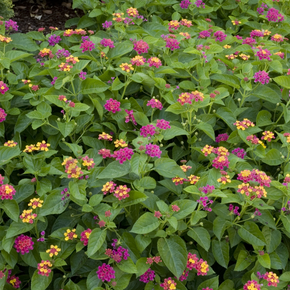
- Compact, dense mounding habit reaching 18-24 inches tall and wide makes it ideal for borders, mass plantings, rock gardens, and containers
- A magnet for butterflies, bees, and hummingbirds throughout the entire blooming season, while remaining naturally deer resistant
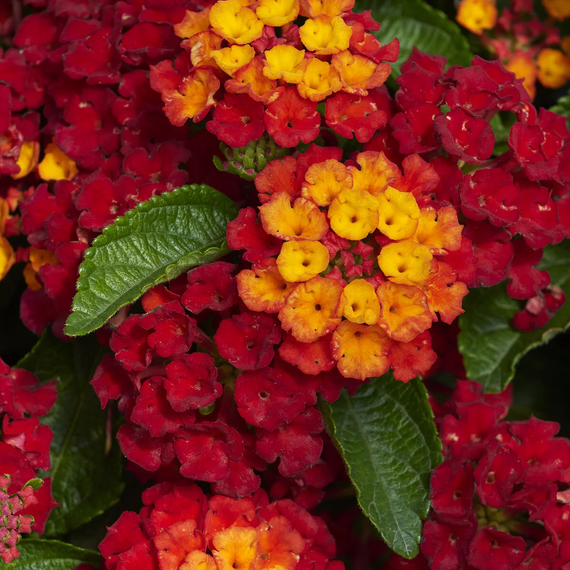
Lantana Hot Blooded (Lantana camara 'Hot Blooded') is a showstopping, heat-loving compact shrub that delivers an unrivaled season-long display of bold orange-to-scarlet red flower clusters from late spring all the way through the first frost. Bred for superior garden performance, this sterile cultivar redirects every bit of its energy away from seed production and into an extraordinary abundance of blooms, ensuring a continuous, non-stop floral show that far outpaces many of its counterparts. Each rounded flower cluster spans approximately 2 inches across and contains dozens of small individual florets that open in warm golden-orange tones and mature into a deep, glowing scarlet red, creating a dynamic multi-toned effect on a single cluster at any given moment. The plant forms a dense, well-branched mound of dark green, slightly serrated, aromatic foliage that serves as a handsome backdrop for the vivid blooms. Hot Blooded Lantana thrives in full sun and tolerates drought, salt spray, air pollution, reflected heat, and poor soils with ease, making it a reliable performer in tough Southern Oregon and Northern California landscapes. It functions as a long-lived evergreen perennial in frost-free climates within USDA Zones 9-11, and as a spectacular summer annual in cooler zones. Whether used in mass plantings, mixed borders, rock gardens, poolside areas, or decorative containers on patios and decks, this outstanding lantana brings a fiery, tropical energy to any garden setting while consistently attracting butterflies, bees, and hummingbirds throughout the season.
Plant Description
Hot Blooded Lantana is a compact, fast-growing, woody-based shrub prized for its relentless production of bold, multi-toned flower clusters throughout the warmest months of the year. It belongs to the Verbenaceae family and is a cultivated selection of Lantana camara, a species with origins in the tropical Americas and West Indies. The hallmark feature of this cultivar is its sterile flower habit, meaning it produces no viable seed and instead pours all of its growing energy into an uninterrupted parade of blooms. The flower clusters are roughly 2 inches in diameter, composed of dozens of tiny individual florets that transition from golden-orange as they open to a rich, deep scarlet red as they mature. Multiple color stages are present on a single cluster simultaneously, giving the plant a lively, layered appearance. Foliage is dark green, lance-shaped, slightly rough in texture, and carries a distinctive herbal fragrance when brushed or bruised. The plant forms a neat, naturally mounding habit that fills in quickly for a lush, full look with minimal intervention.
Mature Size
| Attribute | Measurement |
|---|---|
| Mature Height | 18-24 inches |
| Mature Spread | 18-24 inches |
| Growth Rate | Fast |
| Growth Habit | Compact, dense mounding |
| Flower Cluster Diameter | Approximately 2 inches |
Hardiness Zones and Climate
Hot Blooded Lantana is rated for USDA Hardiness Zones 9-11 as a perennial shrub, where it remains evergreen and continues to bloom in virtually every season in frost-free conditions. Gardeners in Zones 7 and 8 can also enjoy this plant as a reliable, long-blooming summer annual, with the understanding that it will be killed back by hard freezes. It thrives best where daytime temperatures range from 70°F to 100°F, truly excelling during the hottest periods of summer when many other flowering plants slow down or stop blooming altogether. In borderline climates, applying a thick layer of mulch around the root zone in late fall can offer some cold protection and may allow roots to overwinter in Zone 8 and warmer parts of Zone 7. Container-grown plants can be moved indoors to a bright, warm location for overwintering in cooler regions. This plant is especially well-suited to the warm, dry summers of Southern Oregon and Northern California.
Sunlight Requirements
Hot Blooded Lantana performs best and blooms most prolifically when planted in a location that receives full sun, meaning a minimum of 6 to 8 hours of direct, unfiltered sunlight each day. In full sun, the plant maintains its compact, mounding form and produces the densest, most vibrant flower clusters. While it can tolerate some partial shade, reduced light exposure will noticeably diminish the number and brightness of blooms and may cause the plant to develop a more open, leggy growth habit as it reaches toward available light. For the most impressive and continuous floral display, always choose the sunniest spot in the garden. This lantana is particularly well-adapted to hot, exposed locations such as south-facing borders, driveways, slopes, and areas with reflected heat from pavement or walls.
Soil and pH Preferences
One of the most adaptable aspects of Hot Blooded Lantana is its tolerance of a wide range of soil conditions. It performs well in average to low-fertility soils and can even manage in sandy, rocky, or nutrient-poor ground where many ornamental plants fail. However, for best results, plant in well-drained soil with a slightly acidic to neutral pH of 6.0 to 7.0. Good drainage is essential, as lantana is susceptible to root rot in consistently soggy or waterlogged conditions. Heavy clay soils should be amended with coarse sand, perlite, or organic matter to improve drainage and aeration before planting. Salt-tolerant and urban-tough, this plant handles compacted or poor urban soils and coastal salt spray with remarkable resilience. Avoid overly rich, high-organic soils or heavy fertilization regimes, which tend to promote leafy vegetative growth at the expense of flowering.
Watering Guide
- At planting: Water thoroughly immediately after planting to help settle the soil around the roots and eliminate air pockets.
- First growing season: Water deeply once or twice per week to encourage deep, robust root establishment. Allow the top 1-2 inches of soil to dry between waterings.
- Once established: Hot Blooded Lantana becomes highly drought tolerant and requires only occasional deep watering. In-ground plants in mild summer climates may need little to no supplemental irrigation once established.
- During peak heat: In extreme heat or prolonged dry spells, increase watering frequency to maintain healthy foliage and continuous blooming.
- Containers: Potted plants dry out significantly faster than in-ground plants. Check soil moisture regularly and water when the top inch of potting mix feels dry. Always use containers with drainage holes to prevent waterlogging.
- Avoid overwatering: Consistently wet roots are the leading cause of root rot. Never allow lantana to sit in standing water.
Fertilizing
Hot Blooded Lantana is a relatively light feeder, and less is often more when it comes to fertilization. Applying a balanced, slow-release granular fertilizer in early spring as new growth begins is generally sufficient for in-ground plantings. Use a formulation that is balanced or slightly higher in phosphorus to encourage abundant flowering rather than excess leafy growth. Avoid high-nitrogen fertilizers, as excess nitrogen stimulates lush, dark green foliage at the direct expense of bloom production. Container-grown plants benefit from a second light application of a diluted balanced liquid fertilizer in midsummer, since nutrients leach out more quickly from pots with regular watering. Organic options such as fish emulsion or compost tea are suitable alternatives for gardeners who prefer a more natural approach. Signs of over-fertilization include lush, thick foliage with noticeably reduced flowering.
Pruning and Maintenance
Hot Blooded Lantana is a low-maintenance plant that requires minimal pruning to look its best. Because the cultivar is sterile, there is no need to deadhead spent flowers — the plant will not divert energy into seed production regardless, and old blooms fall away naturally. For in-ground shrubs in perennial climates, perform a rejuvenating hard prune in early spring, cutting stems back to 6-12 inches from the ground. This removes any winter-damaged or woody older growth, stimulates vigorous new branching, and sets the stage for a full, well-shaped season of blooms. Light trimming throughout the growing season helps maintain a neat, compact mound and can encourage additional flushes of new flower-bearing growth. For plants treated as summer annuals, simply remove them at the end of the season after frost has ended their display. Always wear gloves when handling lantana, as the foliage can cause skin irritation in sensitive individuals.
Planting Instructions
- Select a location with full sun exposure (6-8 hours of direct sunlight daily) and well-drained soil. Avoid low-lying areas where water collects after rain.
- Prepare the planting area by loosening the soil to a depth of 12 inches. Amend heavy clay soils with coarse sand or organic compost to improve drainage. For very poor or sandy soils, incorporate a small amount of compost to support establishment.
- Dig a planting hole that is approximately twice as wide as the root ball and equal in depth. The top of the root ball should sit level with or very slightly above the surrounding soil grade.
- Gently remove the plant from its container, loosen any circling roots, and set it in the center of the hole.
- Backfill with native soil, firming it gently around the root ball to eliminate air pockets. Avoid burying the crown of the plant.
- Water deeply and thoroughly immediately after planting.
- Apply a 2-3 inch layer of organic mulch over the root zone, keeping it a few inches away from the base of the stems to prevent rot and discourage pests.
- Plant in spring or early summer for best results, once all danger of frost has passed, allowing maximum time for establishment before cooler weather arrives.
Container Growing
Hot Blooded Lantana is an excellent choice for container gardening and thrives in pots, planters, window boxes, and hanging baskets. When growing in containers, choose a pot with adequate drainage holes at the bottom to prevent waterlogging. A lightweight, well-draining potting mix is ideal, as heavy or moisture-retentive mixes can lead to root rot. Container-grown lantana dries out faster than in-ground plants and will require more frequent monitoring and watering, especially during hot summer weather. Feed container plants with a diluted balanced liquid fertilizer every few weeks during the growing season to compensate for nutrients that leach out with regular watering. The compact, mounding habit of Hot Blooded Lantana fills decorative containers beautifully and its trailing stems can spill attractively over pot edges. One of the greatest advantages of growing this lantana in a container is the ability to bring it indoors to a bright, sunny window or greenhouse to overwinter in cooler climates, potentially enjoying the same plant for multiple seasons.
Seasonal Interest
Hot Blooded Lantana delivers its most dramatic show from late spring through fall, making it one of the most reliably colorful plants for the heat of summer. Bloom clusters appear as early as late spring and intensify in color and quantity through the hottest months of summer, when many other plants retreat. The signature transition from warm golden-orange to rich scarlet red within each individual cluster gives the plant a multi-dimensional, ever-changing appearance throughout the season. In frost-free climates within Zones 9-11, the plant remains evergreen and can produce blooms in nearly every season, offering exceptional year-round visual interest. In cooler climates, the floral show continues right up to the first killing frost of autumn. Even between bloom flushes, the dense, fragrant dark green foliage provides a handsome, textured backdrop in the garden border or container display.
Landscape Uses
- Border Planting: The compact mounding form and vivid color make Hot Blooded an eye-catching front-of-border plant along walkways, driveways, and garden edges.
- Mass Planting: Planted in groups, it creates a bold, continuous carpet of red-orange color that is particularly striking against green lawns or hardscape.
- Rock Gardens: Its drought tolerance and love of well-drained, lean soils make it an ideal candidate for rock garden settings.
- Containers and Patio Planters: Thrives in pots, urns, and decorative containers on patios, decks, and entryways.
- Slopes and Erosion Control: Dense growth habit helps stabilize sunny slopes and banks while providing visual appeal.
- Poolside and Patio Areas: Excellent tolerance for reflected heat from pavement, concrete, and walls makes it well-suited to hot, paved environments.
- Pollinator and Wildlife Gardens: A cornerstone plant for butterfly gardens and hummingbird habitats due to its nectar-rich blooms throughout the season.
- Coastal Landscapes: Salt spray tolerance makes it suitable for coastal and waterfront garden settings.
Wildlife Value
Few plants can match the wildlife appeal of Hot Blooded Lantana during the summer months. The nectar-rich flower clusters are irresistible to a wide array of pollinators and beneficial garden visitors. Butterflies of many species, including swallowtails, monarchs, and skippers, are frequent and highly visible visitors, feeding on the abundant nectar. Honeybees and native bees also flock to the blooms, making this plant a valuable contributor to any pollinator garden. Hummingbirds are particularly drawn to the vibrant red and orange tones of the flower clusters, and a planting of Hot Blooded Lantana can become a reliable feeding station throughout the entire warm season. Because this cultivar is sterile and produces no fruit, it does not attract fruit-eating birds the way seed-bearing species do, which is a significant advantage in regions where invasive spread of lantana is a concern. The aromatic foliage is naturally unpalatable to deer, making it an excellent choice for gardens in areas with high deer pressure.
Companion Plants
Hot Blooded Lantana pairs beautifully with a wide range of heat-loving annuals, perennials, and tropical shrubs that share its preference for full sun and well-drained soil. Its bold red and orange color tones combine especially well with other warm-palette plants. Consider planting alongside:
- Angelonia (Summer Snapdragon): Upright spikes of purple or pink flowers provide a pleasing vertical contrast to the mounding lantana habit.
- Portulaca (Moss Rose): Low-growing, drought-tolerant ground cover that fills spaces around lantana beautifully.
- Pentas: Another pollinator magnet with complementary star-shaped flower clusters in pink, red, or white.
- Salvia (Red or Blue): Contrasting flower spikes in blue, purple, or scarlet red pair dramatically with the orange-red lantana clusters.
- Ornamental Grasses: Fine-textured grasses such as purple fountain grass provide color contrast and movement alongside the dense mounding lantana.
- Hibiscus: Large tropical-looking flowers in bold colors complement the smaller, intricate clusters of lantana in mixed borders.
- Calibrachoa (Million Bells): Trailing habit and abundant small blooms make calibrachoa a great companion in mixed containers with lantana.
- Verbena: A botanical relative that shares similar cultural needs and pollinator appeal, creating cohesive planting combinations.
Pests and Diseases
Hot Blooded Lantana is notably resistant to most common pests and diseases, and it has been specifically bred with demonstrated high resistance to leaf scorch, leaf spot, and powdery mildew, along with moderate resistance to root rot. That said, occasional issues can arise:
- Whiteflies: Tiny white-winged insects that congregate on the undersides of leaves, especially in hot, dry conditions. Treat with insecticidal soap, neem oil, or horticultural oil spray. Encouraging natural predators such as lacewings and ladybugs can also help.
- Spider Mites: May appear during periods of drought stress. A strong spray of water to the undersides of leaves or an application of neem oil is effective.
- Aphids: Occasionally cluster on tender new growth. Knock off with a blast of water or treat with insecticidal soap.
- Powdery Mildew: Can develop in humid conditions with poor air circulation. Prevent by spacing plants adequately, avoiding overhead watering, and pruning to improve airflow. This cultivar has high built-in resistance.
- Root Rot: The most serious cultural problem, almost always caused by overwatering or poorly drained soils. Ensure excellent drainage and allow soil to dry appropriately between waterings.
Toxicity and Safety
All parts of Lantana camara contain toxic compounds and should be considered poisonous if ingested. This is an important consideration for households with children, dogs, cats, and livestock. Ingestion can cause symptoms including nausea, vomiting, diarrhea, dilated pupils, labored breathing, and general weakness. Livestock that have consumed lantana foliage have been reported to suffer liver complications. Because Hot Blooded Lantana is a sterile cultivar, it does not produce the small berry-like fruits that are the most commonly ingested part of the plant, which reduces (but does not eliminate) ingestion risk. Additionally, the rough-textured, aromatic foliage may cause contact dermatitis or skin irritation in sensitive individuals. It is advisable to wear gloves when pruning or handling the plant. Plant lantana in locations that are not accessible to children or pets who might be tempted to chew on the foliage or stems.
- Non-stop fiery red and orange flower clusters from late spring through first frost, powered by sterile blooms that channel all energy into prolific color rather than seed production
- Exceptionally heat and drought tolerant once established, thriving in full sun, poor soils, and challenging urban or coastal conditions where many plants struggle
- Compact, dense mounding habit reaching 18-24 inches tall and wide makes it ideal for borders, mass plantings, rock gardens, and containers
- A magnet for butterflies, bees, and hummingbirds throughout the entire blooming season, while remaining naturally deer resistant
Lantana Hot Blooded (Lantana camara 'Hot Blooded') is a showstopping, heat-loving compact shrub that delivers an unrivaled season-long display of bold orange-to-scarlet red flower clusters from late spring all the way through the first frost. Bred for superior garden performance, this sterile cultivar redirects every bit of its energy away from seed production and into an extraordinary abundance of blooms, ensuring a continuous, non-stop floral show that far outpaces many of its counterparts. Each rounded flower cluster spans approximately 2 inches across and contains dozens of small individual florets that open in warm golden-orange tones and mature into a deep, glowing scarlet red, creating a dynamic multi-toned effect on a single cluster at any given moment. The plant forms a dense, well-branched mound of dark green, slightly serrated, aromatic foliage that serves as a handsome backdrop for the vivid blooms. Hot Blooded Lantana thrives in full sun and tolerates drought, salt spray, air pollution, reflected heat, and poor soils with ease, making it a reliable performer in tough Southern Oregon and Northern California landscapes. It functions as a long-lived evergreen perennial in frost-free climates within USDA Zones 9-11, and as a spectacular summer annual in cooler zones. Whether used in mass plantings, mixed borders, rock gardens, poolside areas, or decorative containers on patios and decks, this outstanding lantana brings a fiery, tropical energy to any garden setting while consistently attracting butterflies, bees, and hummingbirds throughout the season.
Plant Description
Hot Blooded Lantana is a compact, fast-growing, woody-based shrub prized for its relentless production of bold, multi-toned flower clusters throughout the warmest months of the year. It belongs to the Verbenaceae family and is a cultivated selection of Lantana camara, a species with origins in the tropical Americas and West Indies. The hallmark feature of this cultivar is its sterile flower habit, meaning it produces no viable seed and instead pours all of its growing energy into an uninterrupted parade of blooms. The flower clusters are roughly 2 inches in diameter, composed of dozens of tiny individual florets that transition from golden-orange as they open to a rich, deep scarlet red as they mature. Multiple color stages are present on a single cluster simultaneously, giving the plant a lively, layered appearance. Foliage is dark green, lance-shaped, slightly rough in texture, and carries a distinctive herbal fragrance when brushed or bruised. The plant forms a neat, naturally mounding habit that fills in quickly for a lush, full look with minimal intervention.
Mature Size
| Attribute | Measurement |
|---|---|
| Mature Height | 18-24 inches |
| Mature Spread | 18-24 inches |
| Growth Rate | Fast |
| Growth Habit | Compact, dense mounding |
| Flower Cluster Diameter | Approximately 2 inches |
Hardiness Zones and Climate
Hot Blooded Lantana is rated for USDA Hardiness Zones 9-11 as a perennial shrub, where it remains evergreen and continues to bloom in virtually every season in frost-free conditions. Gardeners in Zones 7 and 8 can also enjoy this plant as a reliable, long-blooming summer annual, with the understanding that it will be killed back by hard freezes. It thrives best where daytime temperatures range from 70°F to 100°F, truly excelling during the hottest periods of summer when many other flowering plants slow down or stop blooming altogether. In borderline climates, applying a thick layer of mulch around the root zone in late fall can offer some cold protection and may allow roots to overwinter in Zone 8 and warmer parts of Zone 7. Container-grown plants can be moved indoors to a bright, warm location for overwintering in cooler regions. This plant is especially well-suited to the warm, dry summers of Southern Oregon and Northern California.
Sunlight Requirements
Hot Blooded Lantana performs best and blooms most prolifically when planted in a location that receives full sun, meaning a minimum of 6 to 8 hours of direct, unfiltered sunlight each day. In full sun, the plant maintains its compact, mounding form and produces the densest, most vibrant flower clusters. While it can tolerate some partial shade, reduced light exposure will noticeably diminish the number and brightness of blooms and may cause the plant to develop a more open, leggy growth habit as it reaches toward available light. For the most impressive and continuous floral display, always choose the sunniest spot in the garden. This lantana is particularly well-adapted to hot, exposed locations such as south-facing borders, driveways, slopes, and areas with reflected heat from pavement or walls.
Soil and pH Preferences
One of the most adaptable aspects of Hot Blooded Lantana is its tolerance of a wide range of soil conditions. It performs well in average to low-fertility soils and can even manage in sandy, rocky, or nutrient-poor ground where many ornamental plants fail. However, for best results, plant in well-drained soil with a slightly acidic to neutral pH of 6.0 to 7.0. Good drainage is essential, as lantana is susceptible to root rot in consistently soggy or waterlogged conditions. Heavy clay soils should be amended with coarse sand, perlite, or organic matter to improve drainage and aeration before planting. Salt-tolerant and urban-tough, this plant handles compacted or poor urban soils and coastal salt spray with remarkable resilience. Avoid overly rich, high-organic soils or heavy fertilization regimes, which tend to promote leafy vegetative growth at the expense of flowering.
Watering Guide
- At planting: Water thoroughly immediately after planting to help settle the soil around the roots and eliminate air pockets.
- First growing season: Water deeply once or twice per week to encourage deep, robust root establishment. Allow the top 1-2 inches of soil to dry between waterings.
- Once established: Hot Blooded Lantana becomes highly drought tolerant and requires only occasional deep watering. In-ground plants in mild summer climates may need little to no supplemental irrigation once established.
- During peak heat: In extreme heat or prolonged dry spells, increase watering frequency to maintain healthy foliage and continuous blooming.
- Containers: Potted plants dry out significantly faster than in-ground plants. Check soil moisture regularly and water when the top inch of potting mix feels dry. Always use containers with drainage holes to prevent waterlogging.
- Avoid overwatering: Consistently wet roots are the leading cause of root rot. Never allow lantana to sit in standing water.
Fertilizing
Hot Blooded Lantana is a relatively light feeder, and less is often more when it comes to fertilization. Applying a balanced, slow-release granular fertilizer in early spring as new growth begins is generally sufficient for in-ground plantings. Use a formulation that is balanced or slightly higher in phosphorus to encourage abundant flowering rather than excess leafy growth. Avoid high-nitrogen fertilizers, as excess nitrogen stimulates lush, dark green foliage at the direct expense of bloom production. Container-grown plants benefit from a second light application of a diluted balanced liquid fertilizer in midsummer, since nutrients leach out more quickly from pots with regular watering. Organic options such as fish emulsion or compost tea are suitable alternatives for gardeners who prefer a more natural approach. Signs of over-fertilization include lush, thick foliage with noticeably reduced flowering.
Pruning and Maintenance
Hot Blooded Lantana is a low-maintenance plant that requires minimal pruning to look its best. Because the cultivar is sterile, there is no need to deadhead spent flowers — the plant will not divert energy into seed production regardless, and old blooms fall away naturally. For in-ground shrubs in perennial climates, perform a rejuvenating hard prune in early spring, cutting stems back to 6-12 inches from the ground. This removes any winter-damaged or woody older growth, stimulates vigorous new branching, and sets the stage for a full, well-shaped season of blooms. Light trimming throughout the growing season helps maintain a neat, compact mound and can encourage additional flushes of new flower-bearing growth. For plants treated as summer annuals, simply remove them at the end of the season after frost has ended their display. Always wear gloves when handling lantana, as the foliage can cause skin irritation in sensitive individuals.
Planting Instructions
- Select a location with full sun exposure (6-8 hours of direct sunlight daily) and well-drained soil. Avoid low-lying areas where water collects after rain.
- Prepare the planting area by loosening the soil to a depth of 12 inches. Amend heavy clay soils with coarse sand or organic compost to improve drainage. For very poor or sandy soils, incorporate a small amount of compost to support establishment.
- Dig a planting hole that is approximately twice as wide as the root ball and equal in depth. The top of the root ball should sit level with or very slightly above the surrounding soil grade.
- Gently remove the plant from its container, loosen any circling roots, and set it in the center of the hole.
- Backfill with native soil, firming it gently around the root ball to eliminate air pockets. Avoid burying the crown of the plant.
- Water deeply and thoroughly immediately after planting.
- Apply a 2-3 inch layer of organic mulch over the root zone, keeping it a few inches away from the base of the stems to prevent rot and discourage pests.
- Plant in spring or early summer for best results, once all danger of frost has passed, allowing maximum time for establishment before cooler weather arrives.
Container Growing
Hot Blooded Lantana is an excellent choice for container gardening and thrives in pots, planters, window boxes, and hanging baskets. When growing in containers, choose a pot with adequate drainage holes at the bottom to prevent waterlogging. A lightweight, well-draining potting mix is ideal, as heavy or moisture-retentive mixes can lead to root rot. Container-grown lantana dries out faster than in-ground plants and will require more frequent monitoring and watering, especially during hot summer weather. Feed container plants with a diluted balanced liquid fertilizer every few weeks during the growing season to compensate for nutrients that leach out with regular watering. The compact, mounding habit of Hot Blooded Lantana fills decorative containers beautifully and its trailing stems can spill attractively over pot edges. One of the greatest advantages of growing this lantana in a container is the ability to bring it indoors to a bright, sunny window or greenhouse to overwinter in cooler climates, potentially enjoying the same plant for multiple seasons.
Seasonal Interest
Hot Blooded Lantana delivers its most dramatic show from late spring through fall, making it one of the most reliably colorful plants for the heat of summer. Bloom clusters appear as early as late spring and intensify in color and quantity through the hottest months of summer, when many other plants retreat. The signature transition from warm golden-orange to rich scarlet red within each individual cluster gives the plant a multi-dimensional, ever-changing appearance throughout the season. In frost-free climates within Zones 9-11, the plant remains evergreen and can produce blooms in nearly every season, offering exceptional year-round visual interest. In cooler climates, the floral show continues right up to the first killing frost of autumn. Even between bloom flushes, the dense, fragrant dark green foliage provides a handsome, textured backdrop in the garden border or container display.
Landscape Uses
- Border Planting: The compact mounding form and vivid color make Hot Blooded an eye-catching front-of-border plant along walkways, driveways, and garden edges.
- Mass Planting: Planted in groups, it creates a bold, continuous carpet of red-orange color that is particularly striking against green lawns or hardscape.
- Rock Gardens: Its drought tolerance and love of well-drained, lean soils make it an ideal candidate for rock garden settings.
- Containers and Patio Planters: Thrives in pots, urns, and decorative containers on patios, decks, and entryways.
- Slopes and Erosion Control: Dense growth habit helps stabilize sunny slopes and banks while providing visual appeal.
- Poolside and Patio Areas: Excellent tolerance for reflected heat from pavement, concrete, and walls makes it well-suited to hot, paved environments.
- Pollinator and Wildlife Gardens: A cornerstone plant for butterfly gardens and hummingbird habitats due to its nectar-rich blooms throughout the season.
- Coastal Landscapes: Salt spray tolerance makes it suitable for coastal and waterfront garden settings.
Wildlife Value
Few plants can match the wildlife appeal of Hot Blooded Lantana during the summer months. The nectar-rich flower clusters are irresistible to a wide array of pollinators and beneficial garden visitors. Butterflies of many species, including swallowtails, monarchs, and skippers, are frequent and highly visible visitors, feeding on the abundant nectar. Honeybees and native bees also flock to the blooms, making this plant a valuable contributor to any pollinator garden. Hummingbirds are particularly drawn to the vibrant red and orange tones of the flower clusters, and a planting of Hot Blooded Lantana can become a reliable feeding station throughout the entire warm season. Because this cultivar is sterile and produces no fruit, it does not attract fruit-eating birds the way seed-bearing species do, which is a significant advantage in regions where invasive spread of lantana is a concern. The aromatic foliage is naturally unpalatable to deer, making it an excellent choice for gardens in areas with high deer pressure.
Companion Plants
Hot Blooded Lantana pairs beautifully with a wide range of heat-loving annuals, perennials, and tropical shrubs that share its preference for full sun and well-drained soil. Its bold red and orange color tones combine especially well with other warm-palette plants. Consider planting alongside:
- Angelonia (Summer Snapdragon): Upright spikes of purple or pink flowers provide a pleasing vertical contrast to the mounding lantana habit.
- Portulaca (Moss Rose): Low-growing, drought-tolerant ground cover that fills spaces around lantana beautifully.
- Pentas: Another pollinator magnet with complementary star-shaped flower clusters in pink, red, or white.
- Salvia (Red or Blue): Contrasting flower spikes in blue, purple, or scarlet red pair dramatically with the orange-red lantana clusters.
- Ornamental Grasses: Fine-textured grasses such as purple fountain grass provide color contrast and movement alongside the dense mounding lantana.
- Hibiscus: Large tropical-looking flowers in bold colors complement the smaller, intricate clusters of lantana in mixed borders.
- Calibrachoa (Million Bells): Trailing habit and abundant small blooms make calibrachoa a great companion in mixed containers with lantana.
- Verbena: A botanical relative that shares similar cultural needs and pollinator appeal, creating cohesive planting combinations.
Pests and Diseases
Hot Blooded Lantana is notably resistant to most common pests and diseases, and it has been specifically bred with demonstrated high resistance to leaf scorch, leaf spot, and powdery mildew, along with moderate resistance to root rot. That said, occasional issues can arise:
- Whiteflies: Tiny white-winged insects that congregate on the undersides of leaves, especially in hot, dry conditions. Treat with insecticidal soap, neem oil, or horticultural oil spray. Encouraging natural predators such as lacewings and ladybugs can also help.
- Spider Mites: May appear during periods of drought stress. A strong spray of water to the undersides of leaves or an application of neem oil is effective.
- Aphids: Occasionally cluster on tender new growth. Knock off with a blast of water or treat with insecticidal soap.
- Powdery Mildew: Can develop in humid conditions with poor air circulation. Prevent by spacing plants adequately, avoiding overhead watering, and pruning to improve airflow. This cultivar has high built-in resistance.
- Root Rot: The most serious cultural problem, almost always caused by overwatering or poorly drained soils. Ensure excellent drainage and allow soil to dry appropriately between waterings.
Toxicity and Safety
All parts of Lantana camara contain toxic compounds and should be considered poisonous if ingested. This is an important consideration for households with children, dogs, cats, and livestock. Ingestion can cause symptoms including nausea, vomiting, diarrhea, dilated pupils, labored breathing, and general weakness. Livestock that have consumed lantana foliage have been reported to suffer liver complications. Because Hot Blooded Lantana is a sterile cultivar, it does not produce the small berry-like fruits that are the most commonly ingested part of the plant, which reduces (but does not eliminate) ingestion risk. Additionally, the rough-textured, aromatic foliage may cause contact dermatitis or skin irritation in sensitive individuals. It is advisable to wear gloves when pruning or handling the plant. Plant lantana in locations that are not accessible to children or pets who might be tempted to chew on the foliage or stems.
Related Products