Zoom the image with the mouse
Dwarf English Boxwood - 2 Gallon
SKU:
196250
UPC:
541537001769
$29.99
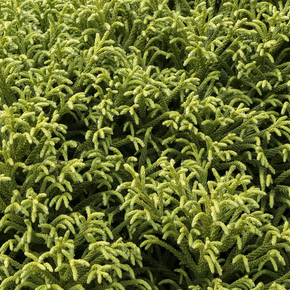
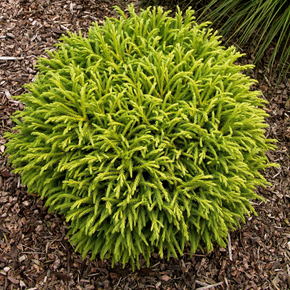
- Small, rounded evergreen shrub forming cloud-like tufts of fine-textured foliage perfect for edging, borders, topiary, and containers
- Slow growing to a manageable 2 to 3 feet tall and wide, making it the most controllable and low-maintenance of all English boxwood varieties
- Deer resistant, rabbit resistant, and considered to be the most resistant variety to the damaging boxwood leaf miner
- Hardy across USDA Zones 5 through 8 as a classic evergreen shrub with centuries of use in formal gardens worldwide
Dwarf English Boxwood (Buxus sempervirens 'Suffruticosa') is the quintessential formal garden shrub, producing small, rounded, cloud-like tufts of fine-textured, deep green foliage that have defined the character of knot gardens, parterres, and formal borders for thousands of years. This slow-growing, dwarf form reaches a manageable 2 to 3 feet tall and wide at maturity, making it far more controllable and less demanding to maintain than full-sized boxwood varieties. Considered the most resistant English boxwood to the damaging boxwood leaf miner, it is deer resistant, rabbit resistant, and requires only periodic pruning to maintain its tidy form. Hardy across USDA Zones 5 through 8, Dwarf English Boxwood brings timeless, year-round structure and elegance to formal gardens, edging projects, topiary designs, and container plantings with minimal care requirements.
Plant Details
| Attribute | Details |
|---|---|
| Botanical Name | Buxus sempervirens 'Suffruticosa' |
| Plant Type | Evergreen Shrub |
| Foliage Color | Deep green (fine texture) |
| Bloom Time | Inconspicuous; prized for foliage |
| Growth Rate | Slow |
| Growth Habit | Rounded / Mounded |
| Mature Size | 2-3 ft. tall and wide |
| USDA Zones | 5 - 8 |
| Light | Full sun to partial shade |
| Water | Deeply and regularly; mulch to retain moisture |
| Special Features | Easy Care, Compact Form, Leaf Miner Resistant |
| Landscape Use | Border, Container, Hedge, Topiary, Edging |
| Deer Resistant | Yes |
| Rabbit Resistant | Yes |
Size and Growth Habit
Dwarf English Boxwood is a genuinely slow-growing variety that develops its compact, rounded, cloud-like form over many years. At maturity, it reaches approximately 2 to 3 feet in both height and spread, though this may take 10 to 15 years or more to achieve fully. When left unpruned, it naturally forms irregular, billowing mounds reminiscent of low clouds in a formal garden. When regularly sheared, it maintains a precise, geometric shape ideal for formal edging and topiary work. The fine-textured, small dark green leaves create a dense, visually solid mass that provides excellent year-round structure even in winter.
Sunlight Requirements
Dwarf English Boxwood performs well in full sun to partial shade. In full sun with 6 or more hours of direct sunlight, it produces the densest, most compact growth. In partial shade, growth may be slightly more open but remains attractive and healthy. Protection from intense afternoon sun in hot summer climates helps prevent foliage stress and the bronzing of leaves that can occur in winter when cold sun and wind combine to desiccate the fine-textured foliage. A site with morning sun and afternoon shade, or filtered light throughout the day, often produces the best results in warm climates.
Watering
Water Dwarf English Boxwood deeply and regularly during the first few growing seasons to establish an extensive root system. Once established, reduce watering frequency; boxwood is moderately drought tolerant but performs best with consistent moisture, particularly during hot, dry summers. A 2 to 3 inch layer of organic mulch applied over the root zone conserves moisture, moderates soil temperature, and keeps the shallow root system cool — all critical factors for long-term boxwood health. Avoid allowing the soil around boxwood to dry out completely, particularly in summer heat, as drought stress significantly increases susceptibility to boxwood blight and other diseases.
Soil Requirements
Dwarf English Boxwood thrives in enriched, well-drained, neutral to slightly acidic soils with a pH of approximately 6.5 to 7.0. It does not tolerate waterlogged or poorly drained soils, which promote root diseases. Incorporate generous quantities of compost into planting beds to improve drainage, fertility, and the moisture-holding capacity that boxwood roots appreciate. A 2 to 3 inch layer of organic mulch over the root zone is especially beneficial for maintaining the consistent soil moisture and cool root temperatures that boxwood requires for optimal health and performance.
Care and Maintenance
- Mulching: Apply and annually refresh a 2-3 inch layer of organic mulch over the root zone to retain moisture, moderate temperature, and support health.
- Fertilizing: Apply a balanced fertilizer formulated for evergreen shrubs in early spring before new growth begins.
- Pruning: Prune periodically to shape; the slow growth rate means infrequent pruning is needed — once or twice annually is typically sufficient.
- Disease monitoring: Monitor for boxwood blight, particularly in humid climates. Ensure good air circulation and avoid overhead watering.
- Leaf miner resistance: This variety has the best natural resistance to boxwood leaf miner of all English boxwood cultivars, reducing the need for chemical controls.
Landscape Uses
Dwarf English Boxwood has been the defining plant of formal garden design for centuries. Use it to create low, precise edging along pathways, the fronts of borders, and around flower beds. It is ideally suited for defining the geometric patterns of formal knot gardens and parterres. As a topiary subject, its fine texture and slow growth rate make it excellent for maintaining small geometric shapes such as spheres, cones, and spirals. Plant in matching containers to create symmetrical formal accents flanking gates, doors, and garden entrances. Its evergreen foliage provides year-round structure that serves as an architectural backbone for seasonal plantings around it.
Companion Plants
| Plant | Why It Works |
|---|---|
| Spirea (Spiraea) | Delicate flower sprays and colorful deciduous foliage provide seasonal color and textural contrast alongside the evergreen boxwood |
| Weigela (Weigela) | Bold deciduous flowering shrub creates a beautiful mixed border when paired with the evergreen boxwood structure |
| Lilac (Syringa) | Fragrant spring blooms provide a complementary seasonal flowering accent behind the formal boxwood edging |
| Coneflower (Echinacea) | Bold summer perennial blooms contrast effectively with the fine-textured evergreen boxwood in mixed beds |
| Gayfeather (Liatris) | Upright, airy purple flower spikes provide a light, vertical contrast to the dense, mounded boxwood form |
Topiary and Formal Uses
Dwarf English Boxwood is one of the finest topiary subjects available due to its naturally compact, fine-textured foliage that responds beautifully to shearing into precise geometric forms. For topiary, begin shaping when plants are young and small, gradually refining the desired form with each pruning. For spheres and rounds, use hand shears or electric hedging tools and prune no more than two to three times annually during the growing season. The slow growth rate means shapes hold their definition for weeks or months between prunings. Container-grown topiary specimens can be displayed seasonally on patios and terraces and overwintered in a sheltered location in colder climates.
USDA Hardiness Zones
Dwarf English Boxwood is rated for USDA Zones 5 through 8. In Zone 5, it survives winter lows to approximately -20 degrees Fahrenheit with some occasional winter bronzing of the foliage, which typically greens up again in spring. In Zones 6 through 8, it performs at its best, maintaining excellent dark green foliage color through winter. The upper limit of Zone 8 reflects some sensitivity to the combination of heat and humidity that characterizes the Deep South, where boxwood blight and other diseases are more prevalent. In Zone 9 and warmer, consider alternative heat-tolerant boxwood species.
History and Background
Boxwood (Buxus) has an extraordinarily long horticultural history. Dating back to 4,000 BC, Egyptians used clipped box hedges in their gardens. In ancient Rome, under Emperor Augustus, villas featured boxwood hedging and topiary as defining elements of garden design. In Tudor England, boxwood knot gardens — featuring intricate geometric patterns outlined in clipped dwarf boxwood — were among the most fashionable garden features of the 16th century. The Latin name Buxus translates to "box," likely derived from the wood's use for making small, finely crafted boxes known in Greek as pyxos. The variety 'Suffruticosa' has been cultivated for centuries as the definitive dwarf English boxwood for formal garden use. It is considered the most resistant English boxwood variety to the boxwood leaf miner, one of its most serious pests.
- Small, rounded evergreen shrub forming cloud-like tufts of fine-textured foliage perfect for edging, borders, topiary, and containers
- Slow growing to a manageable 2 to 3 feet tall and wide, making it the most controllable and low-maintenance of all English boxwood varieties
- Deer resistant, rabbit resistant, and considered to be the most resistant variety to the damaging boxwood leaf miner
- Hardy across USDA Zones 5 through 8 as a classic evergreen shrub with centuries of use in formal gardens worldwide
Dwarf English Boxwood (Buxus sempervirens 'Suffruticosa') is the quintessential formal garden shrub, producing small, rounded, cloud-like tufts of fine-textured, deep green foliage that have defined the character of knot gardens, parterres, and formal borders for thousands of years. This slow-growing, dwarf form reaches a manageable 2 to 3 feet tall and wide at maturity, making it far more controllable and less demanding to maintain than full-sized boxwood varieties. Considered the most resistant English boxwood to the damaging boxwood leaf miner, it is deer resistant, rabbit resistant, and requires only periodic pruning to maintain its tidy form. Hardy across USDA Zones 5 through 8, Dwarf English Boxwood brings timeless, year-round structure and elegance to formal gardens, edging projects, topiary designs, and container plantings with minimal care requirements.
Plant Details
| Attribute | Details |
|---|---|
| Botanical Name | Buxus sempervirens 'Suffruticosa' |
| Plant Type | Evergreen Shrub |
| Foliage Color | Deep green (fine texture) |
| Bloom Time | Inconspicuous; prized for foliage |
| Growth Rate | Slow |
| Growth Habit | Rounded / Mounded |
| Mature Size | 2-3 ft. tall and wide |
| USDA Zones | 5 - 8 |
| Light | Full sun to partial shade |
| Water | Deeply and regularly; mulch to retain moisture |
| Special Features | Easy Care, Compact Form, Leaf Miner Resistant |
| Landscape Use | Border, Container, Hedge, Topiary, Edging |
| Deer Resistant | Yes |
| Rabbit Resistant | Yes |
Size and Growth Habit
Dwarf English Boxwood is a genuinely slow-growing variety that develops its compact, rounded, cloud-like form over many years. At maturity, it reaches approximately 2 to 3 feet in both height and spread, though this may take 10 to 15 years or more to achieve fully. When left unpruned, it naturally forms irregular, billowing mounds reminiscent of low clouds in a formal garden. When regularly sheared, it maintains a precise, geometric shape ideal for formal edging and topiary work. The fine-textured, small dark green leaves create a dense, visually solid mass that provides excellent year-round structure even in winter.
Sunlight Requirements
Dwarf English Boxwood performs well in full sun to partial shade. In full sun with 6 or more hours of direct sunlight, it produces the densest, most compact growth. In partial shade, growth may be slightly more open but remains attractive and healthy. Protection from intense afternoon sun in hot summer climates helps prevent foliage stress and the bronzing of leaves that can occur in winter when cold sun and wind combine to desiccate the fine-textured foliage. A site with morning sun and afternoon shade, or filtered light throughout the day, often produces the best results in warm climates.
Watering
Water Dwarf English Boxwood deeply and regularly during the first few growing seasons to establish an extensive root system. Once established, reduce watering frequency; boxwood is moderately drought tolerant but performs best with consistent moisture, particularly during hot, dry summers. A 2 to 3 inch layer of organic mulch applied over the root zone conserves moisture, moderates soil temperature, and keeps the shallow root system cool — all critical factors for long-term boxwood health. Avoid allowing the soil around boxwood to dry out completely, particularly in summer heat, as drought stress significantly increases susceptibility to boxwood blight and other diseases.
Soil Requirements
Dwarf English Boxwood thrives in enriched, well-drained, neutral to slightly acidic soils with a pH of approximately 6.5 to 7.0. It does not tolerate waterlogged or poorly drained soils, which promote root diseases. Incorporate generous quantities of compost into planting beds to improve drainage, fertility, and the moisture-holding capacity that boxwood roots appreciate. A 2 to 3 inch layer of organic mulch over the root zone is especially beneficial for maintaining the consistent soil moisture and cool root temperatures that boxwood requires for optimal health and performance.
Care and Maintenance
- Mulching: Apply and annually refresh a 2-3 inch layer of organic mulch over the root zone to retain moisture, moderate temperature, and support health.
- Fertilizing: Apply a balanced fertilizer formulated for evergreen shrubs in early spring before new growth begins.
- Pruning: Prune periodically to shape; the slow growth rate means infrequent pruning is needed — once or twice annually is typically sufficient.
- Disease monitoring: Monitor for boxwood blight, particularly in humid climates. Ensure good air circulation and avoid overhead watering.
- Leaf miner resistance: This variety has the best natural resistance to boxwood leaf miner of all English boxwood cultivars, reducing the need for chemical controls.
Landscape Uses
Dwarf English Boxwood has been the defining plant of formal garden design for centuries. Use it to create low, precise edging along pathways, the fronts of borders, and around flower beds. It is ideally suited for defining the geometric patterns of formal knot gardens and parterres. As a topiary subject, its fine texture and slow growth rate make it excellent for maintaining small geometric shapes such as spheres, cones, and spirals. Plant in matching containers to create symmetrical formal accents flanking gates, doors, and garden entrances. Its evergreen foliage provides year-round structure that serves as an architectural backbone for seasonal plantings around it.
Companion Plants
| Plant | Why It Works |
|---|---|
| Spirea (Spiraea) | Delicate flower sprays and colorful deciduous foliage provide seasonal color and textural contrast alongside the evergreen boxwood |
| Weigela (Weigela) | Bold deciduous flowering shrub creates a beautiful mixed border when paired with the evergreen boxwood structure |
| Lilac (Syringa) | Fragrant spring blooms provide a complementary seasonal flowering accent behind the formal boxwood edging |
| Coneflower (Echinacea) | Bold summer perennial blooms contrast effectively with the fine-textured evergreen boxwood in mixed beds |
| Gayfeather (Liatris) | Upright, airy purple flower spikes provide a light, vertical contrast to the dense, mounded boxwood form |
Topiary and Formal Uses
Dwarf English Boxwood is one of the finest topiary subjects available due to its naturally compact, fine-textured foliage that responds beautifully to shearing into precise geometric forms. For topiary, begin shaping when plants are young and small, gradually refining the desired form with each pruning. For spheres and rounds, use hand shears or electric hedging tools and prune no more than two to three times annually during the growing season. The slow growth rate means shapes hold their definition for weeks or months between prunings. Container-grown topiary specimens can be displayed seasonally on patios and terraces and overwintered in a sheltered location in colder climates.
USDA Hardiness Zones
Dwarf English Boxwood is rated for USDA Zones 5 through 8. In Zone 5, it survives winter lows to approximately -20 degrees Fahrenheit with some occasional winter bronzing of the foliage, which typically greens up again in spring. In Zones 6 through 8, it performs at its best, maintaining excellent dark green foliage color through winter. The upper limit of Zone 8 reflects some sensitivity to the combination of heat and humidity that characterizes the Deep South, where boxwood blight and other diseases are more prevalent. In Zone 9 and warmer, consider alternative heat-tolerant boxwood species.
History and Background
Boxwood (Buxus) has an extraordinarily long horticultural history. Dating back to 4,000 BC, Egyptians used clipped box hedges in their gardens. In ancient Rome, under Emperor Augustus, villas featured boxwood hedging and topiary as defining elements of garden design. In Tudor England, boxwood knot gardens — featuring intricate geometric patterns outlined in clipped dwarf boxwood — were among the most fashionable garden features of the 16th century. The Latin name Buxus translates to "box," likely derived from the wood's use for making small, finely crafted boxes known in Greek as pyxos. The variety 'Suffruticosa' has been cultivated for centuries as the definitive dwarf English boxwood for formal garden use. It is considered the most resistant English boxwood variety to the boxwood leaf miner, one of its most serious pests.