

Zoom the image with the mouse
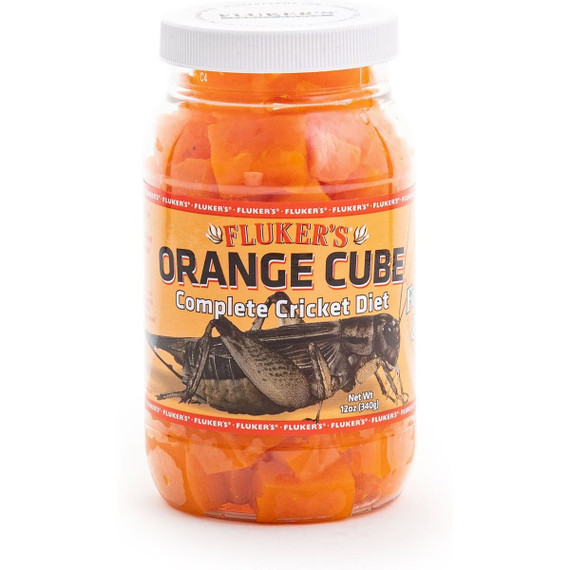
Fluker's Orange Cube Complete Cricket Diet - 12 oz.
SKU:
1120870
UPC:
091197713019
$13.99
- A three-in-one formula provides food, water and vitamins together, so feeder crickets stay hydrated without a water dish.
- Gut-loads crickets with vitamins A, D3, E and B12 plus calcium, which then pass to your reptile or amphibian.
- Moist, easily digested cubes help reduce losses from drowning, dehydration and poor nutrition in your feeder colony.
- Works for crickets, mealworms, dubia roaches and other feeders. Just drop a few cubes into the bin.
Fluker's Orange Cube Complete Cricket Diet in a 12 oz. container is a combined food, water and vitamin source for the live feeder insects you keep for your reptiles and amphibians. Shallow water dishes drown crickets, dry food leaves them thirsty, and a hungry, dehydrated feeder offers little nutrition to the gecko, bearded dragon, chameleon or frog that eats it. These moist orange cubes solve all three problems. Insects drink and eat from the same cube, and the formula carries vitamins A, D3, E and B12 along with calcium carbonate. Feeders fill up on it, so the nutrients in their gut go straight to your pet at feeding time, which is the idea behind gut-loading. The cubes are made to be easy for crickets to digest. They also work well as a daily gut-loading diet for mealworms, dubia roaches and other common feeders. Set-up takes seconds: place a few cubes in the enclosure, swap them out as they're eaten or start to spoil, and give the insects at least a day on the food before they go to your animal. For keepers who want healthier, longer-lived feeders and better-fed pets, it's one of the simplest upgrades you can make to a feeding routine.
Gut-Loading Benefits
A feeder insect is only as nutritious as what it has recently eaten. Crickets and roaches shipped or held without good food arrive with near-empty guts, so your reptile gets little more than a shell. Gut-loading fixes that. You feed the insects a nutrient-dense diet before offering them to your pet, so the vitamins and minerals they've eaten pass along to the animal that eats them.
Orange Cube is built for this job. Each cube supplies food, moisture and supplemental vitamins at the same time, and the formula includes calcium carbonate, a mineral many insectivores need. Because the cubes double as a water source, you can skip open water dishes, which are a common cause of drowned crickets. Well-fed, well-hydrated feeders also tend to live longer in the bin, which means less waste between feedings.
How to Feed
- Place a few cubes directly in the feeder insect enclosure. A shallow dish or a clean spot on the substrate works well.
- Use the cubes as the insects' primary food and moisture source.
- Let the insects eat for at least 24 hours before you feed them to your reptile or amphibian, so their guts are full of the nutrients.
- Replenish the cubes as they're eaten so the colony always has access to food.
- Check the enclosure regularly and remove any cubes that look spoiled, moldy or dried out. This helps prevent bacteria and fungus from spreading.
There's no measured ration per insect. Start with a few cubes and adjust to how quickly your colony finishes them. Larger colonies and warmer rooms will go through food faster.
Suitable Feeder Insects
The name says cricket, but the cubes suit most of the feeder insects reptile and amphibian keepers raise or hold:
- Crickets
- Mealworms
- Dubia roaches
- Superworms
- Fruit flies
The cubes are a diet for the insects themselves, not a treat for your pet. They aren't meant to be fed directly to reptiles or amphibians. Their value comes from being eaten by the feeders first.
Ingredients & Guaranteed Analysis
Ingredients: Water, carrageenan, soya protein, dried brewer's yeast, dried kelp, calcium carbonate, potassium sorbate, ascorbic acid, citric acid, Yellow #6 food color.
Water makes up most of each cube, which is why it works as a hydration source. Carrageenan holds that moisture in a solid form insects can chew without any risk of drowning. The formula also provides vitamins E, B12, A and D3 to support gut-loading.
| Guaranteed Analysis | Value |
|---|---|
| Crude Protein | Min. 3.5% |
| Crude Fat | Min. 0.1% |
| Crude Fiber | Max. 0.5% |
| Moisture | Max. 92% |
| Calcium | Min. 0.05% |
Storage & Freshness
Keep the unopened container in a cool, dry place. Once it's opened, store it in the refrigerator to keep the cubes moist and fresh between feedings. Close the lid securely after each use.
In the enclosure, the cubes are a moist food and won't last forever. Warm temperatures and insect waste speed up spoilage, so take out uneaten pieces that have softened, discolored or grown mold, then replace them with fresh cubes. Keeping the bin clean this way protects the colony and the animals that eat it.
Specifications
| Brand | Fluker's |
| Model Number | 71301 |
| Product Type | Feeder insect food, water and vitamin cubes |
| Net Contents | 12 oz. |
| Package Quantity | 1 container |
| Container Dimensions | 3.5 x 3.5 x 5.5 in. |
| Suitable For | Crickets, mealworms, dubia roaches, superworms, fruit flies |
| Storage | Cool, dry place before opening; refrigerate after opening |
Common Questions
Do crickets still need a water dish?
The cubes supply water along with food and vitamins, so they serve as the colony's moisture source. That's a big help, since open water dishes are one of the most common ways crickets drown.
How long should feeders eat the cubes before I offer them to my pet?
Give the insects at least 24 hours on the food. That's enough time for them to fill their guts with the nutrients you want your reptile or amphibian to receive.
Can I give the cubes straight to my reptile?
The cubes are made specifically for feeder insects and shouldn't be offered to reptiles as a treat. Your pet benefits by eating the insects that have eaten the cubes.
How many cubes go in the enclosure?
Start with a few cubes and replenish them as they're eaten. There's no set amount per insect, so adjust to the size of your colony and how quickly the food disappears.
What should I do with cubes that go bad?
Remove any spoiled or moldy cubes right away and replace them with fresh ones. Clearing them out helps keep bacteria and fungus from spreading through the feeder bin.