Zoom the image with the mouse
Wiri Blush Hebe - 1 Gallon
SKU:
1656115
UPC:
014949004586
$19.99
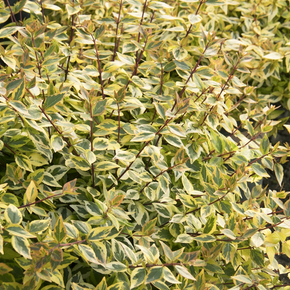
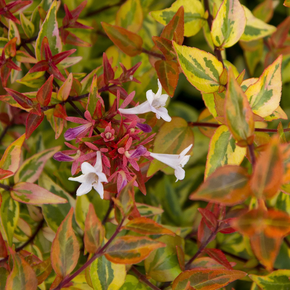
- Attractive deep rose-pink flower spikes shimmer at branch tips backed by lush, shiny dark green leaves with distinctive red edges in summer
- Compact, rounded, low-maintenance shrub reaching 3 to 4 feet tall and wide with coastal exposure and road salt tolerance across USDA Zones 7 through 11
- Excellent for sunny borders, containers, low hedges, and mixed plantings; particularly valuable for tropical-looking garden designs needing glossy foliage volume
- Easy care evergreen with outstanding summer color and cut flower potential, bred in New Zealand and introduced in 1995 by renowned breeder Jack Hobbs
Wiri Blush Hebe (Hebe hybrid 'Wiri Blush') is a refined, compact evergreen shrub that delivers a beautiful display of deep rose-pink flower spikes shimmering at the branch tips throughout summer, backed by lush, glossy, dark green foliage with distinctive red-edged leaves. Growing to a well-proportioned 3 to 4 feet tall and wide, this low-maintenance shrub provides dynamic summer color in mixed perennial beds and borders while also functioning effectively as a clipped or natural low hedge and container specimen on sunny patios and porches. Coastal exposure and road salt tolerant, Wiri Blush is an outstanding choice for seaside gardens and coastal landscapes. Hardy across USDA Zones 7 through 11, it was developed as part of the celebrated Wiri series by Jack Hobbs, curator of the Auckland Regional Botanical Gardens, and was first introduced to markets in 1995, quickly becoming one of the most popular compact Hebe varieties for warm-climate garden use.
Plant Details
| Attribute | Details |
|---|---|
| Botanical Name | Hebe hybrid 'Wiri Blush' |
| Plant Type | Evergreen Shrub |
| Flower Color | Deep rose-pink |
| Foliage Color | Glossy dark green with red edges |
| Bloom Time | Summer |
| Growth Rate | Moderate |
| Growth Habit | Rounded, Compact |
| Mature Size | 3-4 ft. tall and wide |
| USDA Zones | 7 - 11 |
| Light | Full sun to partial sun |
| Water | When top 2 in. of soil is dry |
| Special Features | Easy Care, Compact Form, Coastal Tolerant |
| Flower Attributes | Flowers for Cutting, Showy Flowers |
| Landscape Use | Border, Container, Hedge, Foundation Planting |
| Coastal Exposure | Yes |
| Road Salt Tolerant | Yes |
Distinctive Rose-Pink Blooms and Foliage
Wiri Blush Hebe is distinguished by the attractive contrast between its deep rose-pink flower spikes and the distinctive red-edged, glossy dark green foliage. The flower spikes emerge at the branch tips in a way that makes them shimmer and catch the light particularly effectively, creating a vibrant summer display. The red-edged foliage provides attractive contrast and color even when the plant is not in bloom, making it an ornamentally valuable shrub across three seasons. The combination of glossy foliage and vibrant pink flowers gives this plant a tropical, exotic appearance that adds volume and lushness to garden compositions featuring large-leafed or lanky-form tropical accent plants.
Light Requirements
Wiri Blush Hebe performs best in full sun to partial sun. In full sun with 6 or more hours of direct sunlight, it produces the most prolific flowering and most compact growth habit. In partial shade, flowering is somewhat reduced but the plant remains healthy and ornamentally attractive. In the hottest summer climates, shelter from harsh, intense afternoon sun helps protect the foliage while still maintaining strong overall plant performance. The plant's excellent coastal tolerance extends to tolerance of diffuse, bright maritime light conditions typical of seaside gardens.
Watering
Water Wiri Blush Hebe when the top 2 inches of soil feel dry. During the first growing season, water deeply and regularly to establish an extensive root system. Once established, the plant is reasonably tolerant of periodic dryness but performs best with consistent moisture. It does not tolerate heavy, waterlogged soils that stay saturated after rain. Provide well-drained soil and avoid sites where water pools or drainage is poor. In coastal areas, the naturally moderate and consistent moisture levels often suit this plant exceptionally well without supplemental irrigation.
Soil Requirements
Provide average, acidic, loose, well-drained soil for best results. Wiri Blush Hebe does not tolerate heavy, wet soils that remain saturated. It thrives in cool coastal areas and should be sheltered from harsh sun exposures in hotter regions. Avoid very alkaline soils. Incorporate organic matter into planting beds to improve drainage and provide a slightly acidic growing environment. In containers, use a high-quality, well-draining potting mix to ensure adequate drainage at all times.
Care and Maintenance
- Pruning: For a semi-formal appearance, prune annually after flowering ends to maintain a tidy, compact form and encourage fresh new growth.
- Fertilizing: Fertilize in early spring with an all-purpose fertilizer to support vigorous new growth and prolific summer flowering.
- Mulching: Apply 2 inches of organic mulch to retain moisture and moderate soil temperature around the root zone.
- Coastal sites: One of the best shrubs for coastal landscape use; tolerates salt spray and road salt conditions that challenge many other ornamentals.
- Cold protection: In Zone 7, protect from harsh winter winds and mulch the root zone; may experience some tip damage in the most severe winters.
Landscape Uses
Hebes are excellent front-yard foundation plants that look great in every season. Use Wiri Blush in quantity to create low naturalistic hedges or clip lightly for a semi-formal appearance. Use in masses evenly spaced for uniform, low-maintenance ground coverage in sunny areas. It provides superior color in mixed beds and borders that need glossy foliage for between-flowering-season interest. Particularly valuable for adding volume to tropical-looking gardens featuring large-leaf or lanky-form exotic plants, where its dense, glossy foliage and vibrant flowers complement the bold tropical aesthetic. In containers, it creates a polished, flowering specimen on sunny patios and porches.
Companion Plants
| Plant | Why It Works |
|---|---|
| Sweet Flag (Acorus) | Fine-textured, grass-like foliage in green or gold provides delicate contrast beside the dense, glossy hebe |
| Cranesbill (Geranium) | Low-growing flowering perennial with complementary pink tones and shared preference for well-drained conditions |
| Russian Sage (Perovskia) | Billowing blue-purple flower spikes create a striking cool-toned complement to the deep rose-pink hebe flowers |
| New Zealand Flax (Phormium) | Bold, architectural tropical foliage from a New Zealand companion plant that shares cultural requirements |
| Trumpet Vine (Clytostoma) | Tropical-looking flowering vine provides additional summer color and compatible growing conditions alongside hebe |
USDA Hardiness Zones
Wiri Blush Hebe is rated for USDA Zones 7 through 11. In Zone 7, it is reliably cold hardy to approximately 0 to 5 degrees Fahrenheit with some tip damage possible in severe winters, particularly in exposed, windy locations. Providing wind protection and mulching the root zone improves winter performance at the cold end of its range. In Zones 8 through 11, it performs as a reliable, fully evergreen landscape shrub with consistent year-round performance. Its outstanding coastal exposure and road salt tolerance make it particularly valuable for seaside and suburban roadside landscapes in its hardiness range.
History and Background
The Wiri Hebe series was developed by Jack Hobbs, curator of the Auckland Regional Botanical Gardens in New Zealand, who produced these widely successful varieties to meet the demand for garden-worthy, compact Hebe cultivars with excellent ornamental characteristics and improved garden performance. New Zealand hebes had previously been bred primarily in Denmark as greenhouse pot plants, but Hobbs's outdoor selection and breeding program produced garden-hardy varieties better suited to broader landscape use. The Wiri series first came to market in 1995, with Wiri Blush being one of the later and more popular introductions. The genus Hebe, now often classified as Veronica by some botanists, is native primarily to New Zealand, where it is one of the most species-diverse shrub genera in the country's native flora.
- Attractive deep rose-pink flower spikes shimmer at branch tips backed by lush, shiny dark green leaves with distinctive red edges in summer
- Compact, rounded, low-maintenance shrub reaching 3 to 4 feet tall and wide with coastal exposure and road salt tolerance across USDA Zones 7 through 11
- Excellent for sunny borders, containers, low hedges, and mixed plantings; particularly valuable for tropical-looking garden designs needing glossy foliage volume
- Easy care evergreen with outstanding summer color and cut flower potential, bred in New Zealand and introduced in 1995 by renowned breeder Jack Hobbs
Wiri Blush Hebe (Hebe hybrid 'Wiri Blush') is a refined, compact evergreen shrub that delivers a beautiful display of deep rose-pink flower spikes shimmering at the branch tips throughout summer, backed by lush, glossy, dark green foliage with distinctive red-edged leaves. Growing to a well-proportioned 3 to 4 feet tall and wide, this low-maintenance shrub provides dynamic summer color in mixed perennial beds and borders while also functioning effectively as a clipped or natural low hedge and container specimen on sunny patios and porches. Coastal exposure and road salt tolerant, Wiri Blush is an outstanding choice for seaside gardens and coastal landscapes. Hardy across USDA Zones 7 through 11, it was developed as part of the celebrated Wiri series by Jack Hobbs, curator of the Auckland Regional Botanical Gardens, and was first introduced to markets in 1995, quickly becoming one of the most popular compact Hebe varieties for warm-climate garden use.
Plant Details
| Attribute | Details |
|---|---|
| Botanical Name | Hebe hybrid 'Wiri Blush' |
| Plant Type | Evergreen Shrub |
| Flower Color | Deep rose-pink |
| Foliage Color | Glossy dark green with red edges |
| Bloom Time | Summer |
| Growth Rate | Moderate |
| Growth Habit | Rounded, Compact |
| Mature Size | 3-4 ft. tall and wide |
| USDA Zones | 7 - 11 |
| Light | Full sun to partial sun |
| Water | When top 2 in. of soil is dry |
| Special Features | Easy Care, Compact Form, Coastal Tolerant |
| Flower Attributes | Flowers for Cutting, Showy Flowers |
| Landscape Use | Border, Container, Hedge, Foundation Planting |
| Coastal Exposure | Yes |
| Road Salt Tolerant | Yes |
Distinctive Rose-Pink Blooms and Foliage
Wiri Blush Hebe is distinguished by the attractive contrast between its deep rose-pink flower spikes and the distinctive red-edged, glossy dark green foliage. The flower spikes emerge at the branch tips in a way that makes them shimmer and catch the light particularly effectively, creating a vibrant summer display. The red-edged foliage provides attractive contrast and color even when the plant is not in bloom, making it an ornamentally valuable shrub across three seasons. The combination of glossy foliage and vibrant pink flowers gives this plant a tropical, exotic appearance that adds volume and lushness to garden compositions featuring large-leafed or lanky-form tropical accent plants.
Light Requirements
Wiri Blush Hebe performs best in full sun to partial sun. In full sun with 6 or more hours of direct sunlight, it produces the most prolific flowering and most compact growth habit. In partial shade, flowering is somewhat reduced but the plant remains healthy and ornamentally attractive. In the hottest summer climates, shelter from harsh, intense afternoon sun helps protect the foliage while still maintaining strong overall plant performance. The plant's excellent coastal tolerance extends to tolerance of diffuse, bright maritime light conditions typical of seaside gardens.
Watering
Water Wiri Blush Hebe when the top 2 inches of soil feel dry. During the first growing season, water deeply and regularly to establish an extensive root system. Once established, the plant is reasonably tolerant of periodic dryness but performs best with consistent moisture. It does not tolerate heavy, waterlogged soils that stay saturated after rain. Provide well-drained soil and avoid sites where water pools or drainage is poor. In coastal areas, the naturally moderate and consistent moisture levels often suit this plant exceptionally well without supplemental irrigation.
Soil Requirements
Provide average, acidic, loose, well-drained soil for best results. Wiri Blush Hebe does not tolerate heavy, wet soils that remain saturated. It thrives in cool coastal areas and should be sheltered from harsh sun exposures in hotter regions. Avoid very alkaline soils. Incorporate organic matter into planting beds to improve drainage and provide a slightly acidic growing environment. In containers, use a high-quality, well-draining potting mix to ensure adequate drainage at all times.
Care and Maintenance
- Pruning: For a semi-formal appearance, prune annually after flowering ends to maintain a tidy, compact form and encourage fresh new growth.
- Fertilizing: Fertilize in early spring with an all-purpose fertilizer to support vigorous new growth and prolific summer flowering.
- Mulching: Apply 2 inches of organic mulch to retain moisture and moderate soil temperature around the root zone.
- Coastal sites: One of the best shrubs for coastal landscape use; tolerates salt spray and road salt conditions that challenge many other ornamentals.
- Cold protection: In Zone 7, protect from harsh winter winds and mulch the root zone; may experience some tip damage in the most severe winters.
Landscape Uses
Hebes are excellent front-yard foundation plants that look great in every season. Use Wiri Blush in quantity to create low naturalistic hedges or clip lightly for a semi-formal appearance. Use in masses evenly spaced for uniform, low-maintenance ground coverage in sunny areas. It provides superior color in mixed beds and borders that need glossy foliage for between-flowering-season interest. Particularly valuable for adding volume to tropical-looking gardens featuring large-leaf or lanky-form exotic plants, where its dense, glossy foliage and vibrant flowers complement the bold tropical aesthetic. In containers, it creates a polished, flowering specimen on sunny patios and porches.
Companion Plants
| Plant | Why It Works |
|---|---|
| Sweet Flag (Acorus) | Fine-textured, grass-like foliage in green or gold provides delicate contrast beside the dense, glossy hebe |
| Cranesbill (Geranium) | Low-growing flowering perennial with complementary pink tones and shared preference for well-drained conditions |
| Russian Sage (Perovskia) | Billowing blue-purple flower spikes create a striking cool-toned complement to the deep rose-pink hebe flowers |
| New Zealand Flax (Phormium) | Bold, architectural tropical foliage from a New Zealand companion plant that shares cultural requirements |
| Trumpet Vine (Clytostoma) | Tropical-looking flowering vine provides additional summer color and compatible growing conditions alongside hebe |
USDA Hardiness Zones
Wiri Blush Hebe is rated for USDA Zones 7 through 11. In Zone 7, it is reliably cold hardy to approximately 0 to 5 degrees Fahrenheit with some tip damage possible in severe winters, particularly in exposed, windy locations. Providing wind protection and mulching the root zone improves winter performance at the cold end of its range. In Zones 8 through 11, it performs as a reliable, fully evergreen landscape shrub with consistent year-round performance. Its outstanding coastal exposure and road salt tolerance make it particularly valuable for seaside and suburban roadside landscapes in its hardiness range.
History and Background
The Wiri Hebe series was developed by Jack Hobbs, curator of the Auckland Regional Botanical Gardens in New Zealand, who produced these widely successful varieties to meet the demand for garden-worthy, compact Hebe cultivars with excellent ornamental characteristics and improved garden performance. New Zealand hebes had previously been bred primarily in Denmark as greenhouse pot plants, but Hobbs's outdoor selection and breeding program produced garden-hardy varieties better suited to broader landscape use. The Wiri series first came to market in 1995, with Wiri Blush being one of the later and more popular introductions. The genus Hebe, now often classified as Veronica by some botanists, is native primarily to New Zealand, where it is one of the most species-diverse shrub genera in the country's native flora.
Related Products