Zoom the image with the mouse
Weeping Norway Spruce - 5 Gallon
SKU:
231435
UPC:
014949645758
$89.99
$80.99
(You save
$9.00
)
- Dramatic, cascading evergreen with rich green needles—an instant sculptural focal point in any season.
- Trainable form: stake for an upright accent (typically ~8–12 ft. tall) or allow a low, sweeping silhouette.
- Cold‑hardy and resilient (USDA 2–8); deer and rabbit resistant and a reliable shelter plant for birds.
- Thrives in full to partial sun and slightly acidic, well‑drained soil; low maintenance once established.
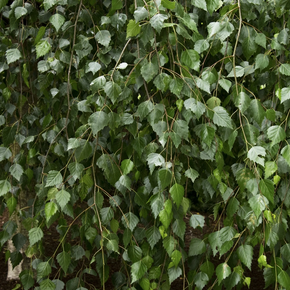
Weeping Norway Spruce (Picea abies ‘Pendula’) delivers living architecture—densely clothed, pendulous branches that spill outward in graceful drifts. Left natural, it forms a low, spreading, weeping mass; staked, it rises as an elegant evergreen column with a dramatic cascade. Adaptable and easy‑care in sun and well‑drained soils, this choice conifer adds year‑round structure to entries, courtyards, rock gardens, and water‑inspired designs while providing four‑season habitat value.
Plant Description
A choice, slow‑growing evergreen marked by densely needled, trailing branches. Naturally low and weeping, but readily trained to showcase its pendulous character as a distinctive specimen.
Habit & Size
Slow growth with a highly variable outline. In staked form, typically reaches about 8–12 ft. tall; unstaked plants trail and spread, creating a broad, ground‑hugging cascade that conforms to the site.
Foliage & Color
Evergreen sprays densely blanketed with rich, dark‑green needles for a refined, year‑round look that pairs beautifully with stone, water, and fine‑textured plantings.
Sun Requirements
Full sun to partial sun. Provide open light for best density and a crisp, architectural silhouette.
Watering Needs
Water deeply and regularly during the first few seasons to establish a robust root system; once established, reduce frequency and water when the top ~2 inches of soil begin to dry.
Soil Requirements
Prefers slightly acidic, well‑drained soil; adaptable to many soil types. Avoid persistently wet or very shady locations. Apply a 2–3 in. mulch ring (kept off the trunk) to conserve moisture.
Hardiness
USDA Zones 2–8.
Special Features
Deer and rabbit resistant; excellent low‑care evergreen once established; outstanding winter interest and structure.
Wildlife Value
Dense, pendulous branching provides cover for backyard birds in all seasons.
Landscape Uses
Signature specimen near entries or patios, cascading accent over boulders or walls, low screening in naturalistic borders, or artistic topiary forms in courtyard settings.
Training & Pruning
Stake a leader to set desired height/line, then allow side branches to drape naturally. Prune lightly after the spring flush to refine outline; avoid heavy cuts that disrupt the weeping habit.
Spacing & Placement
Allow ample lateral room for the skirt of branches (plan for broad spread if left unstaked). Situate where the cascading form can be viewed from key angles (walks, windows, and seating areas).
Care Tips
Fertilize in early spring if needed. Monitor soil moisture during hot, dry spells; avoid waterlogged conditions. Train and tip‑prune as needed to maintain the intended silhouette.
- Dramatic, cascading evergreen with rich green needles—an instant sculptural focal point in any season.
- Trainable form: stake for an upright accent (typically ~8–12 ft. tall) or allow a low, sweeping silhouette.
- Cold‑hardy and resilient (USDA 2–8); deer and rabbit resistant and a reliable shelter plant for birds.
- Thrives in full to partial sun and slightly acidic, well‑drained soil; low maintenance once established.
Weeping Norway Spruce (Picea abies ‘Pendula’) delivers living architecture—densely clothed, pendulous branches that spill outward in graceful drifts. Left natural, it forms a low, spreading, weeping mass; staked, it rises as an elegant evergreen column with a dramatic cascade. Adaptable and easy‑care in sun and well‑drained soils, this choice conifer adds year‑round structure to entries, courtyards, rock gardens, and water‑inspired designs while providing four‑season habitat value.
Plant Description
A choice, slow‑growing evergreen marked by densely needled, trailing branches. Naturally low and weeping, but readily trained to showcase its pendulous character as a distinctive specimen.
Habit & Size
Slow growth with a highly variable outline. In staked form, typically reaches about 8–12 ft. tall; unstaked plants trail and spread, creating a broad, ground‑hugging cascade that conforms to the site.
Foliage & Color
Evergreen sprays densely blanketed with rich, dark‑green needles for a refined, year‑round look that pairs beautifully with stone, water, and fine‑textured plantings.
Sun Requirements
Full sun to partial sun. Provide open light for best density and a crisp, architectural silhouette.
Watering Needs
Water deeply and regularly during the first few seasons to establish a robust root system; once established, reduce frequency and water when the top ~2 inches of soil begin to dry.
Soil Requirements
Prefers slightly acidic, well‑drained soil; adaptable to many soil types. Avoid persistently wet or very shady locations. Apply a 2–3 in. mulch ring (kept off the trunk) to conserve moisture.
Hardiness
USDA Zones 2–8.
Special Features
Deer and rabbit resistant; excellent low‑care evergreen once established; outstanding winter interest and structure.
Wildlife Value
Dense, pendulous branching provides cover for backyard birds in all seasons.
Landscape Uses
Signature specimen near entries or patios, cascading accent over boulders or walls, low screening in naturalistic borders, or artistic topiary forms in courtyard settings.
Training & Pruning
Stake a leader to set desired height/line, then allow side branches to drape naturally. Prune lightly after the spring flush to refine outline; avoid heavy cuts that disrupt the weeping habit.
Spacing & Placement
Allow ample lateral room for the skirt of branches (plan for broad spread if left unstaked). Situate where the cascading form can be viewed from key angles (walks, windows, and seating areas).
Care Tips
Fertilize in early spring if needed. Monitor soil moisture during hot, dry spells; avoid waterlogged conditions. Train and tip‑prune as needed to maintain the intended silhouette.
Related Products