Zoom the image with the mouse
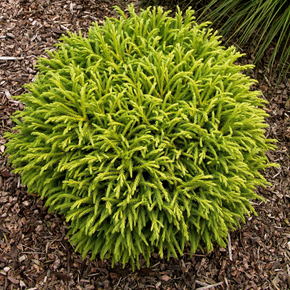
Weeping Blue Atlas Cedar - 15 Gallon
SKU:
2099635
UPC:
014949264775
$349.99
- Sculptural, weeping evergreen with icy silver‑blue needles—an instant “living waterfall” focal point.
- Highly trainable form: stake into upright or serpentine leaders, or guide over arches and trellises for custom silhouettes.
- Space‑savvy, slow growth—typically ~15–20 ft. tall × ~15–20 ft. wide in natural form, with year‑round color and texture.
- Tough and low‑care once established; thrives in full sun and well‑drained soils, with good tolerance to coastal conditions.
Weeping Blue Atlas Cedar (Cedrus atlantica ‘Glauca Pendula’) delivers dramatic, four‑season architecture: pendulous branches densely set with short, silver‑blue needles, cascading in graceful, waterfall‑like drifts. Naturally slow‑growing yet easy to train, it can be staked into upright, serpentine trunks or directed to spill across walls and arbors—perfect for a signature specimen in modern or classic landscapes. Plant in full sun and well‑drained loam; once established, it becomes refreshingly water‑wise with only occasional deep watering.
Plant Description
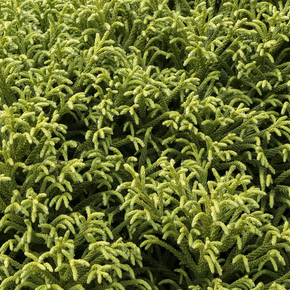
A dramatic, weeping conifer prized for its sculptural habit. Pendant branchlets carry dense clusters of short, silver‑blue needles that read as a cool, glaucous sheen in all seasons.
Foliage & Color
Short, steel‑blue to silver‑blue needles in tight clusters cloak the branches, providing luminous contrast against dark backdrops and evergreen hedging.
Habit & Size
Slow growing; in natural (unstaked) form it typically matures around 15–20 ft. tall and wide, with a sprawling, horizontal tendency and cascading side branches.
Sun Requirements
Full sun (6+ hours/day) for best color and dense growth. Place where the crown receives unobstructed light to keep the silhouette full and even.
Watering Needs
Water deeply and regularly during the first growing season to establish; afterward, water deeply only occasionally—avoid chronically wet soils.
Soil Requirements
Performs best in loamy, well‑drained soils but adapts to a range of well‑drained mediums. Avoid compacted or water‑logged sites; provide a 2–3 in. mulch ring to moderate moisture and temperature (keep mulch off the trunk).
Hardiness
USDA Zones 6–9.
Training & Staking
Stake the leader to build desired height and a serpentine or arching line, then release to cascade. Excellent trained over arbors, as an espalier, or guided along walls and fences. Adjust soft ties annually to refine the framework.
Landscape Uses
Signature specimen, living sculpture near entries or patios, dramatic spill over retaining walls, or an architectural anchor in gravel and mixed‑conifer gardens.
Care & Pruning
Minimal pruning required—tip‑prune only to maintain structure after the spring flush. Fertilize lightly in early spring. Avoid heavy cuts that remove the tree’s characteristic drape.
Spacing & Placement
Allow at least 12–20 ft. of lateral space for natural spread, more if you plan to train leaders horizontally or over structures.
Design Tips
Pair with Japanese maples, magnolias, camellias, crape myrtles, or textural grasses for color/texture contrast. Use dark mulch or stone to make the silvery foliage pop and up‑light at night for dramatic shadow play.
- Sculptural, weeping evergreen with icy silver‑blue needles—an instant “living waterfall” focal point.
- Highly trainable form: stake into upright or serpentine leaders, or guide over arches and trellises for custom silhouettes.
- Space‑savvy, slow growth—typically ~15–20 ft. tall × ~15–20 ft. wide in natural form, with year‑round color and texture.
- Tough and low‑care once established; thrives in full sun and well‑drained soils, with good tolerance to coastal conditions.
Weeping Blue Atlas Cedar (Cedrus atlantica ‘Glauca Pendula’) delivers dramatic, four‑season architecture: pendulous branches densely set with short, silver‑blue needles, cascading in graceful, waterfall‑like drifts. Naturally slow‑growing yet easy to train, it can be staked into upright, serpentine trunks or directed to spill across walls and arbors—perfect for a signature specimen in modern or classic landscapes. Plant in full sun and well‑drained loam; once established, it becomes refreshingly water‑wise with only occasional deep watering.
Plant Description
A dramatic, weeping conifer prized for its sculptural habit. Pendant branchlets carry dense clusters of short, silver‑blue needles that read as a cool, glaucous sheen in all seasons.
Foliage & Color
Short, steel‑blue to silver‑blue needles in tight clusters cloak the branches, providing luminous contrast against dark backdrops and evergreen hedging.
Habit & Size
Slow growing; in natural (unstaked) form it typically matures around 15–20 ft. tall and wide, with a sprawling, horizontal tendency and cascading side branches.
Sun Requirements
Full sun (6+ hours/day) for best color and dense growth. Place where the crown receives unobstructed light to keep the silhouette full and even.
Watering Needs
Water deeply and regularly during the first growing season to establish; afterward, water deeply only occasionally—avoid chronically wet soils.
Soil Requirements
Performs best in loamy, well‑drained soils but adapts to a range of well‑drained mediums. Avoid compacted or water‑logged sites; provide a 2–3 in. mulch ring to moderate moisture and temperature (keep mulch off the trunk).
Hardiness
USDA Zones 6–9.
Training & Staking
Stake the leader to build desired height and a serpentine or arching line, then release to cascade. Excellent trained over arbors, as an espalier, or guided along walls and fences. Adjust soft ties annually to refine the framework.
Landscape Uses
Signature specimen, living sculpture near entries or patios, dramatic spill over retaining walls, or an architectural anchor in gravel and mixed‑conifer gardens.
Care & Pruning
Minimal pruning required—tip‑prune only to maintain structure after the spring flush. Fertilize lightly in early spring. Avoid heavy cuts that remove the tree’s characteristic drape.
Spacing & Placement
Allow at least 12–20 ft. of lateral space for natural spread, more if you plan to train leaders horizontally or over structures.
Design Tips
Pair with Japanese maples, magnolias, camellias, crape myrtles, or textural grasses for color/texture contrast. Use dark mulch or stone to make the silvery foliage pop and up‑light at night for dramatic shadow play.