

Zoom the image with the mouse
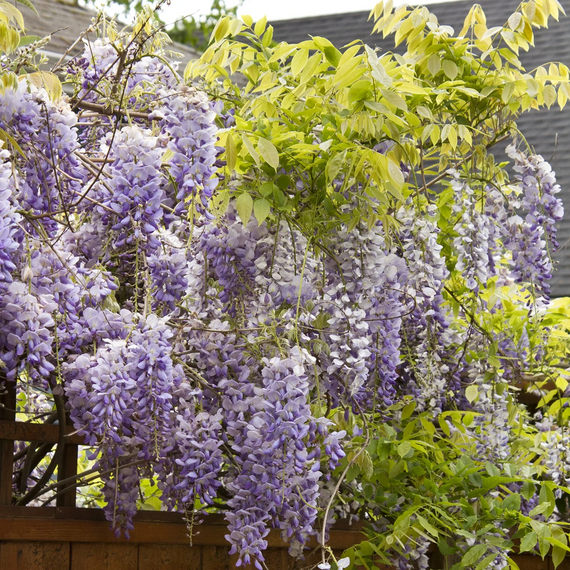
Texas Purple Japanese Wisteria - 1 Gallon
SKU:
1313300
UPC:
014949767719
$24.99
- Showy, sweetly fragrant purple flower clusters in late spring for a spectacular, pendulous display.
- Fast-growing, twining stems climb 20–25 ft with sturdy support—ideal for arbors and pergolas.
- Reliable performer in full sun; hardy in USDA Zones 5–9 with well‑drained, enriched soil.
- Deciduous vine that blooms at an early age and attracts pollinators; deer and rabbit resistant.
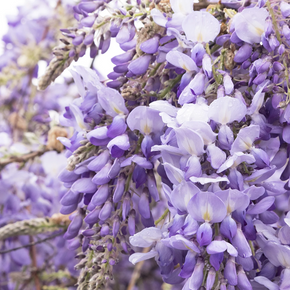
Texas Purple Japanese Wisteria (Wisteria floribunda ‘Texas Purple’) delivers dramatic, grape‑like cascades of violet‑purple, sweetly fragrant blooms each spring, followed by handsome, dark green compound foliage. A vigorous climber that reaches 20–25 ft with support, it excels on trellises, arbors, and fences where flowers can hang freely. Plant in full sun and well‑drained, slightly acidic, enriched soil; provide a robust structure and annual pruning to manage size, encourage flowering spurs, and keep growth in bounds across USDA Zones 5–9.
Botanical & Identity
Botanical name: Wisteria floribunda ‘Texas Purple’. Deciduous, vigorously twining Japanese wisteria selected for large, fragrant purple racemes.
Size & Growth Habit
Fast growth; twining stems typically reach 20–25 ft with support. Develops a strong, woody framework suitable for covering large garden structures.
Light Requirements
Full sun yields the heaviest bloom (6+ hours daily). Some light afternoon shade is acceptable in hot climates but may reduce flowering.
Water & Soil
Keep soil evenly moist but well‑drained, especially the first season. Prefers enriched, humusy, slightly acidic soils; avoid waterlogged sites.
Hardiness & Seasonality
USDA Zones 5–9. Deciduous. Main bloom in spring, with foliage turning golden in fall before leaf drop.
Flowering & Fragrance
Produces large, pendulous clusters of sweetly fragrant purple, pea‑like flowers that open from the base toward the tip for a prolonged show; noted for early blooming on young plants.
Landscape & Uses
Outstanding for pergolas, arbors, trellises, and fences; also useful as a seasonal privacy screen or trained as an espalier or small patio tree.
Pruning & Training
Provide a sturdy support. Train a main framework, then prune annually (winter structural cuts; optional summer tip‑pruning) to control size and develop flowering spurs.
Planting & Establishment
Water deeply and regularly the first season to establish roots; reduce frequency once established. Apply a balanced fertilizer in early spring; mulch to conserve moisture.
Pollinators & Wildlife
Fragrant blooms attract pollinators. Flowers are followed by velvety, bean‑like pods that add seasonal interest.
Vigor & Site Considerations
This is a vigorous climber—site where growth can be managed, and avoid allowing stems to run into gutters or onto delicate surfaces; regular pruning keeps it in bounds.
Safety & Care Notes
All parts are considered toxic if ingested. Wear gloves if you have sensitive skin when pruning; dispose of trimmings responsibly.
Companion Plants
Pair with sun‑lovers such as Rosa (roses), Hemerocallis (daylilies), Phlox, Salvia, and Shasta daisy for layered color beneath the cascading bloom.
- Showy, sweetly fragrant purple flower clusters in late spring for a spectacular, pendulous display.
- Fast-growing, twining stems climb 20–25 ft with sturdy support—ideal for arbors and pergolas.
- Reliable performer in full sun; hardy in USDA Zones 5–9 with well‑drained, enriched soil.
- Deciduous vine that blooms at an early age and attracts pollinators; deer and rabbit resistant.
Texas Purple Japanese Wisteria (Wisteria floribunda ‘Texas Purple’) delivers dramatic, grape‑like cascades of violet‑purple, sweetly fragrant blooms each spring, followed by handsome, dark green compound foliage. A vigorous climber that reaches 20–25 ft with support, it excels on trellises, arbors, and fences where flowers can hang freely. Plant in full sun and well‑drained, slightly acidic, enriched soil; provide a robust structure and annual pruning to manage size, encourage flowering spurs, and keep growth in bounds across USDA Zones 5–9.
Botanical & Identity
Botanical name: Wisteria floribunda ‘Texas Purple’. Deciduous, vigorously twining Japanese wisteria selected for large, fragrant purple racemes.
Size & Growth Habit
Fast growth; twining stems typically reach 20–25 ft with support. Develops a strong, woody framework suitable for covering large garden structures.
Light Requirements
Full sun yields the heaviest bloom (6+ hours daily). Some light afternoon shade is acceptable in hot climates but may reduce flowering.
Water & Soil
Keep soil evenly moist but well‑drained, especially the first season. Prefers enriched, humusy, slightly acidic soils; avoid waterlogged sites.
Hardiness & Seasonality
USDA Zones 5–9. Deciduous. Main bloom in spring, with foliage turning golden in fall before leaf drop.
Flowering & Fragrance
Produces large, pendulous clusters of sweetly fragrant purple, pea‑like flowers that open from the base toward the tip for a prolonged show; noted for early blooming on young plants.
Landscape & Uses
Outstanding for pergolas, arbors, trellises, and fences; also useful as a seasonal privacy screen or trained as an espalier or small patio tree.
Pruning & Training
Provide a sturdy support. Train a main framework, then prune annually (winter structural cuts; optional summer tip‑pruning) to control size and develop flowering spurs.
Planting & Establishment
Water deeply and regularly the first season to establish roots; reduce frequency once established. Apply a balanced fertilizer in early spring; mulch to conserve moisture.
Pollinators & Wildlife
Fragrant blooms attract pollinators. Flowers are followed by velvety, bean‑like pods that add seasonal interest.
Vigor & Site Considerations
This is a vigorous climber—site where growth can be managed, and avoid allowing stems to run into gutters or onto delicate surfaces; regular pruning keeps it in bounds.
Safety & Care Notes
All parts are considered toxic if ingested. Wear gloves if you have sensitive skin when pruning; dispose of trimmings responsibly.
Companion Plants
Pair with sun‑lovers such as Rosa (roses), Hemerocallis (daylilies), Phlox, Salvia, and Shasta daisy for layered color beneath the cascading bloom.
Related Products