
Zoom the image with the mouse
Sweet Sandia Coneflower - 1 Gallon
SKU:
2099060
UPC:
014949481295
$12.99
- Watermelon-style blooms: deep pink centers with light green edges for standout summer color.
- Compact, flower-forward habit—ideal for sunny borders and patio containers.
- Blooms from summer into fall and makes an excellent cut flower with a long display season.
- Easy-care and waterwise once established; attracts pollinators and resists deer.
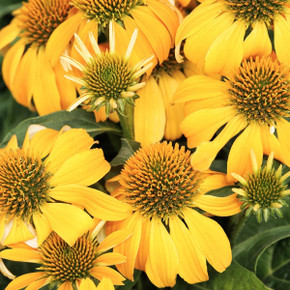
Sweet Sandia Coneflower (Echinacea ‘Sweet Sandia’) is a sweet celebration of summer, featuring eye-catching blooms that resemble slices of watermelon—rich pink toward the center with fresh, light green tips. This fast-growing, compact coneflower flowers prolifically from summer into fall, bringing bold color, pollinator activity, and reliable performance to sunny borders, mixed beds, and containers. Plant it in fertile, well-drained soil, water deeply while it establishes, then enjoy a resilient perennial that thrives with minimal fuss and keeps the garden glowing late into the season.
Plant Highlights
A compact coneflower with uniquely bicolor “watermelon” petals, long bloom season, and strong garden performance in full sun.
Flowers & Bloom Time
Blooms from summer to fall. Broad petals show deep pink near the cone with light green edges for a fresh, high-contrast look that stands out in sunny plantings.
Habit & Mature Size
Quickly reaches about 19–24 inches tall and about 16 inches wide, forming a compact, sturdy plant that fits easily into borders and containers.
Sun Requirements
Full sun is best for the most flowers and strongest stems. Great choice for hot, open garden beds and sunny patios.
Watering
Water when the top 2 inches of soil are dry. During the first growing season, water deeply and regularly to establish an extensive root system.
Soil & Drainage
Performs best in well-drained, fertile soil. Once established, it tolerates moderate drought, making it a solid fit for waterwise landscapes.
Pollinators & Wildlife
Attracts pollinators and brings lively garden activity through the bloom season. Deer resistance makes it a dependable choice in many landscapes.
Cut Flower & Garden Styling
Excellent for cutting. Use in sunny summer borders for bold color, or repeat in groups to create a cohesive ribbon of “watermelon” blooms.
Pruning & Deadheading
Remove spent blooms to prolong flowering. Cut back old foliage and tidy plants in early spring before new growth emerges.
Fertilizing
Apply fertilizer in early spring before new growth begins to support strong stems and prolific flowering.
Companion Plants
Pairs beautifully with tickseed, Shasta daisy, Russian sage, sedum, and salvia for a sun-loving, long-blooming border with layered texture and color.
Where to Use
Ideal for borders and containers. Use as an eye-catching focal plant in small spaces, or mass plant for maximum impact in summer-to-fall displays.
- Watermelon-style blooms: deep pink centers with light green edges for standout summer color.
- Compact, flower-forward habit—ideal for sunny borders and patio containers.
- Blooms from summer into fall and makes an excellent cut flower with a long display season.
- Easy-care and waterwise once established; attracts pollinators and resists deer.
Sweet Sandia Coneflower (Echinacea ‘Sweet Sandia’) is a sweet celebration of summer, featuring eye-catching blooms that resemble slices of watermelon—rich pink toward the center with fresh, light green tips. This fast-growing, compact coneflower flowers prolifically from summer into fall, bringing bold color, pollinator activity, and reliable performance to sunny borders, mixed beds, and containers. Plant it in fertile, well-drained soil, water deeply while it establishes, then enjoy a resilient perennial that thrives with minimal fuss and keeps the garden glowing late into the season.
Plant Highlights
A compact coneflower with uniquely bicolor “watermelon” petals, long bloom season, and strong garden performance in full sun.
Flowers & Bloom Time
Blooms from summer to fall. Broad petals show deep pink near the cone with light green edges for a fresh, high-contrast look that stands out in sunny plantings.
Habit & Mature Size
Quickly reaches about 19–24 inches tall and about 16 inches wide, forming a compact, sturdy plant that fits easily into borders and containers.
Sun Requirements
Full sun is best for the most flowers and strongest stems. Great choice for hot, open garden beds and sunny patios.
Watering
Water when the top 2 inches of soil are dry. During the first growing season, water deeply and regularly to establish an extensive root system.
Soil & Drainage
Performs best in well-drained, fertile soil. Once established, it tolerates moderate drought, making it a solid fit for waterwise landscapes.
Pollinators & Wildlife
Attracts pollinators and brings lively garden activity through the bloom season. Deer resistance makes it a dependable choice in many landscapes.
Cut Flower & Garden Styling
Excellent for cutting. Use in sunny summer borders for bold color, or repeat in groups to create a cohesive ribbon of “watermelon” blooms.
Pruning & Deadheading
Remove spent blooms to prolong flowering. Cut back old foliage and tidy plants in early spring before new growth emerges.
Fertilizing
Apply fertilizer in early spring before new growth begins to support strong stems and prolific flowering.
Companion Plants
Pairs beautifully with tickseed, Shasta daisy, Russian sage, sedum, and salvia for a sun-loving, long-blooming border with layered texture and color.
Where to Use
Ideal for borders and containers. Use as an eye-catching focal plant in small spaces, or mass plant for maximum impact in summer-to-fall displays.
Related Products