Zoom the image with the mouse
Sweet 'n Solo Kiwi
SKU:
1837660-P
UPC:
014949440285
$24.99 - $92.99
- Self‑fertile kiwi vine that bears sweet, juicy fruit on a single plant—no male pollinizer required.
- Fast-growing, upright, semi‑twining stems reach 8–16 ft. with support for quick coverage.
- Fragrant white flowers in late spring develop a soft orange tint at full bloom.
- Deciduous vine for full sun; hardy in USDA Zones 7–9 and ideal for trellises or sunny walls.
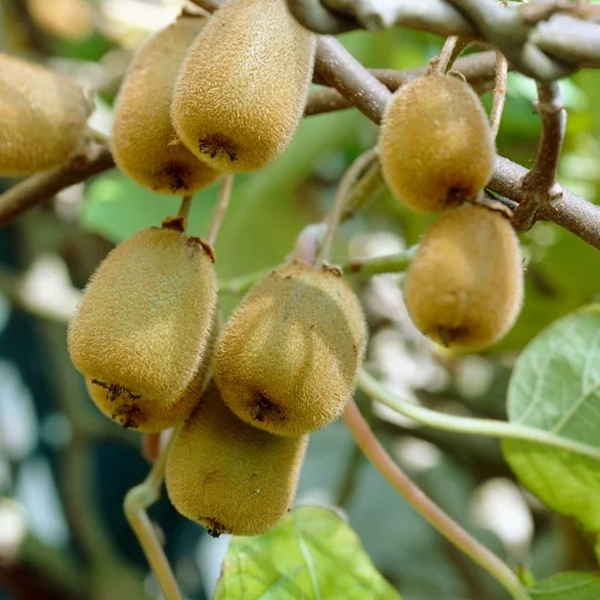
Sweet ‘n Solo Kiwi (Actinidia deliciosa ) is a self‑fertile, fast‑climbing fruiting vine that delivers reliable home harvests from a single plant. Large, heart‑shaped foliage creates a lush screen while late‑spring, lightly fragrant white blossoms (often orange‑tinted at peak) set medium‑sized, vitamin‑rich fruit. Train on a sturdy trellis, pergola, or south‑facing wall in full sun, and enjoy fall harvests after the first frost—fruit stores well for extended enjoyment.
Botanical Name
Actinidia deliciosa ‘Renact’ — trade name Sweet ‘n Solo™ Kiwi
Plant Type & Habit
Deciduous, woody, self‑fertile climber with an upright, semi‑twining habit and fast growth.
Mature Size
Stems typically reach 8–16 ft. with support; allow space to train and maintain.
Hardiness & Climate
USDA Zones 7–9. Grow in a warm, sheltered exposure for best fruiting.
Light & Exposure
Full sun is best for flowering, fruiting, and flavor development.
Soil & Water
Provide average, well‑drained soil. Water deeply and regularly; allow the soil around the crown to dry slightly between waterings.
Flowers & Fragrance
Late spring clusters of fragrant white flowers that often take on an orange tint at full bloom.
Fruit & Harvest
Produces medium‑sized, sweet, vitamin‑packed fruit in bunches on a single plant. Harvest in fall after the first frost; fruit stores well (up to several months) under cool conditions.
Training & Pruning
Provide a sturdy trellis, pergola, or espalier. Prune in late winter to shape and maintain structure. Blooms and fruits on previous season’s growth; avoid over‑cutting fruiting wood.
Uses & Landscape Ideas
- Edible screen on fences, arbors, and pergolas.
- Espalier against a sunny, south‑facing wall.
- Backyard orchard or kitchen garden focal vine.
- Privacy enhancement with seasonal interest.
Feeding & Seasonal Care
Feed lightly just before new growth in spring and periodically through the growing season. Refresh mulch yearly, keeping it off the crown.
Bloom & Fruit Timing
Flowers in late spring; fruit ripens for fall harvest.
Pollination
Self‑fertile; no separate male plant needed for fruit set.
- Self‑fertile kiwi vine that bears sweet, juicy fruit on a single plant—no male pollinizer required.
- Fast-growing, upright, semi‑twining stems reach 8–16 ft. with support for quick coverage.
- Fragrant white flowers in late spring develop a soft orange tint at full bloom.
- Deciduous vine for full sun; hardy in USDA Zones 7–9 and ideal for trellises or sunny walls.
Sweet ‘n Solo Kiwi (Actinidia deliciosa ) is a self‑fertile, fast‑climbing fruiting vine that delivers reliable home harvests from a single plant. Large, heart‑shaped foliage creates a lush screen while late‑spring, lightly fragrant white blossoms (often orange‑tinted at peak) set medium‑sized, vitamin‑rich fruit. Train on a sturdy trellis, pergola, or south‑facing wall in full sun, and enjoy fall harvests after the first frost—fruit stores well for extended enjoyment.
Botanical Name
Actinidia deliciosa ‘Renact’ — trade name Sweet ‘n Solo™ Kiwi
Plant Type & Habit
Deciduous, woody, self‑fertile climber with an upright, semi‑twining habit and fast growth.
Mature Size
Stems typically reach 8–16 ft. with support; allow space to train and maintain.
Hardiness & Climate
USDA Zones 7–9. Grow in a warm, sheltered exposure for best fruiting.
Light & Exposure
Full sun is best for flowering, fruiting, and flavor development.
Soil & Water
Provide average, well‑drained soil. Water deeply and regularly; allow the soil around the crown to dry slightly between waterings.
Flowers & Fragrance
Late spring clusters of fragrant white flowers that often take on an orange tint at full bloom.
Fruit & Harvest
Produces medium‑sized, sweet, vitamin‑packed fruit in bunches on a single plant. Harvest in fall after the first frost; fruit stores well (up to several months) under cool conditions.
Training & Pruning
Provide a sturdy trellis, pergola, or espalier. Prune in late winter to shape and maintain structure. Blooms and fruits on previous season’s growth; avoid over‑cutting fruiting wood.
Uses & Landscape Ideas
- Edible screen on fences, arbors, and pergolas.
- Espalier against a sunny, south‑facing wall.
- Backyard orchard or kitchen garden focal vine.
- Privacy enhancement with seasonal interest.
Feeding & Seasonal Care
Feed lightly just before new growth in spring and periodically through the growing season. Refresh mulch yearly, keeping it off the crown.
Bloom & Fruit Timing
Flowers in late spring; fruit ripens for fall harvest.
Pollination
Self‑fertile; no separate male plant needed for fruit set.
Related Products