

Zoom the image with the mouse
Smoke Signal Little Bluestem - 1 Gallon
SKU:
2121680
UPC:
014949487488
$15.99
- Strongly upright native ornamental grass with a tidy, vertical habit—about 3–4 ft tall × ~2 ft wide.
- Season-long color show: foliage shifts from blue‑green to scarlet in late summer, deepening to red‑purple through fall.
- Drought‑tolerant once established; thrives in full sun and handles clay, heat, and humidity with ease.
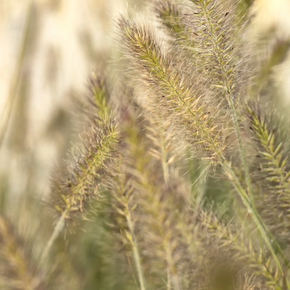
- Wildlife‑friendly tan seed heads in fall add texture and winter interest; excellent in groups or as a vertical accent.
Smoke Signal Little Bluestem (Schizachyrium scoparium 'Smoke Signal') delivers a refined, upright presence with dynamic color—starting blue‑green, flushing scarlet in late summer, and maturing to rich red‑purple into fall. Tough and easy in full sun, it adapts to clay and high heat, needs minimal water after establishment, and rewards with airy tan seed heads for four‑season appeal. Ideal massed in meadows, mixed borders, and modern xeric designs across USDA Zones 3–9.
Botanical Name
Schizachyrium scoparium ‘Smoke Signal’ — Little Bluestem; Plant Patent PP27,433.
Plant Type & Habit
Warm‑season, clump‑forming native prairie grass with a strictly upright, columnar habit that stays tidy through fall.
Mature Size
Typically 3–4 ft tall and about 2 ft wide at maturity.
Hardiness
USDA Zones 3–9; excellent cold and heat tolerance for broad adaptation.
Light & Exposure
Full sun (6+ hours) produces the best color, density, and upright form.
Soil & Water
Grows in a wide range of soils—including clay—with good drainage. Water deeply and regularly the first season to establish; then tolerates drought.
Foliage Color Progression
Blue‑green blades in spring/summer shift to scarlet late summer and deepen to purple‑red in fall for standout seasonal drama.
Flowers & Seed Heads
Early‑fall bloom with tiny tan seed heads on the upper stems; persistent inflorescences add winter structure and gentle motion.
Uses & Landscape Ideas
- Mass plantings and meadows for color drift and habitat.
- Mixed borders for vertical punctuation and texture.
- Xeric/low‑water and clay‑tolerant designs; effective for erosion control.
Wildlife & Ecology
Seed heads offer seasonal interest and can support birds; as a native bluestem selection, it contributes to prairie‑style plantings and habitat value.
Planting & Spacing
Plant at the same depth as grown in the container; space clumps 18–24 in. apart for a solid drift or use singly as vertical accents.
Maintenance & Pruning
Cut back to the crown in late winter to early spring before new growth emerges. Avoid heavy feeding, which can cause floppy growth.
Problem Solving & Toughness
Handles heat, humidity, and clay; low water needs after establishment and dependable upright habit minimize staking or grooming.
Companion Ideas
Pair with Blazing Star (Liatris), False Indigo (Baptisia), Echinacea, and other sun‑loving natives for a long‑season prairie palette.
- Strongly upright native ornamental grass with a tidy, vertical habit—about 3–4 ft tall × ~2 ft wide.
- Season-long color show: foliage shifts from blue‑green to scarlet in late summer, deepening to red‑purple through fall.
- Drought‑tolerant once established; thrives in full sun and handles clay, heat, and humidity with ease.
- Wildlife‑friendly tan seed heads in fall add texture and winter interest; excellent in groups or as a vertical accent.
Smoke Signal Little Bluestem (Schizachyrium scoparium 'Smoke Signal') delivers a refined, upright presence with dynamic color—starting blue‑green, flushing scarlet in late summer, and maturing to rich red‑purple into fall. Tough and easy in full sun, it adapts to clay and high heat, needs minimal water after establishment, and rewards with airy tan seed heads for four‑season appeal. Ideal massed in meadows, mixed borders, and modern xeric designs across USDA Zones 3–9.
Botanical Name
Schizachyrium scoparium ‘Smoke Signal’ — Little Bluestem; Plant Patent PP27,433.
Plant Type & Habit
Warm‑season, clump‑forming native prairie grass with a strictly upright, columnar habit that stays tidy through fall.
Mature Size
Typically 3–4 ft tall and about 2 ft wide at maturity.
Hardiness
USDA Zones 3–9; excellent cold and heat tolerance for broad adaptation.
Light & Exposure
Full sun (6+ hours) produces the best color, density, and upright form.
Soil & Water
Grows in a wide range of soils—including clay—with good drainage. Water deeply and regularly the first season to establish; then tolerates drought.
Foliage Color Progression
Blue‑green blades in spring/summer shift to scarlet late summer and deepen to purple‑red in fall for standout seasonal drama.
Flowers & Seed Heads
Early‑fall bloom with tiny tan seed heads on the upper stems; persistent inflorescences add winter structure and gentle motion.
Uses & Landscape Ideas
- Mass plantings and meadows for color drift and habitat.
- Mixed borders for vertical punctuation and texture.
- Xeric/low‑water and clay‑tolerant designs; effective for erosion control.
Wildlife & Ecology
Seed heads offer seasonal interest and can support birds; as a native bluestem selection, it contributes to prairie‑style plantings and habitat value.
Planting & Spacing
Plant at the same depth as grown in the container; space clumps 18–24 in. apart for a solid drift or use singly as vertical accents.
Maintenance & Pruning
Cut back to the crown in late winter to early spring before new growth emerges. Avoid heavy feeding, which can cause floppy growth.
Problem Solving & Toughness
Handles heat, humidity, and clay; low water needs after establishment and dependable upright habit minimize staking or grooming.
Companion Ideas
Pair with Blazing Star (Liatris), False Indigo (Baptisia), Echinacea, and other sun‑loving natives for a long‑season prairie palette.
Related Products