Zoom the image with the mouse
Shiro‑Beni Silky Wisteria
SKU:
2232955-P
UPC:
014949426029
$51.99 - $62.99
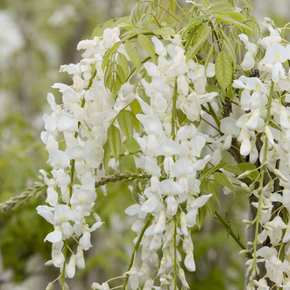
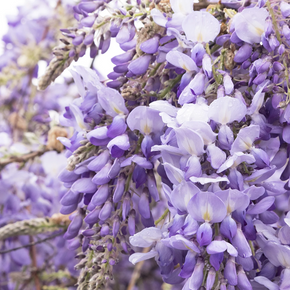
- Profuse late-spring racemes (approx. 4–6") of soft pink, highly fragrant blooms from dark pink buds.
- Compact, twining habit (to ~16 ft with support) ideal for smaller gardens, trellises, and containers.
- Thrives in full sun to partial sun; hardy across a broad range of climates.
- Easy-care: tolerant of varied soils; prune after flowering to keep tidy and encourage next year’s bloom.
Shiro‑Beni Silky Wisteria (Wisteria brachybotrys ‘Shiro‑Beni’) delivers romantic, soft‑pink, grape‑like clusters with a rich, sweet fragrance in late spring to early summer. A refined alternative to longer‑racereme wisterias, it climbs to about 16 feet with support, making it a smart choice for small spaces, espaliers, and containers. Plant in full sun to partial sun and well‑drained loam; water regularly the first season, then as needed. Prune after flowering to shape and promote abundant spurs for the following year.
Botanical & Identity
Botanical name: Wisteria brachybotrys ‘Shiro‑Beni’ (syn. W. venusta); deciduous, twining vine noted for broad, short racemes and heavy fragrance.
Size & Growth Habit
Moderately vigorous; twining stems typically climb to about 16 ft (or more) with support, forming a sturdy, woody framework suitable for trellises and arches.
Light Requirements
Full sun yields the heaviest bloom; tolerates partial sun in warmer regions with only slight reduction in flowering.
Water & Soil
Performs best in average, loamy, well‑drained soils. Keep evenly moist during establishment; once established, water as needed to maintain moderate moisture.
Hardiness & Seasonality
USDA Zones: broadly hardy (upper‑mid to warm climates). Deciduous; blooms late spring to early summer, then sets velvety seed pods.
Flowering & Fragrance
Stocky racemes (~4–6 in.) open nearly all at once from dark pink buds to soft pink, strongly scented flowers—excellent for close viewing on pergolas and patios.
Landscape & Uses
Superb for trellises, espaliers, privacy screens, containers, and intimate courtyards where fragrance and compact habit shine.
Pruning & Training
Train a simple framework on your support; prune after flowering to shorten laterals and encourage flowering spurs. Light summer tip‑pinching keeps growth tidy.
Planting & Establishment
Water deeply and regularly the first season to establish roots. Feed in early spring with a balanced fertilizer; mulch to moderate soil temperature and conserve moisture.
Container & Small‑Space Tips
Choose a large, heavy container with excellent drainage and a sturdy trellis. The species’ shorter racemes and moderate vigor suit patios and balconies.
Wildlife & Pollinators
Fragrant blooms attract pollinators. After flowering, pods add seasonal interest (note: seeds are not for consumption).
Safety & Care Notes
All parts can be harmful if eaten; keep away from children and pets. Wear gloves if you have sensitive skin when pruning.
Companion Plants
Pair with sun‑loving underplantings such as Rosa (roses), Hemerocallis (daylilies), Phlox, Salvia, and Shasta daisy for layered color beneath the bloom.
- Profuse late-spring racemes (approx. 4–6") of soft pink, highly fragrant blooms from dark pink buds.
- Compact, twining habit (to ~16 ft with support) ideal for smaller gardens, trellises, and containers.
- Thrives in full sun to partial sun; hardy across a broad range of climates.
- Easy-care: tolerant of varied soils; prune after flowering to keep tidy and encourage next year’s bloom.
Shiro‑Beni Silky Wisteria (Wisteria brachybotrys ‘Shiro‑Beni’) delivers romantic, soft‑pink, grape‑like clusters with a rich, sweet fragrance in late spring to early summer. A refined alternative to longer‑racereme wisterias, it climbs to about 16 feet with support, making it a smart choice for small spaces, espaliers, and containers. Plant in full sun to partial sun and well‑drained loam; water regularly the first season, then as needed. Prune after flowering to shape and promote abundant spurs for the following year.
Botanical & Identity
Botanical name: Wisteria brachybotrys ‘Shiro‑Beni’ (syn. W. venusta); deciduous, twining vine noted for broad, short racemes and heavy fragrance.
Size & Growth Habit
Moderately vigorous; twining stems typically climb to about 16 ft (or more) with support, forming a sturdy, woody framework suitable for trellises and arches.
Light Requirements
Full sun yields the heaviest bloom; tolerates partial sun in warmer regions with only slight reduction in flowering.
Water & Soil
Performs best in average, loamy, well‑drained soils. Keep evenly moist during establishment; once established, water as needed to maintain moderate moisture.
Hardiness & Seasonality
USDA Zones: broadly hardy (upper‑mid to warm climates). Deciduous; blooms late spring to early summer, then sets velvety seed pods.
Flowering & Fragrance
Stocky racemes (~4–6 in.) open nearly all at once from dark pink buds to soft pink, strongly scented flowers—excellent for close viewing on pergolas and patios.
Landscape & Uses
Superb for trellises, espaliers, privacy screens, containers, and intimate courtyards where fragrance and compact habit shine.
Pruning & Training
Train a simple framework on your support; prune after flowering to shorten laterals and encourage flowering spurs. Light summer tip‑pinching keeps growth tidy.
Planting & Establishment
Water deeply and regularly the first season to establish roots. Feed in early spring with a balanced fertilizer; mulch to moderate soil temperature and conserve moisture.
Container & Small‑Space Tips
Choose a large, heavy container with excellent drainage and a sturdy trellis. The species’ shorter racemes and moderate vigor suit patios and balconies.
Wildlife & Pollinators
Fragrant blooms attract pollinators. After flowering, pods add seasonal interest (note: seeds are not for consumption).
Safety & Care Notes
All parts can be harmful if eaten; keep away from children and pets. Wear gloves if you have sensitive skin when pruning.
Companion Plants
Pair with sun‑loving underplantings such as Rosa (roses), Hemerocallis (daylilies), Phlox, Salvia, and Shasta daisy for layered color beneath the bloom.
Related Products