

Zoom the image with the mouse
Red Push Pistache - 5 Gallon
SKU:
2096190
UPC:
014949486191
$99.99
- Season-long color: copper‑red spring flush, rich green summer canopy, and vivid yellow‑to‑red fall foliage.
- Desert‑ready shade tree—handles hot sun and notable cold swings; excellent for streetscapes and large yards.
- Non‑fruiting male selection for clean performance; naturally rounded, single‑trunk shade form.
- Full‑sun, low‑maintenance pick: water deeply when soil is dry; reduce frequency after establishment.
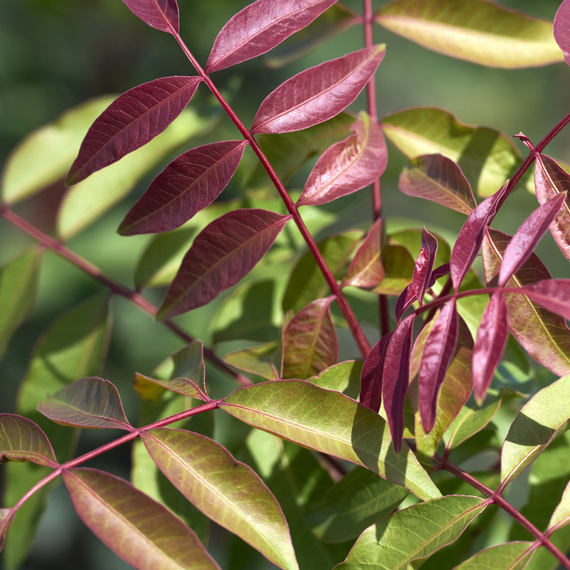
Red Push Pistache (Pistacia × ‘Red Push’) is a durable, desert‑savvy shade tree prized for its three‑season color show and dependable structure. New leaves emerge with red tones in spring, mature to deep green for a dense summer canopy, then light up the landscape with yellow to red hues in fall. A non‑fruiting male that thrives in full sun and heat with periodic deep watering, it grows into a handsome, rounded specimen—perfect as a street tree or as the anchor shade tree in water‑wise designs.
Plant Description
Deciduous, hybrid pistache selected for hot‑summer performance and reliable fall color. Naturally develops a rounded, shade‑casting canopy with sturdy branching and a strong central leader.
Foliage & Seasonal Color
Spring: new growth pushes with red tones; Summer: deep green, medium‑textured compound leaves; Fall: leaves shift to glowing shades of yellow, orange, and red for a standout seasonal display.
Sun Requirements
Full sun (6+ hours daily) for densest canopy and best color intensity; performs as a heat‑tolerant, urban‑ready shade tree.
Watering Needs
Water deeply when the soil is dry during establishment; once roots are set, reduce frequency—occasional deep soaks keep the canopy full and color vivid.
Soil Requirements
Adaptable to a range of well‑drained soils common to arid and urban sites. Avoid chronically wet conditions; apply a balanced fertilizer before spring growth if needed.
Growth & Size
Typically reaches about 25–40 ft. tall and 20–30 ft. wide, forming a broad, rounded crown that provides substantial, livable shade.
Hardiness
USDA Zones 7–10; selected for desert climates and areas with notable heat/cold variability.
Special Features
Non‑fruiting male (clean landscape performance); excellent heat tolerance; moderate water once established; inconspicuous spring bloom.
Landscape Uses
Ideal as a single‑specimen shade tree for lawns and courtyards; dependable streetscape or parkway tree; anchors water‑wise and Southwestern designs with a classic, rounded form.
Care Instructions
Water regularly the first season to establish a deep, extensive root system; reduce frequency afterward. Feed a general‑purpose fertilizer before spring flush if growth is slow. Prune lightly in winter to elevate canopy or correct structure.
Spacing & Placement
Allow 20–30 ft. of lateral space for mature spread; site where broad, rounded shade is desired (streets, large patios, south and west exposures).
Design Tips
Pair with drought‑tolerant companions (sage, globe mallow, ornamental grasses) to highlight the spring red flush and autumn color. Use repeated placements along drives for a cohesive avenue effect.
- Season-long color: copper‑red spring flush, rich green summer canopy, and vivid yellow‑to‑red fall foliage.
- Desert‑ready shade tree—handles hot sun and notable cold swings; excellent for streetscapes and large yards.
- Non‑fruiting male selection for clean performance; naturally rounded, single‑trunk shade form.
- Full‑sun, low‑maintenance pick: water deeply when soil is dry; reduce frequency after establishment.
Red Push Pistache (Pistacia × ‘Red Push’) is a durable, desert‑savvy shade tree prized for its three‑season color show and dependable structure. New leaves emerge with red tones in spring, mature to deep green for a dense summer canopy, then light up the landscape with yellow to red hues in fall. A non‑fruiting male that thrives in full sun and heat with periodic deep watering, it grows into a handsome, rounded specimen—perfect as a street tree or as the anchor shade tree in water‑wise designs.
Plant Description
Deciduous, hybrid pistache selected for hot‑summer performance and reliable fall color. Naturally develops a rounded, shade‑casting canopy with sturdy branching and a strong central leader.
Foliage & Seasonal Color
Spring: new growth pushes with red tones; Summer: deep green, medium‑textured compound leaves; Fall: leaves shift to glowing shades of yellow, orange, and red for a standout seasonal display.
Sun Requirements
Full sun (6+ hours daily) for densest canopy and best color intensity; performs as a heat‑tolerant, urban‑ready shade tree.
Watering Needs
Water deeply when the soil is dry during establishment; once roots are set, reduce frequency—occasional deep soaks keep the canopy full and color vivid.
Soil Requirements
Adaptable to a range of well‑drained soils common to arid and urban sites. Avoid chronically wet conditions; apply a balanced fertilizer before spring growth if needed.
Growth & Size
Typically reaches about 25–40 ft. tall and 20–30 ft. wide, forming a broad, rounded crown that provides substantial, livable shade.
Hardiness
USDA Zones 7–10; selected for desert climates and areas with notable heat/cold variability.
Special Features
Non‑fruiting male (clean landscape performance); excellent heat tolerance; moderate water once established; inconspicuous spring bloom.
Landscape Uses
Ideal as a single‑specimen shade tree for lawns and courtyards; dependable streetscape or parkway tree; anchors water‑wise and Southwestern designs with a classic, rounded form.
Care Instructions
Water regularly the first season to establish a deep, extensive root system; reduce frequency afterward. Feed a general‑purpose fertilizer before spring flush if growth is slow. Prune lightly in winter to elevate canopy or correct structure.
Spacing & Placement
Allow 20–30 ft. of lateral space for mature spread; site where broad, rounded shade is desired (streets, large patios, south and west exposures).
Design Tips
Pair with drought‑tolerant companions (sage, globe mallow, ornamental grasses) to highlight the spring red flush and autumn color. Use repeated placements along drives for a cohesive avenue effect.