Zoom the image with the mouse
Peaches and Cream Honeysuckle - 1 Gallon
SKU:
937010
UPC:
014949370100
$21.99
- Compact, fragrant honeysuckle that blooms from spring through summer with eye‑catching, multi‑colored flowers.
- Heat, humidity, and mildew‑resistant; waterwise once established for low‑maintenance performance.
- Evergreen in mild climates; ideal for smaller supports—typically to 5–6 ft with light training.
- Attracts hummingbirds and pollinators; great for trellises, lamp posts, containers, and small‑space gardens.
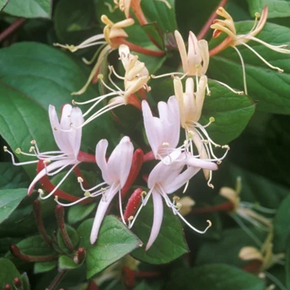
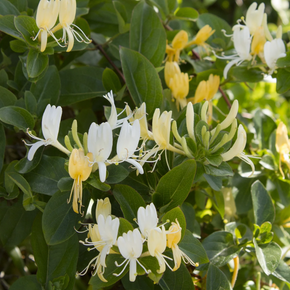
Peaches and Cream Honeysuckle (Lonicera periclymenum ‘Inov 86’, PP21,839) is a compact, long‑flowering climber prized for vibrant, sweetly scented blossoms that open in shades of pink and creamy white, then mellow toward soft peach. Bred for improved heat, humidity, and mildew tolerance, this easy‑care selection thrives in full to partial sun and average, well‑drained soil. With light support it reaches 5–6 feet, staying tidy on arbors, obelisks, and fences, while delivering season‑long color and a steady draw for hummingbirds in USDA Zones 4–9.
Botanical Name
Lonicera periclymenum ‘Inov 86’ — Peaches and Cream™ Honeysuckle; Plant Patent PP21,839.
Plant Type & Habit
Moderate‑growing, compact, twining climber; can also be allowed to sprawl as a small groundcover in tighter spaces.
Mature Size
Typically 5–6 ft tall with light support; width depends on training and structure.
Hardiness
USDA Zones 4–9; evergreen in frost‑free/mild winter climates.
Light & Exposure
Full sun to partial sun. Blooms best with ample light; suitable for east, south, or west exposures with good airflow.
Soil & Water
Grows easily in average, well‑drained soils. Water deeply and regularly the first season to establish; once established, reduce frequency—tolerates mild drought.
Flowers & Bloom Season
Spring and summer (longer in frost‑free areas). Buds and blooms show multicolored tones—pink and creamy white aging toward soft peach.
Fragrance & Color
Classic honeysuckle perfume with vibrant, showy clusters that read from pink to cream/peach, offering strong visual contrast against dark green foliage.
Uses & Placements
- Trellises, arbors, lamp posts, and fences for vertical color.
- Containers with a small obelisk or hoop for patios and balconies.
- Espalier or light screening in compact beds.
Companion Ideas
Pairs beautifully with Coneflower (Echinacea), Butterfly Bush (Buddleja), Asters, Bee Balm (Monarda), and Butterfly Weed (Asclepias) to extend pollinator appeal and seasonal color.
Training & Support
Provide light support (slender trellis, wire, or post). Guide new shoots; vines will twine naturally without heavy tying.
Pruning & Maintenance
Low‑pruning needs: tidy only as required to maintain size and shape. Feed lightly in spring if soil is lean.
Problem Solving & Toughness
Bred for mildew resistance and performs well in heat, humidity, and urban settings. Waterwise once established; generally rabbit resistant.
Planting & Spacing
Plant at the same depth as the nursery container near your support. Space plants based on structure length and desired density; allow airflow for healthiest foliage.
Pollinators & Wildlife
Highly attractive to hummingbirds and other pollinators; occasional berries may follow flowering in some climates.
- Compact, fragrant honeysuckle that blooms from spring through summer with eye‑catching, multi‑colored flowers.
- Heat, humidity, and mildew‑resistant; waterwise once established for low‑maintenance performance.
- Evergreen in mild climates; ideal for smaller supports—typically to 5–6 ft with light training.
- Attracts hummingbirds and pollinators; great for trellises, lamp posts, containers, and small‑space gardens.
Peaches and Cream Honeysuckle (Lonicera periclymenum ‘Inov 86’, PP21,839) is a compact, long‑flowering climber prized for vibrant, sweetly scented blossoms that open in shades of pink and creamy white, then mellow toward soft peach. Bred for improved heat, humidity, and mildew tolerance, this easy‑care selection thrives in full to partial sun and average, well‑drained soil. With light support it reaches 5–6 feet, staying tidy on arbors, obelisks, and fences, while delivering season‑long color and a steady draw for hummingbirds in USDA Zones 4–9.
Botanical Name
Lonicera periclymenum ‘Inov 86’ — Peaches and Cream™ Honeysuckle; Plant Patent PP21,839.
Plant Type & Habit
Moderate‑growing, compact, twining climber; can also be allowed to sprawl as a small groundcover in tighter spaces.
Mature Size
Typically 5–6 ft tall with light support; width depends on training and structure.
Hardiness
USDA Zones 4–9; evergreen in frost‑free/mild winter climates.
Light & Exposure
Full sun to partial sun. Blooms best with ample light; suitable for east, south, or west exposures with good airflow.
Soil & Water
Grows easily in average, well‑drained soils. Water deeply and regularly the first season to establish; once established, reduce frequency—tolerates mild drought.
Flowers & Bloom Season
Spring and summer (longer in frost‑free areas). Buds and blooms show multicolored tones—pink and creamy white aging toward soft peach.
Fragrance & Color
Classic honeysuckle perfume with vibrant, showy clusters that read from pink to cream/peach, offering strong visual contrast against dark green foliage.
Uses & Placements
- Trellises, arbors, lamp posts, and fences for vertical color.
- Containers with a small obelisk or hoop for patios and balconies.
- Espalier or light screening in compact beds.
Companion Ideas
Pairs beautifully with Coneflower (Echinacea), Butterfly Bush (Buddleja), Asters, Bee Balm (Monarda), and Butterfly Weed (Asclepias) to extend pollinator appeal and seasonal color.
Training & Support
Provide light support (slender trellis, wire, or post). Guide new shoots; vines will twine naturally without heavy tying.
Pruning & Maintenance
Low‑pruning needs: tidy only as required to maintain size and shape. Feed lightly in spring if soil is lean.
Problem Solving & Toughness
Bred for mildew resistance and performs well in heat, humidity, and urban settings. Waterwise once established; generally rabbit resistant.
Planting & Spacing
Plant at the same depth as the nursery container near your support. Space plants based on structure length and desired density; allow airflow for healthiest foliage.
Pollinators & Wildlife
Highly attractive to hummingbirds and other pollinators; occasional berries may follow flowering in some climates.
Related Products