

Zoom the image with the mouse
Oklahoma Redbud - 5 Gallon
SKU:
1960001
UPC:
014949235751
$129.99
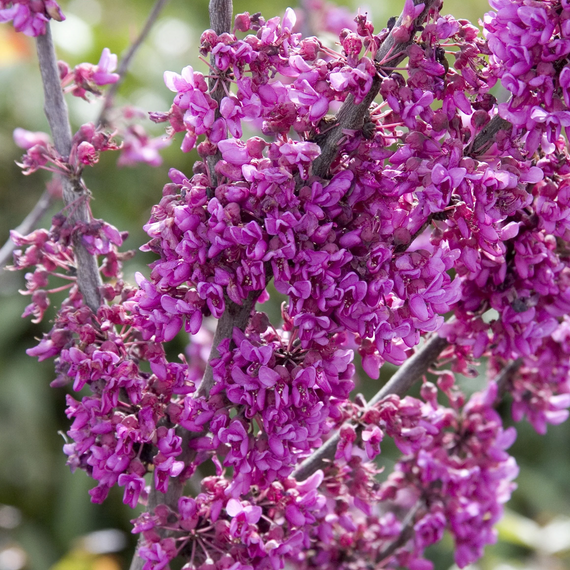
- Vibrant early-spring display—petite purple‑red blossoms blanket bare branches.
- Glossy, heart‑shaped foliage emerges softly tinted, then matures rich green for summer shine.
- Landscape‑friendly size: typically ~15 ft. tall × ~15 ft. wide; often forms a graceful multi‑stem silhouette.
- Easy‑care in full sun with well‑drained soil; waterwise once established and pollinator friendly.
Oklahoma Redbud (Cercis canadensis var. texensis ‘Oklahoma’) is a small, ornamental standout prized for its profusion of purple‑red, sweet‑pea–like flowers that bridge winter to spring. As blooms fade, lustrous, heart‑shaped leaves unfurl (often with a soft pink blush) and mature to a rich, glossy green—keeping this compact, multi‑stem tree eye‑catching through summer. Adapted to heat and sun, it thrives in well‑drained soils with modest care, delivering four‑season charm and early nectar for pollinators in courtyards, entry gardens, and small city lots.
Plant Description
Deciduous, often multi‑trunk small tree with a rounded outline. Showy clusters of petite, purple‑red flowers smother bare branchlets before leaf‑out, followed by glossy, heart‑shaped foliage that provides a polished summer look.
Flowers
Abundant, vibrant purple‑red blossoms in tight clusters on twigs and branches; classic redbud “pea‑flower” form for high early‑season impact and pollinator support.
Bloom Time
Early spring, typically just ahead of leaf emergence, creating a dramatic “cloud of color” effect.
Foliage
New leaves may flush with a soft pink tint, then mature to rich, glossy green, heart‑shaped leaves; light yellow tones add a gentle note in fall.
Sun Requirements
Full sun is ideal for dense flowering and foliage quality; in hotter regions, light afternoon shade can be beneficial.
Watering Needs
Water deeply and regularly during the first growing season to establish. Thereafter, water when the top ~3 inches of soil begin to dry; avoid chronically wet sites.
Soil Requirements
Prefers deep, slightly alkaline, moist, well‑drained sandy loams; overall adaptable if drainage is good. Mulch to conserve moisture (keep mulch off the trunk).
Growth & Size
Moderate growth; commonly reaches about 15 ft. tall × 15 ft. wide at maturity, maintaining a refined footprint for smaller landscapes.
Hardiness
USDA Zones 6–9; selected for warmer, sunnier conditions and well suited to Southwestern exposures.
Special Features
Early nectar for pollinators; compact form with glossy summer foliage; low maintenance once established; attractive as a multi‑trunk specimen or small patio tree.
Landscape Uses
Courtyard or front‑yard focal point, foundation/perimeter accent, airy screen along walkways or property edges, and a standout in mixed ornamental borders.
Care Instructions
Plant in full sun with well‑drained soil. Water to establish, then as needed during dry spells. Feed with a general‑purpose fertilizer just before spring growth. Minimal pruning—shape after bloom if required; avoid heavy summer cuts.
Notes & Habit Tips
May naturally develop a multi‑stem habit; stake young plants only as needed, then allow to form a graceful vase‑to‑rounded silhouette. Site away from soggy zones to prevent root stress.
- Vibrant early-spring display—petite purple‑red blossoms blanket bare branches.
- Glossy, heart‑shaped foliage emerges softly tinted, then matures rich green for summer shine.
- Landscape‑friendly size: typically ~15 ft. tall × ~15 ft. wide; often forms a graceful multi‑stem silhouette.
- Easy‑care in full sun with well‑drained soil; waterwise once established and pollinator friendly.
Oklahoma Redbud (Cercis canadensis var. texensis ‘Oklahoma’) is a small, ornamental standout prized for its profusion of purple‑red, sweet‑pea–like flowers that bridge winter to spring. As blooms fade, lustrous, heart‑shaped leaves unfurl (often with a soft pink blush) and mature to a rich, glossy green—keeping this compact, multi‑stem tree eye‑catching through summer. Adapted to heat and sun, it thrives in well‑drained soils with modest care, delivering four‑season charm and early nectar for pollinators in courtyards, entry gardens, and small city lots.
Plant Description
Deciduous, often multi‑trunk small tree with a rounded outline. Showy clusters of petite, purple‑red flowers smother bare branchlets before leaf‑out, followed by glossy, heart‑shaped foliage that provides a polished summer look.
Flowers
Abundant, vibrant purple‑red blossoms in tight clusters on twigs and branches; classic redbud “pea‑flower” form for high early‑season impact and pollinator support.
Bloom Time
Early spring, typically just ahead of leaf emergence, creating a dramatic “cloud of color” effect.
Foliage
New leaves may flush with a soft pink tint, then mature to rich, glossy green, heart‑shaped leaves; light yellow tones add a gentle note in fall.
Sun Requirements
Full sun is ideal for dense flowering and foliage quality; in hotter regions, light afternoon shade can be beneficial.
Watering Needs
Water deeply and regularly during the first growing season to establish. Thereafter, water when the top ~3 inches of soil begin to dry; avoid chronically wet sites.
Soil Requirements
Prefers deep, slightly alkaline, moist, well‑drained sandy loams; overall adaptable if drainage is good. Mulch to conserve moisture (keep mulch off the trunk).
Growth & Size
Moderate growth; commonly reaches about 15 ft. tall × 15 ft. wide at maturity, maintaining a refined footprint for smaller landscapes.
Hardiness
USDA Zones 6–9; selected for warmer, sunnier conditions and well suited to Southwestern exposures.
Special Features
Early nectar for pollinators; compact form with glossy summer foliage; low maintenance once established; attractive as a multi‑trunk specimen or small patio tree.
Landscape Uses
Courtyard or front‑yard focal point, foundation/perimeter accent, airy screen along walkways or property edges, and a standout in mixed ornamental borders.
Care Instructions
Plant in full sun with well‑drained soil. Water to establish, then as needed during dry spells. Feed with a general‑purpose fertilizer just before spring growth. Minimal pruning—shape after bloom if required; avoid heavy summer cuts.
Notes & Habit Tips
May naturally develop a multi‑stem habit; stake young plants only as needed, then allow to form a graceful vase‑to‑rounded silhouette. Site away from soggy zones to prevent root stress.