

Zoom the image with the mouse
Mount Everest Big Blue Chalksticks
SKU:
2012815
UPC:
014949452851
$16.99
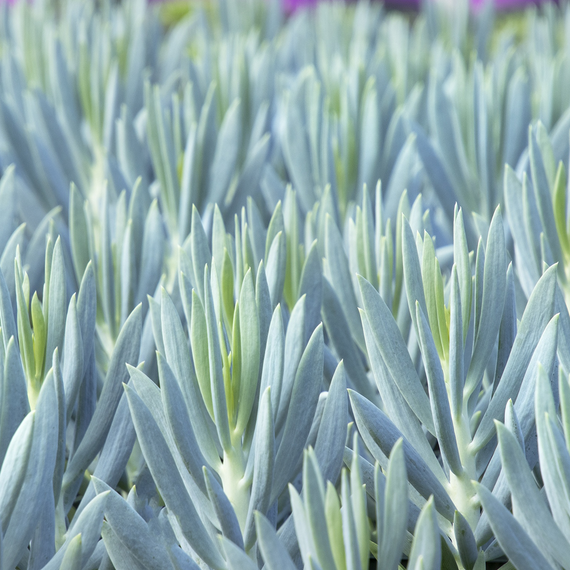
- Striking powder-blue, finger-like succulent leaves coated in a natural waxy farina give this spreading groundcover an eye-catching, frost-kissed appearance year-round.
- Exceptionally drought tolerant and low maintenance once established, making it an ideal choice for water-wise, xeriscape, and Mediterranean-style landscapes.
- Deer resistant, rabbit resistant, and fire resistant — a tough, reliable performer for slopes, borders, rock gardens, and low-water planting strips.
- Thrives in full sun with well-draining soil and pairs beautifully with other succulents, ornamental grasses, and bold architectural plants for stunning color contrast.
Mount Everest Big Blue Chalksticks (Curio ficoides 'Mount Everest', also widely known as Senecio mandraliscae) is a spectacular spreading succulent prized for its bold, otherworldly foliage and virtually effortless care. Native to the rocky, sun-drenched slopes of South Africa's Eastern Cape, this low-growing groundcover produces dense mats of thick, cylindrical, upward-curving leaves up to 3-4 inches long, each blanketed in a natural powdery blue-gray farina that intensifies in full sun and gives the plant its iconic chalky, blue-silver appearance. Quickly spreading 18-24 inches wide and reaching 12-18 inches tall at maturity, Mount Everest Big Blue Chalksticks earns its place as one of the most impactful drought-tolerant groundcovers available for USDA Zones 9-11. In summer, small creamy-white flowers emerge above the foliage, attracting pollinators including butterflies. Whether used as a weed-suppressing groundcover, a bold border edging, a contrast plant in a succulent garden, or a standout specimen in a patio container, this plant delivers year-round visual interest with minimal input. It tolerates poor soils, coastal salt spray, heat, and extended dry periods, making it especially well-suited to the Mediterranean-climate gardens of Southern Oregon's warmer valleys and Northern California's coastal and inland landscapes.
Plant Description
Mount Everest Big Blue Chalksticks is a spreading, low-growing succulent that forms a dense, weed-suppressing mat of upright, finger-like fleshy leaves. The leaves are cylindrical to slightly flattened, 3-4 inches long, gently curved upward, and coated in a waxy farina — a natural powdery bloom — that gives the foliage its striking powder-blue to blue-gray color. This farina acts as a sunscreen for the plant and intensifies with increased light exposure. Specimens grown in shade will gradually lose their vibrant blue coloring and turn dull green. Small creamy-white to dirty-white daisy-like flower heads appear on short stalks in summer, adding subtle seasonal interest. The stems are succulent and semi-woody at the base with age, and they readily root where they contact the ground, helping the plant spread and fill in. The overall effect in the landscape is a sea of cool blue that provides exceptional contrast against warm-toned or dark-leaved companion plants.
Mature Size
| Attribute | Measurement |
|---|---|
| Mature Height | 12-18 inches |
| Mature Spread | 18-36 inches |
| Recommended Spacing | 18-24 inches apart |
| Growth Rate | Fast in warm, sunny conditions |
| Growth Habit | Spreading, mat-forming groundcover |
| Plant Type | Evergreen succulent subshrub |
Hardiness and Climate
Mount Everest Big Blue Chalksticks is hardy in USDA Zones 9-11, making it well-suited to the milder climates of Southern Oregon's Rogue Valley and the coastal and inland valleys of Northern California. It performs best in Mediterranean-style climates with warm, dry summers and mild winters. Established plants can briefly tolerate light frost down to approximately 25°F (-4°C) when the soil is dry, and they can recover from foliage burn by resprouting from the root crown. However, a hard freeze will seriously damage or kill the plant, so in borderline Zone 9 locations it is wise to plant in a sheltered, south-facing spot or provide frost cloth during hard freezes. In containers, bring the plant under cover or into a frost-free space when temperatures are expected to drop below 28°F. The plant grows actively in fall, winter, and spring and tends toward summer dormancy in the hottest, driest months.
Sunlight Requirements
This plant thrives in full sun and performs best with 6-8 hours or more of direct sunlight per day. The natural waxy farina on the leaves functions as a built-in sunscreen, allowing the plant to handle intense midday sun without scorching. Bright, direct light also intensifies the powder-blue color of the foliage — the more sun, the more vibrant the blue. While it will tolerate partial shade, plants grown in lower light conditions tend to become elongated and leggy, and the foliage will shift toward dull green rather than its characteristic silver-blue. When transitioning a plant from low light to full outdoor sun, gradually acclimate it over 1-2 weeks to avoid sunburn. Indoors, place in the sunniest south- or west-facing window available, or supplement with a grow light for best color and compact growth.
Soil and pH Preferences
Mount Everest Big Blue Chalksticks is tolerant of a wide range of soil types but demands excellent drainage above all else. Soggy or consistently wet soil is the primary cause of root rot and plant decline. Ideal soil is sandy, gritty, or loam-based with fast drainage. It adapts well to poor, low-fertility soils and is tolerant of slightly acidic to slightly alkaline conditions, performing well across a broad pH range. Avoid dense clay soils that hold moisture. In the ground, amend heavy soils with coarse sand, perlite, or decomposed granite to improve drainage before planting. For container culture, use a quality cactus and succulent potting mix, or blend 1 part perlite or coarse sand with 1 part standard potting soil. A slightly raised planting bed or slope is ideal for in-ground plantings in areas with heavier native soils.
Watering Guide
Blue Chalksticks is highly drought tolerant once established and follows the same general watering philosophy as most succulents: deep, infrequent watering is far better than frequent shallow irrigation. Allow the soil to dry out completely between waterings. For established in-ground plants in warm, dry climates, a thorough deep soaking once a month during the dry season is typically sufficient. Newly planted or container-grown specimens will need more frequent attention — water when the top inch or two of soil has dried completely, roughly every 10-14 days depending on temperature and sun exposure. In summer, established outdoor plants may need watering slightly more often if temperatures are extreme. In winter, reduce watering significantly to near-zero for in-ground plants and water sparingly for containers. Overwatering is the most common mistake and the primary cause of root rot, yellowing, and leaf drop. Always ensure containers have adequate drainage holes.
Fertilizing
Mount Everest Big Blue Chalksticks is not a heavy feeder and does not require frequent fertilization. In fact, over-fertilizing can result in weak, leggy, soft growth that detracts from the plant's naturally compact, architectural form. Feed sparingly — 3 to 4 times per year is sufficient for most plants. Use a balanced, water-soluble fertilizer with equal parts nitrogen, phosphorus, and potassium, or a fertilizer formulated specifically for cactus and succulents. Apply during the active growing seasons of spring and fall, and avoid feeding during summer dormancy or winter. Dilute the fertilizer to half the recommended strength to avoid pushing overly lush, floppy growth. Organic options such as a diluted liquid seaweed fertilizer can be used as a gentle alternative. In-ground plants growing in naturally poor soils may benefit from a light top-dress of compost in spring.
Pruning and Maintenance
One of the most appealing qualities of Mount Everest Big Blue Chalksticks is its low maintenance nature. However, periodic pruning keeps the plant looking its best and encourages fresh, dense growth. Prune in late summer to remove any dead, damaged, or overly woody stems and to tidy up the mat. If stems become too tall, floppy, or leggy — typically from insufficient light — trim them back to encourage branching and a fuller appearance. Cutting stems back hard, leaving just a few inches at the base, will often stimulate multiple new shoots from below the cut, resulting in a bushier, more vigorous plant. Use this cut material as stem cuttings for propagation. Older plants (3-4 years) that look tired or woody at the base benefit greatly from a hard rejuvenation cutback. It is a good idea to wear gloves when handling this plant, as the waxy farina has a distinctive tacky texture and odor and does not regenerate on areas where it has been rubbed off.
Planting Instructions
- Choose a location in full sun with well-draining soil. Avoid low spots where water may pool after rain.
- Dig a hole slightly wider than the root ball and the same depth. In clay-heavy soils, amend generously with coarse sand, perlite, or decomposed granite to improve drainage.
- Remove the plant carefully from its container and gently loosen any circling roots.
- Position the plant so the crown (where stem meets root) sits at or just slightly above the surrounding soil level to prevent crown rot.
- Backfill with the amended native soil, firming gently around the base. Avoid burying any leaves or stems in the soil.
- Water thoroughly after planting to settle the soil around the roots.
- For mass plantings or groundcover use, space plants 18-24 inches apart. They will fill in quickly in warm, sunny conditions.
- A light layer of gravel mulch around the plants can help reflect heat, improve drainage, and reduce weed competition without holding excess moisture against the crown.
- Water regularly for the first 4-6 weeks to help establish the root system, then transition to an infrequent, deep-watering schedule.
Container Growing
Mount Everest Big Blue Chalksticks is an outstanding container plant and thrives in pots, planters, window boxes, and mixed succulent arrangements. Its bold blue-gray color and architectural upright habit make it a natural focal point in container designs. Choose a container with generous drainage holes — terracotta or unglazed ceramic pots are ideal because they allow the soil to breathe and dry more quickly. Fill with a quality cactus and succulent potting mix or a blend of 50% potting soil and 50% coarse perlite or sand. Place the container in the brightest, sunniest spot available. Water only when the soil has dried out completely, and reduce watering significantly in winter. Containers dry out faster than in-ground plantings, so check soil moisture more frequently during hot summer months. Repot every 3-4 years or when the plant becomes rootbound. Multiple cuttings can be planted closely together in a single container for a full, lush look from the start.
Landscape Uses
The versatility of Mount Everest Big Blue Chalksticks makes it one of the most valuable plants for low-water, low-maintenance landscapes. Its fast-spreading habit and dense mat of upright leaves make it highly effective as a weed-suppressing groundcover for slopes, sunny banks, parking strips, and median plantings. It is equally at home as a bold border edging plant, where its cool blue tones create stunning contrast against warm-colored foliage or gravel. Use it in rock gardens, succulent gardens, Mediterranean-style gardens, coastal gardens, or xeriscape designs. It pairs naturally with other drought-adapted plants in mixed borders and raised beds. As a container plant, it shines in patio planters, window boxes, and mixed succulent bowls. The striking blue-gray coloring makes it an exceptional companion for plants with burgundy, bronze, chartreuse, or dark green foliage, creating vibrant color contrasts that remain interesting year-round.
Companion Plants
- Aeonium 'Sunburst' - The rosette form and cream-edged green foliage create a dramatic contrast with the upright blue stems.
- Agave americana - The bold architectural form and gray-green leaves complement the blue groundcover beautifully beneath.
- Phormium (New Zealand Flax) - Upright, sword-like foliage in bronze, red, or burgundy provides bold vertical contrast.
- Echeveria varieties - Rosette-forming echeverias in silvery, purple, or rose tones pair naturally in the same color palette.
- Cerastium tomentosum (Snow in Summer) - Another silver-toned groundcover for a cohesive low-water planting.
- African Daisy (Arctotis x hybrida) - Warm-toned orange and yellow blooms create a stunning complementary color contrast.
- Lavandula (Lavender) - Shares the same cultural requirements and provides vertical interest, fragrance, and soft purple bloom color.
- Festuca glauca (Blue Fescue) - Another steel-blue, low-water accent that reinforces the cool color palette while adding texture.
Pests and Diseases
Mount Everest Big Blue Chalksticks is generally resistant to most pests and diseases, especially when grown in appropriate conditions. The most common issues to watch for include:
- Mealybugs - White, cottony masses may appear at leaf joints or near the base of the plant. Remove with a cotton swab dipped in rubbing alcohol or treat with an insecticidal soap spray.
- Scale insects - Look for small, flat or bumpy brown or tan discs on stems. Yellow spotting on foliage may indicate scale. Treat similarly to mealybugs with alcohol swabs or neem oil.
- Root rot - The most serious threat and almost always caused by overwatering or poorly draining soil. Symptoms include yellowing stems, soft mushy tissue at the base, and leaf drop. Correct drainage issues immediately and allow soil to dry completely. Severely affected plants should be propagated from healthy stem cuttings to save the genetics.
- Fungal rot - Can appear in humid conditions with poor air circulation. Ensure good airflow around plants and avoid overhead watering.
- Leggy or pale growth - Not a pest issue, but often mistaken for disease. This is a cultural problem caused by insufficient light. Move the plant to a sunnier location.
This plant is deer resistant, rabbit resistant, and fire resistant, making it especially practical for wildfire-prone areas of Southern Oregon and Northern California.
Seasonal Interest
One of the great advantages of Mount Everest Big Blue Chalksticks is its year-round ornamental value. The evergreen, powder-blue foliage provides consistent color and texture across all four seasons, making it a reliable anchor in any garden design. In spring and fall, the plant is in its most active growth phase, producing fresh new leaf tips that display the most vivid blue coloring. In summer, clusters of small creamy-white to dirty-white daisy-like flowers emerge above the foliage, providing a modest but charming seasonal accent that attracts butterflies and other pollinators. The plant typically enters a mild summer dormancy during the hottest months. In winter, the evergreen foliage continues to hold its blue-gray color and structural form, providing interest when many other plants have died back. The waxy farina can give the foliage an almost frosted appearance in cool winter light, adding to the plant's seasonal charm.
Wildlife Value and Toxicity
Wildlife Benefits: The summer flowers of Mount Everest Big Blue Chalksticks attract butterflies and other beneficial pollinators. The plant's waxy coating and distinctive scent act as natural deterrents to browsing deer and rabbits, making it a dependable choice for wildlife-pressure landscapes.
Toxicity Warning: This plant is considered mildly toxic to dogs, cats, and horses if ingested. It contains pyrrolizidine alkaloids, which can cause symptoms such as vomiting, diarrhea, and lethargy in pets. In practice, the tacky, aromatic farina tends to repel most animals from nibbling on the plant, but it should still be planted with caution in households with curious pets. Keep away from the reach of young children as well. Contact your veterinarian immediately if you suspect your pet has consumed any part of this plant.
Propagation
Mount Everest Big Blue Chalksticks is one of the easiest succulents to propagate, with near 100% success rates using stem cuttings. New plants can be created through three methods:
- Stem Cuttings (Recommended): Take 4-6 inch cuttings from healthy stem tips. Strip all leaves from the bottom 1-2 inches of the cutting, making sure no leaves will be buried or rest on the soil surface. Allow the cut end to callus for 2-3 days in a dry, shaded spot. Insert cuttings into a slightly moist, well-draining cactus mix or a 50/50 blend of potting soil and perlite. Place in a warm, bright location (but out of intense direct sun until rooted). Roots typically form within 2-3 weeks. New leaf growth at the tip signals successful rooting.
- Clump Division: Older, spreading clumps can be divided by separating rooted sections. Each division should have both a growing tip and a portion of roots. Replant immediately in well-draining soil.
- Seeds: Seeds can be sown in warm conditions in a cactus soil blend. Germination typically takes 2-3 weeks. This method is the most time-consuming and least commonly used.
Important note: Avoid rubbing or handling the leaves excessively during propagation. The farina coating does not regenerate once damaged, leaving permanent marks on the foliage.
- Striking powder-blue, finger-like succulent leaves coated in a natural waxy farina give this spreading groundcover an eye-catching, frost-kissed appearance year-round.
- Exceptionally drought tolerant and low maintenance once established, making it an ideal choice for water-wise, xeriscape, and Mediterranean-style landscapes.
- Deer resistant, rabbit resistant, and fire resistant — a tough, reliable performer for slopes, borders, rock gardens, and low-water planting strips.
- Thrives in full sun with well-draining soil and pairs beautifully with other succulents, ornamental grasses, and bold architectural plants for stunning color contrast.
Mount Everest Big Blue Chalksticks (Curio ficoides 'Mount Everest', also widely known as Senecio mandraliscae) is a spectacular spreading succulent prized for its bold, otherworldly foliage and virtually effortless care. Native to the rocky, sun-drenched slopes of South Africa's Eastern Cape, this low-growing groundcover produces dense mats of thick, cylindrical, upward-curving leaves up to 3-4 inches long, each blanketed in a natural powdery blue-gray farina that intensifies in full sun and gives the plant its iconic chalky, blue-silver appearance. Quickly spreading 18-24 inches wide and reaching 12-18 inches tall at maturity, Mount Everest Big Blue Chalksticks earns its place as one of the most impactful drought-tolerant groundcovers available for USDA Zones 9-11. In summer, small creamy-white flowers emerge above the foliage, attracting pollinators including butterflies. Whether used as a weed-suppressing groundcover, a bold border edging, a contrast plant in a succulent garden, or a standout specimen in a patio container, this plant delivers year-round visual interest with minimal input. It tolerates poor soils, coastal salt spray, heat, and extended dry periods, making it especially well-suited to the Mediterranean-climate gardens of Southern Oregon's warmer valleys and Northern California's coastal and inland landscapes.
Plant Description
Mount Everest Big Blue Chalksticks is a spreading, low-growing succulent that forms a dense, weed-suppressing mat of upright, finger-like fleshy leaves. The leaves are cylindrical to slightly flattened, 3-4 inches long, gently curved upward, and coated in a waxy farina — a natural powdery bloom — that gives the foliage its striking powder-blue to blue-gray color. This farina acts as a sunscreen for the plant and intensifies with increased light exposure. Specimens grown in shade will gradually lose their vibrant blue coloring and turn dull green. Small creamy-white to dirty-white daisy-like flower heads appear on short stalks in summer, adding subtle seasonal interest. The stems are succulent and semi-woody at the base with age, and they readily root where they contact the ground, helping the plant spread and fill in. The overall effect in the landscape is a sea of cool blue that provides exceptional contrast against warm-toned or dark-leaved companion plants.
Mature Size
| Attribute | Measurement |
|---|---|
| Mature Height | 12-18 inches |
| Mature Spread | 18-36 inches |
| Recommended Spacing | 18-24 inches apart |
| Growth Rate | Fast in warm, sunny conditions |
| Growth Habit | Spreading, mat-forming groundcover |
| Plant Type | Evergreen succulent subshrub |
Hardiness and Climate
Mount Everest Big Blue Chalksticks is hardy in USDA Zones 9-11, making it well-suited to the milder climates of Southern Oregon's Rogue Valley and the coastal and inland valleys of Northern California. It performs best in Mediterranean-style climates with warm, dry summers and mild winters. Established plants can briefly tolerate light frost down to approximately 25°F (-4°C) when the soil is dry, and they can recover from foliage burn by resprouting from the root crown. However, a hard freeze will seriously damage or kill the plant, so in borderline Zone 9 locations it is wise to plant in a sheltered, south-facing spot or provide frost cloth during hard freezes. In containers, bring the plant under cover or into a frost-free space when temperatures are expected to drop below 28°F. The plant grows actively in fall, winter, and spring and tends toward summer dormancy in the hottest, driest months.
Sunlight Requirements
This plant thrives in full sun and performs best with 6-8 hours or more of direct sunlight per day. The natural waxy farina on the leaves functions as a built-in sunscreen, allowing the plant to handle intense midday sun without scorching. Bright, direct light also intensifies the powder-blue color of the foliage — the more sun, the more vibrant the blue. While it will tolerate partial shade, plants grown in lower light conditions tend to become elongated and leggy, and the foliage will shift toward dull green rather than its characteristic silver-blue. When transitioning a plant from low light to full outdoor sun, gradually acclimate it over 1-2 weeks to avoid sunburn. Indoors, place in the sunniest south- or west-facing window available, or supplement with a grow light for best color and compact growth.
Soil and pH Preferences
Mount Everest Big Blue Chalksticks is tolerant of a wide range of soil types but demands excellent drainage above all else. Soggy or consistently wet soil is the primary cause of root rot and plant decline. Ideal soil is sandy, gritty, or loam-based with fast drainage. It adapts well to poor, low-fertility soils and is tolerant of slightly acidic to slightly alkaline conditions, performing well across a broad pH range. Avoid dense clay soils that hold moisture. In the ground, amend heavy soils with coarse sand, perlite, or decomposed granite to improve drainage before planting. For container culture, use a quality cactus and succulent potting mix, or blend 1 part perlite or coarse sand with 1 part standard potting soil. A slightly raised planting bed or slope is ideal for in-ground plantings in areas with heavier native soils.
Watering Guide
Blue Chalksticks is highly drought tolerant once established and follows the same general watering philosophy as most succulents: deep, infrequent watering is far better than frequent shallow irrigation. Allow the soil to dry out completely between waterings. For established in-ground plants in warm, dry climates, a thorough deep soaking once a month during the dry season is typically sufficient. Newly planted or container-grown specimens will need more frequent attention — water when the top inch or two of soil has dried completely, roughly every 10-14 days depending on temperature and sun exposure. In summer, established outdoor plants may need watering slightly more often if temperatures are extreme. In winter, reduce watering significantly to near-zero for in-ground plants and water sparingly for containers. Overwatering is the most common mistake and the primary cause of root rot, yellowing, and leaf drop. Always ensure containers have adequate drainage holes.
Fertilizing
Mount Everest Big Blue Chalksticks is not a heavy feeder and does not require frequent fertilization. In fact, over-fertilizing can result in weak, leggy, soft growth that detracts from the plant's naturally compact, architectural form. Feed sparingly — 3 to 4 times per year is sufficient for most plants. Use a balanced, water-soluble fertilizer with equal parts nitrogen, phosphorus, and potassium, or a fertilizer formulated specifically for cactus and succulents. Apply during the active growing seasons of spring and fall, and avoid feeding during summer dormancy or winter. Dilute the fertilizer to half the recommended strength to avoid pushing overly lush, floppy growth. Organic options such as a diluted liquid seaweed fertilizer can be used as a gentle alternative. In-ground plants growing in naturally poor soils may benefit from a light top-dress of compost in spring.
Pruning and Maintenance
One of the most appealing qualities of Mount Everest Big Blue Chalksticks is its low maintenance nature. However, periodic pruning keeps the plant looking its best and encourages fresh, dense growth. Prune in late summer to remove any dead, damaged, or overly woody stems and to tidy up the mat. If stems become too tall, floppy, or leggy — typically from insufficient light — trim them back to encourage branching and a fuller appearance. Cutting stems back hard, leaving just a few inches at the base, will often stimulate multiple new shoots from below the cut, resulting in a bushier, more vigorous plant. Use this cut material as stem cuttings for propagation. Older plants (3-4 years) that look tired or woody at the base benefit greatly from a hard rejuvenation cutback. It is a good idea to wear gloves when handling this plant, as the waxy farina has a distinctive tacky texture and odor and does not regenerate on areas where it has been rubbed off.
Planting Instructions
- Choose a location in full sun with well-draining soil. Avoid low spots where water may pool after rain.
- Dig a hole slightly wider than the root ball and the same depth. In clay-heavy soils, amend generously with coarse sand, perlite, or decomposed granite to improve drainage.
- Remove the plant carefully from its container and gently loosen any circling roots.
- Position the plant so the crown (where stem meets root) sits at or just slightly above the surrounding soil level to prevent crown rot.
- Backfill with the amended native soil, firming gently around the base. Avoid burying any leaves or stems in the soil.
- Water thoroughly after planting to settle the soil around the roots.
- For mass plantings or groundcover use, space plants 18-24 inches apart. They will fill in quickly in warm, sunny conditions.
- A light layer of gravel mulch around the plants can help reflect heat, improve drainage, and reduce weed competition without holding excess moisture against the crown.
- Water regularly for the first 4-6 weeks to help establish the root system, then transition to an infrequent, deep-watering schedule.
Container Growing
Mount Everest Big Blue Chalksticks is an outstanding container plant and thrives in pots, planters, window boxes, and mixed succulent arrangements. Its bold blue-gray color and architectural upright habit make it a natural focal point in container designs. Choose a container with generous drainage holes — terracotta or unglazed ceramic pots are ideal because they allow the soil to breathe and dry more quickly. Fill with a quality cactus and succulent potting mix or a blend of 50% potting soil and 50% coarse perlite or sand. Place the container in the brightest, sunniest spot available. Water only when the soil has dried out completely, and reduce watering significantly in winter. Containers dry out faster than in-ground plantings, so check soil moisture more frequently during hot summer months. Repot every 3-4 years or when the plant becomes rootbound. Multiple cuttings can be planted closely together in a single container for a full, lush look from the start.
Landscape Uses
The versatility of Mount Everest Big Blue Chalksticks makes it one of the most valuable plants for low-water, low-maintenance landscapes. Its fast-spreading habit and dense mat of upright leaves make it highly effective as a weed-suppressing groundcover for slopes, sunny banks, parking strips, and median plantings. It is equally at home as a bold border edging plant, where its cool blue tones create stunning contrast against warm-colored foliage or gravel. Use it in rock gardens, succulent gardens, Mediterranean-style gardens, coastal gardens, or xeriscape designs. It pairs naturally with other drought-adapted plants in mixed borders and raised beds. As a container plant, it shines in patio planters, window boxes, and mixed succulent bowls. The striking blue-gray coloring makes it an exceptional companion for plants with burgundy, bronze, chartreuse, or dark green foliage, creating vibrant color contrasts that remain interesting year-round.
Companion Plants
- Aeonium 'Sunburst' - The rosette form and cream-edged green foliage create a dramatic contrast with the upright blue stems.
- Agave americana - The bold architectural form and gray-green leaves complement the blue groundcover beautifully beneath.
- Phormium (New Zealand Flax) - Upright, sword-like foliage in bronze, red, or burgundy provides bold vertical contrast.
- Echeveria varieties - Rosette-forming echeverias in silvery, purple, or rose tones pair naturally in the same color palette.
- Cerastium tomentosum (Snow in Summer) - Another silver-toned groundcover for a cohesive low-water planting.
- African Daisy (Arctotis x hybrida) - Warm-toned orange and yellow blooms create a stunning complementary color contrast.
- Lavandula (Lavender) - Shares the same cultural requirements and provides vertical interest, fragrance, and soft purple bloom color.
- Festuca glauca (Blue Fescue) - Another steel-blue, low-water accent that reinforces the cool color palette while adding texture.
Pests and Diseases
Mount Everest Big Blue Chalksticks is generally resistant to most pests and diseases, especially when grown in appropriate conditions. The most common issues to watch for include:
- Mealybugs - White, cottony masses may appear at leaf joints or near the base of the plant. Remove with a cotton swab dipped in rubbing alcohol or treat with an insecticidal soap spray.
- Scale insects - Look for small, flat or bumpy brown or tan discs on stems. Yellow spotting on foliage may indicate scale. Treat similarly to mealybugs with alcohol swabs or neem oil.
- Root rot - The most serious threat and almost always caused by overwatering or poorly draining soil. Symptoms include yellowing stems, soft mushy tissue at the base, and leaf drop. Correct drainage issues immediately and allow soil to dry completely. Severely affected plants should be propagated from healthy stem cuttings to save the genetics.
- Fungal rot - Can appear in humid conditions with poor air circulation. Ensure good airflow around plants and avoid overhead watering.
- Leggy or pale growth - Not a pest issue, but often mistaken for disease. This is a cultural problem caused by insufficient light. Move the plant to a sunnier location.
This plant is deer resistant, rabbit resistant, and fire resistant, making it especially practical for wildfire-prone areas of Southern Oregon and Northern California.
Seasonal Interest
One of the great advantages of Mount Everest Big Blue Chalksticks is its year-round ornamental value. The evergreen, powder-blue foliage provides consistent color and texture across all four seasons, making it a reliable anchor in any garden design. In spring and fall, the plant is in its most active growth phase, producing fresh new leaf tips that display the most vivid blue coloring. In summer, clusters of small creamy-white to dirty-white daisy-like flowers emerge above the foliage, providing a modest but charming seasonal accent that attracts butterflies and other pollinators. The plant typically enters a mild summer dormancy during the hottest months. In winter, the evergreen foliage continues to hold its blue-gray color and structural form, providing interest when many other plants have died back. The waxy farina can give the foliage an almost frosted appearance in cool winter light, adding to the plant's seasonal charm.
Wildlife Value and Toxicity
Wildlife Benefits: The summer flowers of Mount Everest Big Blue Chalksticks attract butterflies and other beneficial pollinators. The plant's waxy coating and distinctive scent act as natural deterrents to browsing deer and rabbits, making it a dependable choice for wildlife-pressure landscapes.
Toxicity Warning: This plant is considered mildly toxic to dogs, cats, and horses if ingested. It contains pyrrolizidine alkaloids, which can cause symptoms such as vomiting, diarrhea, and lethargy in pets. In practice, the tacky, aromatic farina tends to repel most animals from nibbling on the plant, but it should still be planted with caution in households with curious pets. Keep away from the reach of young children as well. Contact your veterinarian immediately if you suspect your pet has consumed any part of this plant.
Propagation
Mount Everest Big Blue Chalksticks is one of the easiest succulents to propagate, with near 100% success rates using stem cuttings. New plants can be created through three methods:
- Stem Cuttings (Recommended): Take 4-6 inch cuttings from healthy stem tips. Strip all leaves from the bottom 1-2 inches of the cutting, making sure no leaves will be buried or rest on the soil surface. Allow the cut end to callus for 2-3 days in a dry, shaded spot. Insert cuttings into a slightly moist, well-draining cactus mix or a 50/50 blend of potting soil and perlite. Place in a warm, bright location (but out of intense direct sun until rooted). Roots typically form within 2-3 weeks. New leaf growth at the tip signals successful rooting.
- Clump Division: Older, spreading clumps can be divided by separating rooted sections. Each division should have both a growing tip and a portion of roots. Replant immediately in well-draining soil.
- Seeds: Seeds can be sown in warm conditions in a cactus soil blend. Germination typically takes 2-3 weeks. This method is the most time-consuming and least commonly used.
Important note: Avoid rubbing or handling the leaves excessively during propagation. The farina coating does not regenerate once damaged, leaving permanent marks on the foliage.