

Zoom the image with the mouse
Minuteman Hosta - 2 Gallon
SKU:
2018385
UPC:
014949358665
$32.99
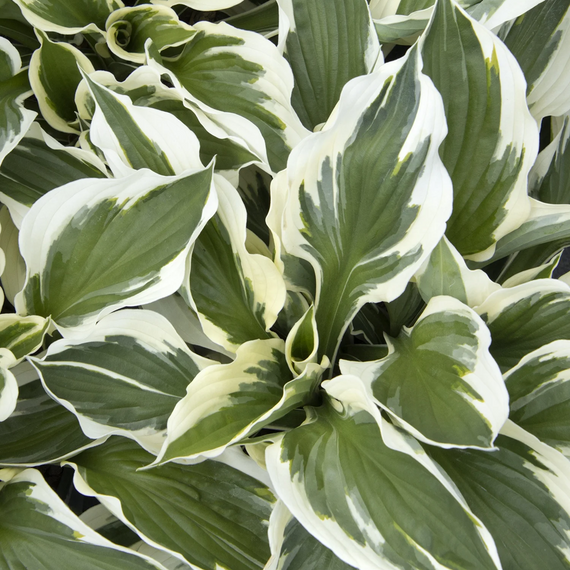
- One of the showiest hostas available with wide, lightly cupped, satiny green leaves surrounded by bold, bright creamy-white margins for outstanding contrast
- Sun-tolerant selection forming a dense clump 12 to 18 inches tall and 24 to 36 inches wide with thick foliage that naturally resists slug damage
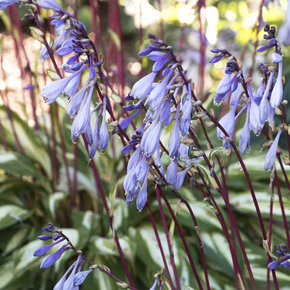
- Large dark lavender funnel-shaped flowers on tall stems attract hummingbirds in summer above the dramatic, variegated foliage display
- Hardy across USDA Zones 3 through 8, an exuberant shade garden performer that brings vivid color even to the darkest garden corners
Minuteman Hosta (Hosta x 'Minuteman') is among the showiest and most visually striking of all hostas, producing attractive, wide, lightly cupped, satiny green leaves surrounded by bold creamy-white margins that create an exceptional, high-contrast variegation display in the shade garden. Forming dense clumps 12 to 18 inches tall and 24 to 36 inches wide, this sun-tolerant selection excels at adding exuberant color to shaded gardens, and its thick, heavy foliage naturally resists the slug damage that plagues thinner-leafed hosta varieties. In summer, large dark lavender funnel-shaped flowers rise on tall stems above the foliage, attracting hummingbirds and adding additional ornamental value to an already dramatic plant. Hardy across USDA Zones 3 through 8, Minuteman Hosta is a dependable and showy shade perennial that reliably brings dramatic variegated foliage interest to borders, containers, and challenging shaded garden settings season after season.
Plant Details
| Attribute | Details |
|---|---|
| Botanical Name | Hosta x 'Minuteman' |
| Plant Type | Herbaceous Perennial |
| Flower Color | Dark lavender |
| Foliage Color | Variegated (green center with creamy white margins) |
| Bloom Time | Summer |
| Growth Rate | Moderate |
| Mature Size | 12-18 in. tall, 24-36 in. wide |
| USDA Zones | 3 - 8 |
| Light | Filtered sun, Partial shade |
| Water | Keep soil consistently moist but not soggy |
| Special Features | Attracts Hummingbirds, Dramatic Foliage Color, Easy Care |
| Landscape Use | Border, Container, Shade Garden, Mass Planting |
| Slug Resistance | Good (thick foliage) |
The Variegated Foliage Display
Minuteman Hosta is classified as one of the showiest of all hostas specifically because of the quality and distinctiveness of its variegation. The leaves display a deep, satiny green center with wide, distinctly defined creamy-white to ivory margins that create a crisp, high-contrast pattern around each leaf. The margins are particularly wide and bright compared to many other green-and-white hostas, creating a bold, decorative presence in the garden rather than a subtle, understated one. The lightly cupped leaf shape also catches and holds morning dew and rain in a way that adds additional visual interest and garden charm to an already dramatic foliage plant.
Size and Growth Habit
Minuteman Hosta forms a dense, well-proportioned clump of 12 to 18 inches in height and 24 to 36 inches in width, making it a mid-sized hosta that fits comfortably in a wide range of landscape situations from small borders to large mass plantings. The thick, heavy foliage mound holds its shape well throughout the growing season without flopping or spreading excessively. Its natural resistance to slug damage — a result of the thick leaf texture — makes it a particularly practical choice for moist, shaded garden environments where slugs are frequently a problem with thinner-leaved hostas.
Sun Tolerance
Minuteman Hosta is described as a sun-tolerant selection, making it more adaptable to brighter light conditions than many other hostas. While it still prefers filtered sun to partial shade for the most attractive foliage and comfortable growing conditions, it can handle more direct sunlight than typical hostas without suffering the degree of leaf scorch and color fading that affects more shade-sensitive varieties. This sun tolerance makes it especially useful in gardens that receive more light than is ideal for hostas, or in situations where tree canopy has been removed or has not yet matured to provide adequate shade.
Watering
Keep the soil consistently moist but not waterlogged for best results. Minuteman Hosta thrives in evenly moist, well-drained soil throughout the growing season. Water deeply during dry periods to prevent drought stress, which can cause leaf tip browning and early foliage decline. Maintaining a 2 to 3 inch layer of organic mulch over the root zone significantly helps retain consistent soil moisture, moderate summer soil temperature, and reduce the frequency of supplemental watering needed. Reduce watering in fall as the plant naturally enters dormancy and the foliage begins to die back.
Soil Requirements
Minuteman Hosta prefers slightly acidic, evenly moist, well-drained, humusy soil enriched with organic matter. Incorporate compost generously into planting beds to improve moisture retention and create the rich, woodland-garden conditions this plant naturally thrives in. Avoid harsh alkaline conditions and compacted, poorly draining soils. Heavy mulching of the root zone with 2 to 3 inches of organic material creates the ideal soil environment and significantly reduces slug habitat by keeping the soil surface drier and less hospitable to these pests.
Care and Maintenance
- Spring cleanup: Remove old, faded foliage before new leaves emerge in early spring; the new growth emerges quickly and dramatically from the cleaned crown.
- Mulching: Apply 2-3 inches of organic mulch annually to retain moisture, moderate temperature, and suppress weed growth.
- Fertilizing: Apply a balanced, slow-release granular fertilizer in early spring as new growth emerges.
- Slug control: Despite the thick foliage's natural resistance, monitor for slug activity in wet conditions and treat if needed with iron phosphate slug bait.
- Division: Divide overgrown clumps every 4 to 5 years in spring or fall to maintain vigor and create new plants.
- Deer pressure: Hostas are highly palatable to deer; use protective fencing or repellent sprays in landscapes with significant deer activity.
Landscape Uses
Minuteman Hosta is particularly valuable for adding exuberant, high-contrast color to shaded garden borders and woodland settings where the variegated foliage brightens dark areas dramatically. It is ideal for massing in drifts beneath shade trees, for filling foundation beds under windows in shaded locations, and for planting in side yards and narrow spaces that receive limited direct sun. In containers, the bold variegated foliage creates a standout specimen on shaded porches and patios. Its thick foliage texture and strong slug resistance make it a more dependable performer than thinner-leaved hostas in the typical moist, shaded garden environments where slugs thrive.
Companion Plants
| Plant | Why It Works |
|---|---|
| Coral Bells (Heuchera) | Colorful foliage in burgundy, caramel, or lime provides vivid warm-toned contrast beside the green-and-white hosta |
| Lungwort (Pulmonaria) | Silver-spotted foliage and early spring flowers complement the bold hosta variegation and extend spring interest |
| Columbine (Aquilegia) | Delicate spring flowers and fine-textured foliage create a light, airy counterpoint to the bold hosta mound |
| Ligularia (Ligularia) | Bold, dark-leaved moisture-loving perennial provides strong textural contrast alongside the variegated hosta |
| Bleeding Heart (Dicentra) | Arching, fernlike foliage and delicate flowers provide early-season grace and complement the hosta's emerging leaves |
USDA Hardiness Zones
Minuteman Hosta is rated for USDA Zones 3 through 8, demonstrating exceptional cold hardiness that makes it one of the most adaptable hostas for gardeners in northern climates. In Zone 3, it reliably survives winter lows as cold as -40 degrees Fahrenheit before re-emerging vigorously in spring. Its upper limit of Zone 8 reflects some sensitivity to the prolonged summer heat of warm climates, where consistent moisture and shade are even more critical to maintaining plant health and the attractive foliage quality for which this variety is renowned.
History and Background
Hosta 'Minuteman' is a sport — a naturally occurring genetic mutation — of the extremely popular hosta variety 'Francee,' from which it was selected for its wider leaf margins and significantly brighter, more defined variegation. It was discovered at Mobjack Nurseries in Virginia and named and registered in the early 1990s by John Machen. The name "Minuteman" pays homage to its Virginia origins and the Revolutionary War heritage of the region where it was found. The genus Hosta contains over 40 species, most native to China and Japan, with H. plantaginea (introduced to Europe in 1780) serving as the ancestor from which most modern hybrids ultimately descend. The staggering diversity of available hosta hybrids today — the result of decades of intensive breeding and selection — reflects the extraordinary ornamental versatility of this beloved shade garden genus.
- One of the showiest hostas available with wide, lightly cupped, satiny green leaves surrounded by bold, bright creamy-white margins for outstanding contrast
- Sun-tolerant selection forming a dense clump 12 to 18 inches tall and 24 to 36 inches wide with thick foliage that naturally resists slug damage
- Large dark lavender funnel-shaped flowers on tall stems attract hummingbirds in summer above the dramatic, variegated foliage display
- Hardy across USDA Zones 3 through 8, an exuberant shade garden performer that brings vivid color even to the darkest garden corners
Minuteman Hosta (Hosta x 'Minuteman') is among the showiest and most visually striking of all hostas, producing attractive, wide, lightly cupped, satiny green leaves surrounded by bold creamy-white margins that create an exceptional, high-contrast variegation display in the shade garden. Forming dense clumps 12 to 18 inches tall and 24 to 36 inches wide, this sun-tolerant selection excels at adding exuberant color to shaded gardens, and its thick, heavy foliage naturally resists the slug damage that plagues thinner-leafed hosta varieties. In summer, large dark lavender funnel-shaped flowers rise on tall stems above the foliage, attracting hummingbirds and adding additional ornamental value to an already dramatic plant. Hardy across USDA Zones 3 through 8, Minuteman Hosta is a dependable and showy shade perennial that reliably brings dramatic variegated foliage interest to borders, containers, and challenging shaded garden settings season after season.
Plant Details
| Attribute | Details |
|---|---|
| Botanical Name | Hosta x 'Minuteman' |
| Plant Type | Herbaceous Perennial |
| Flower Color | Dark lavender |
| Foliage Color | Variegated (green center with creamy white margins) |
| Bloom Time | Summer |
| Growth Rate | Moderate |
| Mature Size | 12-18 in. tall, 24-36 in. wide |
| USDA Zones | 3 - 8 |
| Light | Filtered sun, Partial shade |
| Water | Keep soil consistently moist but not soggy |
| Special Features | Attracts Hummingbirds, Dramatic Foliage Color, Easy Care |
| Landscape Use | Border, Container, Shade Garden, Mass Planting |
| Slug Resistance | Good (thick foliage) |
The Variegated Foliage Display
Minuteman Hosta is classified as one of the showiest of all hostas specifically because of the quality and distinctiveness of its variegation. The leaves display a deep, satiny green center with wide, distinctly defined creamy-white to ivory margins that create a crisp, high-contrast pattern around each leaf. The margins are particularly wide and bright compared to many other green-and-white hostas, creating a bold, decorative presence in the garden rather than a subtle, understated one. The lightly cupped leaf shape also catches and holds morning dew and rain in a way that adds additional visual interest and garden charm to an already dramatic foliage plant.
Size and Growth Habit
Minuteman Hosta forms a dense, well-proportioned clump of 12 to 18 inches in height and 24 to 36 inches in width, making it a mid-sized hosta that fits comfortably in a wide range of landscape situations from small borders to large mass plantings. The thick, heavy foliage mound holds its shape well throughout the growing season without flopping or spreading excessively. Its natural resistance to slug damage — a result of the thick leaf texture — makes it a particularly practical choice for moist, shaded garden environments where slugs are frequently a problem with thinner-leaved hostas.
Sun Tolerance
Minuteman Hosta is described as a sun-tolerant selection, making it more adaptable to brighter light conditions than many other hostas. While it still prefers filtered sun to partial shade for the most attractive foliage and comfortable growing conditions, it can handle more direct sunlight than typical hostas without suffering the degree of leaf scorch and color fading that affects more shade-sensitive varieties. This sun tolerance makes it especially useful in gardens that receive more light than is ideal for hostas, or in situations where tree canopy has been removed or has not yet matured to provide adequate shade.
Watering
Keep the soil consistently moist but not waterlogged for best results. Minuteman Hosta thrives in evenly moist, well-drained soil throughout the growing season. Water deeply during dry periods to prevent drought stress, which can cause leaf tip browning and early foliage decline. Maintaining a 2 to 3 inch layer of organic mulch over the root zone significantly helps retain consistent soil moisture, moderate summer soil temperature, and reduce the frequency of supplemental watering needed. Reduce watering in fall as the plant naturally enters dormancy and the foliage begins to die back.
Soil Requirements
Minuteman Hosta prefers slightly acidic, evenly moist, well-drained, humusy soil enriched with organic matter. Incorporate compost generously into planting beds to improve moisture retention and create the rich, woodland-garden conditions this plant naturally thrives in. Avoid harsh alkaline conditions and compacted, poorly draining soils. Heavy mulching of the root zone with 2 to 3 inches of organic material creates the ideal soil environment and significantly reduces slug habitat by keeping the soil surface drier and less hospitable to these pests.
Care and Maintenance
- Spring cleanup: Remove old, faded foliage before new leaves emerge in early spring; the new growth emerges quickly and dramatically from the cleaned crown.
- Mulching: Apply 2-3 inches of organic mulch annually to retain moisture, moderate temperature, and suppress weed growth.
- Fertilizing: Apply a balanced, slow-release granular fertilizer in early spring as new growth emerges.
- Slug control: Despite the thick foliage's natural resistance, monitor for slug activity in wet conditions and treat if needed with iron phosphate slug bait.
- Division: Divide overgrown clumps every 4 to 5 years in spring or fall to maintain vigor and create new plants.
- Deer pressure: Hostas are highly palatable to deer; use protective fencing or repellent sprays in landscapes with significant deer activity.
Landscape Uses
Minuteman Hosta is particularly valuable for adding exuberant, high-contrast color to shaded garden borders and woodland settings where the variegated foliage brightens dark areas dramatically. It is ideal for massing in drifts beneath shade trees, for filling foundation beds under windows in shaded locations, and for planting in side yards and narrow spaces that receive limited direct sun. In containers, the bold variegated foliage creates a standout specimen on shaded porches and patios. Its thick foliage texture and strong slug resistance make it a more dependable performer than thinner-leaved hostas in the typical moist, shaded garden environments where slugs thrive.
Companion Plants
| Plant | Why It Works |
|---|---|
| Coral Bells (Heuchera) | Colorful foliage in burgundy, caramel, or lime provides vivid warm-toned contrast beside the green-and-white hosta |
| Lungwort (Pulmonaria) | Silver-spotted foliage and early spring flowers complement the bold hosta variegation and extend spring interest |
| Columbine (Aquilegia) | Delicate spring flowers and fine-textured foliage create a light, airy counterpoint to the bold hosta mound |
| Ligularia (Ligularia) | Bold, dark-leaved moisture-loving perennial provides strong textural contrast alongside the variegated hosta |
| Bleeding Heart (Dicentra) | Arching, fernlike foliage and delicate flowers provide early-season grace and complement the hosta's emerging leaves |
USDA Hardiness Zones
Minuteman Hosta is rated for USDA Zones 3 through 8, demonstrating exceptional cold hardiness that makes it one of the most adaptable hostas for gardeners in northern climates. In Zone 3, it reliably survives winter lows as cold as -40 degrees Fahrenheit before re-emerging vigorously in spring. Its upper limit of Zone 8 reflects some sensitivity to the prolonged summer heat of warm climates, where consistent moisture and shade are even more critical to maintaining plant health and the attractive foliage quality for which this variety is renowned.
History and Background
Hosta 'Minuteman' is a sport — a naturally occurring genetic mutation — of the extremely popular hosta variety 'Francee,' from which it was selected for its wider leaf margins and significantly brighter, more defined variegation. It was discovered at Mobjack Nurseries in Virginia and named and registered in the early 1990s by John Machen. The name "Minuteman" pays homage to its Virginia origins and the Revolutionary War heritage of the region where it was found. The genus Hosta contains over 40 species, most native to China and Japan, with H. plantaginea (introduced to Europe in 1780) serving as the ancestor from which most modern hybrids ultimately descend. The staggering diversity of available hosta hybrids today — the result of decades of intensive breeding and selection — reflects the extraordinary ornamental versatility of this beloved shade garden genus.
Related Products