Zoom the image with the mouse
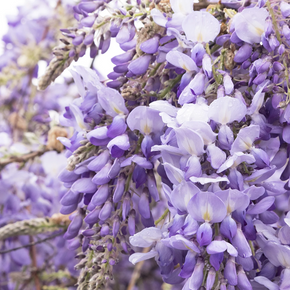
Kaptain Fuji Silky Wisteria - 2 Gallon
SKU:
2096215
UPC:
014949493236
$49.99
- Profuse, highly fragrant white racemes in late spring create a stunning seasonal display.
- Vigorous twining vine reaches 10–25 ft., ideal for arbors, pergolas, and large trellises.
- Reliable performer as it ages; develops attractive, velvety seedpods after bloom.
- Easy-care once established: thrives in full sun with well‑drained, slightly acidic soil.
Kaptain Fuji Silky Wisteria (Wisteria brachybotrys ‘Shiro Kapitan Fuji’) is a deciduous climber celebrated for its long, pendant clusters of intensely fragrant, snow‑white flowers that appear in late spring. With a moderate growth rate and twining woody stems to 10–25 feet, it’s perfect for training over sturdy arbors, pergolas, and espaliers near windows or porches where the perfume can be enjoyed. Plant in full sun and enriched, well‑drained soil; consistent deep watering during establishment and thoughtful pruning will reward you with increasingly abundant bloom year after year.
Botanical Name
Wisteria brachybotrys ‘Shiro Kapitan Fuji’ (Silky Wisteria); deciduous, twining vine.
Plant Highlights
- Long, showy racemes of highly fragrant white flowers in late spring.
- Attracts pollinators; develops ornamental seedpods after flowering.
- Excellent for trellis, arbor, pergola, or espalier near living spaces.
- Becomes more floriferous with age; moderate growth habit.
Size & Growth
Twining woody stems reach approximately 10–25 ft. long; moderate growth rate with a vigorous climbing habit.
Light & Water
- Light: Full sun for best flowering.
- Water: Keep soil evenly moist during establishment (water when the top 2 in. are dry); reduce frequency once established.
Bloom & Fragrance
- Bloom Time: Spring.
- Flower: Highly fragrant, white, pea‑like flowers on long racemes; followed by velvety seedpods.
Hardiness & Climate
USDA Zones 5–8; site in a warm, sunny exposure for the most abundant blooms.
Soil & Planting
- Thrives in enriched, slightly acidic, well‑drained soil.
- Amend planting area to improve drainage; mulch to conserve moisture.
Support & Training
Provide a sturdy trellis, arbor, or pergola capable of supporting a mature vine. Train primary leaders and tie in new shoots to create a strong framework.
Pruning & Maintenance
- Trim lightly after flowering to encourage repeat bloom.
- Prune in late winter to shape, control size, and maintain structure.
- Feed in early spring; water deeply during the first season to establish extensive roots.
Landscape Uses
- Arbors, pergolas, and large trellises for dramatic, fragrant displays.
- Espalier near porches or windows to enjoy fragrance up close.
- Statement climber for cottage, courtyard, and entry gardens.
- Profuse, highly fragrant white racemes in late spring create a stunning seasonal display.
- Vigorous twining vine reaches 10–25 ft., ideal for arbors, pergolas, and large trellises.
- Reliable performer as it ages; develops attractive, velvety seedpods after bloom.
- Easy-care once established: thrives in full sun with well‑drained, slightly acidic soil.
Kaptain Fuji Silky Wisteria (Wisteria brachybotrys ‘Shiro Kapitan Fuji’) is a deciduous climber celebrated for its long, pendant clusters of intensely fragrant, snow‑white flowers that appear in late spring. With a moderate growth rate and twining woody stems to 10–25 feet, it’s perfect for training over sturdy arbors, pergolas, and espaliers near windows or porches where the perfume can be enjoyed. Plant in full sun and enriched, well‑drained soil; consistent deep watering during establishment and thoughtful pruning will reward you with increasingly abundant bloom year after year.
Botanical Name
Wisteria brachybotrys ‘Shiro Kapitan Fuji’ (Silky Wisteria); deciduous, twining vine.
Plant Highlights
- Long, showy racemes of highly fragrant white flowers in late spring.
- Attracts pollinators; develops ornamental seedpods after flowering.
- Excellent for trellis, arbor, pergola, or espalier near living spaces.
- Becomes more floriferous with age; moderate growth habit.
Size & Growth
Twining woody stems reach approximately 10–25 ft. long; moderate growth rate with a vigorous climbing habit.
Light & Water
- Light: Full sun for best flowering.
- Water: Keep soil evenly moist during establishment (water when the top 2 in. are dry); reduce frequency once established.
Bloom & Fragrance
- Bloom Time: Spring.
- Flower: Highly fragrant, white, pea‑like flowers on long racemes; followed by velvety seedpods.
Hardiness & Climate
USDA Zones 5–8; site in a warm, sunny exposure for the most abundant blooms.
Soil & Planting
- Thrives in enriched, slightly acidic, well‑drained soil.
- Amend planting area to improve drainage; mulch to conserve moisture.
Support & Training
Provide a sturdy trellis, arbor, or pergola capable of supporting a mature vine. Train primary leaders and tie in new shoots to create a strong framework.
Pruning & Maintenance
- Trim lightly after flowering to encourage repeat bloom.
- Prune in late winter to shape, control size, and maintain structure.
- Feed in early spring; water deeply during the first season to establish extensive roots.
Landscape Uses
- Arbors, pergolas, and large trellises for dramatic, fragrant displays.
- Espalier near porches or windows to enjoy fragrance up close.
- Statement climber for cottage, courtyard, and entry gardens.
Related Products