

Zoom the image with the mouse
Kanga Burgundy Kangaroo Paw - 1 Gallon
SKU:
2165290
UPC:
014949044520
$13.99
- Exotic, velvety deep burgundy tubular flowers bloom on well-branched stems from spring through fall, making a bold statement in the garden and serving as striking, long-lasting cut flowers.
- A compact, evergreen Australian native perennial that forms a tidy clump of bright green, sword-like foliage — drought tolerant once established and highly resistant to deer, rabbits, heat, and verticillium wilt.
- Irresistible to hummingbirds, the uniquely fuzzy, kangaroo-paw-shaped blossoms deliver season-long wildlife value while adding exotic texture to borders, beds, and container arrangements.
- Low-maintenance and versatile, this patent-protected Kanga Series selection thrives in full sun with minimal water, making it an outstanding choice for water-wise landscapes, Mediterranean-style gardens, and patio containers.
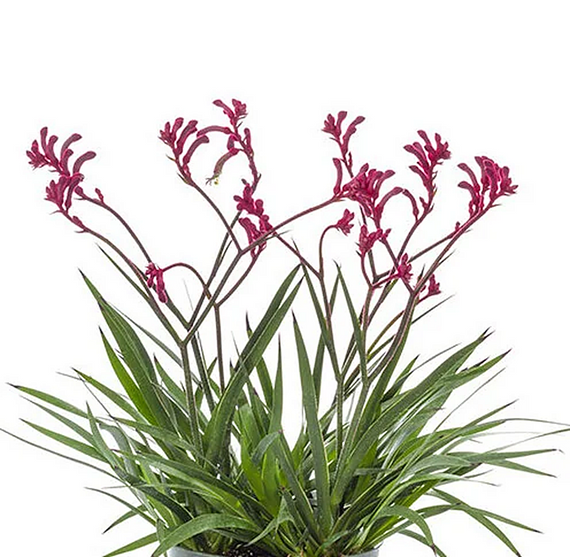
Anigozanthos Kanga Burgundy (Anigozanthos 'Rambueleg' PP#18,209) is a showstopping, compact evergreen perennial from Australia's Kanga Series that brings deep, velvety burgundy drama to sunny Southern Oregon and Northern California gardens from spring all the way through fall. Growing to a tidy 14-20 inches tall in foliage with well-branched flower stems rising to about 2 feet, this manageable clumping perennial features upright, bright green, sword-like leaves that form an attractive grassy mound as the backdrop for its unforgettable blooms — clusters of fuzzy, tubular, deep magenta-to-burgundy flowers that mimic the silhouette of a kangaroo's paw. The rich flower color intensifies in cooler temperatures, ensuring a spectacular seasonal display. Beyond its eye-catching appearance, Kanga Burgundy is tough, drought-tolerant once established, and notably resistant to heat, verticillium wilt, deer, and rabbits. Its hummingbird-attracting blooms make it as ecologically valuable as it is beautiful. An outstanding performer in well-drained borders, xeriscape designs, Mediterranean-style plantings, and decorative containers, this patent-protected variety is a must-have for gardeners seeking low-maintenance, water-wise color with year-round evergreen appeal.
Plant Description
Kanga Burgundy Kangaroo Paw is a compact, clumping, broadleaf evergreen perennial native to Western Australia. It belongs to the family Haemodoraceae and is part of the trademarked Kanga Series, bred specifically for improved garden performance, compact habit, and long bloom duration. The plant produces an upright mound of narrow, strap-like, bright green leaves roughly 10-12 inches long, from which slender, fuzzy flowering stalks emerge and rise to approximately 2 feet. The flowers themselves are the hallmark feature: tubular, densely covered in soft velvety hairs, and deeply lobed at the tips in a shape that closely resembles the paw of a kangaroo. The color is a rich, saturated deep magenta to burgundy that can intensify with cooler seasonal temperatures. This variety is an interspecific hybrid protected under U.S. Plant Patent #18,209.
Mature Size
| Measurement | Dimension |
|---|---|
| Foliage Height | 14-16 inches |
| Flower Stem Height | Up to 20-24 inches |
| Spread / Width | 16-20 inches |
| Growth Rate | Medium |
| Plant Habit | Upright, clumping |
Hardiness and Climate Zones
Kanga Burgundy Kangaroo Paw is best suited to mild, frost-light climates. It is reliably hardy to approximately 28 degrees F and performs best where winters are mild. Below are its applicable climate zone designations:
- USDA Hardiness Zones: 9b-12 (some sources indicate as low as 8b in sheltered locations)
- Sunset Climate Zones: 15, 16, 17, 18, 19, 20, 21, 22, 23, 24
- Well suited to the mild, dry summers and moderate winters of Southern Oregon and Northern California coastal and valley regions
- In borderline zones, plant in a sheltered, south-facing location and protect the root zone with a layer of dry mulch during cold snaps
- Container-grown plants should be moved to a protected location if temperatures are expected to drop below 28 degrees F
Sunlight Requirements
Kanga Burgundy thrives in full sun and requires a minimum of 6 to 8 hours of direct sunlight per day for best flowering performance. While the plant can tolerate partial sun (4-6 hours), reduced light will result in fewer flowers, weaker stems, and a less compact growth habit. In the hottest inland climates of Northern California, light afternoon shade can be tolerated during peak summer, but consistent morning sun is essential. Avoid planting in dense or prolonged shade, as this significantly compromises bloom production and invites fungal issues.
Soil and pH Preferences
- Soil Type: Prefers light, sandy loam or gritty, fast-draining soil; will also grow in heavier soils provided drainage is excellent
- Drainage: Well-drained soil is absolutely essential — this plant will not tolerate standing water or consistently soggy roots, which can lead to rapid decline
- Soil pH: Slightly acidic to neutral — ideally pH 6.0 to 6.5
- Amendments: Work coarse sand or fine pumice into heavy clay soils before planting to improve drainage and airflow around the roots
- What to Avoid: High-phosphorus composts, manures, and standard lawn fertilizers — these can damage the sensitive native root system; also avoid phosphorus-rich potting mixes
- Top-dress in-ground plantings annually with a lean, sandy native mix to maintain open soil structure
Watering Guide
Once established (typically after the first full growing season), Kanga Burgundy is considered drought tolerant and requires only low to moderate supplemental watering. Follow these guidelines for best results:
- Newly Planted: Water regularly to keep the root zone consistently moist (not soggy) for the first 4-8 weeks while the plant establishes
- Established Plants: Water deeply but infrequently — allow the top few inches of soil to dry out between waterings; a deep soak-and-dry rhythm is ideal
- Active Bloom Season (Spring-Fall): Moderate, consistent moisture supports the longest and most abundant flowering; do not let the plant drought-stress entirely during peak bloom
- Winter: Reduce watering significantly; keep soil barely moist during cooler, dormant months
- Overhead Watering: Avoid wetting foliage whenever possible, as moisture on leaves promotes ink spot fungal disease; drip irrigation or ground-level watering is preferred
- Containers: Potted plants dry out faster than in-ground plantings and will need more frequent monitoring; always check drainage holes are clear
Fertilizing
Kangaroo Paw is a moderate feeder with specific nutritional needs that differ from standard garden ornamentals. Because it is a native Australian plant, its roots are sensitive to high phosphorus levels, which can cause root damage and reduce plant vigor. Follow these guidelines:
- Fertilizer Type: Use a low-phosphorus, potassium-forward fertilizer formulated for native or Australian plants; avoid standard all-purpose or lawn fertilizers high in phosphorus
- Frequency: Apply once every 4 weeks during the active growing and flowering season (spring through early fall)
- Container Plants: Feed at half strength every 2-3 weeks, as nutrients leach faster from potted growing media
- After Flowering: Once spent flower stalks are cut back, apply a light recovery feeding to recharge the underground rhizomes for the next bloom cycle
- Winter: Pause fertilizing entirely during the dormant cool season
- Application Tips: Always water the plant thoroughly before fertilizing, apply to moist soil, and follow up with a light watering to move nutrients down to the rhizome zone
Pruning and Maintenance
Kanga Burgundy is a low-maintenance perennial, but some seasonal tidying will keep it looking its best and encourage robust re-blooming.
- Spent Flower Stems: Cut individual flower stalks all the way to the base of the plant as blooms fade; removing spent spikes promptly encourages the production of new flowering stems and prolongs the overall bloom season
- Foliage Cleanup: In early spring, before new growth resumes, remove any brown, tattered, or dead leaves from the base of the clump to tidy the plant and improve airflow
- Hard Cut-Back: If the plant becomes congested or if ink spot disease has affected the foliage, cut the entire plant back to just a few inches above the crown in late winter or very early spring; it will flush with fresh, vigorous new growth
- Division: Divide congested clumps every 2-3 years in early spring to rejuvenate the plant, reduce disease pressure, and increase bloom production; replant vigorous sections into freshly prepared, well-draining soil
- Tool Hygiene: Sanitize pruning tools between cuts and between plants to avoid spreading any fungal pathogens
Planting Instructions
- Timing: Plant in spring or early fall when temperatures are mild; avoid planting during the peak heat of summer or during freezing weather
- Site Selection: Choose a location with full sun (6-8+ hours daily) and excellent drainage; avoid low spots where water collects
- Soil Prep: Loosen soil to at least 12 inches deep; incorporate coarse sand or fine gravel if soil is heavy clay; do not add high-phosphorus fertilizers or rich composts at planting time
- Planting Hole: Dig a hole twice as wide as the root ball but no deeper; the crown of the plant should sit at or just slightly above the surrounding soil level to promote drainage away from the crown
- Backfill: Use the native soil (amended if needed) to backfill around the root ball; firm gently to eliminate air pockets
- Watering In: Water thoroughly after planting to settle the soil around the roots
- Mulching: Apply a 2-3 inch layer of coarse mulch around (but not touching) the crown to retain moisture and regulate soil temperature; avoid fine, moisture-retaining mulches that could promote crown rot
- Spacing: Space plants 18-24 inches apart in mass plantings to allow for good airflow and eventual spread
Seasonal Interest
| Season | What to Expect |
|---|---|
| Spring | Primary and most vigorous bloom flush; well-branched stems covered with deep burgundy velvety flowers emerge above the foliage; one of the longest and most showy flowering periods |
| Summer | Continued blooming with regular deadheading; evergreen foliage remains attractive and green; hummingbird activity peaks |
| Fall | Second bloom flush; flower colors may intensify with cooler temperatures; spent stalks should be removed to encourage re-bloom |
| Winter | Plant enters a semi-dormant rest period; evergreen foliage remains; reduced watering and no fertilizing; ideal time for cleanup and division if needed |
Landscape Uses
- Garden Borders and Beds: A standout addition to mixed perennial borders; the upright, coarse texture contrasts beautifully with fine-textured or mounding companion plants
- Mass Planting: Plant in groups of three, five, or more for a bold, cohesive sweep of burgundy color across a large bed or slope
- Container and Patio Planting: An excellent "thriller" plant for large mixed containers; place at the center or back of a pot surrounded by trailing or mounding companions
- Water-Wise and Xeriscape Gardens: Drought tolerance once established makes it an ideal choice for low-water landscapes and xeriscape designs
- Mediterranean and Coastal Gardens: Perfectly suited to the warm, dry, sun-drenched conditions of Mediterranean-style and coastal California and Southern Oregon gardens
- Cut Flower Garden: The long-lasting, velvety flower spikes are exceptional fresh-cut flowers and can also be dried for floral arrangements
- Rock and Gravel Gardens: Thrives in the sharply draining conditions of rock gardens and decomposed granite settings
- Pollinator and Wildlife Gardens: A top performer in hummingbird gardens and bird-friendly landscapes
Companion Plants
Kanga Burgundy pairs beautifully with other sun-loving, drought-tolerant plants that share its preference for well-drained soil. Avoid pairing with water-loving plants that may create overly moist conditions around the roots. Excellent companion choices include:
- Grevillea: Shares drought tolerance and full-sun needs; nectar-rich flowers attract the same birds; contrasting shrubby form complements the upright kangaroo paw
- Callistemon (Bottlebrush): Drought-tolerant Australian native with similarly bold flower color; provides structural contrast and shared wildlife value
- Salvia: Sun-loving and drought-tolerant; available in colors that complement deep burgundy; adds vertical and mid-layer interest
- Agastache (Hummingbird Mint): Shares the hummingbird-attracting quality; upright habit and soft lavender to orange tones contrast the deep burgundy elegantly
- Blue Chalk Sticks (Senecio mandraliscae): The powder-blue succulent foliage creates a striking color contrast against the rich burgundy blooms
- Blue Fescue (Festuca glauca): A fine-textured ornamental grass whose silver-blue foliage provides an ideal textural counterpoint to the bold kangaroo paw
- California Poppy (Eschscholzia californica): A California native that thrives in similar dry, sunny conditions; bright orange flowers create a vivid complementary color pairing
- Compact Succulents (Sedum, Agave, Echeveria): Low-growing succulents serve as ideal underplantings, adding texture without competing for water
Pests and Diseases
Kanga Burgundy is notably resistant to many common garden pests and diseases, including verticillium wilt. However, a few issues may arise, especially in unfavorable growing conditions:
- Ink Spot Disease (Alternaria alternata): The most common fungal issue for kangaroo paw; presents as dark brown to black blotchy spots that start at leaf tips and progress down the foliage and stems. Most prevalent in humid, cool, or wet conditions or where overhead irrigation wets the foliage. Manage by removing and disposing of all affected plant material, improving airflow around the plant, switching to drip or ground-level irrigation, and avoiding overhead watering entirely. In severe cases, a copper-based fungicide may help slow spread, but heavily infected plants are typically best cut back hard and allowed to re-flush
- Snails and Slugs: Young, tender foliage and emerging flower stalks can attract snail and slug feeding, particularly in moist conditions. Use iron phosphate-based baits or other targeted controls; avoid creating moist mulch conditions around the crown that harbor pests
- Root Rot: Not a pathogen-specific disease so much as a consequence of poor drainage or overwatering; once established in well-draining soil, this plant is highly resistant. If yellow, wilting foliage persists despite adequate watering, check soil drainage and consider amending or relocating the plant
- Aphids and Mealybugs: Occasional, minor pest pressure; a strong blast of water or insecticidal soap spray is usually sufficient for control
- General Prevention: Good airflow, full sun exposure, avoiding overhead watering, and maintaining sharp soil drainage are the most effective preventive measures against all of these issues
Container Growing
Kanga Burgundy is an outstanding container plant and performs exceptionally well in pots on patios, decks, and entryways where its exotic flowers can be enjoyed up close. Follow these tips for success in containers:
- Container Size: Choose a pot at least 14-16 inches in diameter with generous depth to accommodate the rhizomatous root system; larger containers retain moisture more evenly and reduce the frequency of watering
- Drainage: Drainage holes are non-negotiable; ensure holes are clear at all times; consider elevating the pot slightly to promote free drainage
- Potting Mix: Use a lean, fast-draining native or cactus/succulent potting mix; avoid standard potting soils high in peat or phosphorus-rich fertilizers; adding perlite or coarse sand to the mix further improves drainage
- Sunlight: Position containers in a location that receives at least 6-8 hours of direct sun daily
- Watering: Containers dry out faster than garden beds; check soil moisture regularly and water deeply when the top inch or two of soil is dry; never allow the pot to sit in a saucer of standing water
- Fertilizing: Feed at half the normal rate every 2-3 weeks during the growing season with a low-phosphorus liquid fertilizer; containers leach nutrients more quickly than garden soil
- Repotting: Refresh the potting mix and divide the rhizomes every 1-2 years to maintain vigor and flowering performance
- Winter Protection: In borderline cold climates, move containers to a frost-protected location (garage, covered porch) when temperatures threaten to drop below 28 degrees F
Wildlife Value
Kanga Burgundy is a highly valuable plant for supporting local wildlife, making it a popular choice for pollinator gardens and bird-friendly landscapes:
- Hummingbirds: The tubular, nectar-rich flowers are perfectly shaped for hummingbird feeding and are actively sought out by Anna's hummingbirds, Rufous hummingbirds, and other species common to Southern Oregon and Northern California. The long bloom season from spring through fall provides sustained nectar availability throughout the most critical feeding periods
- Bees and Pollinators: The flowers also attract native bees and other beneficial pollinators, contributing to overall garden biodiversity
- Deer Resistant: The fuzzy, textured foliage and stems are unappealing to deer, making this an excellent choice in gardens where deer pressure is a concern
- Rabbit Resistant: Similarly unpalatable to rabbits, offering reliable performance even in gardens where rabbit browsing is a frequent problem
Cut Flower Use
Kanga Burgundy is widely regarded as one of the finest cut flowers among garden perennials, offering both fresh and dried flower potential:
- Fresh Cut Flowers: The tall, well-branched stems with their distinctive velvety burgundy flowers are exceptional in floral arrangements; stems are long-lasting in the vase when cut just as the buds begin to open
- Vase Life: Expect 7-14 days of vase life when cut stems are placed immediately into clean, fresh water; change water every 2-3 days to maximize longevity
- Cutting Tips: Harvest stems in the early morning when temperatures are coolest; use sharp, clean shears and cut at a 45-degree angle; remove any foliage that would sit below the waterline in the vase
- Dried Flowers: The fuzzy, textured flower heads also dry beautifully; hang cut stems upside down in a dry, well-ventilated space for 2-3 weeks for long-lasting dried arrangements
- Garden Benefit: Regular cutting of blooms for the vase serves the dual purpose of deadheading, which encourages the plant to produce additional flower stems throughout the season
- Exotic, velvety deep burgundy tubular flowers bloom on well-branched stems from spring through fall, making a bold statement in the garden and serving as striking, long-lasting cut flowers.
- A compact, evergreen Australian native perennial that forms a tidy clump of bright green, sword-like foliage — drought tolerant once established and highly resistant to deer, rabbits, heat, and verticillium wilt.
- Irresistible to hummingbirds, the uniquely fuzzy, kangaroo-paw-shaped blossoms deliver season-long wildlife value while adding exotic texture to borders, beds, and container arrangements.
- Low-maintenance and versatile, this patent-protected Kanga Series selection thrives in full sun with minimal water, making it an outstanding choice for water-wise landscapes, Mediterranean-style gardens, and patio containers.
Anigozanthos Kanga Burgundy (Anigozanthos 'Rambueleg' PP#18,209) is a showstopping, compact evergreen perennial from Australia's Kanga Series that brings deep, velvety burgundy drama to sunny Southern Oregon and Northern California gardens from spring all the way through fall. Growing to a tidy 14-20 inches tall in foliage with well-branched flower stems rising to about 2 feet, this manageable clumping perennial features upright, bright green, sword-like leaves that form an attractive grassy mound as the backdrop for its unforgettable blooms — clusters of fuzzy, tubular, deep magenta-to-burgundy flowers that mimic the silhouette of a kangaroo's paw. The rich flower color intensifies in cooler temperatures, ensuring a spectacular seasonal display. Beyond its eye-catching appearance, Kanga Burgundy is tough, drought-tolerant once established, and notably resistant to heat, verticillium wilt, deer, and rabbits. Its hummingbird-attracting blooms make it as ecologically valuable as it is beautiful. An outstanding performer in well-drained borders, xeriscape designs, Mediterranean-style plantings, and decorative containers, this patent-protected variety is a must-have for gardeners seeking low-maintenance, water-wise color with year-round evergreen appeal.
Plant Description
Kanga Burgundy Kangaroo Paw is a compact, clumping, broadleaf evergreen perennial native to Western Australia. It belongs to the family Haemodoraceae and is part of the trademarked Kanga Series, bred specifically for improved garden performance, compact habit, and long bloom duration. The plant produces an upright mound of narrow, strap-like, bright green leaves roughly 10-12 inches long, from which slender, fuzzy flowering stalks emerge and rise to approximately 2 feet. The flowers themselves are the hallmark feature: tubular, densely covered in soft velvety hairs, and deeply lobed at the tips in a shape that closely resembles the paw of a kangaroo. The color is a rich, saturated deep magenta to burgundy that can intensify with cooler seasonal temperatures. This variety is an interspecific hybrid protected under U.S. Plant Patent #18,209.
Mature Size
| Measurement | Dimension |
|---|---|
| Foliage Height | 14-16 inches |
| Flower Stem Height | Up to 20-24 inches |
| Spread / Width | 16-20 inches |
| Growth Rate | Medium |
| Plant Habit | Upright, clumping |
Hardiness and Climate Zones
Kanga Burgundy Kangaroo Paw is best suited to mild, frost-light climates. It is reliably hardy to approximately 28 degrees F and performs best where winters are mild. Below are its applicable climate zone designations:
- USDA Hardiness Zones: 9b-12 (some sources indicate as low as 8b in sheltered locations)
- Sunset Climate Zones: 15, 16, 17, 18, 19, 20, 21, 22, 23, 24
- Well suited to the mild, dry summers and moderate winters of Southern Oregon and Northern California coastal and valley regions
- In borderline zones, plant in a sheltered, south-facing location and protect the root zone with a layer of dry mulch during cold snaps
- Container-grown plants should be moved to a protected location if temperatures are expected to drop below 28 degrees F
Sunlight Requirements
Kanga Burgundy thrives in full sun and requires a minimum of 6 to 8 hours of direct sunlight per day for best flowering performance. While the plant can tolerate partial sun (4-6 hours), reduced light will result in fewer flowers, weaker stems, and a less compact growth habit. In the hottest inland climates of Northern California, light afternoon shade can be tolerated during peak summer, but consistent morning sun is essential. Avoid planting in dense or prolonged shade, as this significantly compromises bloom production and invites fungal issues.
Soil and pH Preferences
- Soil Type: Prefers light, sandy loam or gritty, fast-draining soil; will also grow in heavier soils provided drainage is excellent
- Drainage: Well-drained soil is absolutely essential — this plant will not tolerate standing water or consistently soggy roots, which can lead to rapid decline
- Soil pH: Slightly acidic to neutral — ideally pH 6.0 to 6.5
- Amendments: Work coarse sand or fine pumice into heavy clay soils before planting to improve drainage and airflow around the roots
- What to Avoid: High-phosphorus composts, manures, and standard lawn fertilizers — these can damage the sensitive native root system; also avoid phosphorus-rich potting mixes
- Top-dress in-ground plantings annually with a lean, sandy native mix to maintain open soil structure
Watering Guide
Once established (typically after the first full growing season), Kanga Burgundy is considered drought tolerant and requires only low to moderate supplemental watering. Follow these guidelines for best results:
- Newly Planted: Water regularly to keep the root zone consistently moist (not soggy) for the first 4-8 weeks while the plant establishes
- Established Plants: Water deeply but infrequently — allow the top few inches of soil to dry out between waterings; a deep soak-and-dry rhythm is ideal
- Active Bloom Season (Spring-Fall): Moderate, consistent moisture supports the longest and most abundant flowering; do not let the plant drought-stress entirely during peak bloom
- Winter: Reduce watering significantly; keep soil barely moist during cooler, dormant months
- Overhead Watering: Avoid wetting foliage whenever possible, as moisture on leaves promotes ink spot fungal disease; drip irrigation or ground-level watering is preferred
- Containers: Potted plants dry out faster than in-ground plantings and will need more frequent monitoring; always check drainage holes are clear
Fertilizing
Kangaroo Paw is a moderate feeder with specific nutritional needs that differ from standard garden ornamentals. Because it is a native Australian plant, its roots are sensitive to high phosphorus levels, which can cause root damage and reduce plant vigor. Follow these guidelines:
- Fertilizer Type: Use a low-phosphorus, potassium-forward fertilizer formulated for native or Australian plants; avoid standard all-purpose or lawn fertilizers high in phosphorus
- Frequency: Apply once every 4 weeks during the active growing and flowering season (spring through early fall)
- Container Plants: Feed at half strength every 2-3 weeks, as nutrients leach faster from potted growing media
- After Flowering: Once spent flower stalks are cut back, apply a light recovery feeding to recharge the underground rhizomes for the next bloom cycle
- Winter: Pause fertilizing entirely during the dormant cool season
- Application Tips: Always water the plant thoroughly before fertilizing, apply to moist soil, and follow up with a light watering to move nutrients down to the rhizome zone
Pruning and Maintenance
Kanga Burgundy is a low-maintenance perennial, but some seasonal tidying will keep it looking its best and encourage robust re-blooming.
- Spent Flower Stems: Cut individual flower stalks all the way to the base of the plant as blooms fade; removing spent spikes promptly encourages the production of new flowering stems and prolongs the overall bloom season
- Foliage Cleanup: In early spring, before new growth resumes, remove any brown, tattered, or dead leaves from the base of the clump to tidy the plant and improve airflow
- Hard Cut-Back: If the plant becomes congested or if ink spot disease has affected the foliage, cut the entire plant back to just a few inches above the crown in late winter or very early spring; it will flush with fresh, vigorous new growth
- Division: Divide congested clumps every 2-3 years in early spring to rejuvenate the plant, reduce disease pressure, and increase bloom production; replant vigorous sections into freshly prepared, well-draining soil
- Tool Hygiene: Sanitize pruning tools between cuts and between plants to avoid spreading any fungal pathogens
Planting Instructions
- Timing: Plant in spring or early fall when temperatures are mild; avoid planting during the peak heat of summer or during freezing weather
- Site Selection: Choose a location with full sun (6-8+ hours daily) and excellent drainage; avoid low spots where water collects
- Soil Prep: Loosen soil to at least 12 inches deep; incorporate coarse sand or fine gravel if soil is heavy clay; do not add high-phosphorus fertilizers or rich composts at planting time
- Planting Hole: Dig a hole twice as wide as the root ball but no deeper; the crown of the plant should sit at or just slightly above the surrounding soil level to promote drainage away from the crown
- Backfill: Use the native soil (amended if needed) to backfill around the root ball; firm gently to eliminate air pockets
- Watering In: Water thoroughly after planting to settle the soil around the roots
- Mulching: Apply a 2-3 inch layer of coarse mulch around (but not touching) the crown to retain moisture and regulate soil temperature; avoid fine, moisture-retaining mulches that could promote crown rot
- Spacing: Space plants 18-24 inches apart in mass plantings to allow for good airflow and eventual spread
Seasonal Interest
| Season | What to Expect |
|---|---|
| Spring | Primary and most vigorous bloom flush; well-branched stems covered with deep burgundy velvety flowers emerge above the foliage; one of the longest and most showy flowering periods |
| Summer | Continued blooming with regular deadheading; evergreen foliage remains attractive and green; hummingbird activity peaks |
| Fall | Second bloom flush; flower colors may intensify with cooler temperatures; spent stalks should be removed to encourage re-bloom |
| Winter | Plant enters a semi-dormant rest period; evergreen foliage remains; reduced watering and no fertilizing; ideal time for cleanup and division if needed |
Landscape Uses
- Garden Borders and Beds: A standout addition to mixed perennial borders; the upright, coarse texture contrasts beautifully with fine-textured or mounding companion plants
- Mass Planting: Plant in groups of three, five, or more for a bold, cohesive sweep of burgundy color across a large bed or slope
- Container and Patio Planting: An excellent "thriller" plant for large mixed containers; place at the center or back of a pot surrounded by trailing or mounding companions
- Water-Wise and Xeriscape Gardens: Drought tolerance once established makes it an ideal choice for low-water landscapes and xeriscape designs
- Mediterranean and Coastal Gardens: Perfectly suited to the warm, dry, sun-drenched conditions of Mediterranean-style and coastal California and Southern Oregon gardens
- Cut Flower Garden: The long-lasting, velvety flower spikes are exceptional fresh-cut flowers and can also be dried for floral arrangements
- Rock and Gravel Gardens: Thrives in the sharply draining conditions of rock gardens and decomposed granite settings
- Pollinator and Wildlife Gardens: A top performer in hummingbird gardens and bird-friendly landscapes
Companion Plants
Kanga Burgundy pairs beautifully with other sun-loving, drought-tolerant plants that share its preference for well-drained soil. Avoid pairing with water-loving plants that may create overly moist conditions around the roots. Excellent companion choices include:
- Grevillea: Shares drought tolerance and full-sun needs; nectar-rich flowers attract the same birds; contrasting shrubby form complements the upright kangaroo paw
- Callistemon (Bottlebrush): Drought-tolerant Australian native with similarly bold flower color; provides structural contrast and shared wildlife value
- Salvia: Sun-loving and drought-tolerant; available in colors that complement deep burgundy; adds vertical and mid-layer interest
- Agastache (Hummingbird Mint): Shares the hummingbird-attracting quality; upright habit and soft lavender to orange tones contrast the deep burgundy elegantly
- Blue Chalk Sticks (Senecio mandraliscae): The powder-blue succulent foliage creates a striking color contrast against the rich burgundy blooms
- Blue Fescue (Festuca glauca): A fine-textured ornamental grass whose silver-blue foliage provides an ideal textural counterpoint to the bold kangaroo paw
- California Poppy (Eschscholzia californica): A California native that thrives in similar dry, sunny conditions; bright orange flowers create a vivid complementary color pairing
- Compact Succulents (Sedum, Agave, Echeveria): Low-growing succulents serve as ideal underplantings, adding texture without competing for water
Pests and Diseases
Kanga Burgundy is notably resistant to many common garden pests and diseases, including verticillium wilt. However, a few issues may arise, especially in unfavorable growing conditions:
- Ink Spot Disease (Alternaria alternata): The most common fungal issue for kangaroo paw; presents as dark brown to black blotchy spots that start at leaf tips and progress down the foliage and stems. Most prevalent in humid, cool, or wet conditions or where overhead irrigation wets the foliage. Manage by removing and disposing of all affected plant material, improving airflow around the plant, switching to drip or ground-level irrigation, and avoiding overhead watering entirely. In severe cases, a copper-based fungicide may help slow spread, but heavily infected plants are typically best cut back hard and allowed to re-flush
- Snails and Slugs: Young, tender foliage and emerging flower stalks can attract snail and slug feeding, particularly in moist conditions. Use iron phosphate-based baits or other targeted controls; avoid creating moist mulch conditions around the crown that harbor pests
- Root Rot: Not a pathogen-specific disease so much as a consequence of poor drainage or overwatering; once established in well-draining soil, this plant is highly resistant. If yellow, wilting foliage persists despite adequate watering, check soil drainage and consider amending or relocating the plant
- Aphids and Mealybugs: Occasional, minor pest pressure; a strong blast of water or insecticidal soap spray is usually sufficient for control
- General Prevention: Good airflow, full sun exposure, avoiding overhead watering, and maintaining sharp soil drainage are the most effective preventive measures against all of these issues
Container Growing
Kanga Burgundy is an outstanding container plant and performs exceptionally well in pots on patios, decks, and entryways where its exotic flowers can be enjoyed up close. Follow these tips for success in containers:
- Container Size: Choose a pot at least 14-16 inches in diameter with generous depth to accommodate the rhizomatous root system; larger containers retain moisture more evenly and reduce the frequency of watering
- Drainage: Drainage holes are non-negotiable; ensure holes are clear at all times; consider elevating the pot slightly to promote free drainage
- Potting Mix: Use a lean, fast-draining native or cactus/succulent potting mix; avoid standard potting soils high in peat or phosphorus-rich fertilizers; adding perlite or coarse sand to the mix further improves drainage
- Sunlight: Position containers in a location that receives at least 6-8 hours of direct sun daily
- Watering: Containers dry out faster than garden beds; check soil moisture regularly and water deeply when the top inch or two of soil is dry; never allow the pot to sit in a saucer of standing water
- Fertilizing: Feed at half the normal rate every 2-3 weeks during the growing season with a low-phosphorus liquid fertilizer; containers leach nutrients more quickly than garden soil
- Repotting: Refresh the potting mix and divide the rhizomes every 1-2 years to maintain vigor and flowering performance
- Winter Protection: In borderline cold climates, move containers to a frost-protected location (garage, covered porch) when temperatures threaten to drop below 28 degrees F
Wildlife Value
Kanga Burgundy is a highly valuable plant for supporting local wildlife, making it a popular choice for pollinator gardens and bird-friendly landscapes:
- Hummingbirds: The tubular, nectar-rich flowers are perfectly shaped for hummingbird feeding and are actively sought out by Anna's hummingbirds, Rufous hummingbirds, and other species common to Southern Oregon and Northern California. The long bloom season from spring through fall provides sustained nectar availability throughout the most critical feeding periods
- Bees and Pollinators: The flowers also attract native bees and other beneficial pollinators, contributing to overall garden biodiversity
- Deer Resistant: The fuzzy, textured foliage and stems are unappealing to deer, making this an excellent choice in gardens where deer pressure is a concern
- Rabbit Resistant: Similarly unpalatable to rabbits, offering reliable performance even in gardens where rabbit browsing is a frequent problem
Cut Flower Use
Kanga Burgundy is widely regarded as one of the finest cut flowers among garden perennials, offering both fresh and dried flower potential:
- Fresh Cut Flowers: The tall, well-branched stems with their distinctive velvety burgundy flowers are exceptional in floral arrangements; stems are long-lasting in the vase when cut just as the buds begin to open
- Vase Life: Expect 7-14 days of vase life when cut stems are placed immediately into clean, fresh water; change water every 2-3 days to maximize longevity
- Cutting Tips: Harvest stems in the early morning when temperatures are coolest; use sharp, clean shears and cut at a 45-degree angle; remove any foliage that would sit below the waterline in the vase
- Dried Flowers: The fuzzy, textured flower heads also dry beautifully; hang cut stems upside down in a dry, well-ventilated space for 2-3 weeks for long-lasting dried arrangements
- Garden Benefit: Regular cutting of blooms for the vase serves the dual purpose of deadheading, which encourages the plant to produce additional flower stems throughout the season