

Zoom the image with the mouse
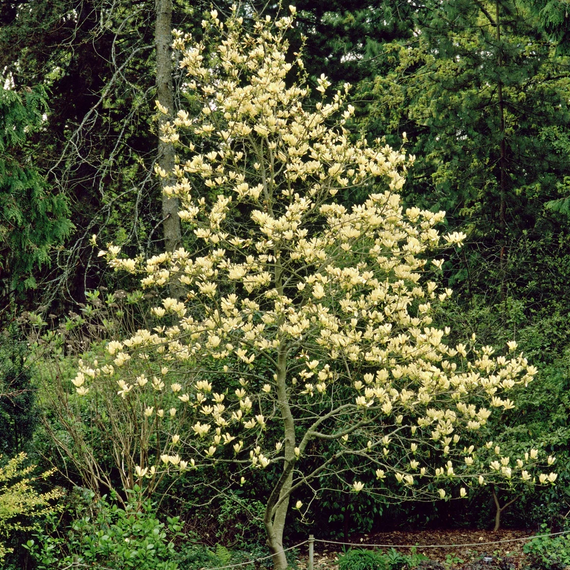
Elizabeth Magnolia - 5 Gallon
SKU:
2094810
UPC:
014949208458
$119.99
- Masses of large, primrose‑yellow, lightly fragrant blooms in spring.
- Upright, pyramidal form with broad, shade‑casting branches and dark green foliage.
- Moderate grower maturing about 25–40 ft. tall and 12–20 ft. wide.
- Easy‑care once established; generally deer and rabbit resistant.
Elizabeth Magnolia (Magnolia × ‘Elizabeth’) is a beloved, yellow‑flowering magnolia that opens elegantly tapered buds into big, primrose‑yellow, fragrant blooms in mid to late spring. After the floral show, a neat, upright pyramidal canopy leafs out in rich green, providing small‑tree shade and four‑season structure. Plant in full sun and deep, enriched, acidic, well‑drained soil; water deeply during establishment, then as needed. This classic hybrid delivers reliable color, refined form, and easy care as a specimen for front yards, patios, or cottage‑style borders.
Plant Description
Deciduous, small ornamental tree with a tidy, upright pyramidal habit and well‑spaced branches. Ideal as a focal point where spring blooms and a graceful silhouette can be appreciated up close.
Flowers
Large, cup‑shaped, primrose‑yellow blossoms open from elegantly tapered buds; flowers are showy and lightly fragrant—excellent for near patios and entries.
Bloom Time
Mid to late spring, typically as new foliage begins to unfurl for maximum seasonal impact.
Foliage
Broad, dark green leaves follow bloom, forming a handsome summer canopy on the neat, upright framework.
Sun Requirements
Full sun; provide a site with good light and, in colder regions, some protection from harsh winter winds.
Watering Needs
Water deeply and regularly during the first few seasons to establish roots; once established, water deeply when soil begins to dry. Avoid prolonged waterlogging.
Soil Requirements
Prefers deep, enriched, acidic, moist, well‑drained soil. Apply a wide mulch to conserve moisture and moderate temperature, keeping mulch a few inches from the trunk.
Growth & Size
Moderate growth, typically reaching about 25–40 ft. tall and 12–20 ft. wide at maturity, scaling well for residential landscapes.
Hardiness
USDA Zones 4–8; cold‑tolerant yet, as with many early magnolias, blooms are best protected from late frosts where possible.
Special Features
Showy, lightly fragrant yellow flowers; generally deer and rabbit resistant; excellent as a cut‑flower accent for spring arrangements.
Landscape Uses
Make a front‑yard specimen, anchor a cottage‑style border, or place near porches and patios to enjoy bloom fragrance and color at eye level.
Care Instructions
Plant at or slightly above grade in well‑drained soil. Water consistently to establish; reduce frequency once rooted. Fertilize before spring growth. Prune only after flowering to remove damaged or crossing wood.
History & Parentage
A landmark yellow magnolia hybridized at Brooklyn Botanic Garden from M. acuminata × M. denudata, renowned for dependable primrose‑yellow bloom and refined habit.
- Masses of large, primrose‑yellow, lightly fragrant blooms in spring.
- Upright, pyramidal form with broad, shade‑casting branches and dark green foliage.
- Moderate grower maturing about 25–40 ft. tall and 12–20 ft. wide.
- Easy‑care once established; generally deer and rabbit resistant.
Elizabeth Magnolia (Magnolia × ‘Elizabeth’) is a beloved, yellow‑flowering magnolia that opens elegantly tapered buds into big, primrose‑yellow, fragrant blooms in mid to late spring. After the floral show, a neat, upright pyramidal canopy leafs out in rich green, providing small‑tree shade and four‑season structure. Plant in full sun and deep, enriched, acidic, well‑drained soil; water deeply during establishment, then as needed. This classic hybrid delivers reliable color, refined form, and easy care as a specimen for front yards, patios, or cottage‑style borders.
Plant Description
Deciduous, small ornamental tree with a tidy, upright pyramidal habit and well‑spaced branches. Ideal as a focal point where spring blooms and a graceful silhouette can be appreciated up close.
Flowers
Large, cup‑shaped, primrose‑yellow blossoms open from elegantly tapered buds; flowers are showy and lightly fragrant—excellent for near patios and entries.
Bloom Time
Mid to late spring, typically as new foliage begins to unfurl for maximum seasonal impact.
Foliage
Broad, dark green leaves follow bloom, forming a handsome summer canopy on the neat, upright framework.
Sun Requirements
Full sun; provide a site with good light and, in colder regions, some protection from harsh winter winds.
Watering Needs
Water deeply and regularly during the first few seasons to establish roots; once established, water deeply when soil begins to dry. Avoid prolonged waterlogging.
Soil Requirements
Prefers deep, enriched, acidic, moist, well‑drained soil. Apply a wide mulch to conserve moisture and moderate temperature, keeping mulch a few inches from the trunk.
Growth & Size
Moderate growth, typically reaching about 25–40 ft. tall and 12–20 ft. wide at maturity, scaling well for residential landscapes.
Hardiness
USDA Zones 4–8; cold‑tolerant yet, as with many early magnolias, blooms are best protected from late frosts where possible.
Special Features
Showy, lightly fragrant yellow flowers; generally deer and rabbit resistant; excellent as a cut‑flower accent for spring arrangements.
Landscape Uses
Make a front‑yard specimen, anchor a cottage‑style border, or place near porches and patios to enjoy bloom fragrance and color at eye level.
Care Instructions
Plant at or slightly above grade in well‑drained soil. Water consistently to establish; reduce frequency once rooted. Fertilize before spring growth. Prune only after flowering to remove damaged or crossing wood.
History & Parentage
A landmark yellow magnolia hybridized at Brooklyn Botanic Garden from M. acuminata × M. denudata, renowned for dependable primrose‑yellow bloom and refined habit.