


Zoom the image with the mouse
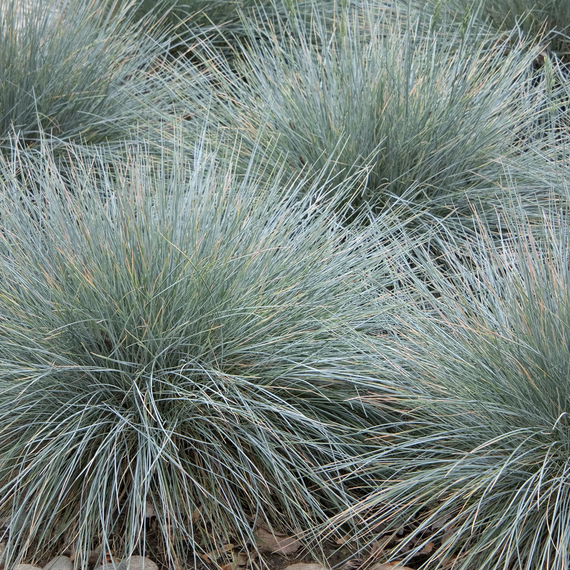
Elijah Blue Fescue - 1 Gallon
SKU:
1931555
UPC:
014949366714
$16.99
- Striking, icy silver‑blue foliage forms tidy clumps that hold color through summer heat.
- Compact, fast-growing mounds reach about 8–12 in. tall and wide—perfect for borders, edging, and massing.
- Waterwise and easy‑care: thrives in well‑drained soils and is drought tolerant once established.
- Deer & rabbit resistant and tolerant of urban conditions, ideal for low‑maintenance landscapes.
Elijah Blue Fescue (Festuca glauca ‘Elijah Blue’) is a compact, semi‑evergreen ornamental grass prized for its dense, mounded tufts of vivid silver‑blue blades. In late summer, buff‑toned flower plumes rise just above the foliage for subtle contrast. Plant in full sun and sharply drained soil; once established, this durable, water‑wise selection shines in borders, rock gardens, containers, and mass plantings across a wide climate range.
Botanical Name
Festuca glauca ‘Elijah Blue’ — commonly called Elijah Blue Fescue.
Plant Type & Habit
Semi‑evergreen, clump‑forming ornamental grass with a fine, porcupine‑like texture and neat, rounded mounds.
Mature Size
Typically 8–12 in. tall × 8–12 in. wide; maintains a tight footprint for patterning and edging.
Hardiness
USDA Zones 4–11.
Light & Exposure
Full sun recommended for best blue color; light shade may soften color, especially in warmer regions.
Soil & Water
Requires well‑drained (even lean, gritty) soil; avoid soggy, poorly drained conditions. Water regularly the first season to establish roots, then reduce—plant is moderately drought tolerant once established.
Foliage & Color
Dense, silver‑blue blades provide strong contrast to greens and warm‑toned plants; color holds even in summer heat.
Flowers & Bloom Season
Late summer plumes age to buff, adding airy movement above the mound without overwhelming its form.
Uses & Landscape Ideas
- Edging along paths and beds for crisp repetition.
- Mass planting/groundcover for a cooling blue carpet.
- Rock and gravel gardens with sharp drainage.
- Containers and modern, low‑water designs.
Companion Ideas
Pairs beautifully with Black‑eyed Susan (Rudbeckia), Bluebeard (Caryopteris), Salvia, Yucca, Sedum, Echeveria, and Daylilies (Hemerocallis).
Maintenance & Grooming
Remove old foliage before new leaves emerge in spring to refresh color and form. Divide and replant if clumps thin in the center over time.
Toughness & Problem Solving
Drought tolerant once established; resistant to deer and rabbits; tolerates urban pollution and proximity to black walnut. Best performance in dry, open sites.
Planting & Spacing
For solid edging or groundcover effect, space plants about 8–12 in. apart (tighter spacing for quicker fill). Ensure excellent drainage.
Containers & Path Edging
Exceptional in containers (with gritty mixes) and as repeating accents along pavements, steps, and dry streambeds.
Regional Notes
In regions with hot, humid summers, occasional cutback and excellent drainage help maintain vigor; provide light afternoon shade if needed.
- Striking, icy silver‑blue foliage forms tidy clumps that hold color through summer heat.
- Compact, fast-growing mounds reach about 8–12 in. tall and wide—perfect for borders, edging, and massing.
- Waterwise and easy‑care: thrives in well‑drained soils and is drought tolerant once established.
- Deer & rabbit resistant and tolerant of urban conditions, ideal for low‑maintenance landscapes.
Elijah Blue Fescue (Festuca glauca ‘Elijah Blue’) is a compact, semi‑evergreen ornamental grass prized for its dense, mounded tufts of vivid silver‑blue blades. In late summer, buff‑toned flower plumes rise just above the foliage for subtle contrast. Plant in full sun and sharply drained soil; once established, this durable, water‑wise selection shines in borders, rock gardens, containers, and mass plantings across a wide climate range.
Botanical Name
Festuca glauca ‘Elijah Blue’ — commonly called Elijah Blue Fescue.
Plant Type & Habit
Semi‑evergreen, clump‑forming ornamental grass with a fine, porcupine‑like texture and neat, rounded mounds.
Mature Size
Typically 8–12 in. tall × 8–12 in. wide; maintains a tight footprint for patterning and edging.
Hardiness
USDA Zones 4–11.
Light & Exposure
Full sun recommended for best blue color; light shade may soften color, especially in warmer regions.
Soil & Water
Requires well‑drained (even lean, gritty) soil; avoid soggy, poorly drained conditions. Water regularly the first season to establish roots, then reduce—plant is moderately drought tolerant once established.
Foliage & Color
Dense, silver‑blue blades provide strong contrast to greens and warm‑toned plants; color holds even in summer heat.
Flowers & Bloom Season
Late summer plumes age to buff, adding airy movement above the mound without overwhelming its form.
Uses & Landscape Ideas
- Edging along paths and beds for crisp repetition.
- Mass planting/groundcover for a cooling blue carpet.
- Rock and gravel gardens with sharp drainage.
- Containers and modern, low‑water designs.
Companion Ideas
Pairs beautifully with Black‑eyed Susan (Rudbeckia), Bluebeard (Caryopteris), Salvia, Yucca, Sedum, Echeveria, and Daylilies (Hemerocallis).
Maintenance & Grooming
Remove old foliage before new leaves emerge in spring to refresh color and form. Divide and replant if clumps thin in the center over time.
Toughness & Problem Solving
Drought tolerant once established; resistant to deer and rabbits; tolerates urban pollution and proximity to black walnut. Best performance in dry, open sites.
Planting & Spacing
For solid edging or groundcover effect, space plants about 8–12 in. apart (tighter spacing for quicker fill). Ensure excellent drainage.
Containers & Path Edging
Exceptional in containers (with gritty mixes) and as repeating accents along pavements, steps, and dry streambeds.
Regional Notes
In regions with hot, humid summers, occasional cutback and excellent drainage help maintain vigor; provide light afternoon shade if needed.
Related Products


