

Zoom the image with the mouse
Double Shot Watermelon Azalea - 2 Gallon
SKU:
2036810
UPC:
014949458211
$35.99
- Compact reblooming azalea producing luscious watermelon‑pink flowers twice yearly.
- Evergreen shrub with improved cold hardiness, tolerating temperatures down to -10°F.
- Moderate grower reaching about 3 ft. tall and wide, ideal for borders and containers.
- Thrives in acidic, well‑drained, organically rich soil with protection from harsh afternoon sun.
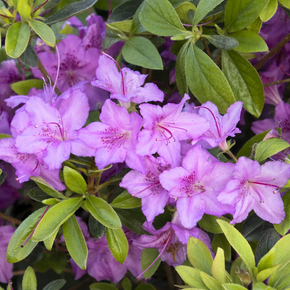
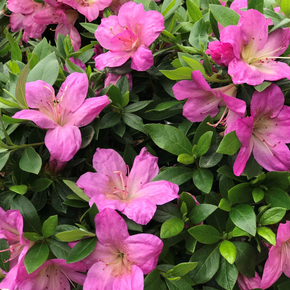
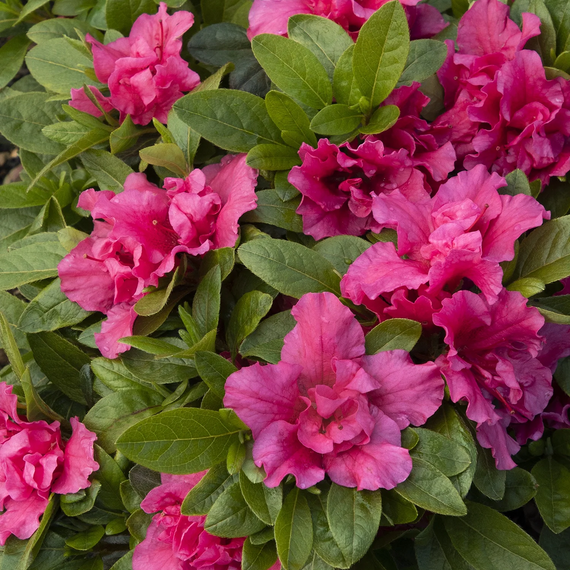
Double Shot Watermelon Azalea (Rhododendron x 'RLH1-9P7' (H-3) PP #27,877) is a compact, evergreen, reblooming variety prized for its vibrant watermelon‑pink blooms that appear first in spring and again in summer. This improved cultivar offers better cold hardiness than many azaleas, making it suitable for regions with winter temperatures as low as -10°F. Its rounded habit and dense green foliage make it an attractive choice for borders, foundation plantings, woodland edges, and container displays. Preferring filtered sun to partial shade and consistently moist, acidic soil, it delivers reliable color and form with minimal maintenance.
Plant Description
Compact evergreen azalea producing watermelon‑pink flowers twice per year, with a vigorous, rounded growth habit and enhanced cold tolerance.
Bloom Time
Blooms in spring with a second flush in summer.
Foliage
Evergreen shrub with small, deep green leaves providing year‑round structure.
Sun Requirements
Prefers filtered sun, partial shade, or full shade; protect from harsh afternoon sun.
Watering Needs
Keep soil consistently moist but well‑drained; water deeply during establishment.
Soil Requirements
Requires organically rich, acidic, well‑drained soil; apply mulch to keep roots cool.
Growth & Size
Moderate grower reaching approximately 3 ft. tall and 3 ft. wide.
Special Features
Reblooming, improved cold tolerance, attracts hummingbirds and pollinators, compact form.
Landscape Uses
Excellent for borders, containers, hedges, accents, and small‑space plantings.
Care Instructions
Plant in acidic, well‑drained soil; mulch to cool roots; shelter from drying winds; water regularly during the first growing season; feed with acid fertilizer after bloom.
- Compact reblooming azalea producing luscious watermelon‑pink flowers twice yearly.
- Evergreen shrub with improved cold hardiness, tolerating temperatures down to -10°F.
- Moderate grower reaching about 3 ft. tall and wide, ideal for borders and containers.
- Thrives in acidic, well‑drained, organically rich soil with protection from harsh afternoon sun.
Double Shot Watermelon Azalea (Rhododendron x 'RLH1-9P7' (H-3) PP #27,877) is a compact, evergreen, reblooming variety prized for its vibrant watermelon‑pink blooms that appear first in spring and again in summer. This improved cultivar offers better cold hardiness than many azaleas, making it suitable for regions with winter temperatures as low as -10°F. Its rounded habit and dense green foliage make it an attractive choice for borders, foundation plantings, woodland edges, and container displays. Preferring filtered sun to partial shade and consistently moist, acidic soil, it delivers reliable color and form with minimal maintenance.
Plant Description
Compact evergreen azalea producing watermelon‑pink flowers twice per year, with a vigorous, rounded growth habit and enhanced cold tolerance.
Bloom Time
Blooms in spring with a second flush in summer.
Foliage
Evergreen shrub with small, deep green leaves providing year‑round structure.
Sun Requirements
Prefers filtered sun, partial shade, or full shade; protect from harsh afternoon sun.
Watering Needs
Keep soil consistently moist but well‑drained; water deeply during establishment.
Soil Requirements
Requires organically rich, acidic, well‑drained soil; apply mulch to keep roots cool.
Growth & Size
Moderate grower reaching approximately 3 ft. tall and 3 ft. wide.
Special Features
Reblooming, improved cold tolerance, attracts hummingbirds and pollinators, compact form.
Landscape Uses
Excellent for borders, containers, hedges, accents, and small‑space plantings.
Care Instructions
Plant in acidic, well‑drained soil; mulch to cool roots; shelter from drying winds; water regularly during the first growing season; feed with acid fertilizer after bloom.
Related Products