

Zoom the image with the mouse
Climbing Asparagus Fern
SKU:
2182840-P
UPC:
014949045534
$24.99 - $39.99
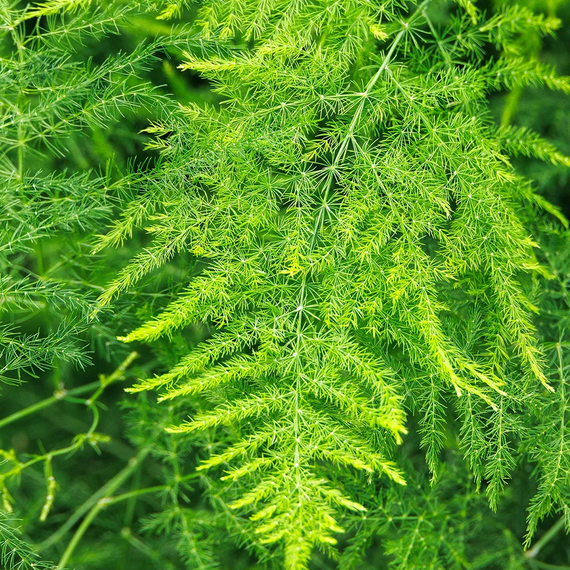
- Feathery, ultra-fine “fern-like” foliage adds airy texture indoors year-round (though it isn’t a true fern).
- Versatile habit: naturally twining and climbing when staked, or allowed to trail up to 5 ft. if left unstaked.
- Season-long interest with small greenish-white bell flowers from spring through fall, sometimes followed by berries that darken with age.
- Fast-growing and easy-care—thrives in bright, indirect light with consistently moist (not waterlogged) soil.
Climbing Asparagus Fern (Asparagus plumosus) is a graceful, fast-growing houseplant prized for its soft, lacey foliage that looks like a delicate fern but behaves like a twining vine. Train it up a small trellis for a living green screen or let it cascade from a pot for a waterfall effect. From spring through fall, it may produce petite, greenish-white bell-shaped blooms that can be followed by small berries that darken as they mature. With bright indirect light, fertile well-drained soil, and steady moisture, this easy-care evergreen brings lush texture to containers indoors—and can be grown outdoors where winters are mild.
Plant Description
A fast-growing, evergreen asparagus fern with very fine, fern-like foliage. Not a true fern, but prized for the same airy texture and softness in containers.
Size & Growth Habit
Reaches about 2 ft. tall with trailing stems up to 5 ft. long if left unstaked. Naturally twining and climbing—stake it to grow upward or keep it trimmed for a more compact form.
Light Requirements
Prefers bright, indirect light for best color and fullness. Ideal for well-lit rooms, covered patios, or bright shade settings.
Watering
Keep soil consistently moist. Water freely during dry weather and do not allow the plant to dry out completely for best foliage quality.
Soil & Potting
Best in fertile, well-drained soil. Use containers with drainage to maintain moisture without waterlogging roots.
Flowers & Berries
Small greenish-white, bell-shaped flowers may appear from spring through fall. Flowers can be followed by small green berries that darken to black with age.
Fertilizing
Apply a balanced liquid fertilizer monthly during active growth to support lush, vigorous foliage.
Pruning & Training
Stake to encourage climbing growth, or prune and pinch back to keep plants fuller and more compact. Trim as needed to maintain your desired shape.
Outdoor Use & Hardiness
Evergreen and can be grown outdoors in mild climates; in colder regions, enjoy it as a houseplant or move containers indoors before temperatures drop.
Handling & Skin Care
Wear gloves when handling to avoid possible skin irritation.
Design & Styling Ideas
Train up a hoop, trellis, or moss pole for a vertical accent, or let it trail from a pedestal pot or hanging container for a soft, cascading texture that layers beautifully with broad-leaf houseplants.
- Feathery, ultra-fine “fern-like” foliage adds airy texture indoors year-round (though it isn’t a true fern).
- Versatile habit: naturally twining and climbing when staked, or allowed to trail up to 5 ft. if left unstaked.
- Season-long interest with small greenish-white bell flowers from spring through fall, sometimes followed by berries that darken with age.
- Fast-growing and easy-care—thrives in bright, indirect light with consistently moist (not waterlogged) soil.
Climbing Asparagus Fern (Asparagus plumosus) is a graceful, fast-growing houseplant prized for its soft, lacey foliage that looks like a delicate fern but behaves like a twining vine. Train it up a small trellis for a living green screen or let it cascade from a pot for a waterfall effect. From spring through fall, it may produce petite, greenish-white bell-shaped blooms that can be followed by small berries that darken as they mature. With bright indirect light, fertile well-drained soil, and steady moisture, this easy-care evergreen brings lush texture to containers indoors—and can be grown outdoors where winters are mild.
Plant Description
A fast-growing, evergreen asparagus fern with very fine, fern-like foliage. Not a true fern, but prized for the same airy texture and softness in containers.
Size & Growth Habit
Reaches about 2 ft. tall with trailing stems up to 5 ft. long if left unstaked. Naturally twining and climbing—stake it to grow upward or keep it trimmed for a more compact form.
Light Requirements
Prefers bright, indirect light for best color and fullness. Ideal for well-lit rooms, covered patios, or bright shade settings.
Watering
Keep soil consistently moist. Water freely during dry weather and do not allow the plant to dry out completely for best foliage quality.
Soil & Potting
Best in fertile, well-drained soil. Use containers with drainage to maintain moisture without waterlogging roots.
Flowers & Berries
Small greenish-white, bell-shaped flowers may appear from spring through fall. Flowers can be followed by small green berries that darken to black with age.
Fertilizing
Apply a balanced liquid fertilizer monthly during active growth to support lush, vigorous foliage.
Pruning & Training
Stake to encourage climbing growth, or prune and pinch back to keep plants fuller and more compact. Trim as needed to maintain your desired shape.
Outdoor Use & Hardiness
Evergreen and can be grown outdoors in mild climates; in colder regions, enjoy it as a houseplant or move containers indoors before temperatures drop.
Handling & Skin Care
Wear gloves when handling to avoid possible skin irritation.
Design & Styling Ideas
Train up a hoop, trellis, or moss pole for a vertical accent, or let it trail from a pedestal pot or hanging container for a soft, cascading texture that layers beautifully with broad-leaf houseplants.
Related Products