

Zoom the image with the mouse
Burgundy Queen Bougainvillea - 1 Gallon
SKU:
2012830
UPC:
014949092873
$21.99
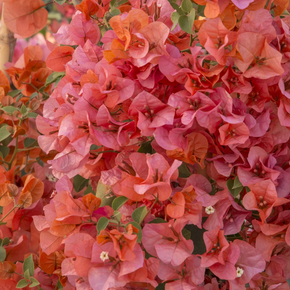
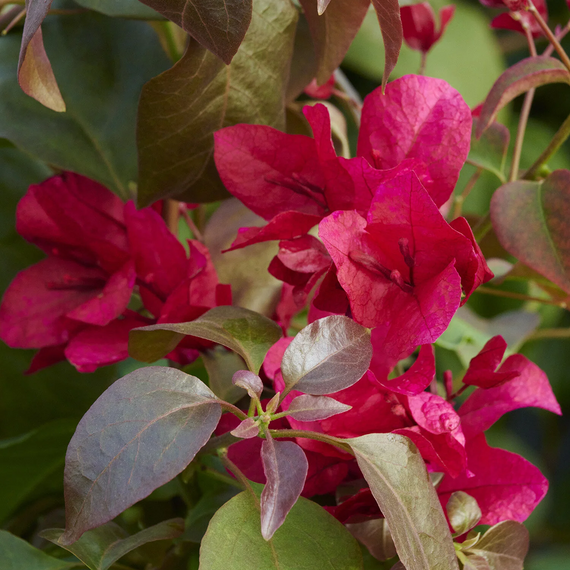
- Dramatic double-color show — new growth flushes in deep burgundy foliage that transitions into rich, wine-colored papery bracts surrounding small, creamy-white tubular flowers
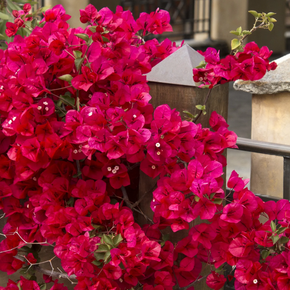
- Vigorous climbing habit perfect for covering arbors, pergolas, trellises, and fences with a lush, tropical splash of year-round color in frost-free climates
- Exceptionally heat- and drought-tolerant once established, thriving in the hottest, sunniest spots where most plants struggle
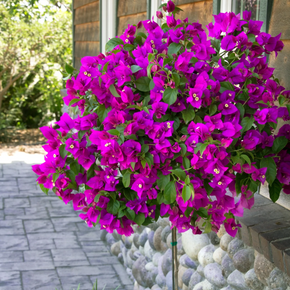
- Versatile performer — grow as a sprawling vine, trained shrub, or cascading container specimen; also excellent as a summer annual in patio pots and hanging baskets in cooler climates
Burgundy Queen Bougainvillea (Bougainvillea spectabilis 'Burgundy Queen') is one of the most visually commanding flowering vines available, delivering a double wave of ornamental drama that few plants can rival. Each new flush of growth emerges in a striking deep burgundy, setting the stage for a breathtaking display of richly colored, wine-red papery bracts that surround clusters of small, delicate white tubular flowers at their centers. Native to South America — particularly Brazil, Peru, and Argentina — this vigorous perennial vine has been celebrated around the world for its ability to transform walls, fences, arbors, and pergolas into a cascade of tropical color. Hardy in USDA Zones 9 through 11, Burgundy Queen is an evergreen treasure in frost-free landscapes across Southern Oregon and Northern California, blooming in repeated cycles from late spring through fall and often year-round in the warmest microclimates. Its slightly leathery, ovate green leaves provide a lush, full backdrop that allows the deep burgundy bracts to pop with even greater intensity. Like all bougainvilleas, it is a bloom-on-stress plant that rewards full sun, fast-draining soil, and a deep-and-dry watering rhythm with its most spectacular color, making it relatively low-maintenance once properly established. Whether trained to climb a sun-drenched wall, allowed to cascade over a retaining structure, or grown as a bold container specimen on a hot patio, Burgundy Queen Bougainvillea brings undeniable regal presence and tropical flair to any landscape setting.
Plant Description
Burgundy Queen Bougainvillea is a woody, thorny, evergreen vine celebrated for its stunning two-toned ornamental display. What most people admire as the "flowers" are actually modified leaves called bracts — three to six papery, deep burgundy-to-wine-red bracts surround each cluster of true flowers, which are small, tubular, and creamy white. A standout trait of this cultivar is its colorful new foliage: emerging growth flushes in a dramatic dark burgundy before maturing to deep green, providing ornamental interest even between bloom cycles. The stems are woody and armed with sharp thorns that the plant uses to hook onto support structures, so leather gloves should always be worn when handling or training the vines. The leaves are oval to slightly heart-shaped, medium green, and slightly leathery in texture. Bracts are long-lasting and papery, retaining their color for weeks before fading, which contributes to the plant's extended visual appeal throughout the growing season.
Mature Size
| Characteristic | Details |
|---|---|
| Mature Height (in ground) | 15 to 30 feet |
| Mature Spread | Up to 20 feet wide |
| Growth Rate | Fast; vigorous seasonal flushes of new growth |
| Plant Type | Woody perennial vine / sprawling shrub |
| Container Size | Can be maintained at a smaller, manageable size with regular pruning and root restriction in containers |
Burgundy Queen is a vigorous grower and can achieve significant height and spread when given room to climb in the ground. In warm, frost-free climates it will rapidly cover large structures. When grown in containers or with consistent pruning, the size can be kept much more compact and manageable for patios and smaller spaces.
Hardiness and Climate
Burgundy Queen Bougainvillea is rated for USDA Hardiness Zones 9 through 11, making it a reliable perennial in the warmer portions of Southern Oregon and Northern California. It remains evergreen in frost-free climates and may become semi-deciduous or experience top dieback when temperatures dip below 32°F. Cold damage to foliage and stems typically begins around 30°F to 32°F, and hard freezes can kill the plant to the ground. In Zone 9 microclimates with some frost protection — such as planting against a south- or west-facing wall that retains heat — established plants often recover from light frost damage and re-sprout vigorously in spring. In climates colder than Zone 9, Burgundy Queen is best grown in containers that can be moved indoors before the first fall frost and overwintered in a bright, sunny location. This plant thrives in the heat and is exceptionally well adapted to the long, hot, dry summers characteristic of inland Northern California and Southern Oregon valleys.
Sunlight Requirements
Burgundy Queen Bougainvillea demands full sun for peak performance. A minimum of 6 hours of direct sunlight per day is required, but 8 or more hours produces the most prolific and vibrant bract display. This is not a plant that will flower well in partial shade — insufficient sunlight is one of the most common reasons bougainvillea fails to bloom. The hotter and brighter the location, the better. Ideal spots include south- and west-facing walls, reflective patios, hot driveways, sunny decks, and open garden beds with unobstructed sun exposure throughout the day. In partially shaded conditions the plant may still grow vigorously but will produce primarily leafy growth at the expense of its colorful bracts.
Soil and pH Preferences
- Soil Type: Prefers well-draining, fertile loam or sandy soil. Will not tolerate waterlogged or heavy clay soils without significant amendment or raised planting.
- Drainage: Fast drainage is non-negotiable — roots require oxygen and will decline in soggy conditions, leading to root rot, leaf drop, and poor flowering.
- Soil pH: Performs best in slightly acidic to neutral soil, ideally between pH 5.5 and 6.5, though it is relatively adaptable.
- Amending Clay Soils: In heavier soils, plant on a slight mound or in a raised bed, and incorporate coarse sand, perlite, or pumice to improve drainage. Keep mulch away from the base of the crown.
- Containers: Use a gritty, fast-draining potting mix — a quality potting soil blended with perlite or pumice works well. Avoid standard moisture-retaining mixes that stay wet too long.
Watering Guide
Burgundy Queen Bougainvillea is drought-tolerant once established and actually blooms best when subjected to a deep-soak-and-dry watering cycle rather than frequent shallow irrigation. Consistent overwatering is one of the most common mistakes and leads directly to reduced flowering, root rot, and excessive leafy growth at the expense of colorful bracts.
- During establishment (first 8 to 12 weeks): Water when the top 2 to 3 inches of soil feel dry. Keep roots consistently moist but never waterlogged as the plant anchors in.
- After establishment (in-ground): Water deeply and thoroughly, then allow the soil to dry several inches down before watering again. Many established plants in warm climates do well with deep watering once every one to three weeks in summer, depending on heat and soil type.
- After establishment (containers): Water thoroughly until it drains freely from the bottom, then wait until the top 2 inches of the potting mix are dry before watering again. Never allow containers to sit in standing water in saucers.
- Winter/dormancy: Significantly reduce watering frequency. Allow the soil to dry out between waterings during cool or dormant periods.
- Bloom tip: If the plant appears lush and leafy but refuses to flower, the soil is likely staying too moist. Allowing longer dry intervals between deep waterings often triggers bract production.
Fertilizing
Bougainvilleas are relatively light feeders compared to many flowering plants, and the most common fertilizing mistake is applying too much nitrogen, which stimulates excessive leafy growth at the direct expense of flower bract production. The key is a low-nitrogen, bloom-promoting feeding approach.
- Fertilizer type: Use a low-nitrogen, high-phosphorus fertilizer such as a 5-10-10 ratio, or a bougainvillea-specific or bloom-booster formula. Avoid high-nitrogen general-purpose fertilizers during the blooming season.
- Frequency (in-ground): Apply a balanced slow-release fertilizer lightly in early spring as new growth begins, then switch to a bloom-promoting formula during active growth. Once per month during the growing season is typically sufficient.
- Frequency (containers): Container-grown plants can be fertilized every two to three weeks during the growing season with a diluted bloom-booster fertilizer mixed into regular watering.
- After pruning: Apply a balanced fertilizer after a hard pruning session to support recovery and encourage vigorous new growth, followed by a high-phosphorus bloom fertilizer two to three weeks later.
- Winter: Withhold or significantly reduce fertilizer during cool or dormant periods. Resume feeding in spring when active growth resumes.
Pruning and Maintenance
Regular pruning is essential for managing the vigorous growth of Burgundy Queen Bougainvillea, maintaining an attractive shape, and encouraging the maximum number of bloom cycles. Since bougainvillea produces its colorful bracts on new lateral growth, well-timed pruning directly stimulates more flowering.
- Best timing for major pruning: Late winter to early spring, just before the strong growth season begins. This is the ideal time for hard or shaping cuts.
- Light pruning after bloom flushes: Trimming back spent bract clusters and the tips of stems after each bloom cycle encourages branching and stimulates the next wave of new growth and color.
- Training tip: Guide long canes horizontally or diagonally rather than straight upward. Horizontal canes produce more lateral shoots, and it is these lateral shoots that bear the bracts. Use soft plant ties to secure vines to supports; re-tie periodically as canes thicken.
- Year-round: Remove dead wood, crossing stems, and weak interior growth at any time to improve airflow and light penetration throughout the canopy.
- Safety: Always wear thick leather gloves and long sleeves when pruning or training, as the thorns are sharp and can cause significant scratches.
- Note: Bougainvillea does not cling or twine on its own — it must be tied and guided onto its support structure.
Planting Instructions
- Timing: Plant in spring after all danger of frost has passed and soil temperatures are reliably warm. Spring planting allows the root system to establish before summer heat intensifies.
- Site selection: Choose a location receiving at least 6 to 8 or more hours of direct sun daily with excellent drainage. A south- or west-facing wall, fence, or open bed is ideal.
- Spacing: Space plants 6 to 9 feet apart from each other and from neighboring plants to allow adequate room to spread.
- Digging the hole: Dig a hole no deeper than the root ball height and 2 to 3 times as wide. Avoid creating a deep "bathtub" that traps moisture around the roots.
- Handle roots carefully: Bougainvillea roots are fragile and do not appreciate disturbance. Transfer the plant gently from its nursery container, disturbing the root ball as little as possible.
- Planting depth: Set the plant so the top of the root ball is level with or very slightly above the surrounding soil grade to encourage drainage away from the crown.
- Backfill and water: Backfill gently, water deeply once to settle the soil, then allow to partially dry before the next irrigation.
- Mulch: Apply 1 to 2 inches of organic mulch around the root zone to help retain moisture and moderate soil temperature, keeping mulch several inches away from the main stem to prevent rot.
- Install supports: Set up a trellis, fence wire, or other sturdy support structure at planting time and begin training the vines onto it immediately.
Landscape Uses
- Arbors and pergolas: Burgundy Queen's vigorous, arching canes are ideal for covering large overhead structures with a canopy of dramatic color.
- Trellises and fences: Train along a fence or vertical trellis for a living wall of deep burgundy bracts that provides both privacy and visual impact.
- Espalier: Can be trained flat against a wall in a formal espalier pattern for a structured, architectural effect.
- Cascading over walls and slopes: Allow the long canes to spill over retaining walls or down steep banks as a dramatic ground cover with erosion-control value.
- Specimen planting: Use as a bold standalone focal point or accent in a mixed garden bed or at a garden entrance.
- Hedge or screen: Dense-branching forms can be pruned into a thorny, flowering hedge that also serves as a natural security barrier.
- Container and patio planting: Grows beautifully in large containers on patios, decks, and balconies; containers can be moved indoors in colder climates for winter protection.
- Hanging baskets: Smaller, pruned specimens work well in hanging baskets where the long stems cascade dramatically.
- Mediterranean and tropical-style gardens: A natural fit for warm-climate garden styles, courtyard gardens, coastal gardens, and gravel or rock gardens.
Seasonal Interest
Burgundy Queen Bougainvillea delivers multi-season ornamental interest that very few plants can match in warm climates.
- Spring: The growing season kicks off with vigorous new growth that emerges in a rich, eye-catching deep burgundy — providing striking color even before the bract display begins. Peak bloom flushes begin in late spring.
- Summer: Repeated cycles of deep burgundy bracts continue throughout summer, with each flush lasting three to six weeks. Hot, dry conditions with full sun intensify bract color and abundance.
- Fall: Bloom cycles continue into fall in warm climates. The plant may experience a particularly strong bract display as temperatures cool slightly from summer highs.
- Winter: In frost-free climates (Zones 10 to 11) plants may continue to produce intermittent blooms through winter. In Zone 9 the plant goes semi-dormant but retains much of its evergreen foliage in mild winters.
- Year-round interest: Even between bloom cycles, the lush, slightly leathery dark green foliage and the architectural structure of the woody canes provide consistent visual presence in the landscape.
Container Growing
Burgundy Queen Bougainvillea is an excellent candidate for container growing and often produces its most reliable blooms in pots, because containers dry out faster than in-ground soil — naturally mimicking the dry conditions that trigger bract production. Containers also allow gardeners in Zone 8 or cooler to enjoy this tropical beauty as a summer accent that can be overwintered indoors.
- Pot selection: Choose a container with ample drainage holes. Unglazed terra cotta is ideal as it breathes and dries faster than plastic, helping prevent overwatering.
- Pot sizing: Avoid oversizing the container. Bougainvillea tends to bloom more freely when slightly root-bound. When repotting, move up only one pot size at a time (roughly 2 to 4 inches larger in diameter).
- Potting mix: Use a fast-draining mix — a quality potting soil blended with perlite or pumice, or a mix formulated for palms or cacti. Avoid moisture-retaining mixes.
- Watering: Water thoroughly until water flows freely from drainage holes, then allow the top 2 inches to dry completely before the next watering. Never allow the pot to sit in standing water.
- Fertilizing in containers: Feed every two to three weeks during the growing season with a diluted, low-nitrogen, bloom-booster fertilizer.
- Overwintering: Before the first frost, move containers to a bright, sunny indoor location such as a south-facing window. Reduce watering significantly and withhold fertilizer. Gradually reintroduce to outdoor conditions in spring after frost danger has passed.
- Training in containers: Provide a small trellis, obelisk, or other support structure within the container, or allow canes to trail and cascade over the pot's edges for a dramatic effect.
Pests and Diseases
Burgundy Queen Bougainvillea is generally considered a tough, pest-resistant plant. Most issues arise from improper cultural conditions — particularly overwatering — rather than serious pest infestations. When problems do occur, they are usually manageable with prompt attention.
- Aphids: Small, soft-bodied insects that cluster on new growth and flower buds, sucking sap and potentially causing distorted leaves. Treat with insecticidal soap spray or a strong stream of water to dislodge colonies. Neem oil is also effective.
- Spider mites: Tiny red or brown mites that cause a fine stippling or yellowing of leaves, particularly in hot, dry conditions. Treat with insecticidal soap, neem oil, or a directed water spray. Improving air circulation helps prevent recurrence.
- Mealybugs: White, cottony insects found in leaf axils and along stems. Remove small infestations with a cotton swab dipped in rubbing alcohol, or apply neem oil or insecticidal soap for larger infestations.
- Thrips: Tiny insects that rasp leaf and bract tissue, causing silvery scarring or browning of edges. Treat with insecticidal soap or neem oil.
- Scale insects: Appear as small, waxy bumps on stems and leaves. Treat with horticultural oil or neem oil.
- Powdery mildew: A fungal disease appearing as a white powdery coating on leaves, most common in humid conditions with poor air circulation. Prune to improve airflow, avoid overhead watering, and treat with neem oil or a copper-based fungicide.
- Leaf spot: Bacterial or fungal spotting on foliage; remove affected leaves and apply a copper-based fungicide. Avoid wetting foliage when watering.
- Root rot: The most serious and common disease issue, caused entirely by overwatering or poorly draining soil. Ensure fast drainage and allow soil to dry between waterings. There is no effective treatment for advanced root rot other than improving conditions immediately.
Wildlife Value
Burgundy Queen Bougainvillea's prolific bloom cycles and rich nectar supply make it a valuable resource for pollinators and wildlife in warm-climate gardens.
- Hummingbirds: The small, tubular white true flowers nestled within the burgundy bracts are an attractive nectar source for hummingbirds, which are common visitors in Southern Oregon and Northern California gardens. The vivid bract color also serves as a long-distance visual cue that draws these birds in.
- Butterflies: Various butterfly species visit bougainvillea blooms for nectar, particularly during peak flush periods in spring and summer.
- Bees: Beneficial bees, including native bee species, forage on the small true flowers for nectar and pollen.
- Birds for shelter: The dense, thorny structure of a mature Burgundy Queen Bougainvillea trained on a wall or fence can provide protective nesting cover and roosting sites for small bird species.
- Deer resistance: The sharp thorns and the plant's general characteristics make it largely unappealing to deer, making it a practical choice in landscapes where deer pressure is a concern.
Companion Plants
Burgundy Queen Bougainvillea pairs beautifully with other heat-loving, sun-worshipping plants that share its preference for well-drained soil and minimal water once established. Companion selections that echo or contrast its deep burgundy and rich green tones work especially well.
- Agave and succulents: Bold, architectural succulents and agave species create a stunning textural contrast with the soft, papery bracts of bougainvillea in Mediterranean and drought-tolerant garden designs.
- Lantana: A prolific, heat-tolerant bloomer that complements bougainvillea's tropical character with long-season color in complementary warm tones of orange, yellow, and red.
- Salvia species: Heat-tolerant salvias, especially those with deep blue, purple, or red flowers, create a bold color contrast against the burgundy bracts and attract the same hummingbirds and pollinators.
- Bougainvillea in mixed color plantings: Pair Burgundy Queen with other bougainvillea cultivars in contrasting colors — such as a golden yellow or bright magenta variety — for a vibrant, layered tropical tapestry on a large structure.
- Ornamental grasses: Drought-tolerant grasses like Pennisetum or Miscanthus provide a soft, feathery textural counterpoint to the bold structure and vivid color of Burgundy Queen.
- Mandevilla: Another tropical vine that thrives in similar conditions, mandevilla's large funnel-shaped pink or red blooms pair harmoniously with bougainvillea on shared support structures.
- Rosemary and lavender: Aromatic Mediterranean herbs that share bougainvillea's preference for full sun, heat, and lean, well-drained soils — ideal for a low-water garden palette.
Propagation
Burgundy Queen Bougainvillea is most reliably propagated from stem cuttings, which ensures that the new plant retains all the characteristics of the parent cultivar, including the distinctive burgundy bract color and dual-tone new growth.
- Cutting type: Take semi-hardwood stem cuttings approximately 4 to 6 inches long from healthy, non-flowering growth. Look for stems that are firm but not fully woody.
- Timing: Late spring through summer is the optimal period for taking cuttings, when the plant is in active growth.
- Preparation: Remove the lower leaves, leaving only one or two sets at the tip. Dip the cut end in rooting hormone powder to improve success rates.
- Rooting medium: Insert cuttings into a gritty, well-draining rooting medium such as perlite, coarse sand, or a 50/50 mix of perlite and potting soil. Do not use a moisture-retaining medium.
- Environment: Place in a warm, bright location out of direct harsh sun until roots establish. Maintaining humidity with a loose plastic covering can help, but ensure some air circulation to prevent fungal issues.
- Timeline: Roots typically develop within four to eight weeks. Once rooted and showing new growth, gradually introduce plants to full sun conditions before transplanting to their permanent home.
- Dramatic double-color show — new growth flushes in deep burgundy foliage that transitions into rich, wine-colored papery bracts surrounding small, creamy-white tubular flowers
- Vigorous climbing habit perfect for covering arbors, pergolas, trellises, and fences with a lush, tropical splash of year-round color in frost-free climates
- Exceptionally heat- and drought-tolerant once established, thriving in the hottest, sunniest spots where most plants struggle
- Versatile performer — grow as a sprawling vine, trained shrub, or cascading container specimen; also excellent as a summer annual in patio pots and hanging baskets in cooler climates
Burgundy Queen Bougainvillea (Bougainvillea spectabilis 'Burgundy Queen') is one of the most visually commanding flowering vines available, delivering a double wave of ornamental drama that few plants can rival. Each new flush of growth emerges in a striking deep burgundy, setting the stage for a breathtaking display of richly colored, wine-red papery bracts that surround clusters of small, delicate white tubular flowers at their centers. Native to South America — particularly Brazil, Peru, and Argentina — this vigorous perennial vine has been celebrated around the world for its ability to transform walls, fences, arbors, and pergolas into a cascade of tropical color. Hardy in USDA Zones 9 through 11, Burgundy Queen is an evergreen treasure in frost-free landscapes across Southern Oregon and Northern California, blooming in repeated cycles from late spring through fall and often year-round in the warmest microclimates. Its slightly leathery, ovate green leaves provide a lush, full backdrop that allows the deep burgundy bracts to pop with even greater intensity. Like all bougainvilleas, it is a bloom-on-stress plant that rewards full sun, fast-draining soil, and a deep-and-dry watering rhythm with its most spectacular color, making it relatively low-maintenance once properly established. Whether trained to climb a sun-drenched wall, allowed to cascade over a retaining structure, or grown as a bold container specimen on a hot patio, Burgundy Queen Bougainvillea brings undeniable regal presence and tropical flair to any landscape setting.
Plant Description
Burgundy Queen Bougainvillea is a woody, thorny, evergreen vine celebrated for its stunning two-toned ornamental display. What most people admire as the "flowers" are actually modified leaves called bracts — three to six papery, deep burgundy-to-wine-red bracts surround each cluster of true flowers, which are small, tubular, and creamy white. A standout trait of this cultivar is its colorful new foliage: emerging growth flushes in a dramatic dark burgundy before maturing to deep green, providing ornamental interest even between bloom cycles. The stems are woody and armed with sharp thorns that the plant uses to hook onto support structures, so leather gloves should always be worn when handling or training the vines. The leaves are oval to slightly heart-shaped, medium green, and slightly leathery in texture. Bracts are long-lasting and papery, retaining their color for weeks before fading, which contributes to the plant's extended visual appeal throughout the growing season.
Mature Size
| Characteristic | Details |
|---|---|
| Mature Height (in ground) | 15 to 30 feet |
| Mature Spread | Up to 20 feet wide |
| Growth Rate | Fast; vigorous seasonal flushes of new growth |
| Plant Type | Woody perennial vine / sprawling shrub |
| Container Size | Can be maintained at a smaller, manageable size with regular pruning and root restriction in containers |
Burgundy Queen is a vigorous grower and can achieve significant height and spread when given room to climb in the ground. In warm, frost-free climates it will rapidly cover large structures. When grown in containers or with consistent pruning, the size can be kept much more compact and manageable for patios and smaller spaces.
Hardiness and Climate
Burgundy Queen Bougainvillea is rated for USDA Hardiness Zones 9 through 11, making it a reliable perennial in the warmer portions of Southern Oregon and Northern California. It remains evergreen in frost-free climates and may become semi-deciduous or experience top dieback when temperatures dip below 32°F. Cold damage to foliage and stems typically begins around 30°F to 32°F, and hard freezes can kill the plant to the ground. In Zone 9 microclimates with some frost protection — such as planting against a south- or west-facing wall that retains heat — established plants often recover from light frost damage and re-sprout vigorously in spring. In climates colder than Zone 9, Burgundy Queen is best grown in containers that can be moved indoors before the first fall frost and overwintered in a bright, sunny location. This plant thrives in the heat and is exceptionally well adapted to the long, hot, dry summers characteristic of inland Northern California and Southern Oregon valleys.
Sunlight Requirements
Burgundy Queen Bougainvillea demands full sun for peak performance. A minimum of 6 hours of direct sunlight per day is required, but 8 or more hours produces the most prolific and vibrant bract display. This is not a plant that will flower well in partial shade — insufficient sunlight is one of the most common reasons bougainvillea fails to bloom. The hotter and brighter the location, the better. Ideal spots include south- and west-facing walls, reflective patios, hot driveways, sunny decks, and open garden beds with unobstructed sun exposure throughout the day. In partially shaded conditions the plant may still grow vigorously but will produce primarily leafy growth at the expense of its colorful bracts.
Soil and pH Preferences
- Soil Type: Prefers well-draining, fertile loam or sandy soil. Will not tolerate waterlogged or heavy clay soils without significant amendment or raised planting.
- Drainage: Fast drainage is non-negotiable — roots require oxygen and will decline in soggy conditions, leading to root rot, leaf drop, and poor flowering.
- Soil pH: Performs best in slightly acidic to neutral soil, ideally between pH 5.5 and 6.5, though it is relatively adaptable.
- Amending Clay Soils: In heavier soils, plant on a slight mound or in a raised bed, and incorporate coarse sand, perlite, or pumice to improve drainage. Keep mulch away from the base of the crown.
- Containers: Use a gritty, fast-draining potting mix — a quality potting soil blended with perlite or pumice works well. Avoid standard moisture-retaining mixes that stay wet too long.
Watering Guide
Burgundy Queen Bougainvillea is drought-tolerant once established and actually blooms best when subjected to a deep-soak-and-dry watering cycle rather than frequent shallow irrigation. Consistent overwatering is one of the most common mistakes and leads directly to reduced flowering, root rot, and excessive leafy growth at the expense of colorful bracts.
- During establishment (first 8 to 12 weeks): Water when the top 2 to 3 inches of soil feel dry. Keep roots consistently moist but never waterlogged as the plant anchors in.
- After establishment (in-ground): Water deeply and thoroughly, then allow the soil to dry several inches down before watering again. Many established plants in warm climates do well with deep watering once every one to three weeks in summer, depending on heat and soil type.
- After establishment (containers): Water thoroughly until it drains freely from the bottom, then wait until the top 2 inches of the potting mix are dry before watering again. Never allow containers to sit in standing water in saucers.
- Winter/dormancy: Significantly reduce watering frequency. Allow the soil to dry out between waterings during cool or dormant periods.
- Bloom tip: If the plant appears lush and leafy but refuses to flower, the soil is likely staying too moist. Allowing longer dry intervals between deep waterings often triggers bract production.
Fertilizing
Bougainvilleas are relatively light feeders compared to many flowering plants, and the most common fertilizing mistake is applying too much nitrogen, which stimulates excessive leafy growth at the direct expense of flower bract production. The key is a low-nitrogen, bloom-promoting feeding approach.
- Fertilizer type: Use a low-nitrogen, high-phosphorus fertilizer such as a 5-10-10 ratio, or a bougainvillea-specific or bloom-booster formula. Avoid high-nitrogen general-purpose fertilizers during the blooming season.
- Frequency (in-ground): Apply a balanced slow-release fertilizer lightly in early spring as new growth begins, then switch to a bloom-promoting formula during active growth. Once per month during the growing season is typically sufficient.
- Frequency (containers): Container-grown plants can be fertilized every two to three weeks during the growing season with a diluted bloom-booster fertilizer mixed into regular watering.
- After pruning: Apply a balanced fertilizer after a hard pruning session to support recovery and encourage vigorous new growth, followed by a high-phosphorus bloom fertilizer two to three weeks later.
- Winter: Withhold or significantly reduce fertilizer during cool or dormant periods. Resume feeding in spring when active growth resumes.
Pruning and Maintenance
Regular pruning is essential for managing the vigorous growth of Burgundy Queen Bougainvillea, maintaining an attractive shape, and encouraging the maximum number of bloom cycles. Since bougainvillea produces its colorful bracts on new lateral growth, well-timed pruning directly stimulates more flowering.
- Best timing for major pruning: Late winter to early spring, just before the strong growth season begins. This is the ideal time for hard or shaping cuts.
- Light pruning after bloom flushes: Trimming back spent bract clusters and the tips of stems after each bloom cycle encourages branching and stimulates the next wave of new growth and color.
- Training tip: Guide long canes horizontally or diagonally rather than straight upward. Horizontal canes produce more lateral shoots, and it is these lateral shoots that bear the bracts. Use soft plant ties to secure vines to supports; re-tie periodically as canes thicken.
- Year-round: Remove dead wood, crossing stems, and weak interior growth at any time to improve airflow and light penetration throughout the canopy.
- Safety: Always wear thick leather gloves and long sleeves when pruning or training, as the thorns are sharp and can cause significant scratches.
- Note: Bougainvillea does not cling or twine on its own — it must be tied and guided onto its support structure.
Planting Instructions
- Timing: Plant in spring after all danger of frost has passed and soil temperatures are reliably warm. Spring planting allows the root system to establish before summer heat intensifies.
- Site selection: Choose a location receiving at least 6 to 8 or more hours of direct sun daily with excellent drainage. A south- or west-facing wall, fence, or open bed is ideal.
- Spacing: Space plants 6 to 9 feet apart from each other and from neighboring plants to allow adequate room to spread.
- Digging the hole: Dig a hole no deeper than the root ball height and 2 to 3 times as wide. Avoid creating a deep "bathtub" that traps moisture around the roots.
- Handle roots carefully: Bougainvillea roots are fragile and do not appreciate disturbance. Transfer the plant gently from its nursery container, disturbing the root ball as little as possible.
- Planting depth: Set the plant so the top of the root ball is level with or very slightly above the surrounding soil grade to encourage drainage away from the crown.
- Backfill and water: Backfill gently, water deeply once to settle the soil, then allow to partially dry before the next irrigation.
- Mulch: Apply 1 to 2 inches of organic mulch around the root zone to help retain moisture and moderate soil temperature, keeping mulch several inches away from the main stem to prevent rot.
- Install supports: Set up a trellis, fence wire, or other sturdy support structure at planting time and begin training the vines onto it immediately.
Landscape Uses
- Arbors and pergolas: Burgundy Queen's vigorous, arching canes are ideal for covering large overhead structures with a canopy of dramatic color.
- Trellises and fences: Train along a fence or vertical trellis for a living wall of deep burgundy bracts that provides both privacy and visual impact.
- Espalier: Can be trained flat against a wall in a formal espalier pattern for a structured, architectural effect.
- Cascading over walls and slopes: Allow the long canes to spill over retaining walls or down steep banks as a dramatic ground cover with erosion-control value.
- Specimen planting: Use as a bold standalone focal point or accent in a mixed garden bed or at a garden entrance.
- Hedge or screen: Dense-branching forms can be pruned into a thorny, flowering hedge that also serves as a natural security barrier.
- Container and patio planting: Grows beautifully in large containers on patios, decks, and balconies; containers can be moved indoors in colder climates for winter protection.
- Hanging baskets: Smaller, pruned specimens work well in hanging baskets where the long stems cascade dramatically.
- Mediterranean and tropical-style gardens: A natural fit for warm-climate garden styles, courtyard gardens, coastal gardens, and gravel or rock gardens.
Seasonal Interest
Burgundy Queen Bougainvillea delivers multi-season ornamental interest that very few plants can match in warm climates.
- Spring: The growing season kicks off with vigorous new growth that emerges in a rich, eye-catching deep burgundy — providing striking color even before the bract display begins. Peak bloom flushes begin in late spring.
- Summer: Repeated cycles of deep burgundy bracts continue throughout summer, with each flush lasting three to six weeks. Hot, dry conditions with full sun intensify bract color and abundance.
- Fall: Bloom cycles continue into fall in warm climates. The plant may experience a particularly strong bract display as temperatures cool slightly from summer highs.
- Winter: In frost-free climates (Zones 10 to 11) plants may continue to produce intermittent blooms through winter. In Zone 9 the plant goes semi-dormant but retains much of its evergreen foliage in mild winters.
- Year-round interest: Even between bloom cycles, the lush, slightly leathery dark green foliage and the architectural structure of the woody canes provide consistent visual presence in the landscape.
Container Growing
Burgundy Queen Bougainvillea is an excellent candidate for container growing and often produces its most reliable blooms in pots, because containers dry out faster than in-ground soil — naturally mimicking the dry conditions that trigger bract production. Containers also allow gardeners in Zone 8 or cooler to enjoy this tropical beauty as a summer accent that can be overwintered indoors.
- Pot selection: Choose a container with ample drainage holes. Unglazed terra cotta is ideal as it breathes and dries faster than plastic, helping prevent overwatering.
- Pot sizing: Avoid oversizing the container. Bougainvillea tends to bloom more freely when slightly root-bound. When repotting, move up only one pot size at a time (roughly 2 to 4 inches larger in diameter).
- Potting mix: Use a fast-draining mix — a quality potting soil blended with perlite or pumice, or a mix formulated for palms or cacti. Avoid moisture-retaining mixes.
- Watering: Water thoroughly until water flows freely from drainage holes, then allow the top 2 inches to dry completely before the next watering. Never allow the pot to sit in standing water.
- Fertilizing in containers: Feed every two to three weeks during the growing season with a diluted, low-nitrogen, bloom-booster fertilizer.
- Overwintering: Before the first frost, move containers to a bright, sunny indoor location such as a south-facing window. Reduce watering significantly and withhold fertilizer. Gradually reintroduce to outdoor conditions in spring after frost danger has passed.
- Training in containers: Provide a small trellis, obelisk, or other support structure within the container, or allow canes to trail and cascade over the pot's edges for a dramatic effect.
Pests and Diseases
Burgundy Queen Bougainvillea is generally considered a tough, pest-resistant plant. Most issues arise from improper cultural conditions — particularly overwatering — rather than serious pest infestations. When problems do occur, they are usually manageable with prompt attention.
- Aphids: Small, soft-bodied insects that cluster on new growth and flower buds, sucking sap and potentially causing distorted leaves. Treat with insecticidal soap spray or a strong stream of water to dislodge colonies. Neem oil is also effective.
- Spider mites: Tiny red or brown mites that cause a fine stippling or yellowing of leaves, particularly in hot, dry conditions. Treat with insecticidal soap, neem oil, or a directed water spray. Improving air circulation helps prevent recurrence.
- Mealybugs: White, cottony insects found in leaf axils and along stems. Remove small infestations with a cotton swab dipped in rubbing alcohol, or apply neem oil or insecticidal soap for larger infestations.
- Thrips: Tiny insects that rasp leaf and bract tissue, causing silvery scarring or browning of edges. Treat with insecticidal soap or neem oil.
- Scale insects: Appear as small, waxy bumps on stems and leaves. Treat with horticultural oil or neem oil.
- Powdery mildew: A fungal disease appearing as a white powdery coating on leaves, most common in humid conditions with poor air circulation. Prune to improve airflow, avoid overhead watering, and treat with neem oil or a copper-based fungicide.
- Leaf spot: Bacterial or fungal spotting on foliage; remove affected leaves and apply a copper-based fungicide. Avoid wetting foliage when watering.
- Root rot: The most serious and common disease issue, caused entirely by overwatering or poorly draining soil. Ensure fast drainage and allow soil to dry between waterings. There is no effective treatment for advanced root rot other than improving conditions immediately.
Wildlife Value
Burgundy Queen Bougainvillea's prolific bloom cycles and rich nectar supply make it a valuable resource for pollinators and wildlife in warm-climate gardens.
- Hummingbirds: The small, tubular white true flowers nestled within the burgundy bracts are an attractive nectar source for hummingbirds, which are common visitors in Southern Oregon and Northern California gardens. The vivid bract color also serves as a long-distance visual cue that draws these birds in.
- Butterflies: Various butterfly species visit bougainvillea blooms for nectar, particularly during peak flush periods in spring and summer.
- Bees: Beneficial bees, including native bee species, forage on the small true flowers for nectar and pollen.
- Birds for shelter: The dense, thorny structure of a mature Burgundy Queen Bougainvillea trained on a wall or fence can provide protective nesting cover and roosting sites for small bird species.
- Deer resistance: The sharp thorns and the plant's general characteristics make it largely unappealing to deer, making it a practical choice in landscapes where deer pressure is a concern.
Companion Plants
Burgundy Queen Bougainvillea pairs beautifully with other heat-loving, sun-worshipping plants that share its preference for well-drained soil and minimal water once established. Companion selections that echo or contrast its deep burgundy and rich green tones work especially well.
- Agave and succulents: Bold, architectural succulents and agave species create a stunning textural contrast with the soft, papery bracts of bougainvillea in Mediterranean and drought-tolerant garden designs.
- Lantana: A prolific, heat-tolerant bloomer that complements bougainvillea's tropical character with long-season color in complementary warm tones of orange, yellow, and red.
- Salvia species: Heat-tolerant salvias, especially those with deep blue, purple, or red flowers, create a bold color contrast against the burgundy bracts and attract the same hummingbirds and pollinators.
- Bougainvillea in mixed color plantings: Pair Burgundy Queen with other bougainvillea cultivars in contrasting colors — such as a golden yellow or bright magenta variety — for a vibrant, layered tropical tapestry on a large structure.
- Ornamental grasses: Drought-tolerant grasses like Pennisetum or Miscanthus provide a soft, feathery textural counterpoint to the bold structure and vivid color of Burgundy Queen.
- Mandevilla: Another tropical vine that thrives in similar conditions, mandevilla's large funnel-shaped pink or red blooms pair harmoniously with bougainvillea on shared support structures.
- Rosemary and lavender: Aromatic Mediterranean herbs that share bougainvillea's preference for full sun, heat, and lean, well-drained soils — ideal for a low-water garden palette.
Propagation
Burgundy Queen Bougainvillea is most reliably propagated from stem cuttings, which ensures that the new plant retains all the characteristics of the parent cultivar, including the distinctive burgundy bract color and dual-tone new growth.
- Cutting type: Take semi-hardwood stem cuttings approximately 4 to 6 inches long from healthy, non-flowering growth. Look for stems that are firm but not fully woody.
- Timing: Late spring through summer is the optimal period for taking cuttings, when the plant is in active growth.
- Preparation: Remove the lower leaves, leaving only one or two sets at the tip. Dip the cut end in rooting hormone powder to improve success rates.
- Rooting medium: Insert cuttings into a gritty, well-draining rooting medium such as perlite, coarse sand, or a 50/50 mix of perlite and potting soil. Do not use a moisture-retaining medium.
- Environment: Place in a warm, bright location out of direct harsh sun until roots establish. Maintaining humidity with a loose plastic covering can help, but ensure some air circulation to prevent fungal issues.
- Timeline: Roots typically develop within four to eight weeks. Once rooted and showing new growth, gradually introduce plants to full sun conditions before transplanting to their permanent home.
Related Products