
Zoom the image with the mouse
Black Scallop Ajuga - 1 Gallon
SKU:
2096740
UPC:
014949388334
$12.99
- Near‑black, glossy foliage forms a dense, weed‑suppressing carpet with scalloped texture.
- Compact groundcover: typically 4–6 in. tall, spreading 12–24 in. wide.
- Showy violet‑blue flower spikes in late spring to early summer for seasonal color pops.
- Easy‑care, herbaceous groundcover with good mildew resistance; deer and rabbit resistant.
Black Scallop Ajuga (Ajuga reptans ‘Black Scallop’) delivers dramatic, near‑black foliage and a quick, low profile that’s tailor‑made for edging, between stepping stones, or massed as living mulch. In organically rich, moist, well‑drained soil and sun to part sun, it forms a tight mat that brightens with deep violet flower spikes in late spring—an effortlessly bold, low‑maintenance accent for containers and shady borders alike.
Plant Description
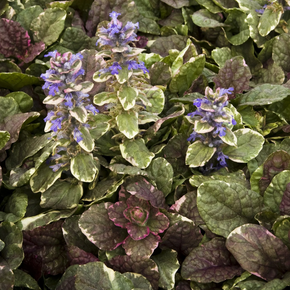
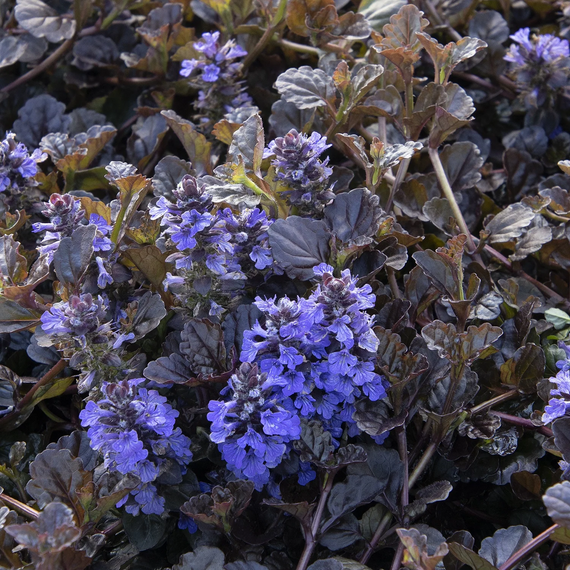
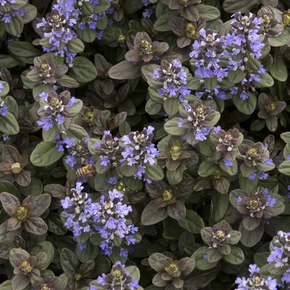
Herbaceous, spreading groundcover forming a dense mat of dark burgundy‑maroon to near‑black, scalloped leaves on reddish stems; short spikes of deep violet flowers add spring interest.
Foliage Color & Texture
Rich, glossy, near‑black leaves with scalloped edges supply season‑long contrast; best foliage depth develops with good light and consistent moisture.
Flowers & Bloom Time
Violet‑blue flower spikes bloom in late spring to early summer, rising just above the foliage for a vivid color accent.
Habit & Size
Low, ground‑hugging mat ~4–6 in. tall; spreads ~12–24 in. to knit spaces and suppress weeds without overwhelming companions.
Sun & Exposure
Full sun to partial sun (in hotter regions, provide some midday/afternoon relief). Foliage color is typically richest with brighter exposure and even moisture.
Water & Soil
Keep soil moderately and evenly moist—never waterlogged. Thrives in organically rich, moist, well‑drained soils; apply a low‑nitrogen feed in late summer if needed.
Hardiness
USDA Zones 4–9; dependable groundcover performance across a wide climate range.
Special Features
Good powdery mildew resistance; deer and rabbit resistant; tolerant of black walnut; fast‑establishing groundcover for erosion control on gentle slopes.
Landscape Uses
Border edging, groundcover under shrubs and trees, between stepping stones, container skirts, and front‑of‑border texture bands.
Care & Feeding
Water regularly the first season to establish, then as needed to maintain even moisture. Groom spent flower spikes after bloom to tidy; divide or thin if mats become crowded.
Spacing & Planting
Space 12–24 in. on center for quick coverage. Plant in well‑drained soil, mulch lightly to conserve moisture, and ensure good air movement to avoid crown issues.
Container Tips
Use a high‑quality, well‑drained potting mix; pair with lighter or chartreuse companions to amplify the dark foliage contrast in patio containers.
Design Notes
Partner with heuchera, painted ferns, mondo grass, pachysandra, or sweet flag to layer textures and hues; repeat clumps for a cohesive, modern “black‑and‑violet” palette.
- Near‑black, glossy foliage forms a dense, weed‑suppressing carpet with scalloped texture.
- Compact groundcover: typically 4–6 in. tall, spreading 12–24 in. wide.
- Showy violet‑blue flower spikes in late spring to early summer for seasonal color pops.
- Easy‑care, herbaceous groundcover with good mildew resistance; deer and rabbit resistant.
Black Scallop Ajuga (Ajuga reptans ‘Black Scallop’) delivers dramatic, near‑black foliage and a quick, low profile that’s tailor‑made for edging, between stepping stones, or massed as living mulch. In organically rich, moist, well‑drained soil and sun to part sun, it forms a tight mat that brightens with deep violet flower spikes in late spring—an effortlessly bold, low‑maintenance accent for containers and shady borders alike.
Plant Description
Herbaceous, spreading groundcover forming a dense mat of dark burgundy‑maroon to near‑black, scalloped leaves on reddish stems; short spikes of deep violet flowers add spring interest.
Foliage Color & Texture
Rich, glossy, near‑black leaves with scalloped edges supply season‑long contrast; best foliage depth develops with good light and consistent moisture.
Flowers & Bloom Time
Violet‑blue flower spikes bloom in late spring to early summer, rising just above the foliage for a vivid color accent.
Habit & Size
Low, ground‑hugging mat ~4–6 in. tall; spreads ~12–24 in. to knit spaces and suppress weeds without overwhelming companions.
Sun & Exposure
Full sun to partial sun (in hotter regions, provide some midday/afternoon relief). Foliage color is typically richest with brighter exposure and even moisture.
Water & Soil
Keep soil moderately and evenly moist—never waterlogged. Thrives in organically rich, moist, well‑drained soils; apply a low‑nitrogen feed in late summer if needed.
Hardiness
USDA Zones 4–9; dependable groundcover performance across a wide climate range.
Special Features
Good powdery mildew resistance; deer and rabbit resistant; tolerant of black walnut; fast‑establishing groundcover for erosion control on gentle slopes.
Landscape Uses
Border edging, groundcover under shrubs and trees, between stepping stones, container skirts, and front‑of‑border texture bands.
Care & Feeding
Water regularly the first season to establish, then as needed to maintain even moisture. Groom spent flower spikes after bloom to tidy; divide or thin if mats become crowded.
Spacing & Planting
Space 12–24 in. on center for quick coverage. Plant in well‑drained soil, mulch lightly to conserve moisture, and ensure good air movement to avoid crown issues.
Container Tips
Use a high‑quality, well‑drained potting mix; pair with lighter or chartreuse companions to amplify the dark foliage contrast in patio containers.
Design Notes
Partner with heuchera, painted ferns, mondo grass, pachysandra, or sweet flag to layer textures and hues; repeat clumps for a cohesive, modern “black‑and‑violet” palette.
Related Products