

Zoom the image with the mouse
Atrovirens Oriental Spruce
SKU:
1979895-P
UPC:
014949648155
$99.99 - $229.99
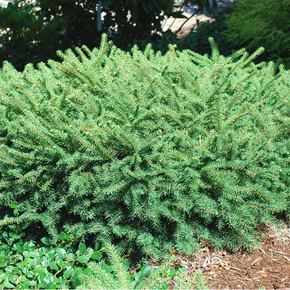
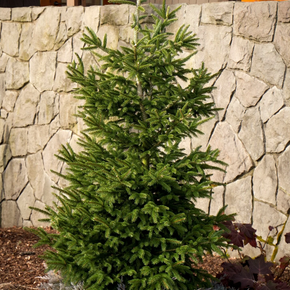
- Elegant, dark green, glossy needles on a dense, pyramidal framework with pendulous branching from the ground up.
- Showy female cones emerge purplish and mature to brown for seasonal interest.
- Adaptable, easy-care conifer for moist, slightly acidic soils; becomes more drought tolerant once established.
- Moderate grower maturing to ~60–80 ft. tall and ~20–30 ft. wide; superb specimen, screen, or windbreak.
Atrovirens Oriental Spruce (Picea orientalis ‘Atrovirens’) is a truly refined evergreen, prized for its exceptionally dark, lustrous needles and naturally formal, pyramidal habit. Dense, slightly pendulous branches cloak the trunk from the ground up, while spring’s purplish female cones ripen to handsome brown accents. One of the last spruces to break bud, it delivers reliable structure, rich color, and low‑maintenance performance in cool to cold climates—perfect as a commanding specimen, privacy screen, or windbreak in full sun to partial sun and well‑drained, moisture‑retentive soils.
Plant Description
Large, pyramidal evergreen conifer with dense, down‑swept branching and very dark green, shiny needles that create a plush, elegant presence year‑round.
Foliage
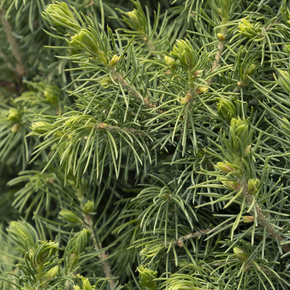
Short, glossy, deep green needles provide a saturated evergreen tone and fine texture that contrasts beautifully with blue‑tinted conifers and lighter foliage.
Cones
Showy female cones open with a purplish cast before maturing to brown, adding seasonal interest; pollen cones are small and reddish.
Sun Requirements
Full sun to partial sun for best color, density, and overall form.
Watering Needs
Water deeply and regularly during the first few growing seasons to establish a broad root system; once established, it tolerates drier soils between waterings.
Soil Requirements
Thrives in moist, slightly acidic, well‑drained soils—from loose, sandy or gravelly loams to fine clays. Avoid chronically waterlogged sites.
Growth & Size
Moderate growth; typically reaches about 60–80 ft. tall and 20–30 ft. wide at maturity with a strong central leader and ground‑to‑base fullness.
Special Features
Easy care; evergreen; benefits birds; deer and rabbit resistant; one of the last spruces to break bud in spring.
Landscape Uses
Outstanding specimen tree; effective privacy screen or windbreak; dramatic grove plantings; pairs well with beech, dogwood, variegated holly, sedges, and daisies.
Care Instructions
Keep soil evenly moist during establishment, then transition to deep, less frequent watering. Apply a general‑purpose fertilizer before spring flush. Mulch to conserve moisture and moderate soil temperature, keeping mulch off the trunk.
- Elegant, dark green, glossy needles on a dense, pyramidal framework with pendulous branching from the ground up.
- Showy female cones emerge purplish and mature to brown for seasonal interest.
- Adaptable, easy-care conifer for moist, slightly acidic soils; becomes more drought tolerant once established.
- Moderate grower maturing to ~60–80 ft. tall and ~20–30 ft. wide; superb specimen, screen, or windbreak.
Atrovirens Oriental Spruce (Picea orientalis ‘Atrovirens’) is a truly refined evergreen, prized for its exceptionally dark, lustrous needles and naturally formal, pyramidal habit. Dense, slightly pendulous branches cloak the trunk from the ground up, while spring’s purplish female cones ripen to handsome brown accents. One of the last spruces to break bud, it delivers reliable structure, rich color, and low‑maintenance performance in cool to cold climates—perfect as a commanding specimen, privacy screen, or windbreak in full sun to partial sun and well‑drained, moisture‑retentive soils.
Plant Description
Large, pyramidal evergreen conifer with dense, down‑swept branching and very dark green, shiny needles that create a plush, elegant presence year‑round.
Foliage
Short, glossy, deep green needles provide a saturated evergreen tone and fine texture that contrasts beautifully with blue‑tinted conifers and lighter foliage.
Cones
Showy female cones open with a purplish cast before maturing to brown, adding seasonal interest; pollen cones are small and reddish.
Sun Requirements
Full sun to partial sun for best color, density, and overall form.
Watering Needs
Water deeply and regularly during the first few growing seasons to establish a broad root system; once established, it tolerates drier soils between waterings.
Soil Requirements
Thrives in moist, slightly acidic, well‑drained soils—from loose, sandy or gravelly loams to fine clays. Avoid chronically waterlogged sites.
Growth & Size
Moderate growth; typically reaches about 60–80 ft. tall and 20–30 ft. wide at maturity with a strong central leader and ground‑to‑base fullness.
Special Features
Easy care; evergreen; benefits birds; deer and rabbit resistant; one of the last spruces to break bud in spring.
Landscape Uses
Outstanding specimen tree; effective privacy screen or windbreak; dramatic grove plantings; pairs well with beech, dogwood, variegated holly, sedges, and daisies.
Care Instructions
Keep soil evenly moist during establishment, then transition to deep, less frequent watering. Apply a general‑purpose fertilizer before spring flush. Mulch to conserve moisture and moderate soil temperature, keeping mulch off the trunk.
Related Products