

Zoom the image with the mouse
Artichoke Agave - 1 Gallon
SKU:
2098845
UPC:
014949031834
$19.99
- Striking silver‑blue rosettes form dense, symmetrical clumps—refined structure with bold texture.
- Compact yet impactful: individual rosettes typically 2–4 ft. wide; clumps can reach ~5 ft. across.
- Exceptionally waterwise and low‑maintenance—thrives in full sun with fast‑draining, lean soil.
- Long‑lived evergreen accent; blooms once at maturity (then offsets continue the display).
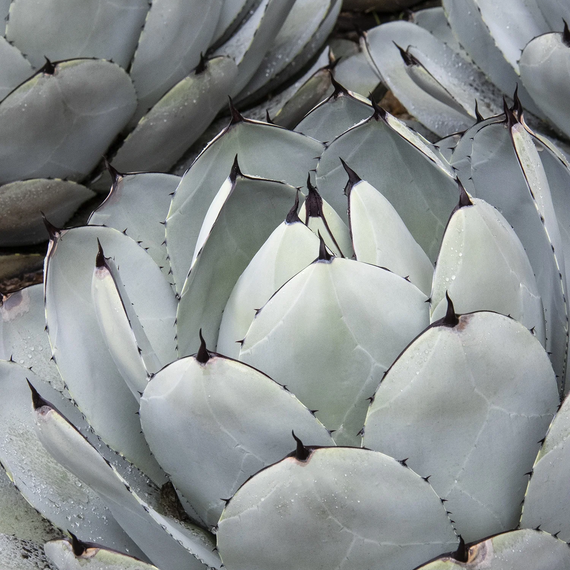
Artichoke Agave (Agave parryi var. truncata) is a sculptural, evergreen succulent prized for its tight, artichoke‑like rosettes of silver‑blue leaves. Perfect for waterwise landscapes and modern containers, it excels in full sun and well‑drained soils, forming handsome clumps that deliver year‑round structure. At maturity—often after a decade or more—it sends up a towering flower spike before the mother rosette declines, with abundant “pups” ensuring the planting endures.
Plant Description
Evergreen, clump‑forming succulent with wide, blue‑gray leaves arranged in dense, symmetrical rosettes; a standout architectural focal point for low‑water designs.
Foliage & Form
Broad, thick, silver‑blue leaves create a compact, artichoke‑like silhouette. Place away from paths—leaf tips are armed with terminal spines typical of the species.
Habit & Size
Rosettes generally 2–4 ft. wide; mature clumps can span around 5 ft. across. Flowering rosettes produce dramatic stalks that can reach notable heights before senescing.
Sun & Exposure
Best in full sun. In hot inland sites, provide light afternoon shade and avoid intense reflected heat to keep foliage looking its best.
Water & Soil
Plant in lean to average, sharply drained soil. Water deeply only when the soil is completely dry; drought tolerant once established, but appreciates occasional water during extreme heat.
Hardiness
USDA Zones 6–10. Performs beautifully in coastal or Mediterranean‑like climates; hardy in dry cold when soil drains freely.
Bloom & Offsets
Monocarpic: blooms once at maturity (often 10–15+ years), then the mother rosette declines. Offsets (“pups”) around the base perpetuate the colony.
Special Features
Waterwise, easy‑care, and suitable for coastal exposure; deer and rabbit resistant; native to North America—excellent choice for habitat‑friendly xeriscapes.
Landscape Uses
Groundcover masses in gravel gardens, barrier plantings, bold specimen accents in dry borders, and high‑impact container features.
Care & Maintenance
Avoid overwatering and heavy, moisture‑retentive soils. Mulch with gravel to keep the crown dry. After flowering, remove the spent rosette and allow offsets to fill in.
Spacing & Planting
Space 3–5 ft. on center for clump development and safe clearance from walkways. Plant slightly high or in mounded beds to ensure rapid runoff.
Container Tips
Use a gritty cactus/succulent mix in a heavy, well‑drained pot. Water thoroughly, then allow the mix to dry completely before the next irrigation.
Design Notes
Pair with red yucca, agastache, sedum, or aloe to echo arid textures and bloom color; mass several for a luminous, silver‑blue drift against dark gravel.
- Striking silver‑blue rosettes form dense, symmetrical clumps—refined structure with bold texture.
- Compact yet impactful: individual rosettes typically 2–4 ft. wide; clumps can reach ~5 ft. across.
- Exceptionally waterwise and low‑maintenance—thrives in full sun with fast‑draining, lean soil.
- Long‑lived evergreen accent; blooms once at maturity (then offsets continue the display).
Artichoke Agave (Agave parryi var. truncata) is a sculptural, evergreen succulent prized for its tight, artichoke‑like rosettes of silver‑blue leaves. Perfect for waterwise landscapes and modern containers, it excels in full sun and well‑drained soils, forming handsome clumps that deliver year‑round structure. At maturity—often after a decade or more—it sends up a towering flower spike before the mother rosette declines, with abundant “pups” ensuring the planting endures.
Plant Description
Evergreen, clump‑forming succulent with wide, blue‑gray leaves arranged in dense, symmetrical rosettes; a standout architectural focal point for low‑water designs.
Foliage & Form
Broad, thick, silver‑blue leaves create a compact, artichoke‑like silhouette. Place away from paths—leaf tips are armed with terminal spines typical of the species.
Habit & Size
Rosettes generally 2–4 ft. wide; mature clumps can span around 5 ft. across. Flowering rosettes produce dramatic stalks that can reach notable heights before senescing.
Sun & Exposure
Best in full sun. In hot inland sites, provide light afternoon shade and avoid intense reflected heat to keep foliage looking its best.
Water & Soil
Plant in lean to average, sharply drained soil. Water deeply only when the soil is completely dry; drought tolerant once established, but appreciates occasional water during extreme heat.
Hardiness
USDA Zones 6–10. Performs beautifully in coastal or Mediterranean‑like climates; hardy in dry cold when soil drains freely.
Bloom & Offsets
Monocarpic: blooms once at maturity (often 10–15+ years), then the mother rosette declines. Offsets (“pups”) around the base perpetuate the colony.
Special Features
Waterwise, easy‑care, and suitable for coastal exposure; deer and rabbit resistant; native to North America—excellent choice for habitat‑friendly xeriscapes.
Landscape Uses
Groundcover masses in gravel gardens, barrier plantings, bold specimen accents in dry borders, and high‑impact container features.
Care & Maintenance
Avoid overwatering and heavy, moisture‑retentive soils. Mulch with gravel to keep the crown dry. After flowering, remove the spent rosette and allow offsets to fill in.
Spacing & Planting
Space 3–5 ft. on center for clump development and safe clearance from walkways. Plant slightly high or in mounded beds to ensure rapid runoff.
Container Tips
Use a gritty cactus/succulent mix in a heavy, well‑drained pot. Water thoroughly, then allow the mix to dry completely before the next irrigation.
Design Notes
Pair with red yucca, agastache, sedum, or aloe to echo arid textures and bloom color; mass several for a luminous, silver‑blue drift against dark gravel.