


Zoom the image with the mouse
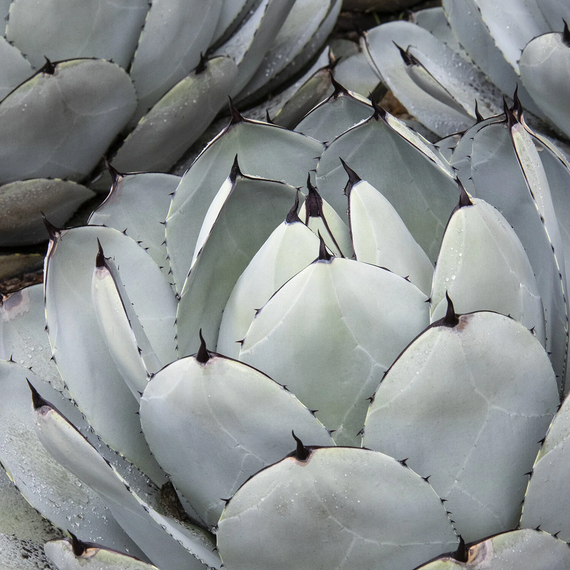
Artichoke Agave
SKU:
1833005
UPC:
014949051238
$49.99
- Dense, symmetrical silver-blue rosettes create a bold architectural focal point
- Waterwise and easy care—water only when soil is completely dry
- Spreads into broad clumps for a striking groundcover or living barrier
- Mature plants send up dramatic flower spikes up to 20 ft. tall (after many years)
Artichoke Agave (Agave parryi var. truncata) is a sculptural, waterwise succulent prized for its dense, symmetrical rosettes of wide, blue-gray foliage that form impressive clumps over time. Perfect for xeriscapes, rock gardens, and modern desert-style designs, it functions as a bold accent, a unique mass-planted groundcover, or even a natural barrier thanks to its strong form and presence. This evergreen agave thrives in full sun and asks for very little—simply provide lean to average, well-drained soil and water only when the soil is completely dry. With age (often a decade or more), mature rosettes can produce towering bloom spikes that add a spectacular vertical element, after which the flowering rosette declines while offsets (“pups”) continue the display.
Plant Overview
Artichoke Agave forms an abundance of dense, symmetrical rosettes with wide, blue-gray foliage that develops into large clumps over time. It’s an evergreen, waterwise statement plant for dry landscapes and bold contemporary plantings.
- Botanical name: Agave parryi var. truncata
- Plant type: Evergreen succulent
- Best for: Waterwise landscapes, mass plantings, architectural accents
Size & Form
Compact rosettes expand outward as the plant matures, forming broad clumps that read as a strong ground layer in the landscape.
- Rosette width: 2–4 ft.
- Clump width: Up to about 5 ft.
- Growth rate: Moderate
Foliage & Color
Wide, blue-gray leaves create an artichoke-like rosette pattern with a refined, sculptural look that pairs beautifully with gravel mulch and stone.
- Foliage color: Silver-blue
- Notable trait: Dense, symmetrical rosettes
- Special feature: Dramatic foliage color
Light Requirements
Provide full sun for best form and color. In very hot summer regions, shelter from harsh afternoon sun and reflected heat for the cleanest foliage.
- Light: Full sun
- Hot-climate tip: Protect from harsh afternoon sun and reflected heat in peak-summer areas
Watering
A true waterwise performer—wait to water until the soil is completely dry. Once established, it is drought tolerant, but can look best with occasional deep watering during extreme heat.
- When to water: Only when soil is completely dry
- Established plants: Drought tolerant
- Extreme heat: Occasional watering can improve appearance
Soil & Drainage
Give Artichoke Agave lean to average, well-drained soil. Excellent drainage is essential for long-term success, especially in winter.
- Soil: Lean to average
- Drainage: Well-drained is required
- Design tip: Gravel mulch helps maintain dry crowns and a clean look
Blooming & Flower Spikes
This agave blooms at maturity—often 10 to 15 years or older—sending up dramatic flower spikes that can reach impressive heights. Bloom spikes emerge from older rosettes.
- Bloom time: At maturity (typically 10–15+ years)
- Flower spike height: Up to 20 ft.
- Flower attribute: Showy flowers
Lifecycle (Monocarpic Behavior & Offsets)
After flowering, the “mother” rosette declines. The plant continues through offsets (“pups”) that develop into new rosettes, gradually expanding the clump.
- After bloom: Flowering rosette declines
- How it persists: Offsets (“pups”) perpetuate the plant
- Maintenance benefit: Long-lived display through clump renewal
Landscape Uses
Use as a bright accent in waterwise designs, or mass it for a distinctive, low-water groundcover effect. Its form also works well as a barrier planting in appropriate placements.
- Landscape use: Barrier, ground cover
- Best settings: Xeriscape, rock garden, modern desert palette
- Spacing note: Allow room for clumps to expand to full width
Special Features
Designed for low-input landscapes, Artichoke Agave is valued for its dramatic color, easy care, and waterwise performance. It is also noted as a North American native.
- Special features: Dramatic foliage color, easy care, waterwise
- Native note: North American native
Tolerances & Problem Solving
A resilient choice for challenging sites, with strong tolerance to dry conditions and resistance to common garden pressures.
- Tolerances: Coastal exposure, drought tolerant
- Resistance: Deer resistant, rabbit resistant
Hardiness & Seasonal Interest
Evergreen structure provides year-round form and texture, especially valuable in winter landscapes where architectural plants shine.
- Growing zones: 6–10
- Evergreen: Yes
Companion Plants
Pair with other waterwise succulents and drought-tolerant perennials for layered texture and a cohesive low-water planting.
- Hens & Chicks (Sempervivum)
- Agastache (Agastache)
- Sedum (Sedum)
- Aloe (Aloe)
- Red Yucca (Hesperaloe)
- Kalanchoe (Kalanchoe)
Care Tips (Quick Checklist)
- Plant in lean to average, well-drained soil
- Provide full sun; protect from harsh afternoon sun/reflected heat in hot-summer areas
- Water only when soil is completely dry; occasional deep water in extreme heat can improve appearance
- Expect flowering only at maturity; offsets will continue the clump after the flowering rosette declines
Botanical & Catalog Details
Useful for plant tags, internal catalogs, and customer education.
- Pronunciation: a-GAH-vee PAIR-ee-eye trun-KAH-tuh
- Flower color: Purple
- Dense, symmetrical silver-blue rosettes create a bold architectural focal point
- Waterwise and easy care—water only when soil is completely dry
- Spreads into broad clumps for a striking groundcover or living barrier
- Mature plants send up dramatic flower spikes up to 20 ft. tall (after many years)
Artichoke Agave (Agave parryi var. truncata) is a sculptural, waterwise succulent prized for its dense, symmetrical rosettes of wide, blue-gray foliage that form impressive clumps over time. Perfect for xeriscapes, rock gardens, and modern desert-style designs, it functions as a bold accent, a unique mass-planted groundcover, or even a natural barrier thanks to its strong form and presence. This evergreen agave thrives in full sun and asks for very little—simply provide lean to average, well-drained soil and water only when the soil is completely dry. With age (often a decade or more), mature rosettes can produce towering bloom spikes that add a spectacular vertical element, after which the flowering rosette declines while offsets (“pups”) continue the display.
Plant Overview
Artichoke Agave forms an abundance of dense, symmetrical rosettes with wide, blue-gray foliage that develops into large clumps over time. It’s an evergreen, waterwise statement plant for dry landscapes and bold contemporary plantings.
- Botanical name: Agave parryi var. truncata
- Plant type: Evergreen succulent
- Best for: Waterwise landscapes, mass plantings, architectural accents
Size & Form
Compact rosettes expand outward as the plant matures, forming broad clumps that read as a strong ground layer in the landscape.
- Rosette width: 2–4 ft.
- Clump width: Up to about 5 ft.
- Growth rate: Moderate
Foliage & Color
Wide, blue-gray leaves create an artichoke-like rosette pattern with a refined, sculptural look that pairs beautifully with gravel mulch and stone.
- Foliage color: Silver-blue
- Notable trait: Dense, symmetrical rosettes
- Special feature: Dramatic foliage color
Light Requirements
Provide full sun for best form and color. In very hot summer regions, shelter from harsh afternoon sun and reflected heat for the cleanest foliage.
- Light: Full sun
- Hot-climate tip: Protect from harsh afternoon sun and reflected heat in peak-summer areas
Watering
A true waterwise performer—wait to water until the soil is completely dry. Once established, it is drought tolerant, but can look best with occasional deep watering during extreme heat.
- When to water: Only when soil is completely dry
- Established plants: Drought tolerant
- Extreme heat: Occasional watering can improve appearance
Soil & Drainage
Give Artichoke Agave lean to average, well-drained soil. Excellent drainage is essential for long-term success, especially in winter.
- Soil: Lean to average
- Drainage: Well-drained is required
- Design tip: Gravel mulch helps maintain dry crowns and a clean look
Blooming & Flower Spikes
This agave blooms at maturity—often 10 to 15 years or older—sending up dramatic flower spikes that can reach impressive heights. Bloom spikes emerge from older rosettes.
- Bloom time: At maturity (typically 10–15+ years)
- Flower spike height: Up to 20 ft.
- Flower attribute: Showy flowers
Lifecycle (Monocarpic Behavior & Offsets)
After flowering, the “mother” rosette declines. The plant continues through offsets (“pups”) that develop into new rosettes, gradually expanding the clump.
- After bloom: Flowering rosette declines
- How it persists: Offsets (“pups”) perpetuate the plant
- Maintenance benefit: Long-lived display through clump renewal
Landscape Uses
Use as a bright accent in waterwise designs, or mass it for a distinctive, low-water groundcover effect. Its form also works well as a barrier planting in appropriate placements.
- Landscape use: Barrier, ground cover
- Best settings: Xeriscape, rock garden, modern desert palette
- Spacing note: Allow room for clumps to expand to full width
Special Features
Designed for low-input landscapes, Artichoke Agave is valued for its dramatic color, easy care, and waterwise performance. It is also noted as a North American native.
- Special features: Dramatic foliage color, easy care, waterwise
- Native note: North American native
Tolerances & Problem Solving
A resilient choice for challenging sites, with strong tolerance to dry conditions and resistance to common garden pressures.
- Tolerances: Coastal exposure, drought tolerant
- Resistance: Deer resistant, rabbit resistant
Hardiness & Seasonal Interest
Evergreen structure provides year-round form and texture, especially valuable in winter landscapes where architectural plants shine.
- Growing zones: 6–10
- Evergreen: Yes
Companion Plants
Pair with other waterwise succulents and drought-tolerant perennials for layered texture and a cohesive low-water planting.
- Hens & Chicks (Sempervivum)
- Agastache (Agastache)
- Sedum (Sedum)
- Aloe (Aloe)
- Red Yucca (Hesperaloe)
- Kalanchoe (Kalanchoe)
Care Tips (Quick Checklist)
- Plant in lean to average, well-drained soil
- Provide full sun; protect from harsh afternoon sun/reflected heat in hot-summer areas
- Water only when soil is completely dry; occasional deep water in extreme heat can improve appearance
- Expect flowering only at maturity; offsets will continue the clump after the flowering rosette declines
Botanical & Catalog Details
Useful for plant tags, internal catalogs, and customer education.
- Pronunciation: a-GAH-vee PAIR-ee-eye trun-KAH-tuh
- Flower color: Purple

