
Zoom the image with the mouse
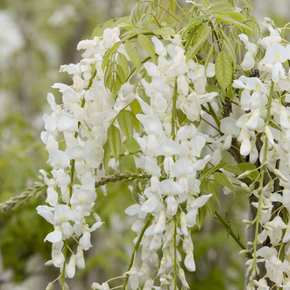
Amethyst Falls American Wisteria
SKU:
1867220-P
UPC:
753768051257
$24.99 - $59.99
- Perfect for smaller spaces: twining vine grows at about a third the rate of Asian wisteria and blooms at a young age.
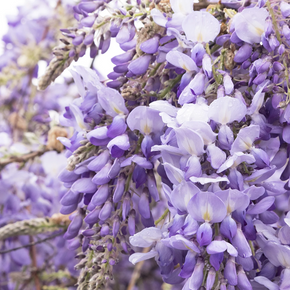
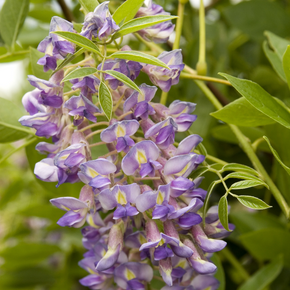
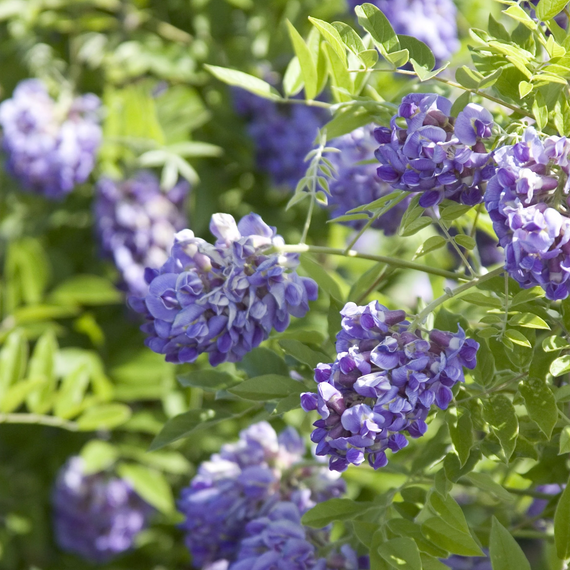
- Lightly fragrant, purple racemes in late spring with a light summer rebloom for extended color.
- Waterwise and tough once established; noted as deer and rabbit resistant.
- Flexible form: train on arbors/trellises, grow in large containers, or prune into a small free‑standing tree.
Amethyst Falls American Wisteria (Wisteria frutescens ‘Amethyst Falls’) delivers the romance of wisteria without the rampant growth—making it ideal for porches, patios, and compact gardens. This native twiner produces cascading, lightly fragrant clusters of lavender‑purple flowers in late spring, followed by a gentle summer encore. Give it full to partial sun and enriched, well‑drained soil, then enjoy reliable performance, pollinator appeal, and manageable vigor across USDA Zones 5–9.
Botanical Name
Wisteria frutescens ‘Amethyst Falls’ — American Wisteria cultivar.
Plant Type & Habit
Deciduous, twining vine with refined growth; easier to manage than Asian species. Useful on sturdy arbors, pergolas, fences, or trained into a small standard form.
Mature Size
Twining stems quickly reach ~8–10 ft; with time and support, plants can extend to ~30 ft. Width varies with training and structure.
Hardiness
USDA Zones 5–9.
Light & Exposure
Full sun to partial sun; brighter exposures yield heaviest flowering.
Soil & Water
Prefers enriched, humusy, slightly acidic, well‑drained soils. Water deeply and regularly the first season to establish; reduce frequency once established (becomes waterwise).
Flowers & Bloom Season
Late‑spring bloom of cascading lavender‑purple racemes with a light summer rebloom in favorable conditions.
Fragrance
Flowers are lightly fragrant—sweet without being overpowering; ideal near seating and entries.
Uses & Landscape Ideas
- Trellises, arbors, pergolas for a classic, seasonal display.
- Large containers on patios and porches (with support).
- Small free‑standing tree form for focal points and cottage gardens.
Training & Support
Provide sturdy support and guide new shoots. Twining stems will wrap naturally; avoid flimsy structures due to eventual vine weight.
Pruning & Maintenance
Trim lightly after flowering to encourage repeat bloom. Prune in late winter to shape and manage size. Feed in early spring in lean soils.
Planting & Spacing
Plant at original depth into amended, well‑drained soil. For screens and long runs, allow 6–12 ft between plants depending on desired density and structure.
Wildlife & Garden Value
Attracts pollinators; native parentage supports wildlife plantings while offering a more controlled habit than Asian wisterias.
Problem Solving & Toughness
Deer and rabbit resistant notes; dependable once established. Choose strong supports and avoid over‑fertilizing (excess nitrogen reduces bloom).
Companion Ideas
Pairs beautifully with Roses, Daylilies (Hemerocallis), Salvia, Shasta Daisy (Leucanthemum), and Phlox for a long, layered season.
- Perfect for smaller spaces: twining vine grows at about a third the rate of Asian wisteria and blooms at a young age.
- Lightly fragrant, purple racemes in late spring with a light summer rebloom for extended color.
- Waterwise and tough once established; noted as deer and rabbit resistant.
- Flexible form: train on arbors/trellises, grow in large containers, or prune into a small free‑standing tree.
Amethyst Falls American Wisteria (Wisteria frutescens ‘Amethyst Falls’) delivers the romance of wisteria without the rampant growth—making it ideal for porches, patios, and compact gardens. This native twiner produces cascading, lightly fragrant clusters of lavender‑purple flowers in late spring, followed by a gentle summer encore. Give it full to partial sun and enriched, well‑drained soil, then enjoy reliable performance, pollinator appeal, and manageable vigor across USDA Zones 5–9.
Botanical Name
Wisteria frutescens ‘Amethyst Falls’ — American Wisteria cultivar.
Plant Type & Habit
Deciduous, twining vine with refined growth; easier to manage than Asian species. Useful on sturdy arbors, pergolas, fences, or trained into a small standard form.
Mature Size
Twining stems quickly reach ~8–10 ft; with time and support, plants can extend to ~30 ft. Width varies with training and structure.
Hardiness
USDA Zones 5–9.
Light & Exposure
Full sun to partial sun; brighter exposures yield heaviest flowering.
Soil & Water
Prefers enriched, humusy, slightly acidic, well‑drained soils. Water deeply and regularly the first season to establish; reduce frequency once established (becomes waterwise).
Flowers & Bloom Season
Late‑spring bloom of cascading lavender‑purple racemes with a light summer rebloom in favorable conditions.
Fragrance
Flowers are lightly fragrant—sweet without being overpowering; ideal near seating and entries.
Uses & Landscape Ideas
- Trellises, arbors, pergolas for a classic, seasonal display.
- Large containers on patios and porches (with support).
- Small free‑standing tree form for focal points and cottage gardens.
Training & Support
Provide sturdy support and guide new shoots. Twining stems will wrap naturally; avoid flimsy structures due to eventual vine weight.
Pruning & Maintenance
Trim lightly after flowering to encourage repeat bloom. Prune in late winter to shape and manage size. Feed in early spring in lean soils.
Planting & Spacing
Plant at original depth into amended, well‑drained soil. For screens and long runs, allow 6–12 ft between plants depending on desired density and structure.
Wildlife & Garden Value
Attracts pollinators; native parentage supports wildlife plantings while offering a more controlled habit than Asian wisterias.
Problem Solving & Toughness
Deer and rabbit resistant notes; dependable once established. Choose strong supports and avoid over‑fertilizing (excess nitrogen reduces bloom).
Companion Ideas
Pairs beautifully with Roses, Daylilies (Hemerocallis), Salvia, Shasta Daisy (Leucanthemum), and Phlox for a long, layered season.
Related Products